Eating seasonal food is one of the simplest ways to feel more connected—to the land, to local farmers, and even to our own bodies.
When we eat what is naturally ripe at a given time of year, food tastes better. A summer tomato, warmed by the sun and eaten in July, bears little resemblance to a pale winter tomato shipped across continents. Strawberries in spring are sweet and fragrant; apples in autumn are crisp and complex. Seasonal eating restores flavor to its rightful place at the center of the plate.
To eat seasonally is not about restriction; it is about attention. It is a quiet practice of noticing what the earth offers in this moment and responding with gratitude.
Beyond taste, seasonal food often carries greater nutritional value. Produce harvested at peak ripeness retains more vitamins and antioxidants than food picked early for long-distance travel. Leafy greens in cooler months, berries in summer, squash in fall—each arrives just when our bodies seem to need them most. Hearty root vegetables and grains sustain us through winter; light cucumbers and melons hydrate us in the heat.
Finally, seasonal eating invites creativity. It asks us to adapt, to cook with what is abundant now rather than relying on the same ingredients year-round. This rhythm—anticipating asparagus in spring or savoring the first pumpkin of fall—creates a gentle sense of celebration woven into everyday life.
Long before we could order strawberries in January or asparagus in October, our bodies learned to listen to the land. And somewhere deep inside us, that memory still hums. Our bodies crave seasonal food because we are seasonal creatures.
To eat with the seasons is to accept that we are not separate from the turning of the earth, but shaped by it. And when we honor that turning—one bowl of soup, one handful of berries, one crisp apple at a time—we rediscover that the body already knows what it needs.

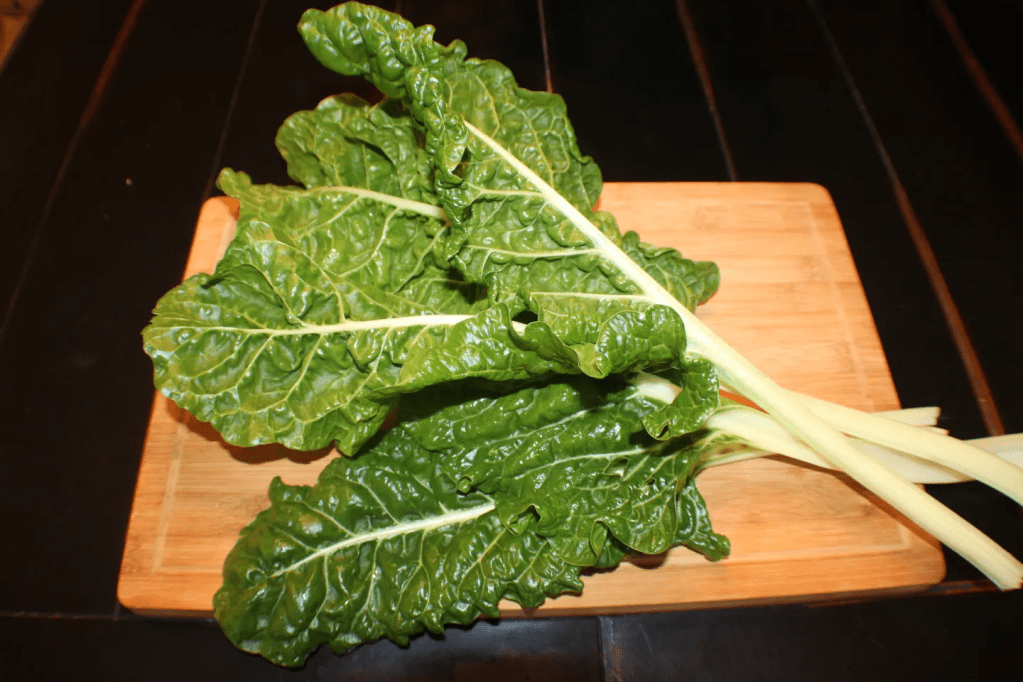
As we quietly anticipate the arrival of asparagus and snap peas, there are abundant greens at the grocery and farmers’ markets right now – they are the stalwart vegetables of the winter season. I make this dish at least twice a week.

Sauced Greens
1 small bunch of greens – Swiss chard, kale, mustard, collards
1 clove garlic, minced
¼ c. onion, sliced
1 T. olive oil
1 T. balsamic vinegar
1 t. sugar
Salt and pepper to taste
½ c. chopped tomatoes
2 T. sour cream or plain yogurt
1 T. Sriracha sauce if desired
2 large eggs if desired
Rinse the greens liberally and remove tough stems. Stack the leaves and roll them into a “cigar” and slice thinly. Add garlic and onion to olive oil in a heavy pan and saute until tender. Fry eggs in a separate pan if you intend to use them. Add greens, vinegar and sugar and saute for about 5 minutes until greens are tender. Turn off the heat and stir in tomatoes and sour cream or yogurt. Salt and pepper to taste. Top with eggs and sriracha if desired.
 Kate's Garden Kitchen
I agree totally with everything you’ve written here and especially love the line “To eat with the seasons is to accept that we are not separate from the turning of the earth, but shaped by it.” We’ve gotten so far from the cycles of the earth when it comes to our food, and it is not to our betterment.
LikeLike
What a wonderful comment! Thank you for sharing
LikeLike