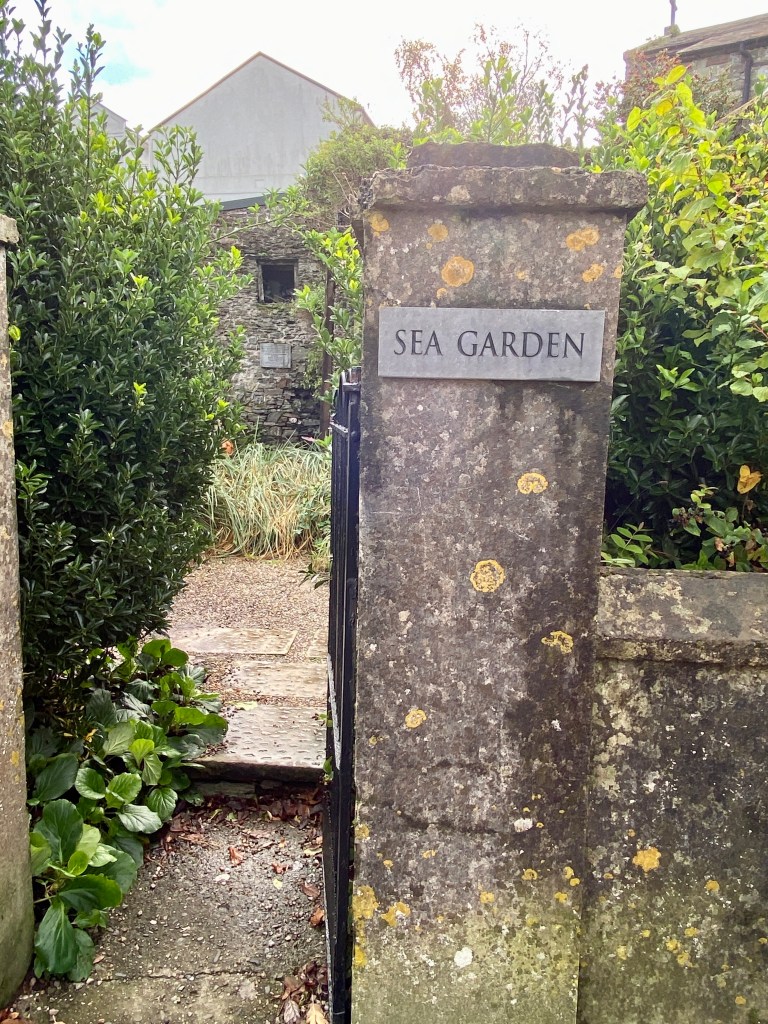
Ireland day 3

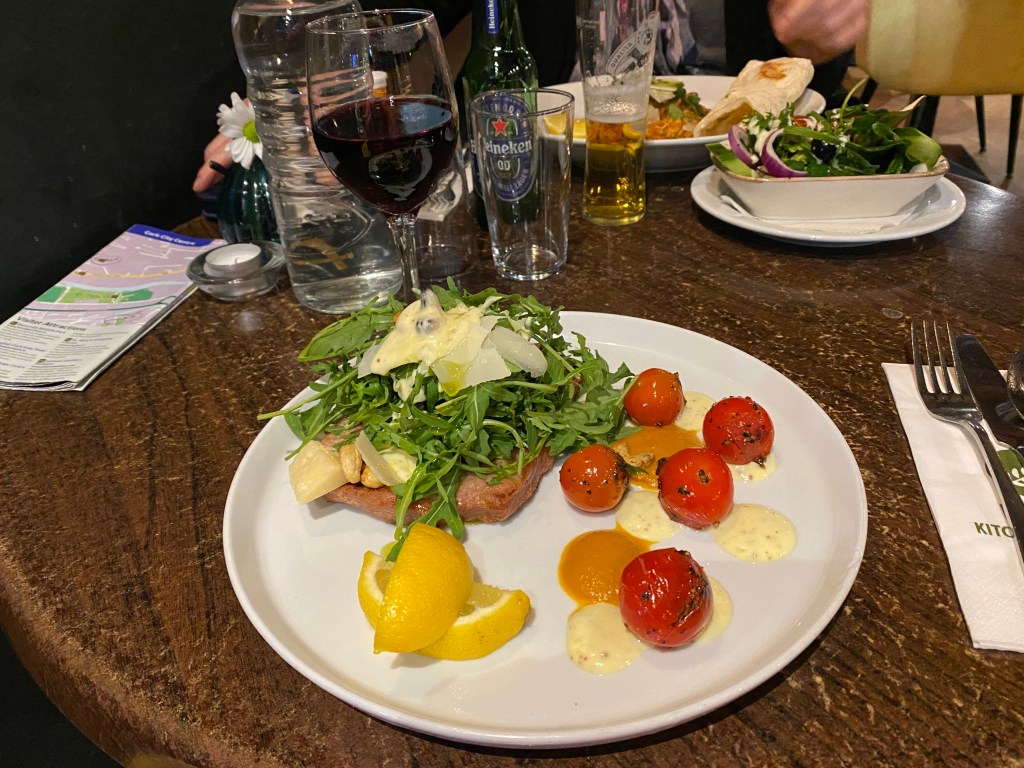
So today was an eating sort of day. Okay, we did plenty of walking. To earn our food as it were. We walked the town of Kinsale, a sweet little harbor town with shops and restaurants and lovely little pubs of every ilk. I don’t normally post pictures of food I’m eating in a restaurant, but couldn’t resist this one. A gooey warm brownie with chocolate sauce and bourbon vanilla ice cream. Just the ticket on a blustery Irish day. The fruit in the picture is a tart ground cherry, complete with papery husk.

Then we shopped for Irish wool and linen, postcards and a myriad of Irish gourmet foods for our dinners to come.

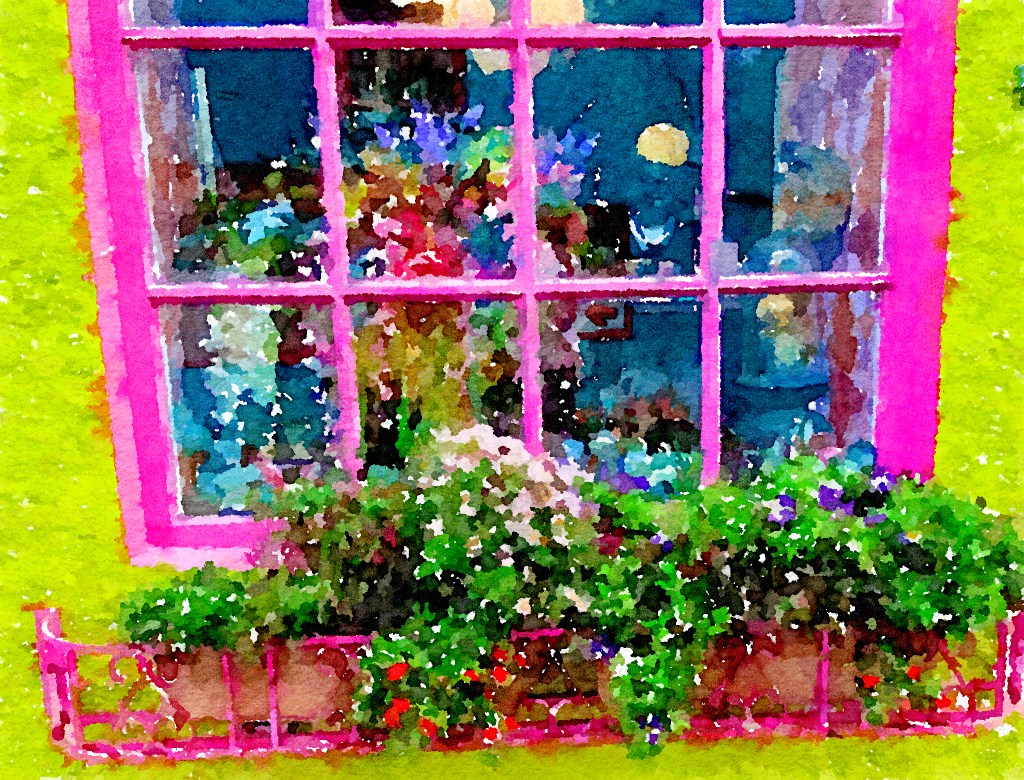
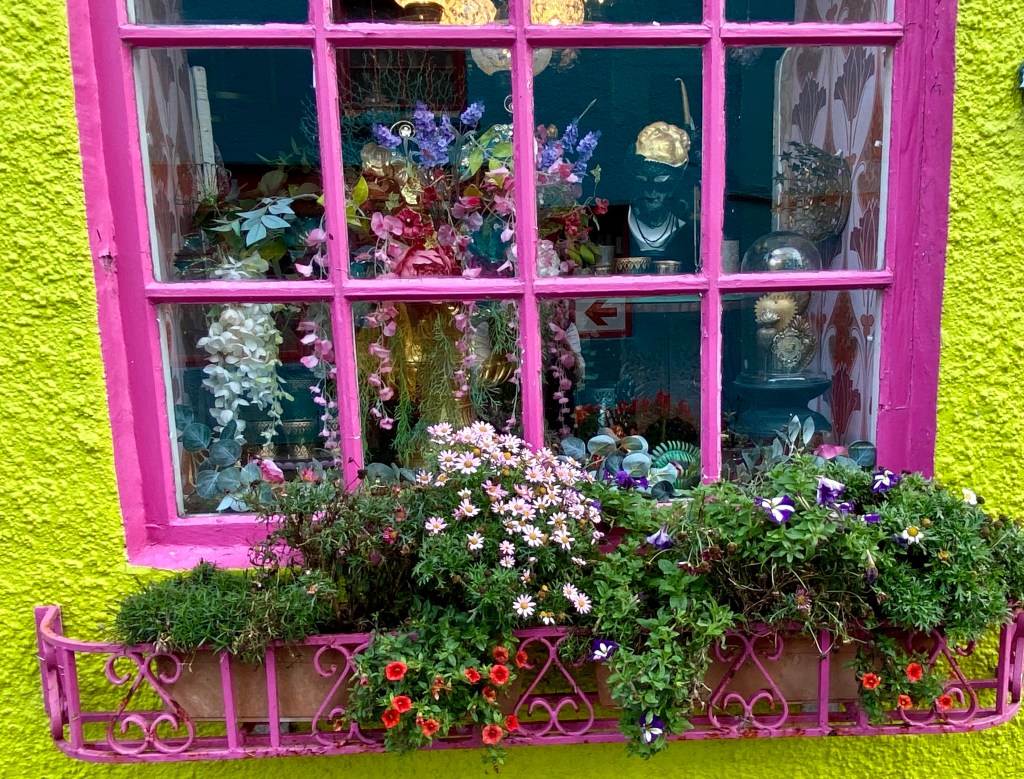
Kinsale is well known for its colorful buildings and multicolored doors. On every street there are shops with beautiful architecture accented with bright colors. And a sense of incredible history with old buildings, ancient architecture and cobbled, winding streets.

Tomorrow the weather will clear and we’ll be out hiking for the day. And having fish and chips tomorrow night at the Spaniard pub accompanied by live Celtic music.

Ireland day 2

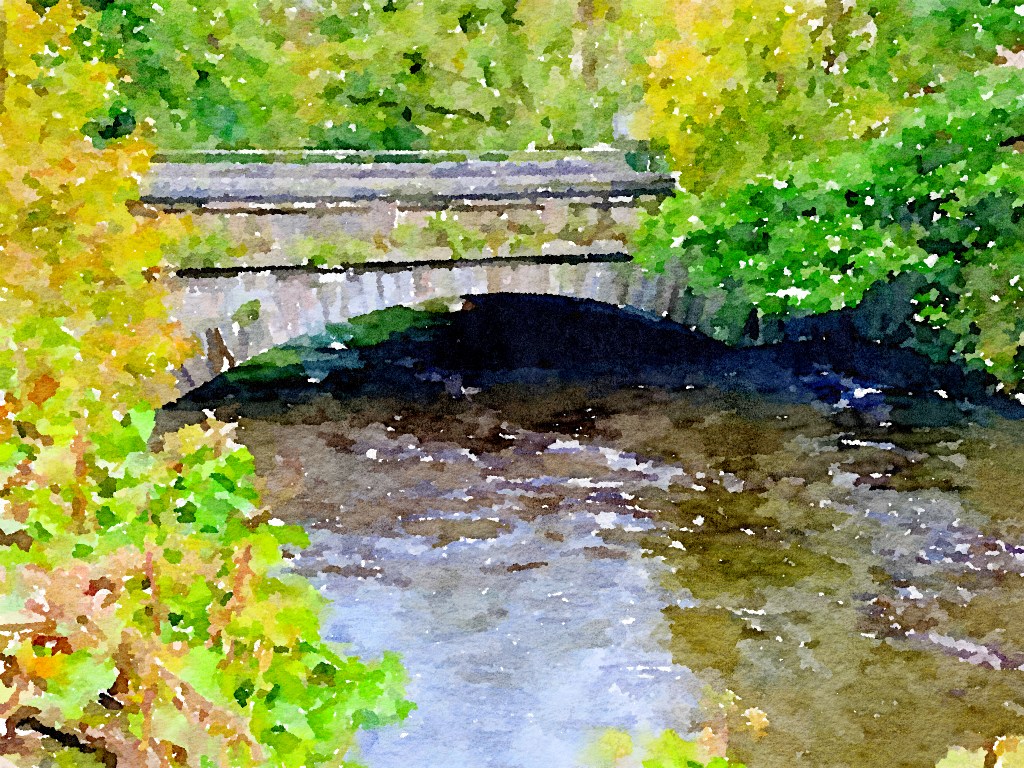
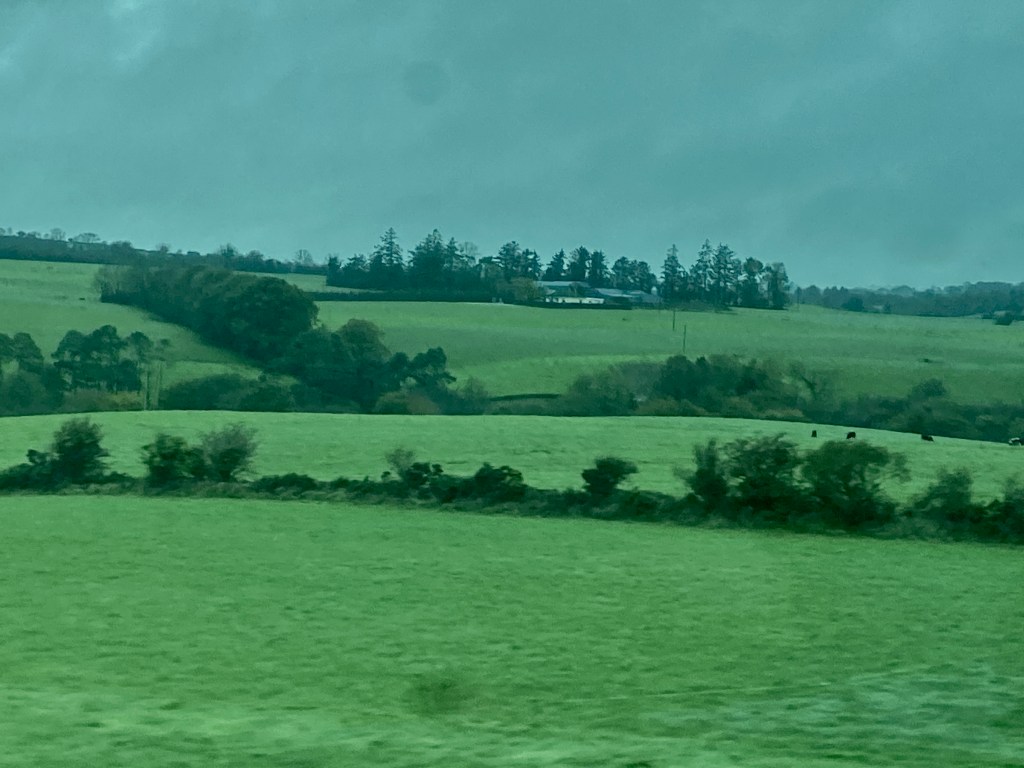
Today we had a sumptuous Irish continental breakfast at our Dublin hotel, took a taxi to the train station and then had a three-hour train ride to Cork. The Irish, and perhaps all of Europe, know how to do trains. The trip flew by on a fast, clean, smooth train. The countryside was dotted periodically with beautiful old church and building ruins that flashed by with no notoriety, no mention. They were simply a part of the rural landscape, along with so many, many cows and sheep.

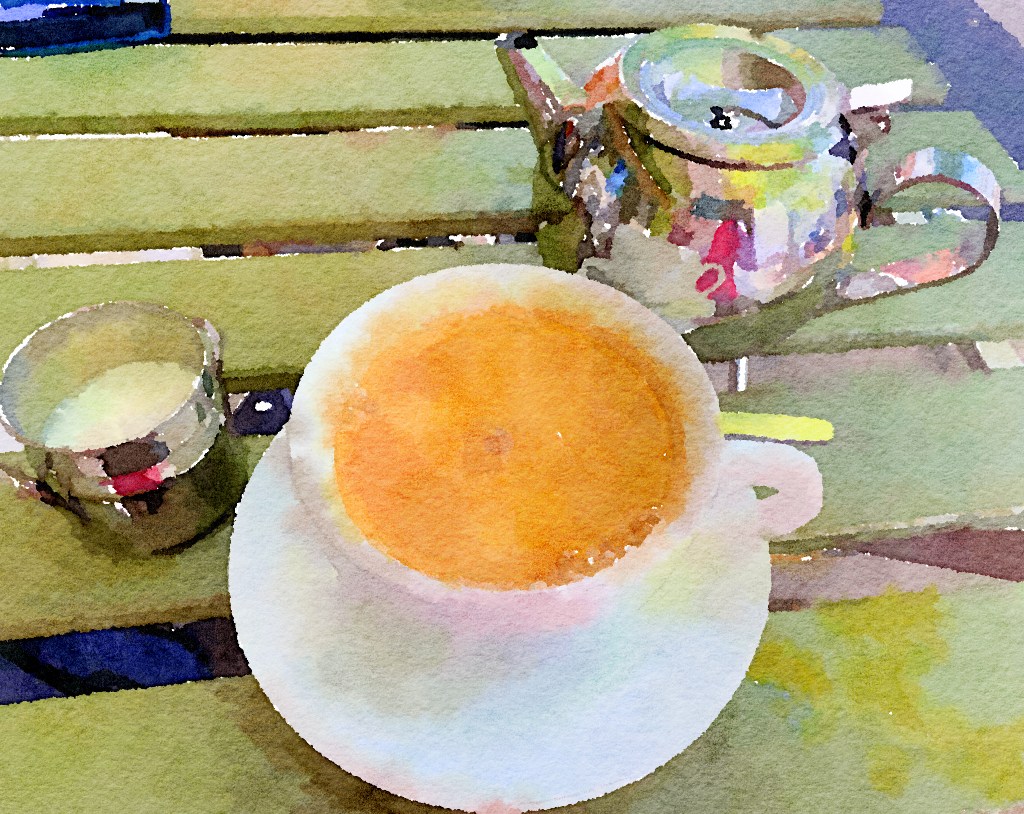
We arrived in Kinsale on the southern coast, and were transported up a winding hill on extremely narrow cobble streets to Tara cottage on the harbor. Our host greeted us with fresh scones, butter and jam and a pot of tea. After reconnaissance of supplies in the cottage, we walked into town for a bite to eat at the Spaniard Inn, another old pub. Delicious fresh wild mushroom soup and Irish brown bread along with an Irish stout. I don’t know who the Spaniard is but he’s certainly serious looking. I need to do a little research.

Then a trip to the market. Or rather markets. Each one had some things, none had all things we needed. But the shopkeepers were a delight, and quite willing to make suggestions on the best Irish goods. We bought fresh Irish butter and cream, free-range eggs, fruits, Irish potatoes of course, and freshly baked brown bread. I must show some restraint or I may exceed the pound limit for the flight home.

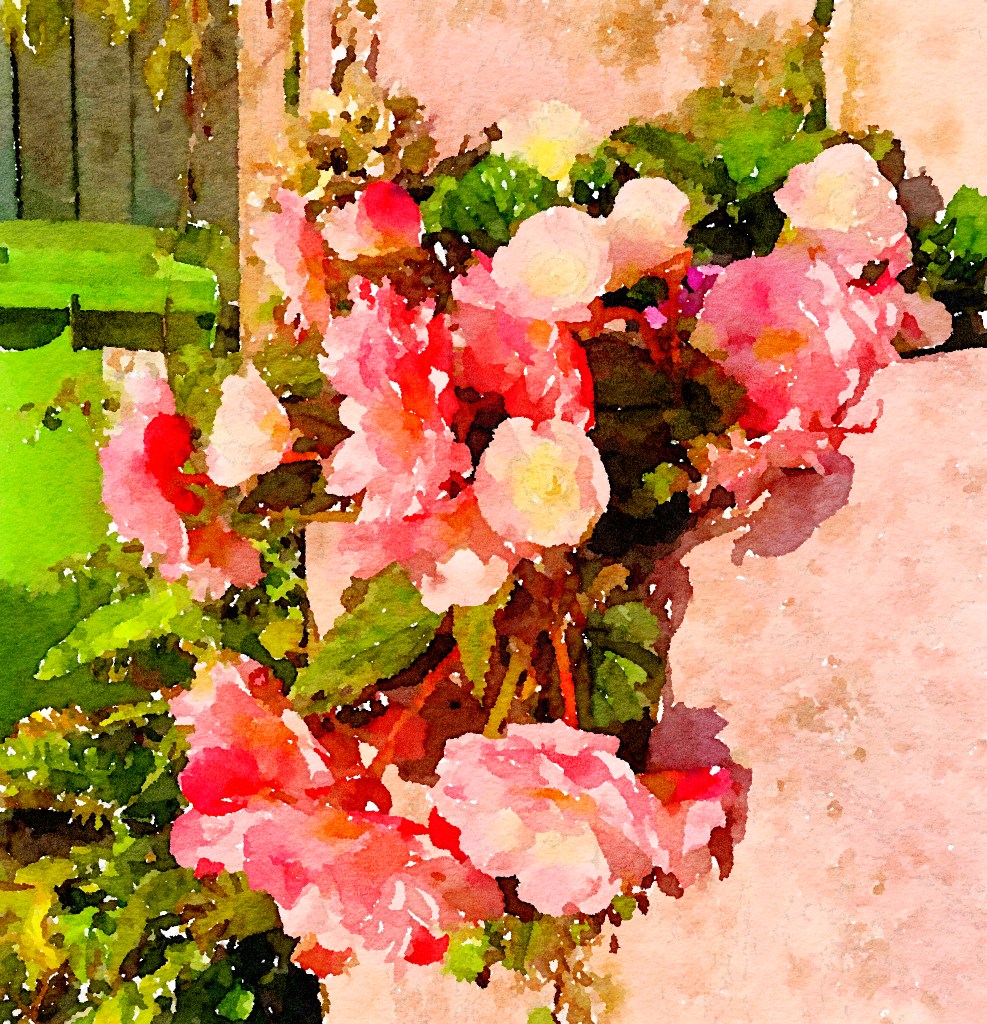
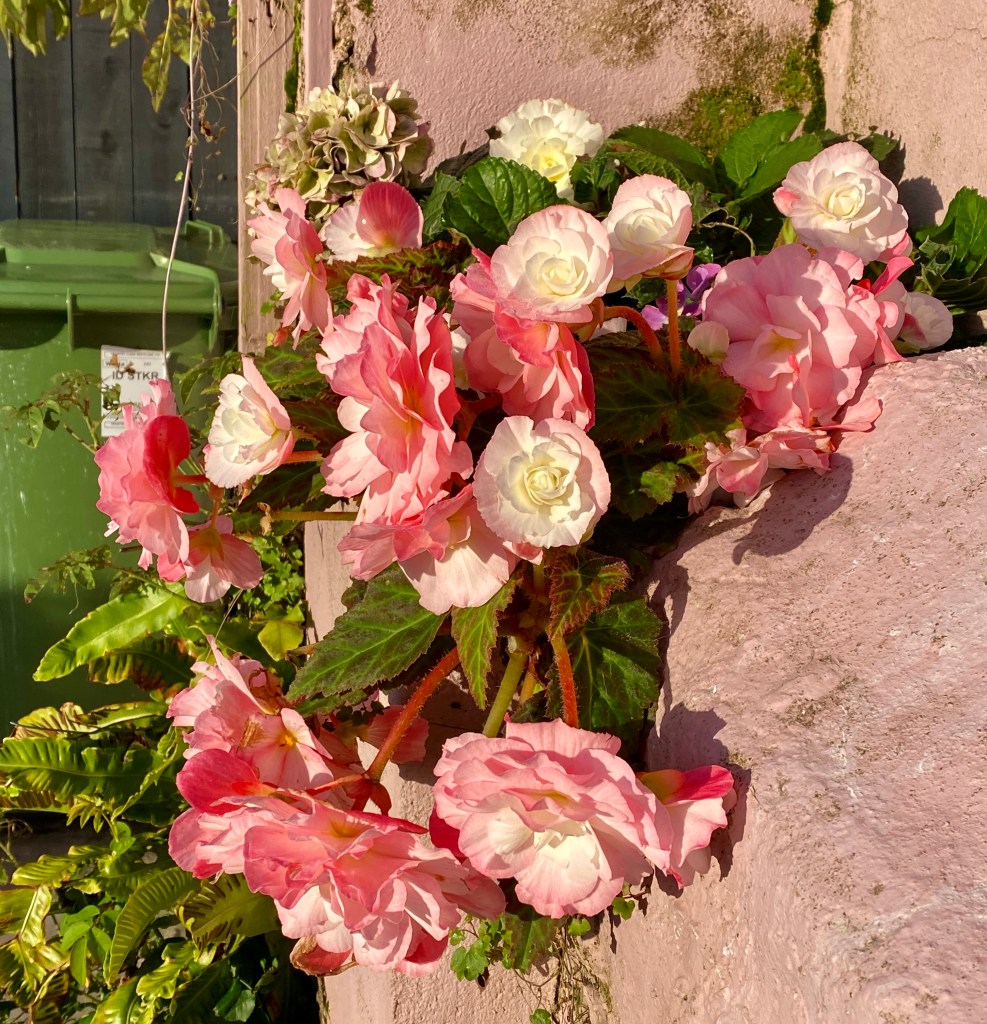
The most remarkable parts of our walk were the flowers everywhere, even in October. Window boxes filled with heather, fuchsias growing in the woods, geraniums in pots on a wall. And the climate is mild enough for palms.

Tomorrow, we’ll seek out a cozy cafe for breakfast/lunch, and then explore this lovely little town (we’ve already spotted about ten places we want to revisit.

A Fall in Ireland

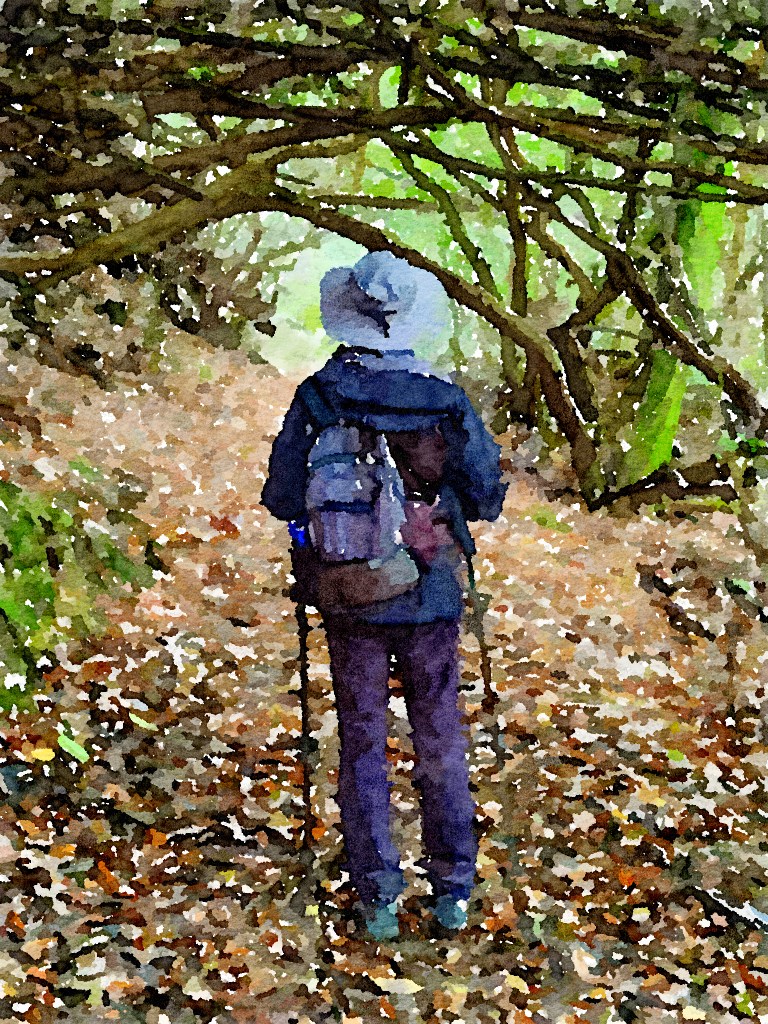
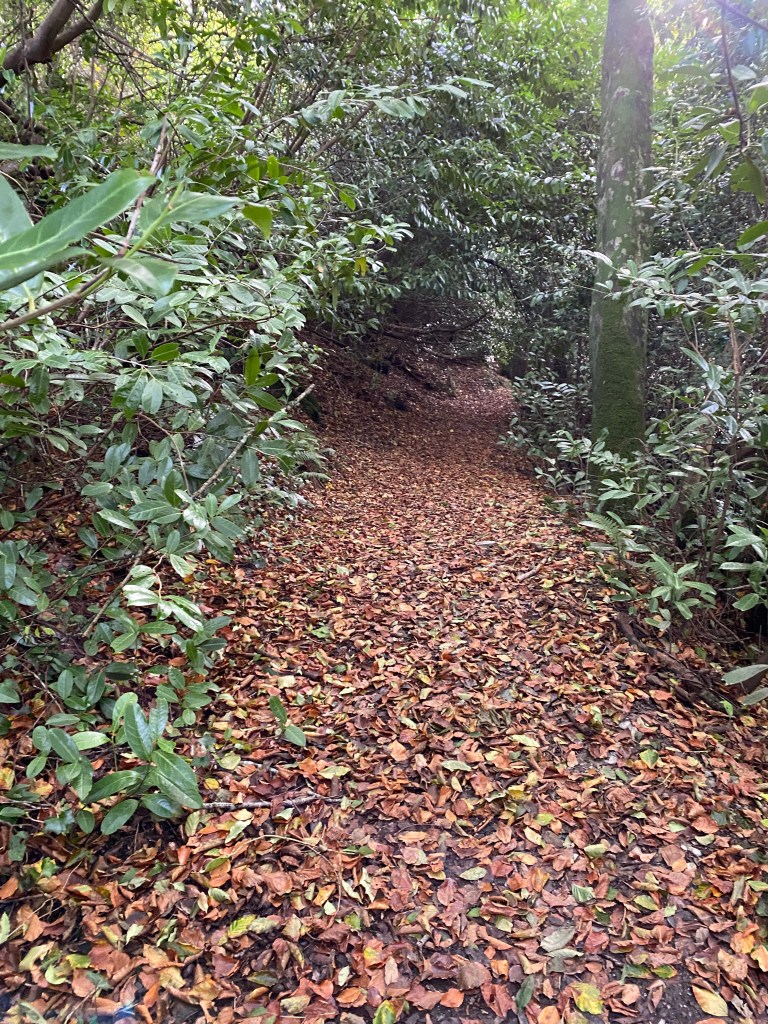
Normally I write about food. But I’d like you to take a stroll with me as I enjoy the fall in Ireland.
Day 1 – started in Dublin. After a hard slog through sleeplessness and jet lag, we went out into the rainy city searching for good food, a warm place to relax and some local culture. Dublin is mostly like any other city with a myriad of national and international shops. But nestled in between the Burger King and Dunnes department stores are tidy, old buildings with beautiful facades that house small eateries, pubs and local art. Here’s where we had lunch:

Stag’s Head pub

Established in the 1770s, this pub has “been great pints, great food, great craic”. This is probably Dublin’s best preserved Victorian pub – and everything here is authentic – carved Victorian mahogany fittings, mosaic marble tiled floors and a mahogany bar, capped with red Connemara marble.

And, we capped off the day with local pizza and a quick pass by the Dublin castle. Now back to the hotel and lots of sleep.

Summer Greens

I was driving in a nearby neighborhood the other day, minding my own business, when an unusual sight caught my eye. In front of a typical suburban house was a sidewalk edged with a beautiful hedge of ruby chard.

There was no vegetable garden in sight. Behind the chard, a single tomato plant occupied the front flower bed, surrounded by a little basil and some marigolds. The chard was a beautiful accent to the house.

There is no reason why the summer kitchen cannot always be overflowing with greens. Once spinach and Chinese cabbage are finished in spring and the heat of summer begins to weigh on the garden, it’s time for the stalwart summer greens! Swiss chard is a humble vegetable, but one that has an unbelievable array of culinary possibilities. Also called silverbeet or seakale beet, it is technically a beet bred for its greens. It is simple to grow and monstrously productive.


The word kale often brings to mind an image of the purple and lime green frilly balls of ornamental kale in fall containers or the plastic-like bushes used as garnishes on restaurant plates. But culinary kale is a different vegetable entirely. There is an infinite number of choices, from smooth to crinkly to ‘Red Russian’ that turns purple-red in cold weather. Compared to kale purchased in the grocery store, homegrown kale is considerably more tender and succulent as well as sweeter than the types grown commercially.


Kale is also remarkably easy to grow. It’s closely related to cabbage, and the leaves have a faint cabbage-like flavor. But long after spring cabbages have begun to turn fiery and tough in summer, kale keeps providing sweet, tender greens for the table. It produces well into fall, actually being sweetened by frost. It’s not unheard of to still be harvesting kale after Thanksgiving.


Mustard greens will add piquancy to any salad or dish, with a zingy vinegary essence. The broad-leafed types are best for summer use, as they grow large and luxurious without getting stringy and tough. If allowed to go to seed, the mustard plant is useful in all forms. The seed stalks are tasty sautéed, and the seeds make the familiar tangy seasoning for hot dogs or pickles.


Collards, another sizable green, are grown frequently in the South – and for good reason. They remain tender and tasty throughout the summer and are slow to bolt in spite of heat and drought. They have a more cabbage-like flavor than mustard greens, but a little taste of collards seasoned with garlic and complemented with prosciutto will make you wonder why you didn’t start growing collards years ago.

Once you are hooked on greens, there is a wealth of other summer treats to try, from amaranth to Chinese kale to komatsuna (also called spinach mustard) to mizuna. Asian greens of all types are becoming more popular and thus easier to find. Check out your local farmers market to try a few and plan to use them in your own garden next year!


Dark leafy greens pack an unbelievable vitamin wallop, to say nothing about their cancer-fighting phytochemicals. In addition to eating greens for themselves, try adding them to omelets, fresh or marinated salads, soups and savory breads.

Sauteed greens with orzo

Remove stems and chop chard. Set aside. Cook pasta and drain, reserving 3/4 cup cooking liquid. Sauté garlic 30 seconds in oil, add chard and sauté 3 minutes or until wilted. Combine cooking liquid, ricotta, 2 T. Parmesan and stir well. Combine with chard mixture and toss well. Top with remaining Parmesan. Serves 4.

Rewilding for the Fireflies

This time of year, it’s a joy to sit outside in the darkening evening to watch fireflies. They are coming back slowly after a scare about extinction. Pesticides and lack of habitat have forced them out but the movement to make our landscapes into more natural all-encompassing habitats is helping them regain a foothold. 

I’ve been watching a movement in Britain now taking hold here in the US called “rewilding”. It is basically what we’ve been doing for years to replace our lawns with meadows, our ornamental landscapes with natives and pollinator plants. The movement is worth looking into for ideas if you are in the mode of introducing natives and pollinators to your landscape. 

black chokeberry

Instead of adding a new ornamental shrub, think about a native fruiting shrub or tree. Fill your landscape with a food forest. The upper canopy full of native fruiting trees, the shrub layer with black chokeberries or currants and the ground level with herbs to keep your trees and shrubs from being planted in a sea of grass. 

Instead of blowsy flowers that have no scent, consider pollinator favorites like beebalm and coneflowers. Or something for the hummers and butterflies like native salvias and penstemon. It’s pretty easy once you start looking to find many resources on these types of plants. 

If you really want to see what rewilding is all about on a large scale, check out this website: https://rewilding.org/. And, here is a magazine all about it as well: https://www.rewildingmag.com/

And perhaps if we all make an effort to restore damaged landscapes to a more natural state, we will make better firefly habitats. Not to mention butterflies, moths, beetles…………. 

I, for one, simply cannot imagine a summer without fireflies. 

Use any mixture of berries to make this jam without any pectin. 

6 cups berries such as sliced strawberries, raspberries, blackberries, chokeberries, blueberries

2 cups sugar

2 tablespoons bottled lemon juice

Place the berries and sugar in a large saucepan. Stir the mixture and bring to a boil over medium-high heat. Reduce to a soft boil on medium heat and cook, uncovered, stirring frequently, for about 20 minutes or until the jam has thickened. Stir in lemon juice. 

To test the thickness of the jam, at the start of cooking time place a few metal spoons in the freezer. Take out one spoon and coat the back. If it’s too runny, continue cooking and test every 5 minutes the jam sets. Once cooled, transfer to a glass jar with a fitted lid and store in the refrigerator for up to 2 weeks. Enjoy on toast or sandwiches. 

Putting Food By

Our house is in the midst of putting summer in jars. All winter we’ll recall the sights and scents of summer as we open jars of home-canned fruits and vegetables.

Opening a jar of our tomatoes in the dead of January lets the odor of summer waft through the kitchen and the scent is so strong that you can almost hear bees buzzing and feel the warmth rising from dark soil.

“Putting food by” is much more than just filling the larders for winter consumption — it is an elixir for the soul. Not only is the food good for us, but one of the best prescriptions available for keeping the winter doldrums at bay is homemade strawberry jam on warm toast.

My grandmother, who taught me to how to can, always used everything from the garden. After canning tomatoes, green beans and squash, the leftover vegetables would go into chowchow or green tomato piccalilli.

Pickled asparagus

Bolted lettuce and endive were blanched and frozen as bitter greens for a winter stir-fry. Fresh apples and pears went into the root cellar while the overripe or bruised fruits are made into musky butters or tangy chutneys.


I came by the love of preserving naturally. I have such sweet memories about how each time my mother was introduced to a new plant, her first question is not how to grow it, but “Can you make jelly out of the fruit?”

In our house, ripening currants start a frenzy of jelly and syrup-making which continues as plums, elderberries and grapes ripen. For August, September and October the kitchen is converted into a canning kitchen.

Prune plums ready for plum butter

The canning pot takes a position of prominence on the counter, surrounded by canning lids, freezer bags and various utensils for lifting, tightening, pouring and straining. We put up tomatoes, dilly beans, beets, cucumber and zucchini pickles, hot peppers, relishes, pears and herb vinegars.

I recently read that the Ball canning jar company sold its canning jar business because “too many working couples have too little time to engage in the culinary ritual of preserving fruits and vegetables from the home garden.” It makes me sad to think that we are losing a valuable psychological tool for getting through the long winters.

The optimist in me likes to think that the real reason canning jar sales are down is because people are rediscovering the jars in their basement or are inheriting and using jars from parents and grandparents. Even empty, a canning jar is a work of art. It is a masterpiece of solid construction, made of tempered glass that will withstand the pressure cooker again and again.

I have jars that I inherited from my grandmother bearing dates from the late 1800s. They appear to be as sturdy as those purchased today and give me a solid tie to the past as I put bits of summer in them.

In the middle of the summer heat, the sound of the dehydrator buzzing and the smells of ripe fruit and vegetables and the bright jars of pear butter, tomato sauce, tarragon vinegar and green tomato pickles make this a luscious time of year.

Crock Pot Butter

4 cups cooked fruit (apple, peach, pear, plum), run through a food mill or food processor. Taste the fruit to determine sweetness. If you like a very sweet butter, add up to 2 cups of sugar. If you like it more tart, make it with only a small amount of sugar.

2 t. cinnamon
½ t. cloves

Cook all day on low, stirring and scraping down sides occasionally. Taste as you go and add more sugar if needed. Spoon into hot half-pint canning jars, leaving ¼” headroom. Slide a butter knife down the sides to release bubbles and wipe the rim. Cap with hot canning flats and rings. Place in the canner and bring to a rolling boil. Process for 10 minutes and remove from water. Allow to cool on the counter, making sure all flats “pop” to ensure a seal. If one jar doesn’t seal, put it in the refrigerator and enjoy!

Porches

A place to relax in the garden. Isn’t that an oxymoron? Can any gardener actually relax? While it may be hard to stop picking and tucking and weeding and fussing, relaxing in the garden you’ve created is the best part of the day. After hours of hard work, what better reward can there be than to flop into an overstuffed chair on the porch with a novel or laze in a soft cotton hammock, swaying gently in the breeze and counting clouds.

The dictionary defines relax as “to slacken” and “to ease.” Although our culture tends to assign negative connotations, as if to do either shows lack of character or slovenliness, I’ll go against the grain and put relaxing in my garden at the forefront of my chore list. For me, the best place “to ease” is the porch.

I covet those grand farmhouses with a porch that wraps around the entire house. But that’s not really necessary unless you have thirteen kids, each of whom needs a separate place to play checkers or brush the dog or giggle with a boyfriend.

In reality, any porch will do. The porch of my dreams has wide scuffed boards and a traditional robin’s egg blue ceiling. It is appointed with a whitewashed willow settee, a glider or porch swing with a soft floral cushion and mismatched overstuffed, well-worn chairs – lots of places to sit whether you’re dirty or not.

It can be just a place for a moment’s respite from weeding and watering, hoeing and deadheading, or a spot to leave a pile of garden catalogs to thumb through on a water break. But it can also be a gracious room for elegant entertaining.

My dream porch has a banister dripping with old-fashioned scented roses and a trellis off to the side clad in cerulean blue morning glories, making a secret place to sit and read. You can hear what’s going on, but no one can see you – a truly magical spot where the kids can’t see you from the yard.

On a hot afternoon, the porch contains all manner of kids lounging, reading, and playing checkers while others squeal as they run through the sprinkler. There’s a frosted pitcher of lemonade on the rickety table, and the scents of mint, sunflowers and freshly mown grass waft through the air.

Evening falls and you begin to hear Vivaldi playing softly in the background. The porch is full to groaning with family and friends. Someone’s cranking the ice cream freezer and out comes “porch chicken” and potato salad, to be eaten in your lap, followed by bowls of homemade strawberry ice cream and slices of cold watermelon.

Night descends and the citronella oil lanterns are lighted, casting a warm glow on sunburned faces. The fragrance of nicotiana, petunias and evening stocks drifts all around, and the cicadas begin to call as the stars appear. Someone softly strums a guitar and the night is filled with quiet conversation peppered with laughter.

This is what summer is made of.

Ice Cream Base

  • 8 egg yolks
  • 3 c. milk
  • 1 c. half and half
  • 1 c. sugar
  • 4 t. vanilla

Beat yolks and sugar until thick. Scald milk and pour into yolk mixture while stirring. Pour back into pan and heat gently until it coats a spoon. Cool. Stir in vanilla and other additions. Freeze in ice cream freezer.
Additions (use your imagination – the sky’s the limit):

  • Peaches (the best!)
  • Chocolate chips
  • Blueberries
  • Strawberries
  • Chocolate syrup
  • Crumbled mint oreos

A Balancing Act

I have a friend with a pristine garden. It’s absolutely immaculate. Not a spot on a leaf nor a leaf on the ground. He is quite proud of his work. Yet I am so conscious when I walk into his garden that there is nothing alive but the plants. True, there are no pests. But there are also no ladybugs, no birds, snakes or toads. These usually welcome creatures are living somewhere else. Somewhere with plenty for them to eat.

Ladybug larva

With the gardening season upon us, I can’t help but reflect on the best of last year’s garden. One of my most gratifying sights was in late September when the tomatoes were in full blush. I noticed that some of the leaves looked a little odd, sort of minimal. At this point in the season, I wasn’t concerned, although I did start looking casually for tomato hornworms. I found one and then another and then another. Every tomato plant had at least one or two of these giant green caterpillars, and they had feasted on some of the top leaves.

Tomato hornworm with braconid wasp cocoons

When I questioned him about how he got his garden so clean, he hemmed and hawed a bit, and then had to admit the truth. He has an unbelievable routine of chemical pest control and fertilization. If he didn’t spray constantly, pests and diseases would quickly make short work of his garden and he knows it.

The beauty of this picture was that each caterpillar was bedecked with white cocoons of braconid wasps. These tiny wasps lay their eggs inside the caterpillars, and as the eggs hatch and grow, the larvae weaken and eventually kill the caterpillar. These wasps in my garden prevented the hornworms from producing that nightmare, the skeleton tomato plant with no leaves. My husband thought it cruel that I left the caterpillars with their guests in the garden, but I took great joy in wishing them well.

The best part about seeing these caterpillars is the reinforcement that my garden is naturally balanced with predators and prey. This is what all organic gardeners strive for, and it’s such an ephemeral thing that you never quite know how in-balance your garden is. But a garden out of balance is one in which a pest can come in and wipe out a crop or a shrub before the gardener is even aware of what is going on.

A critical aspect of the entire idea of pest management is that we must tolerate a few pests. As long as they don’t reach critical proportions and do unacceptable damage, they are actually helping by providing food for the beneficial insects.

With all we hear these days about the value of preventive health care, it seems logical to take the same approach in the garden. It makes so much more sense to prevent problems from the outset instead of having to resort to methods that are more drastic than necessary.

It’s true that the best thing you can put into a garden is your shadow. Spending time in the garden with a practiced eye will alert you to the first tiny holes in the broccoli leaves from flea beetles or the tips of your roses adorned with tiny pink aphids. Yet how satisfying to see a ladybug larva with its huge jaws around one of those aphids or to put up row covers knowing the beetles can’t get in.

Roast Your Vegetables

Roasted summer squash and eggplant

Summer is here and the vegetables are coming in like crazy. Instead of making complicated dishes that heat up the kitchen, think about simply roasting vegetables and tossing with pasta or rice. Something happens when you roast or grill vegetables. Even though we don’t think of vegetables as being sweet, they do have sugars and when roasted, these sugars caramelize and take them from delicious to divine. It’s easy to do, fairly quick, and can provide a myriad of tastes to eat alone or add to other dishes.

Slice small zucchini, an eggplant, a pepper or two and maybe a couple of Yukon gold potatoes into bite-sized pieces. Toss with olive oil, minced garlic and your choice of other seasonings. Preheat oven to 375. Film a broiler or jelly roll pan with olive oil. Spread out on the pan and roast until tender when pierced with a fork, usually about half an hour, depending on the type of vegetable. Toss with hot pasta or rice and sprinkle with parmesan. Viola! Serve with a crisp salad for a perfect summer side or main dish.

Eat Your Greens! 

Bright Lights Swiss Chard

Greens are simple things. In a world of chaotic schedules, hurried meals and gourmet foods, it’s pleasant to contemplate eating something as simple and wholesome as chard or kale. Besides, with the constant nattering about eating less fat and more vegetables, who can argue with getting a solid dose of cancer-fighting vitamins in something that tastes so good?

I wasn’t always a greens aficionado. I hail from the South where the preferred method of cooking the common greens, collards and turnips, is to boil them until they turn gray and then flavor them with bacon drippings. As a child, the last thing I was willing to put in my mouth was a pile of slimy, gray-green glop. At least my mother always provided a bottle of hot sauce to liberally sprinkle on top to disguise the flavor ( I discovered long after I became an adult that she didn’t like the gray-green glop either.) 

I suppose greens were literally cooked to death because we had the notion that vegetables should be soft to be palatable. The recent culinary trend of steaming or sauteing vegetables until just slightly crunchy is the best thing that has happened to greens, not only for taste but also for nutritional value. 

I’ve matured, at least according to rumor, and since I no longer have to eat greens, I’ve discovered how much I enjoy them. It took a while to get past the specter of the sodden mass, but I’ve learned to cook them well, which makes a world of difference. 

My favorite way of preparing greens is to gently sauté the tender, sweet inner leaves with onion, garlic, lots of pepper, fresh tomatoes and top it all with romano cheese. I also manage to get my family to eat greens of all sorts by putting them in things. I never make a soup or stew without chard or kale, and I add finely chopped turnip, beet or mustard greens to potato pancakes, rice pilaf, omelets and pasta. 

One reason these basic, almost mundane, vegetables appeal to me is that they are carefree growers. You sow some seeds, sometimes right on the snow in early spring, and the plants grow. They take little care except thinning early on and then harvesting. I like that in a plant. 

Some vegetables, like beets, turnips and mustard, give you delectable greens while the rest of the plant is busy developing other edible parts. With a little caution to not harvest too many greens at once, you can start using beet, turnip and mustard greens as soon as they are big enough to provide a bowlful. 

Late last summer I planted Italian kale, a variety called ‘Lacinato,’ which grows to about two and a half feet tall. Even after fall took most of the garden down, the plants were still standing stalwart in December, with their matte blue-green leaves offering themselves to be plucked to cook up “a mess of greens”. 

I’m a great fan of dual-purpose plants, and these kale plants were as beautiful as any of the perennials. This year I’m growing ‘Red Russian’  which has stems and veins that turn purple-red in cold weather and blue kale with dusty blue leaves. I’ve planted it with Bright Lights Swiss chard, which produces beautiful leaves on stems of purple, yellow, pink, red and white. What more could you want for color in the garden? 

Saucy Greens for Two

  • 1 small bunch of Swiss chard or other greens
  • 1 clove garlic, minced
  • ¼ c. onion, sliced
  • 1 T. olive oil
  • 1 T. balsamic vinegar
  • 1 t. sugar
  • Salt and pepper to taste
  • ½ c. chopped tomatoes
  • 2 T. sour cream or plain yogurt
  • 1 T. Sriracha sauce if desired
  • 2 large eggs if desired

Rinse the greens liberally and remove tough stems. Stack the leaves and roll them into a “cigar” and slice thinly. Add garlic and onion to olive oil in a heavy pan and saute until tender. Fry eggs in a separate pan if you intend to use them. Add greens, vinegar and sugar and saute for about 5 minutes until greens are tender. Turn off the heat and stir in tomatoes and sour cream or yogurt. Salt and pepper to taste.

Bartering

Photo by Pixabay on Pexels.com

I love the concept of bartering. It’s such a simple way of adjusting the pace of living, giving something you have in exchange for something you need without money changing hands. It just feels like a healthy way to develop a sense of community as neighbors get to know neighbors. And it takes our focus away, even if only for a little while, from earning power and the bottom line.

I have a wonderful memory of my mother striking up a conversation in the produce section of a grocery store. While squeezing melons, she and another woman started out by talking about their gardens and they ended up sharing fruit. My mother provided a bushel of peaches and she received a bushel of apples in return. Both women’s larders are now full of canned peaches and apple butter. Even better, the two are now friends.

Making lists

Photo by Karolina Grabowska on Pexels.com

I’ve challenged myself to see just how many things I can barter for. I started by making a list of all I have to offer, material things as well as things I can do. I even listed those things I tend not to think of as marketable such as lawn mowing, sewing and bread baking. After making this list, I whittled it down to things that I like to do. Sure, I can clean bathtubs and cut grass, but who wants to? I know myself well enough to know that if I don’t enjoy doing something, I won’t feel good about the barter and my exchange system will fall apart.

To start bartering, it’s taken me a lot of courage to step forward and start conversations with a stranger. It also takes nerve to open up and talk about who you are and what you do. But the outcomes can be so rewarding, not only in a bartering milieu but also with the people I’ve gotten to know and the friendships that have developed along the way.

Photo by RDNE Stock project on Pexels.com

Start at the farmers’ market

A great way to get started is by frequenting the places where gardeners hang out. Whether at the farmer’s market or the local garden center, if you begin talking to the people there, you’ll find there is a natural exchange of information that can be the start of a trading network.

Share your garden

Another natural starting point is with your neighbors working in their yards. People who garden love to talk about their gardens and most also love to share. I would bet that very few gardens that I’ve visited are comprised solely of plants and seeds that were purchased. Sure, I bought some of the plants in my garden, but the majority are trades with other gardeners.

Photo by Karolina Grabowska on Pexels.com

Perhaps you know someone who is no longer physically able to tend a garden, but who does superb lawn mower repair. Or how about exchanging herbs and garden produce with someone who has no garden, but can watch your children one afternoon a week? I like to grow seedlings, so I always add a few more for a friend who repairs my trellises.

It also helps to remember that not all trades have to be for tangible things. Offer to make someone dinner if they will sharpen your pruners and grass shears. Or perhaps merely an offer of a visit gives both you and a friend the pleasure of relaxing conversation. Sometimes the joy is simply the benefit of giving—and not receiving anything tangible in return.

Stay with it

The key to making the system work is to be clear about what you can and cannot do. Don’t be discouraged if you initially receive some negative responses. Keep searching and talking and eventually, you will be on your way to a pleasant exchange. It’s a bit idealistic to think that every service and good you need can be bartered for, but even a few exchanges can make life a little simpler and increase the social network that is so important to mental health.