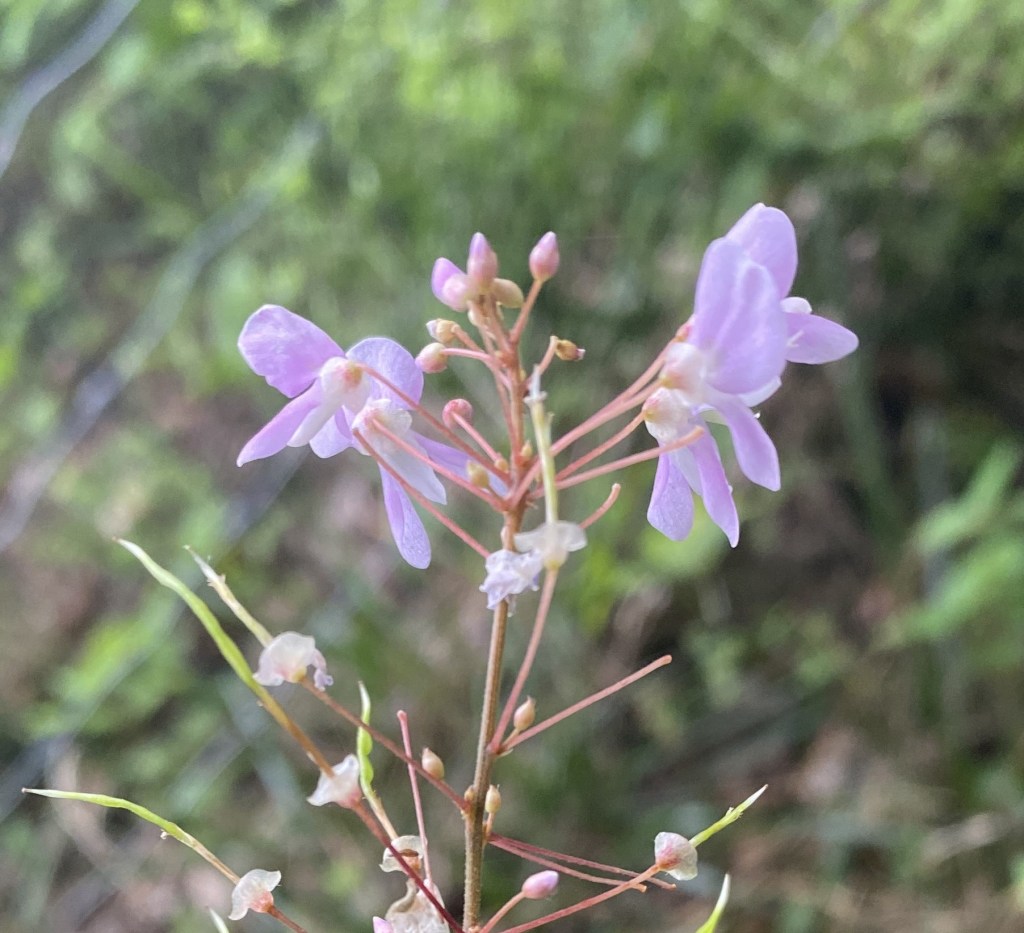
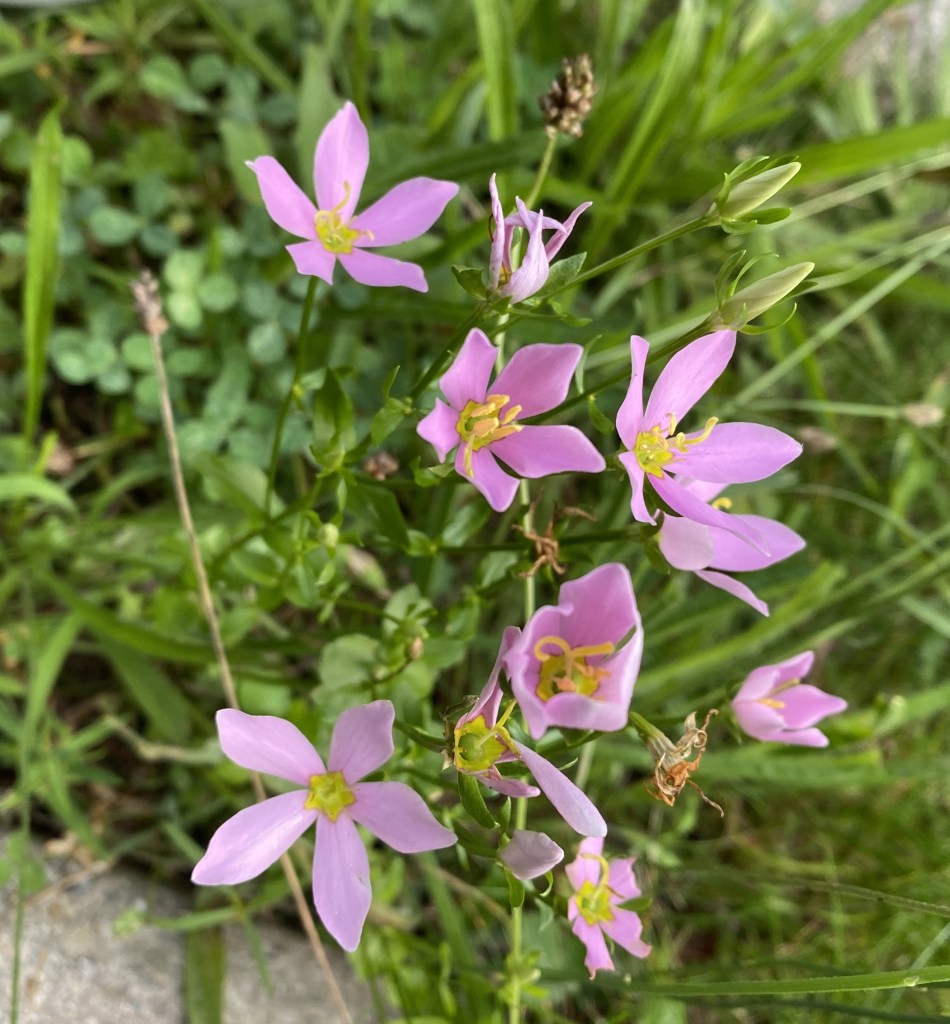
I can’t believe it is the beginning of August. But the woods are full of late summer wildflowers and mushrooms. Here are some examples:


Starry campion Silene stellata
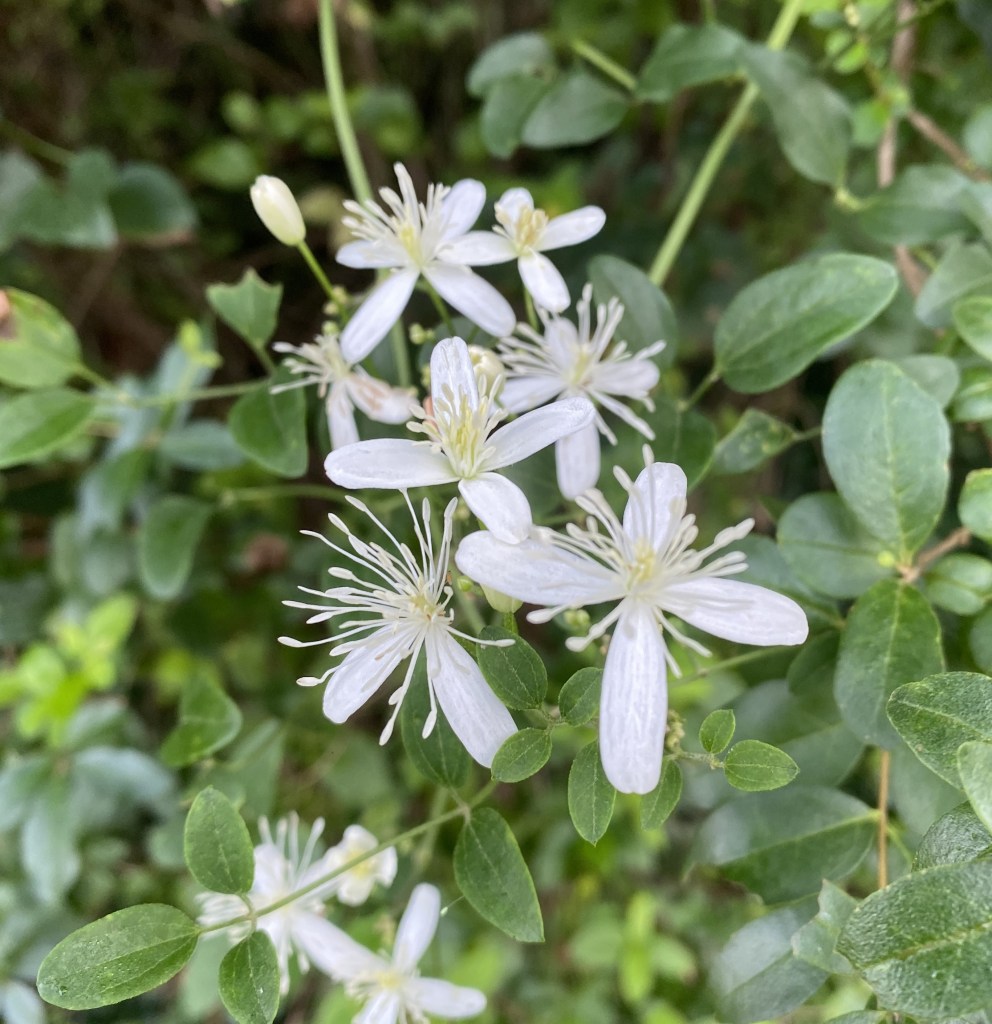
Virgin’s bower Clematis virginiana
I can’t believe it is the beginning of August. But the woods are full of late summer wildflowers and mushrooms. Here are some examples:
Starry campion Silene stellata
Virgin’s bower Clematis virginiana
A shady haven
I’m going to change things up a bit for my blog and feature special gardens, special gardeners, and special gardening techniques in addition to cooking from the garden.
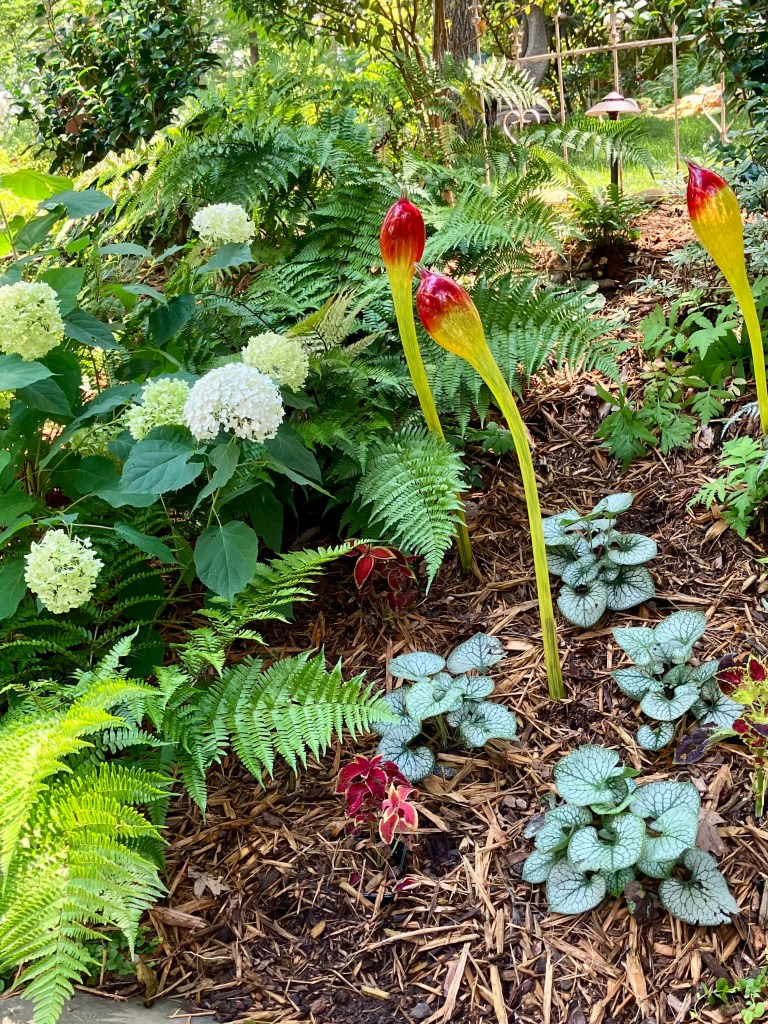
One of the best finds right now is my friend Venny’s garden. She is an artful shade gardener and has a spectacular landscape. Here is her description of her garden!
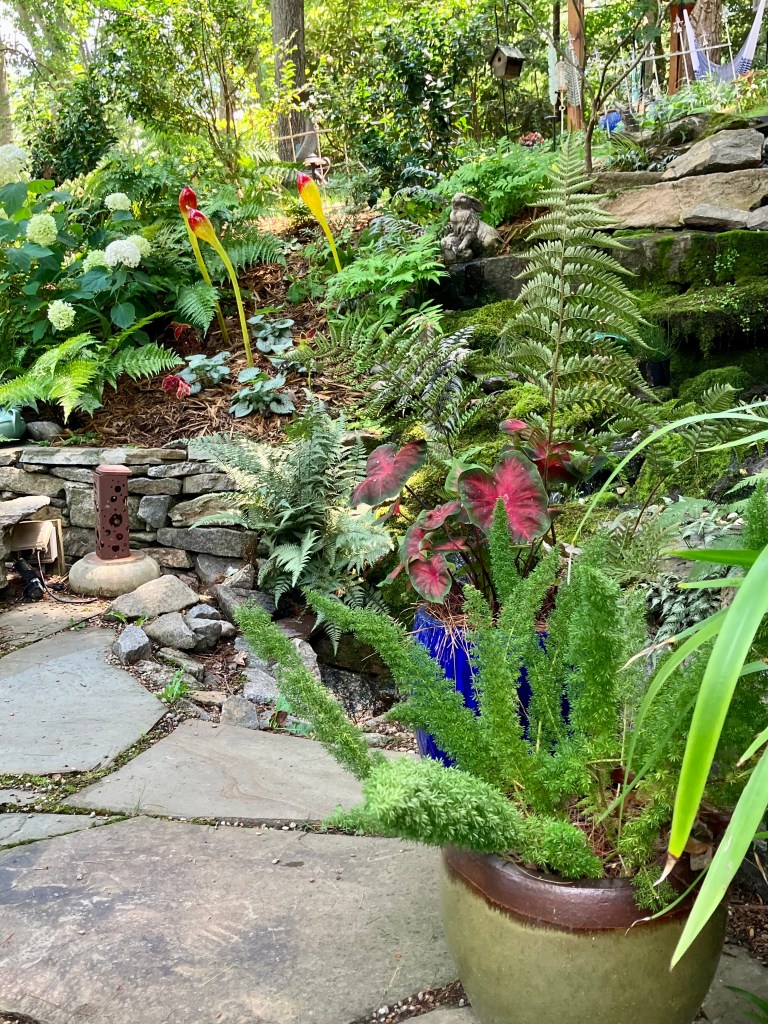
Greetings from Asheville!
I’m Venny and I am passionate about gardening. In the last 30 years I have lived in the southwest, the southeast, the mid-Atlantic Appalachian mountains of Maryland, and now the foothills of the southern Appalachian mountains in Asheville. I learned, through trial and error, how to garden in each of these locations but adding color to my landscape was never an issue until now.
My north Asheville home sits on the slope of a hill, as most Asheville homes do, and the yard is almost completely shaded by trees of various species, ages and sizes. Over the years I have thinned out some trees to open an area for a small plot of pollinator plants and a woodland area for native azaleas. But in the summer months there is little color variety – mostly shades of green.

After spending years of buying sun-loving annuals and having them languish, I have now learned how to use different shades of green to add color and texture.
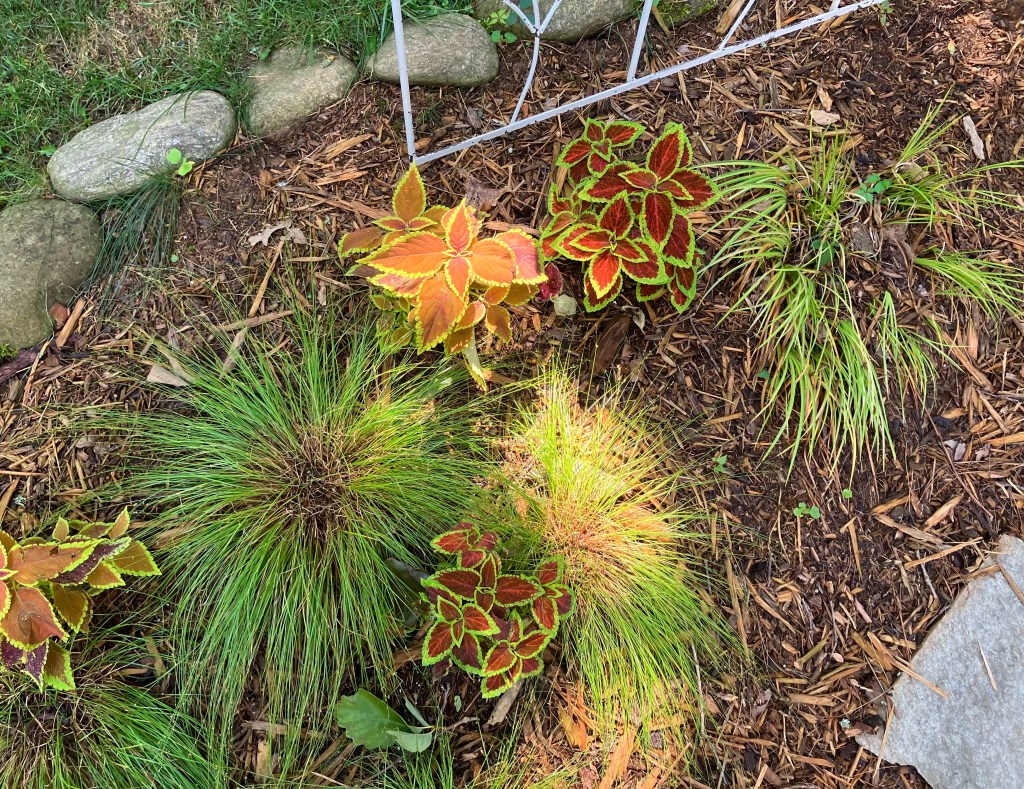
I line the edges of my garden with shade-loving variegated or chartreuse perennials. I love using hostas and am drawn to the variegated ones, in white, cream and gold, for their color. I also use chartreuse-colored Japanese forest grass (Hakonechloa) and striped sedges (Carex) to add light and texture.
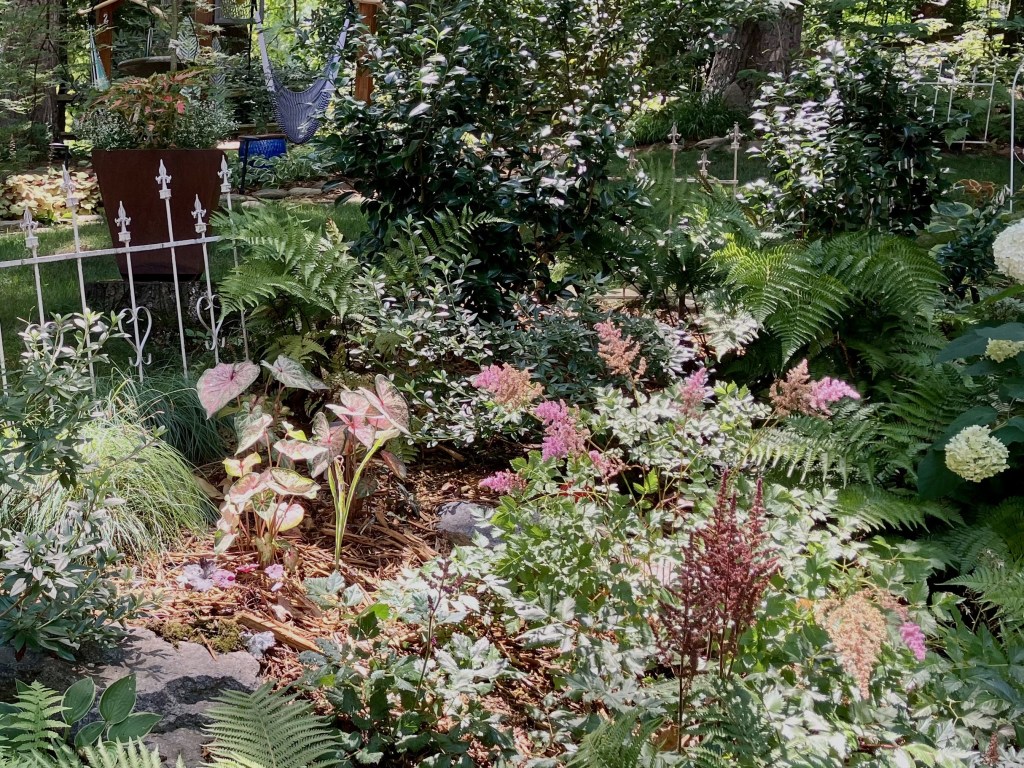
I’ll drop in some caladiums and coleus for spots of color. Then, some yard art (not elves or flamingos, please) and colored pots of shade-loving annuals, and the shade garden is now filled with color and whimsy.
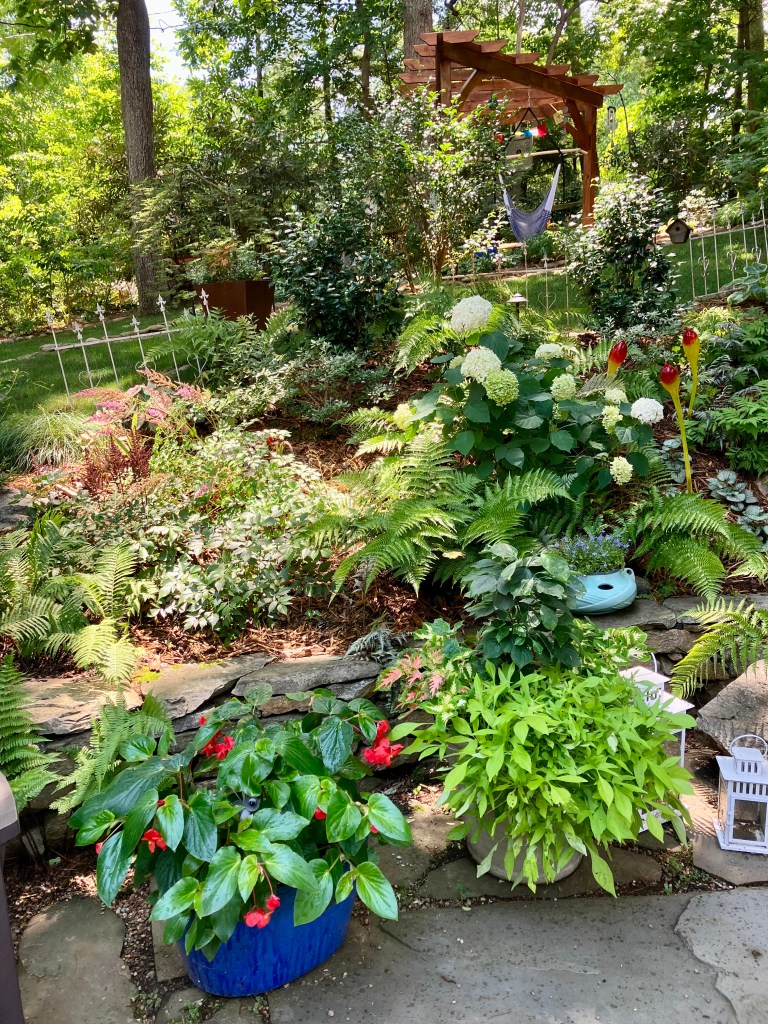
Shade gardening has been, for me, one of the most challenging types of gardening to learn, and adding color to a summer shade garden has turned into a fun annual activity.

In this high season of summer, it’s natural to write about what’s inspiring right now. Mostly summer vegetables and beautiful gardens. Squash, tomatoes, eggplant, cucumbers.
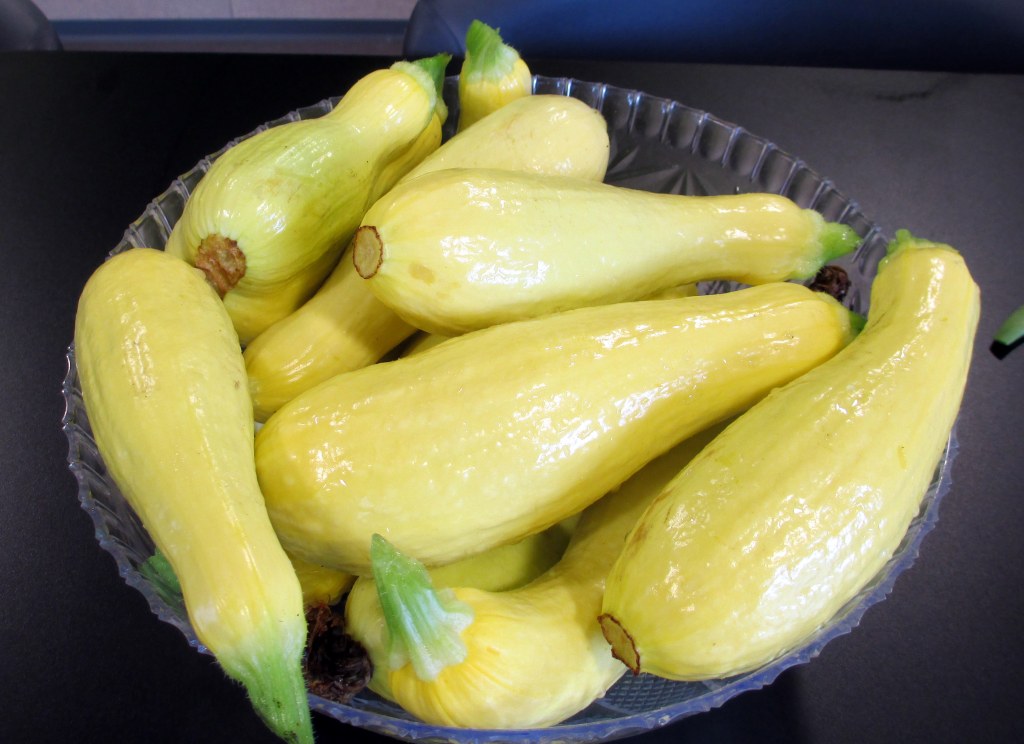
Summer squash, tomatoes and eggplant are delicious in a simple layered dish cooked quickly to keep the kitchen cool. Layer with rich cheese, dust with panko and parmesan, and voila – you have dinner!
Puree fresh tomatoes, cucumbers and peppers to make a delicious gazpacho. Season with a chili and garlic, and drizzle with good olive oil and sriracha for a cool, filling drink or soup to start your meal.
For a little more complicated squash dish, my favorite:

Summer Squash Cheese Custard
2 large yellow squash, sliced into ½-inch rounds (about 4 cups)
1 medium onion, coarsely chopped
1 large clove garlic, chopped
3 ounces goat cheese or other cheese, grated
¼ cup cornmeal
2 eggs, beaten
1 cup milk
3 tablespoons chopped fresh dill, plus sprigs for garnishing
1 teaspoon kosher salt
½ teaspoon freshly ground black pepper
Preheat the oven to 400°F. Steam the squash until tender. Saute onion and garlic until tender.
Drain squash. Add all ingredients to a blender and puree until smooth. Pour into an 8-by-8-inch baking dish or 6 individual ramekins that have been coated with cooking spray. Bake at 400°F for 40 minutes (35 minutes for the ramekins) or until golden brown on top. Serve warm or at room temperature.
June 5, 2022

Keep It Simple (the implied other S is for stupid which I don’t think is nice or appropriate).
I’ve been overwhelmed recently with the intensity of some recipes, mostly because they complicate cooking. The other day a recipe crossed my desk from one of the blog sites I visit. It sounded like a delicious dish. But it had twenty-three ingredients! I immediately dismissed it, but then went back to it and realized that it was mostly a list of seasonings. The actual food ingredients were only three.
I understand that when publishing a recipe it’s important to list everything that will be used. But so often a huge list is discouraging. And I want you to cook! So, I like to keep my recipes as simple as possible, with whatever fresh ingredients you can manage to get or grow.
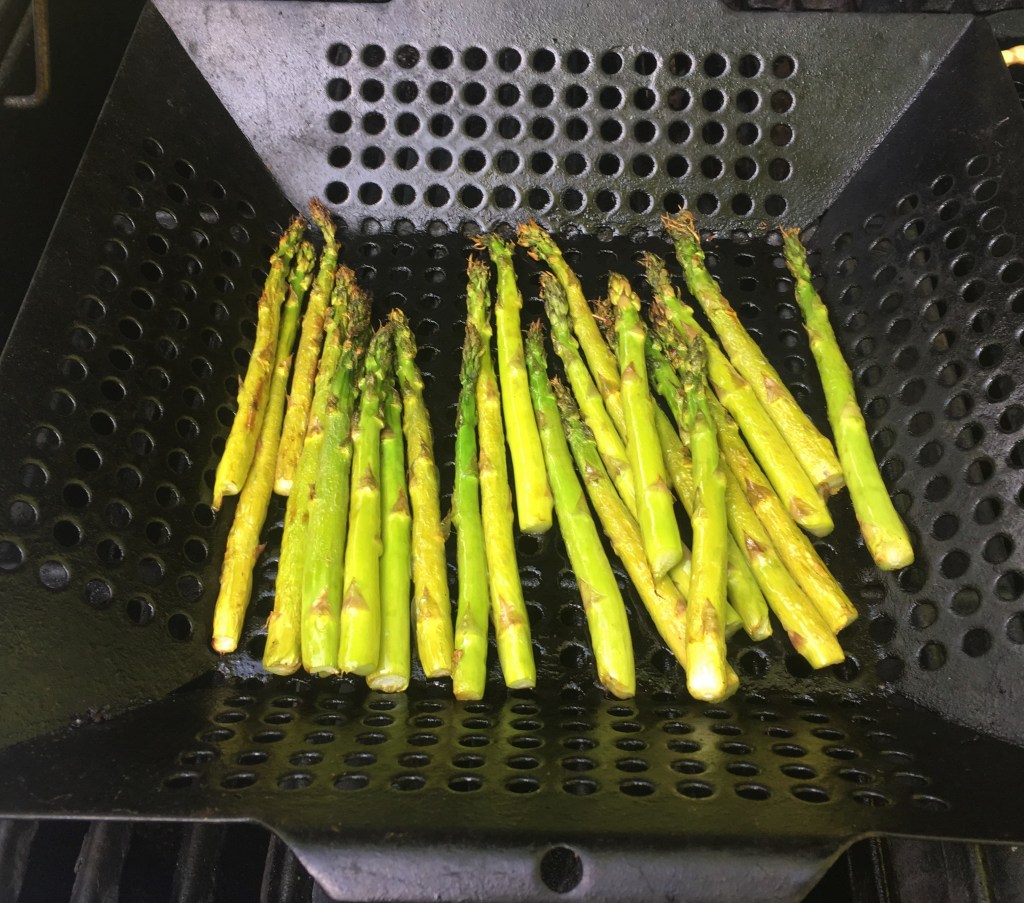
Fall and winter chilis and stews certainly call for a more extensive list of ingredients, but summer is a time to simply roast or grill a zucchini and sprinkle with parmesan, slice garden tomatoes and douse with balsamic, grated garlic and torn basil leaves, or toss fresh roasted asparagus and eggplant cubes over hot pasta.
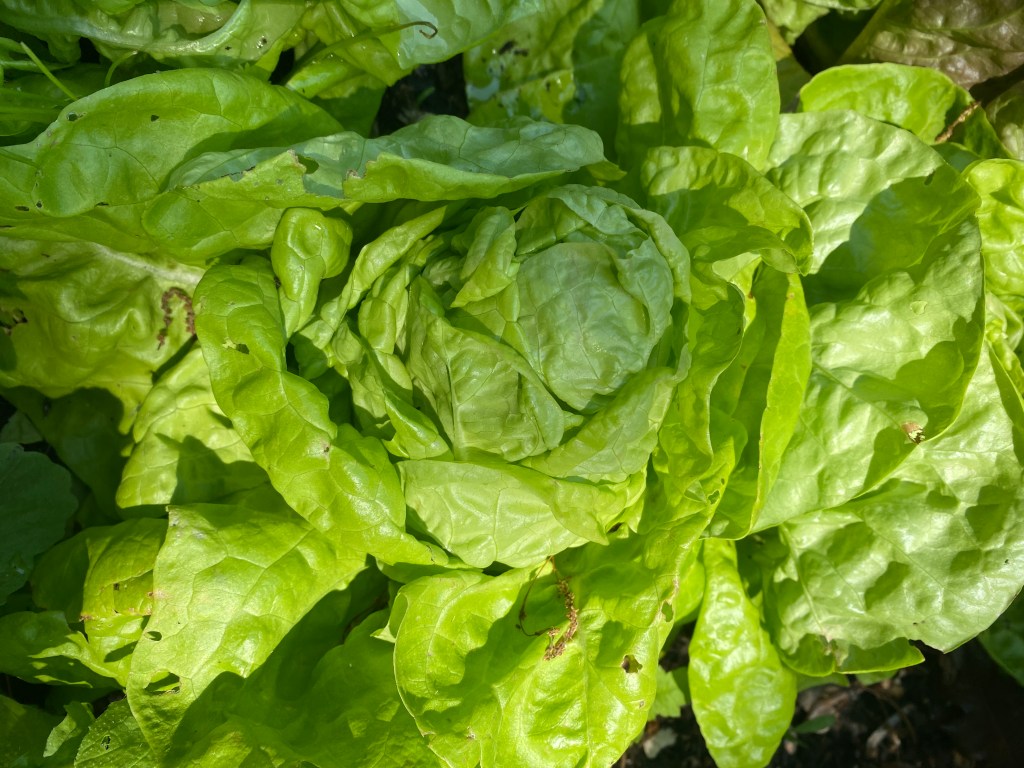
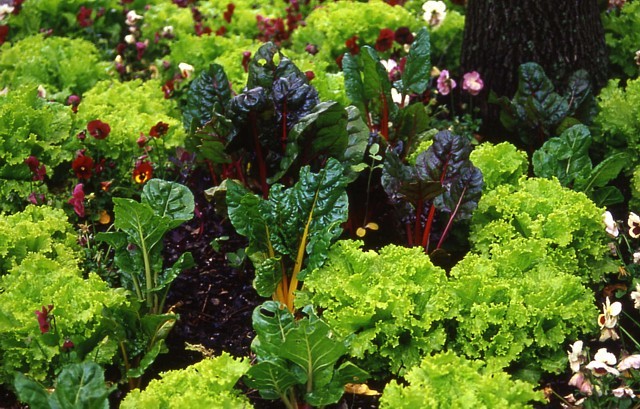
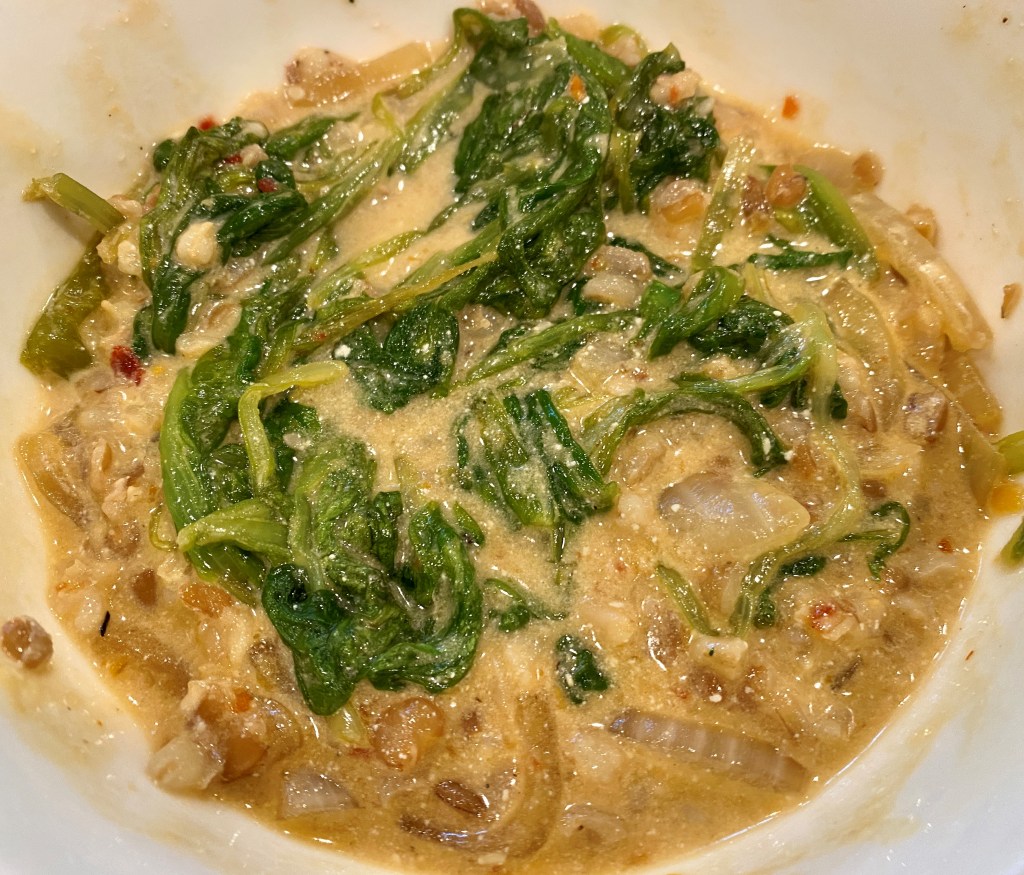
In my garden, lettuce is bolting so I harvested all that was left, and after offering some to neighbors, made a saute of lettuce and onion served over rice. Yes, you can cook lettuce.
Sauteed lettuce over rice
4 cups of torn or chopped lettuce (or any green – kale, chard, turnip) – This sounds like a lot but it cooks way, way down
1 T. sesame oil or olive oil
2 T. chopped onions
1 c. cooked rice (or any cooked grain – bulgur, quinoa, farro)
Seasonings of choice:
I like spicy so I use sambal olek (garlic-chili paste), maybe some hoisin sauce, soy sauce. I also like to finish off with a couple of tablespoons of greek yogurt or sour cream to make it creamy.
Start with a large pan because of the bulk of the lettuce. Saute the lettuce in the sesame oil, stirring frequently until it is wilted. Stir in the rice and seasonings and heat gently. Stir in seasonings and sour cream if using.
May 16, 2022

May 10, 2022

May 2, 2022

Week of April 24


 Kate's Garden Kitchen
You must be logged in to post a comment.