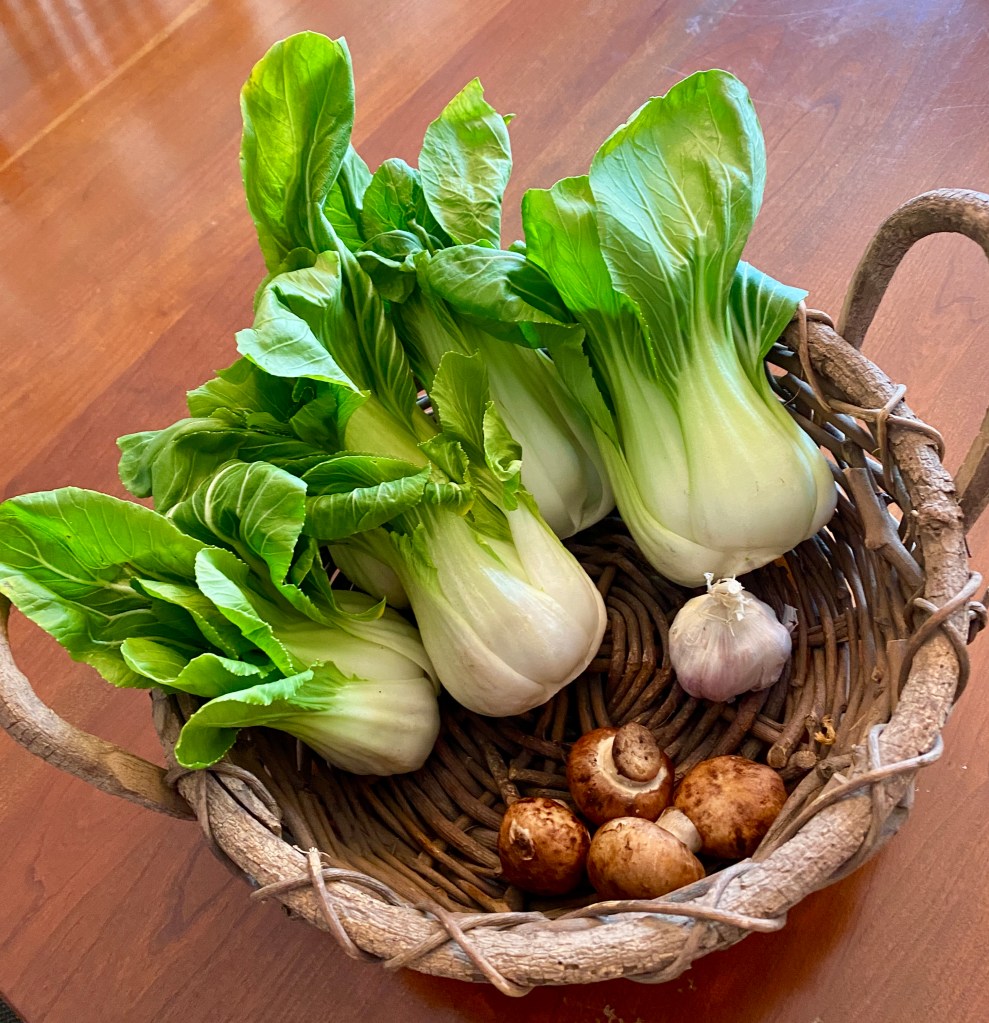
If vegetables had personalities, bok choy would be the effortlessly cool friend who shows up everywhere, gets along with everyone, and somehow makes the whole group better. Mild, crunchy, and endlessly adaptable, bok choy is one of those greens that quietly earns a starring role once you start cooking with it.
Texture
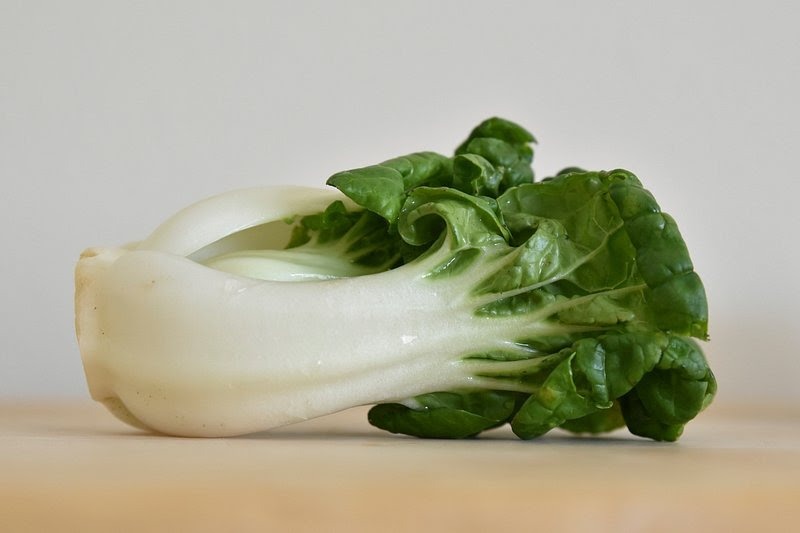
This is truly bok choy’s superpower. The pale green stems stay delightfully crisp when sautéed or roasted, while the darker leaves soften into tender silkiness. One vegetable, two textures, zero boredom. It’s a built-in upgrade for stir-fries, soups, sheet-pan dinners, and even salads.
Flavor
Bok choy is gently sweet and clean, without bitterness or heaviness. That makes it a culinary chameleon: it soaks up garlic, ginger, miso, lemon, olive oil, chili crisp, or Parmesan.
Whether your cooking leans Asian-inspired, Mediterranean, or cozy American comfort food, bok choy fits right in without demanding the spotlight. From a nutrition standpoint, bok choy punches well above its weight. It’s rich in vitamins A, C, and K, offers calcium for bone health, and delivers fiber without being dense or starchy. In other words, it’s nourishing without feeling like “health food.” You can eat a generous portion and still feel light, energized, and satisfied.
This is a vegetable for real life. It cooks in minutes, making it perfect for weeknights when you want something fresh but don’t want to spend time hovering over the stove. A quick sauté, a fast roast, a brief simmer in broth—and dinner suddenly feels intentional.
Bok choy is also wonderfully budget- and waste-friendly. The entire plant is edible, from stem to leaf, and it keeps well in the fridge. Baby bok choy feels elegant enough for guests, while full-sized heads are hearty enough to anchor a family meal.
Perhaps its best feature is how bok choy makes meals feel bright and alive, even in the middle of winter. Its juicy crunch and vibrant green color bring freshness to the plate when other vegetables feel tired or heavy. In short, bok choy is dependable, flexible, and quietly exciting—exactly the kind of ingredient that turns everyday cooking into something a little more joyful. If it’s not already a regular in your kitchen, consider this your friendly nudge to invite it in.
Garlic–Ginger Bok Choy
1–2 heads bok choy, sliced (separate stems and leaves)
1 T. olive or avocado oil
1–2 cloves garlic, minced
1 t. fresh ginger, grated
Splash of low-sodium soy sauce or tamari
Optional: sesame oil (½ tsp)
Heat oil over medium. Sauté garlic and ginger for 30 seconds. Add stems first; cook 2–3 minutes. Add leaves and soy sauce; cook until just wilted. 5. Finish with a few drops of sesame oil.
Roasted Bok Choy with Lemon & Parmesan
Bok choy halved lengthwise
Olive oil
Salt, pepper
Lemon zest + squeeze
Optional: grated parmesan or pecorino
Drizzle bok choy with olive oil. Roast at 425°F (220°C) for 12–15 minutes, cut side down. 2. Flip, roast 3–5 minutes more. 3. Finish with lemon and a light sprinkle of cheese.
Bok Choy & Mushroom Stir-Fry
1 head bok choy, stems and leaves chopped separately
1 T. olive oil
1/2 c. sliced mushrooms (shiitake or cremini)
1 clove garlic, minced
1 T low-sodium soy sauce
1 t. rice vinegar
1/4 c. scallions, sliced
Stir-fry mushrooms in oil until browned. Add garlic and bok choy stems and saute 2-3 minutes. Add leaves, soy sauce, and vinegar. Serve over cooked brown rice or farro. Sprinkle with scallions.
 Kate's Garden Kitchen
You must be logged in to post a comment.