
I love the concept of bartering. It’s such a simple way of adjusting the pace of living, giving something you have in exchange for something you need without money changing hands. It just feels like a healthy way to develop a sense of community as neighbors get to know neighbors. And it takes our focus away, even if only for a little while, from earning power and the bottom line.
I have a wonderful memory of my mother striking up a conversation in the produce section of a grocery store. While squeezing melons, she and another woman started out by talking about their gardens and they ended up sharing fruit. My mother provided a bushel of peaches and she received a bushel of apples in return. Both women’s larders are now full of canned peaches and apple butter. Even better, the two are now friends.
Making lists

I’ve challenged myself to see just how many things I can barter for. I started by making a list of all I have to offer, material things as well as things I can do. I even listed those things I tend not to think of as marketable such as lawn mowing, sewing and bread baking. After making this list, I whittled it down to things that I like to do. Sure, I can clean bathtubs and cut grass, but who wants to? I know myself well enough to know that if I don’t enjoy doing something, I won’t feel good about the barter and my exchange system will fall apart.
To start bartering, it’s taken me a lot of courage to step forward and start conversations with a stranger. It also takes nerve to open up and talk about who you are and what you do. But the outcomes can be so rewarding, not only in a bartering milieu but also with the people I’ve gotten to know and the friendships that have developed along the way.
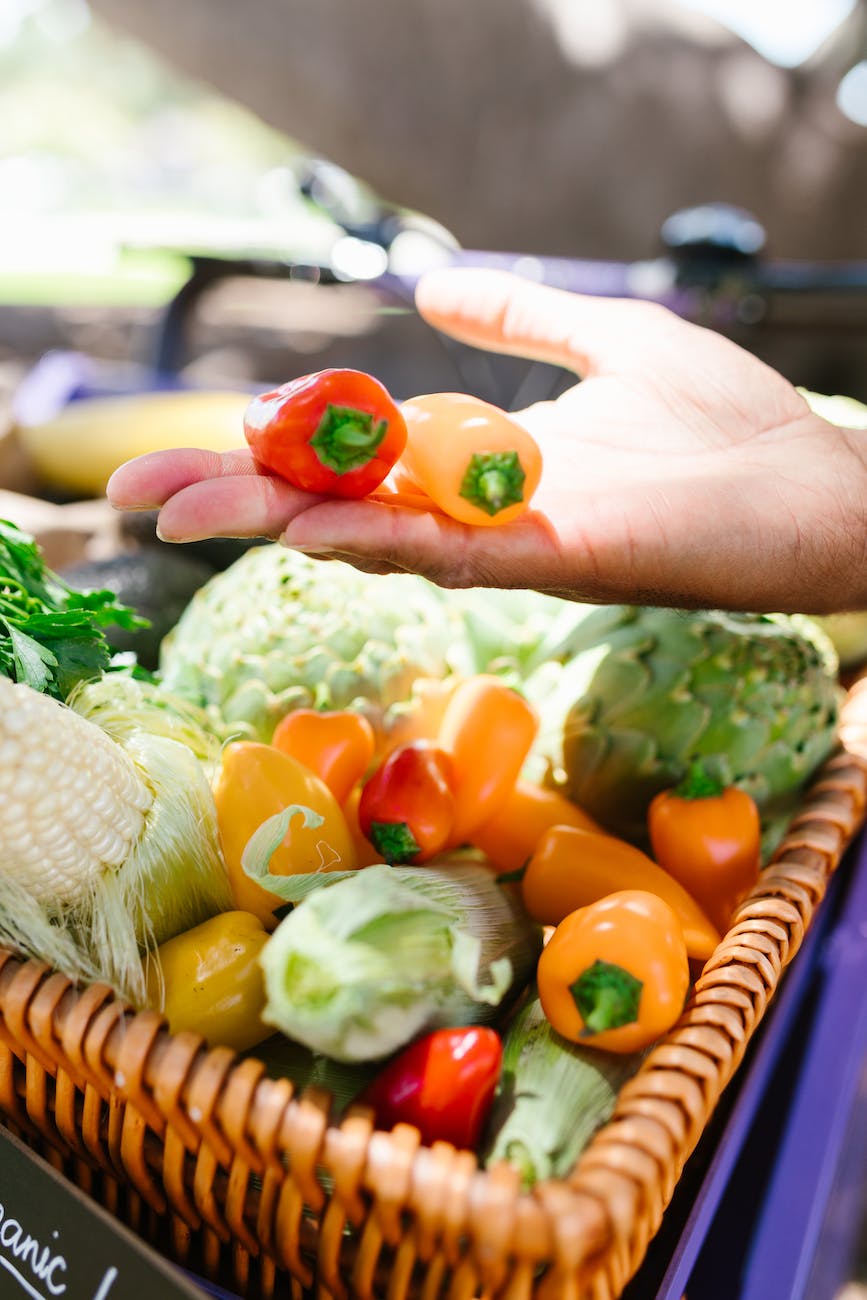
Start at the farmers’ market
A great way to get started is by frequenting the places where gardeners hang out. Whether at the farmer’s market or the local garden center, if you begin talking to the people there, you’ll find there is a natural exchange of information that can be the start of a trading network.
Share your garden
Another natural starting point is with your neighbors working in their yards. People who garden love to talk about their gardens and most also love to share. I would bet that very few gardens that I’ve visited are comprised solely of plants and seeds that were purchased. Sure, I bought some of the plants in my garden, but the majority are trades with other gardeners.

Perhaps you know someone who is no longer physically able to tend a garden, but who does superb lawn mower repair. Or how about exchanging herbs and garden produce with someone who has no garden, but can watch your children one afternoon a week? I like to grow seedlings, so I always add a few more for a friend who repairs my trellises.
It also helps to remember that not all trades have to be for tangible things. Offer to make someone dinner if they will sharpen your pruners and grass shears. Or perhaps merely an offer of a visit gives both you and a friend the pleasure of relaxing conversation. Sometimes the joy is simply the benefit of giving—and not receiving anything tangible in return.
Stay with it
The key to making the system work is to be clear about what you can and cannot do. Don’t be discouraged if you initially receive some negative responses. Keep searching and talking and eventually, you will be on your way to a pleasant exchange. It’s a bit idealistic to think that every service and good you need can be bartered for, but even a few exchanges can make life a little simpler and increase the social network that is so important to mental health.
 Kate's Garden Kitchen
You must be logged in to post a comment.