Delicious Herbs!

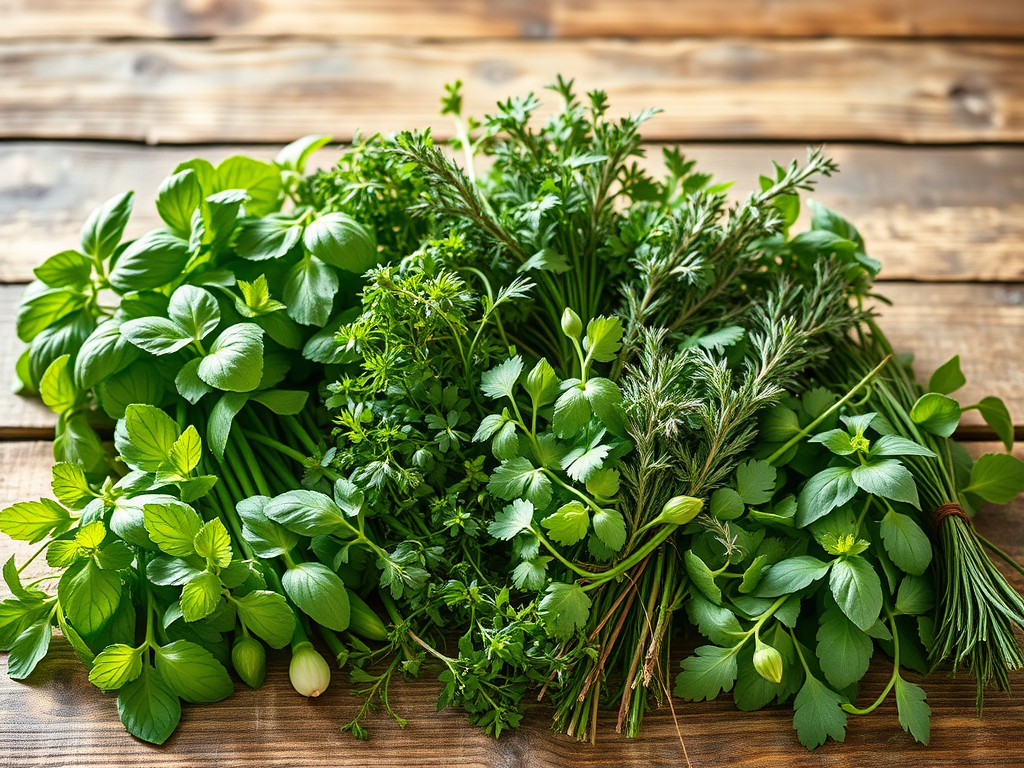
It’s the time of year to celebrate herbs. They are coming in at a crazy pace, so I have my dehydrator running almost non-stop. Fresh and freshly dried herbs and herb mixes add special nuance to freshly prepared foods that will take your cooking to a new level. And they are so easy to grow.

Basil

Delicious when used fresh in pesto. The pesto can be frozen for a burst of flavor all winter (freeze in ice cube trays). Be sure to try lemon and cinnamon basil for a new take on pesto. Dried basil is a staple for chicken soups and stews, and on roasted potatoes.

Chives add essential freshness to salads, potatoes, and even stir-fries. Don’t be tempted to dry them as they usually end up tasting like grass with onion overtones. Instead, chop them fresh and put them in the freezer. They will keep their spring flavor.

Cilantro

Lovely fresh addition to salsas and soups, but unfortunately, there’s not much you can do to preserve it. I’ve tried dehydrating, freezing in water, and freezing in oil. None of these methods preserves the flavor. You’ll just have to rely on the grocery or grow some on your windowsill.

Marjoram

A very floral but quite strongly flavored cousin to oregano. It is an essential component of Mediterranean herb mixes. It’s a delicate plant, and I find it hard to grow enough to preserve. I rely on my local coop, where I can buy in bulk to make my mixes.

I have a love-hate relationship with oregano. It is too strong for my tastes. However, it is still a main ingredient in Italian and Provençal herb mixes. So, I do dry it.

Its scent instantly makes my mouth water for roasted potatoes. It is a beautiful addition to focaccia, roasting meats, and green beans. If you dry it, pulverize it before using, or you will have a dish with hard little unpalatable sticks. 
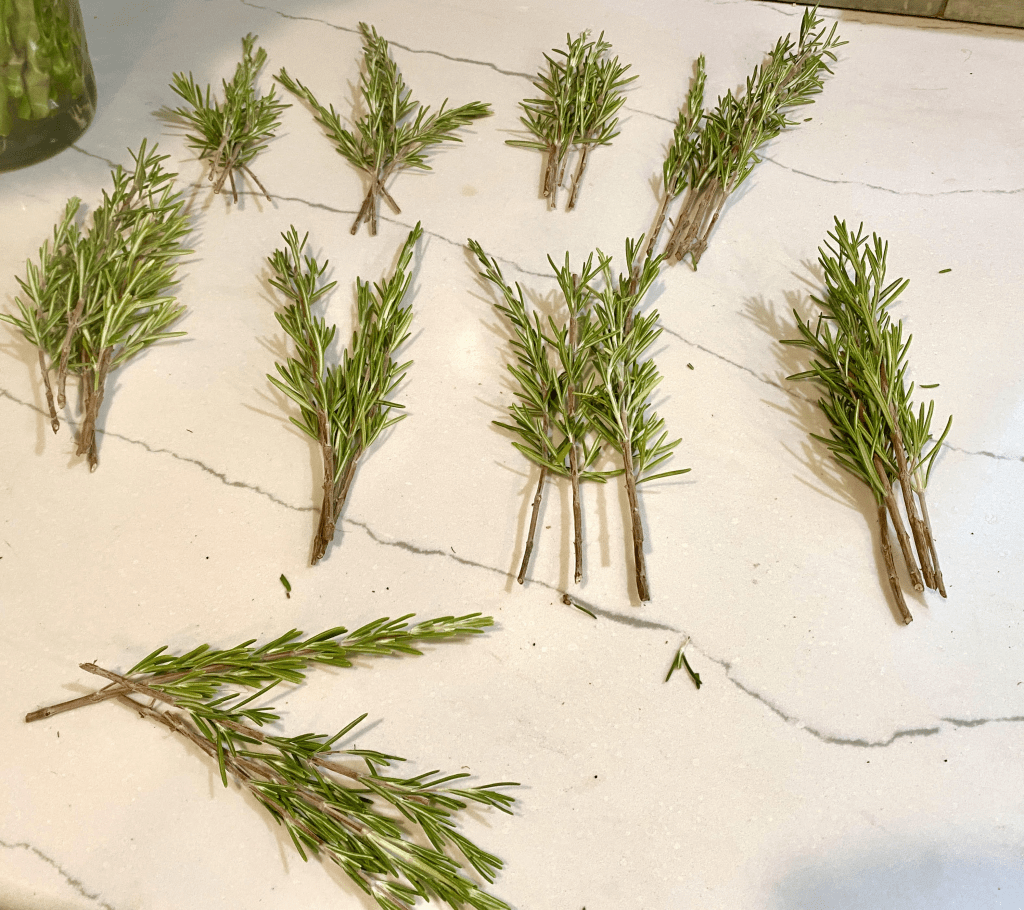
Rosemary cuttings

I dry some of this for herb mixes and Thanksgiving stuffing. Otherwise, it is pretty strong. Although I did discover fried sage leaves this year – a perfect accompaniment to roasted winter squash.

Fresh thyme lends a lovely essence to vegetable and meat dishes; dried thyme is key in many marinades.

My favorite herb mixes:

Creole Seasoning – make dirty rice or season blackened fish

2 ½ T. paprika 2 T. salt 1 T. garlic powder 1 T. black pepper
1 T. onion powder 1 T. cayenne pepper 1 T. dried oregano 1 T. thyme

Italian – essential taste of Italy for spaghetti sauce or delicious on roasted potatoes

¼ c. oregano ¼ c. basil 4 t. garlic powder 4 t. thyme 4 t. rosemary
4 t. chili flakes 4 t. marjoram 4 t. paprika

Mediterranean mix – marinate fish or roast potatoes and other vegetables such as eggplant, zucchini, green beans

1 T. garlic powder 1 T. basil 1 T. oregano ¾ T. salt ½ T. dill
½ T. onion powder 1 t. rosemary powder 1 t. black pepper 1 t. thyme ½ t. marjoram

Mexican – excellent for tacos, burrito bowls, Mexican street corn

1 T. oregano 1 T. chili powder 1 t. cumin 1 t. coriander 1 t. bay leaf
1 t. paprika (smoked or plain) 1 t. onion 1 t. garlic powder 1 t. salt

Mint – delicious and unusual addition to fruit salads

1 T. mint 1 T. marjoram 1 T. tarragon 1 t. lemon balm 1 t. rosemary 1 t. chili flakes

Ranch – use on fish, grilled potatoes, zucchini, and summer squash. Or mix into salad dressing

1 T. oregano 1 T. dill 1 T. ground black pepper 1 t. garlic powder 1 t. thyme

Potager or Kitchen Gardens

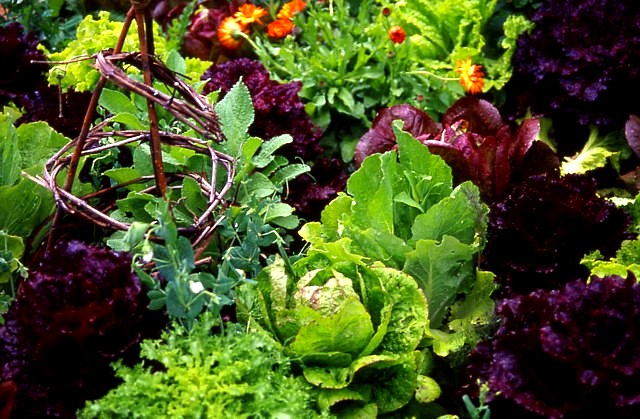
Red and green lettuces planted with violets and swiss chard

What exactly is a kitchen or potager garden? In essence, these trendy terms basically describe a garden filled with vegetables, herbs and fruits. All food gardens are technically kitchen gardens, but this term is often used for a garden planned for beauty as well as function. 

Potager garden

peas, radicchio and calendula flowers

Kitchen gardens have been around for hundreds of years. The French call it a potager garden, coming from the word potage for soup. Faced with usually small garden spaces, they have learned to grow enough vegetables to feed their families. And flowers to cut for the table. 

Cottage garden

British cottage gardens include ornamental plants combined with all manner of vegetables, fruits and herbs. They’re filled with lettuce, chard, sweet peas supported on twig trellises, and plump cabbages that are beautiful in their own right. Add the herbs such as purple leaf basil, lemon thyme and garden sage for cooking delectable dinners.

A kitchen garden can be precise and orderly, blowsy and tangled, or even a garden made up only of containers. But the effect is the same – vegetables and fruits grown with flowers and herbs, limited only by your imagination.

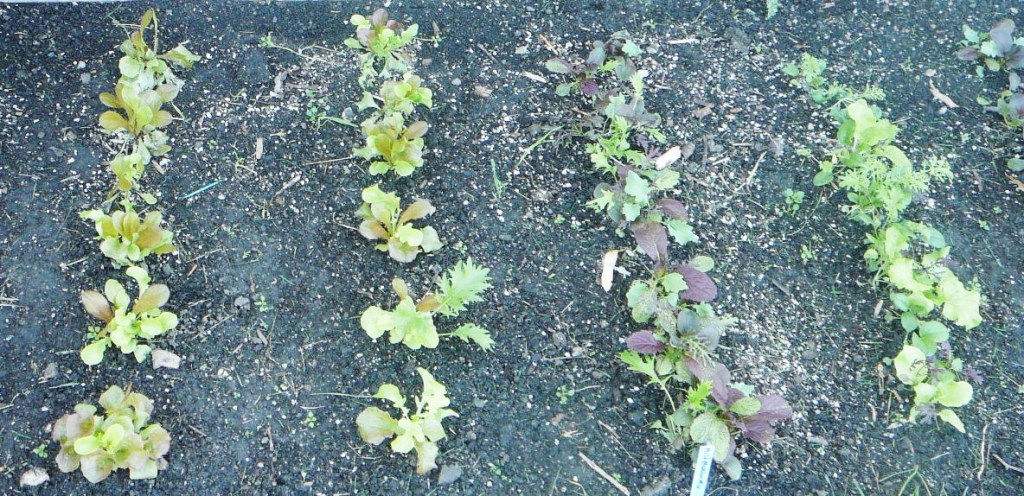
Lettuces and mesclun in rows for a potager garden

This type of garden is not used so much for large-scale production, canning and putting away for the winter, but more for immediate use in the kitchen. It can range from a small hanging basket of oregano and lettuce outside the back door to a full garden with roses, shrubs and perennials coupled with vegetables and herbs. Fruits and edible flowers certainly have a place here as well.

Why plant a kitchen garden?

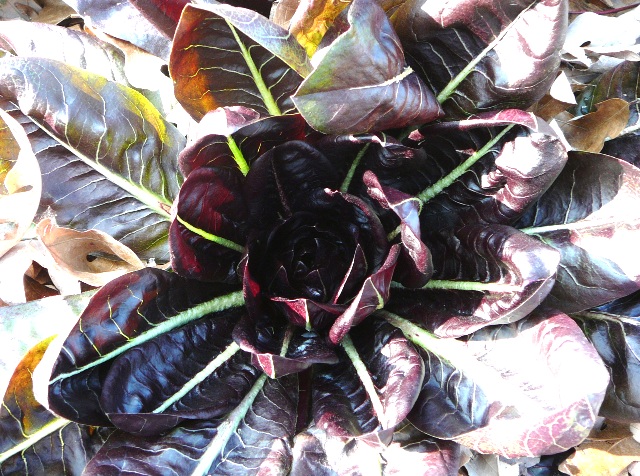
We are usually inspired to start a kitchen garden because we want to taste fresh food that’s not available at the market. There is nothing quite like picking and tasting your own ripe, perfumed melon or warm raspberries right off the shrub. Greens such as arugula, radiccio and mesclun are rarely available from the grocery or farmers market, but are amazingly simple to grow. Heirloom squash and beans are easily be grown in the home garden. 

Radiccio

The freshest food

We all love having beauty around us – that’s generally why we garden in the first place. Edible plants can be artistically combined with ornamental plants to create a beautiful garden that pleases eye and palate. 

Some vegetables that lend themselves to a smaller space garden: 

The vegetables

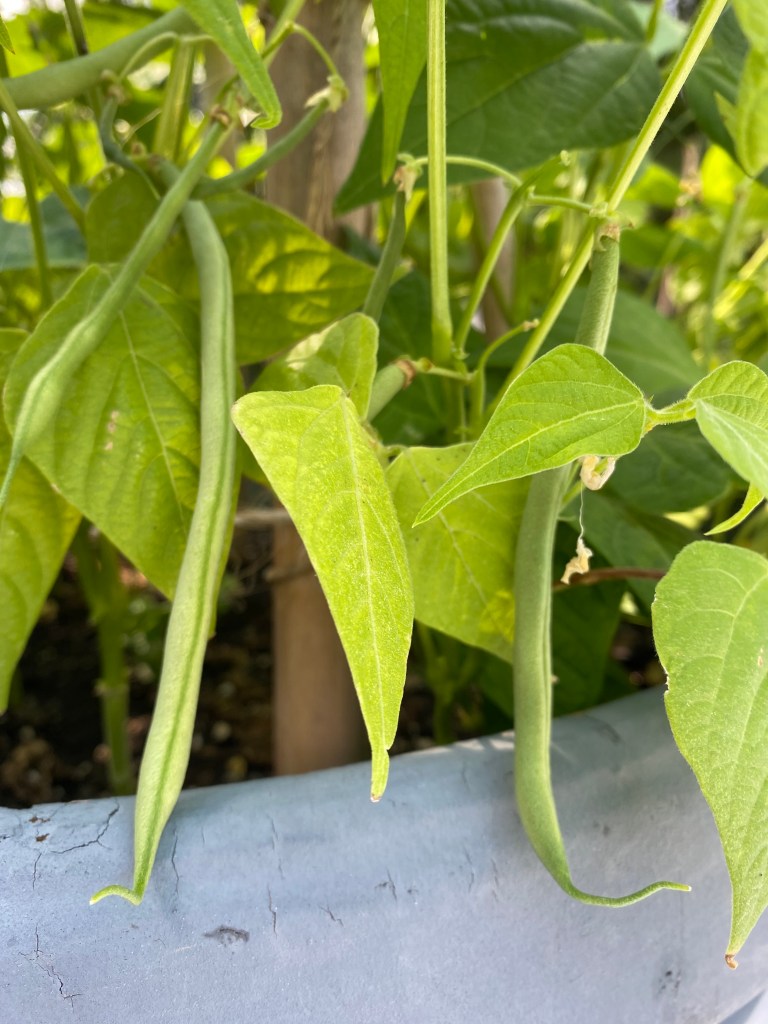
Green beans – Come in green, purple and yellow types, in bush or pole types which produce later in the season. Plant scarlet runners, purple and yellow wax beans together on a trellis for all spectacular accent. 

Haricots verts

Eggplant – These delicious fruits come in every color and shape imaginable, from white to yellow to striped lilac to red to black, and in oblong, round and cherry-tomato sized. The compact plants make beautiful accents with striking purple flowers, dusky green-purple leaves and jewel-like fruits.

Kale – This nutritious vegetable comes in a myriad of sizes, colors and leaf textures. Unlike the familiar flowering kale, the new varieties are sweet and tender, and come in all shades of blue, purple, pink and red. Best of all, they produce all summer.  

Winterbor kale, pretty as any flower

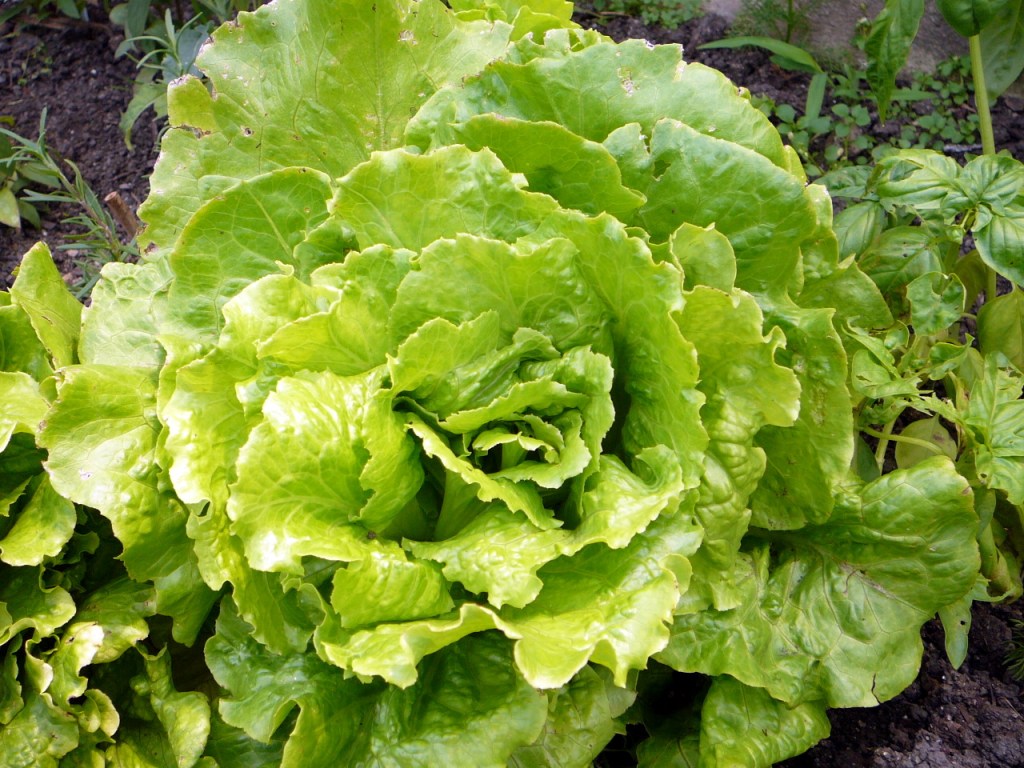
Lettuce – there is no end to the colors and textures, not to mention the countless types of greens mixes. These make beautiful bed edging and thrive in baskets.

Batavia lettuce

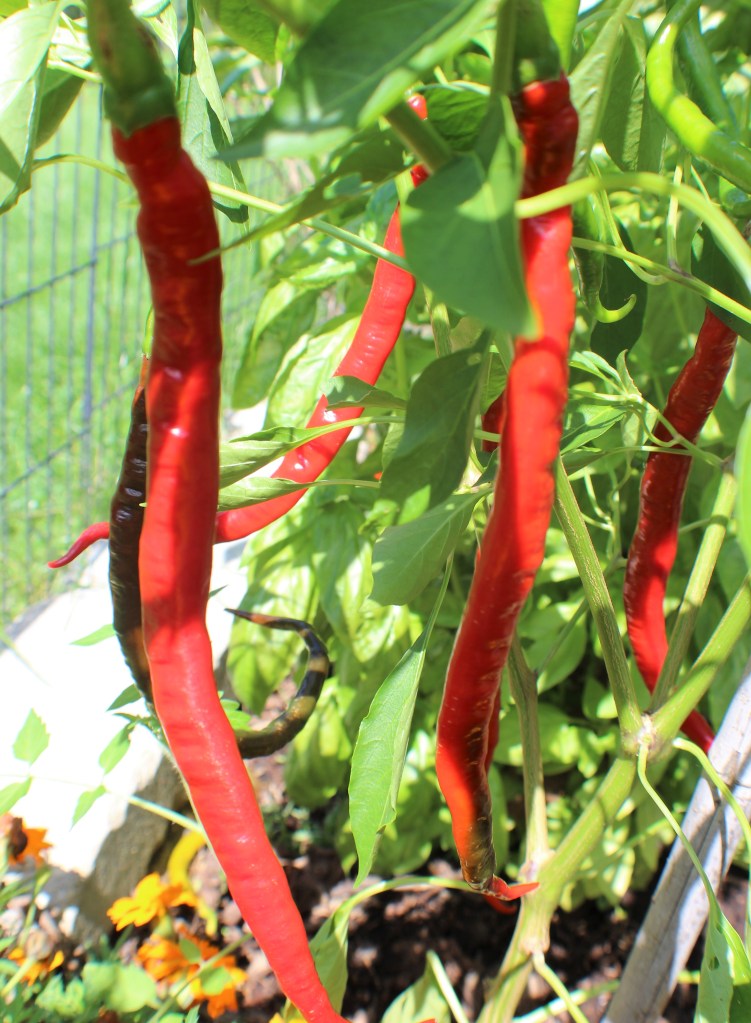
Pepper – Peppers come in all colors, shapes and sizes, jewel-like fruits hung on ornamental plants. Choose orange, red, white, purple or brown bell peppers, scarlet cayennes or jalapenos, tiny upright mirasols, rich golden bananas and cubanelles or even tiny but potent maroon scotch bonnets. 

Cayenne peppers

Tomatoes – Grow cherries on trellises or patio tomatoes in the ground or in containers. There are methods to prune and pinch and train them onto a single stake, taking up much less room than in a tomato cage. 

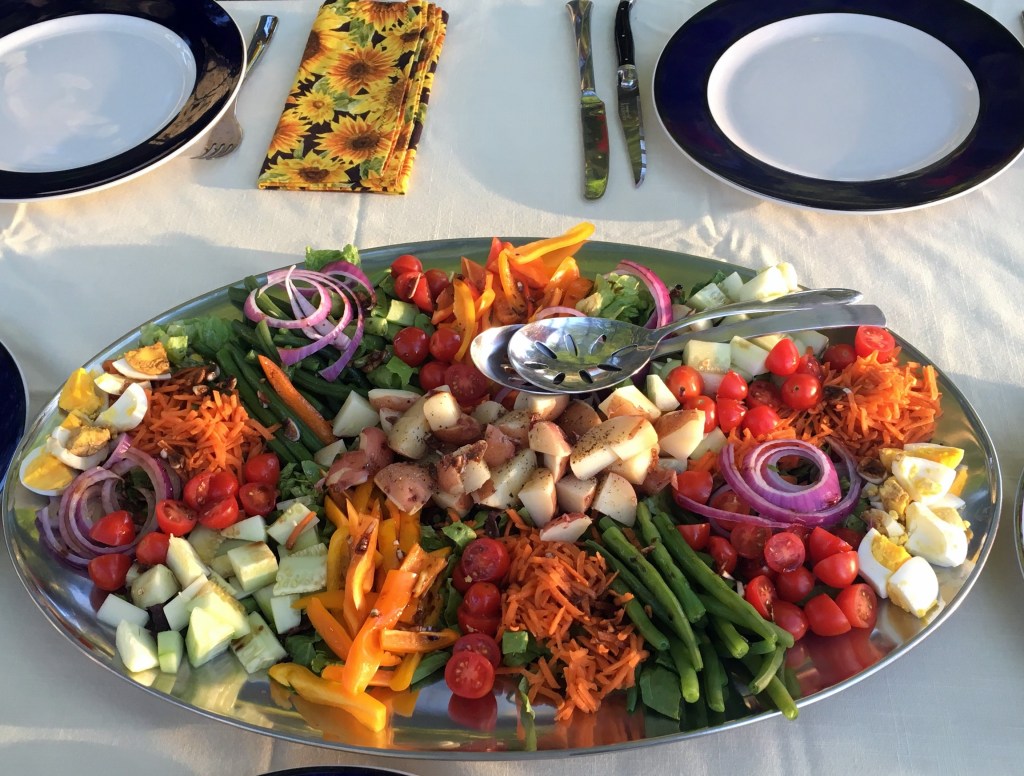
Classic Salad Niçoise

This salad is a classic French dish and can be adapted to any seasonal vegetables and your favorite vinaigrette. Add edible flowers like calendula petals, nasturtiums or violets to make it pop.

Your choice of vegetables: 

sliced steamed baby potatoes 

green beans

artichoke hearts

small cooking onions or scallions

hard boiled eggs

tomato wedges

sliced sweet peppers

grated carrots

cooked edamame

shredded beets

olives

capers

Set in rows on a bed of bibb; drizzle with vinaigrette of choice. 

You can also add seared tuna or grilled flank steak.