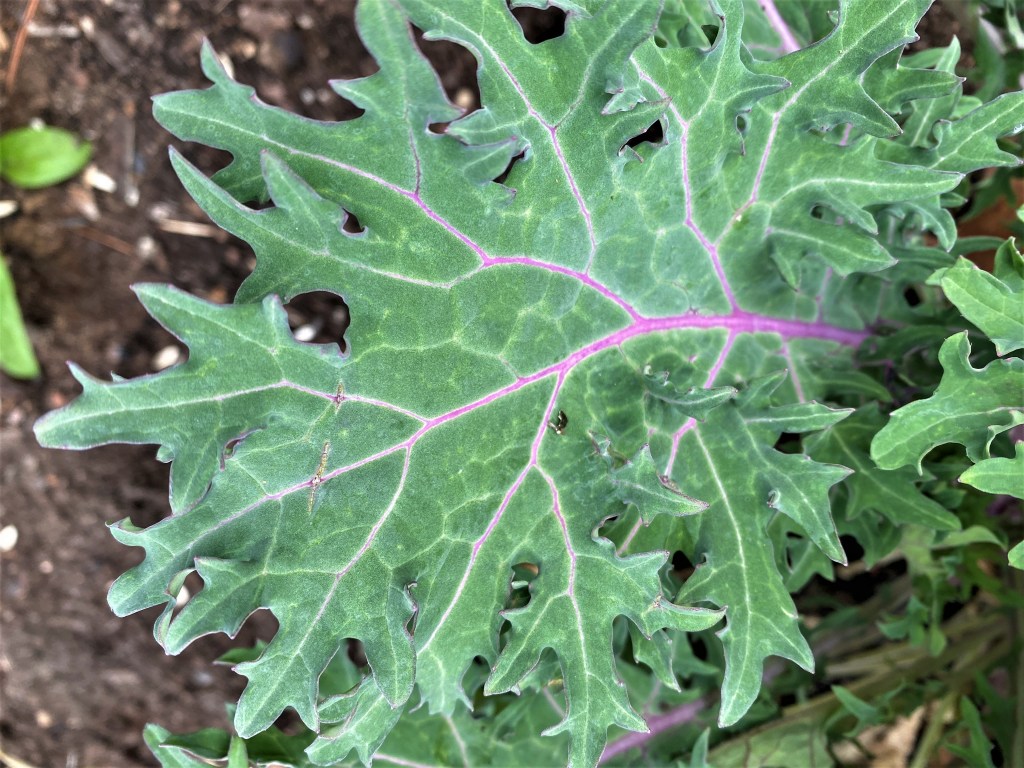
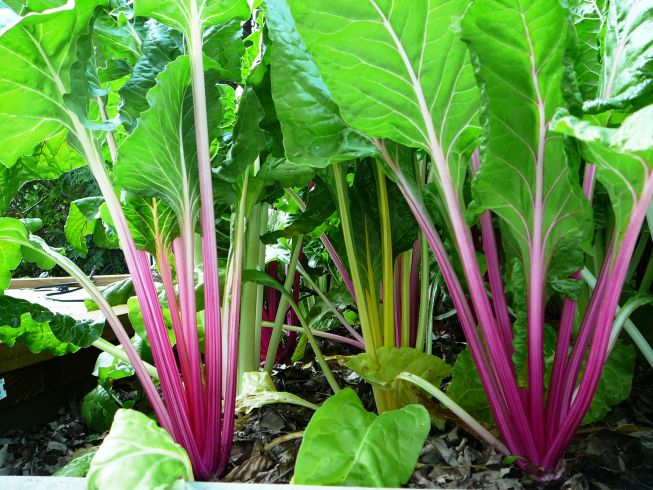
I was driving in a nearby neighborhood the other day, minding my own business, when an unusual sight caught my eye. In front of a typical suburban house was a sidewalk edged with a beautiful hedge of ruby chard.
There was no vegetable garden in sight. Behind the chard, a single tomato plant occupied the front flower bed, surrounded by a little basil and some marigolds. The chard was a beautiful accent to the house.
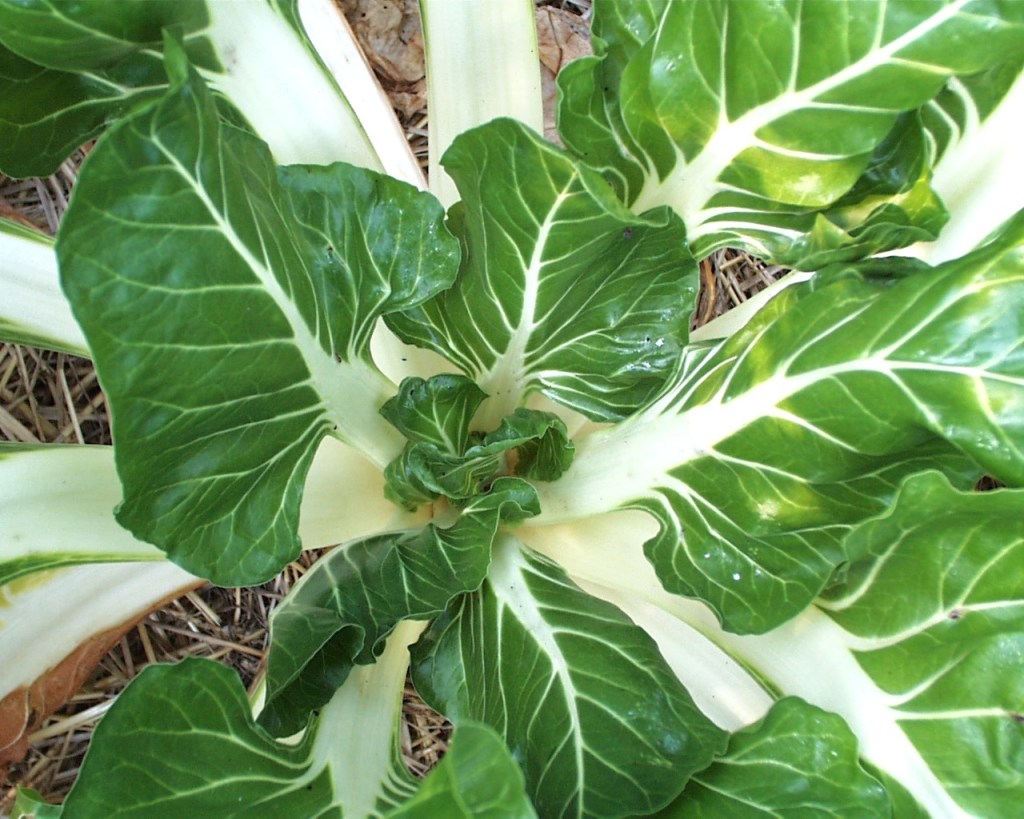
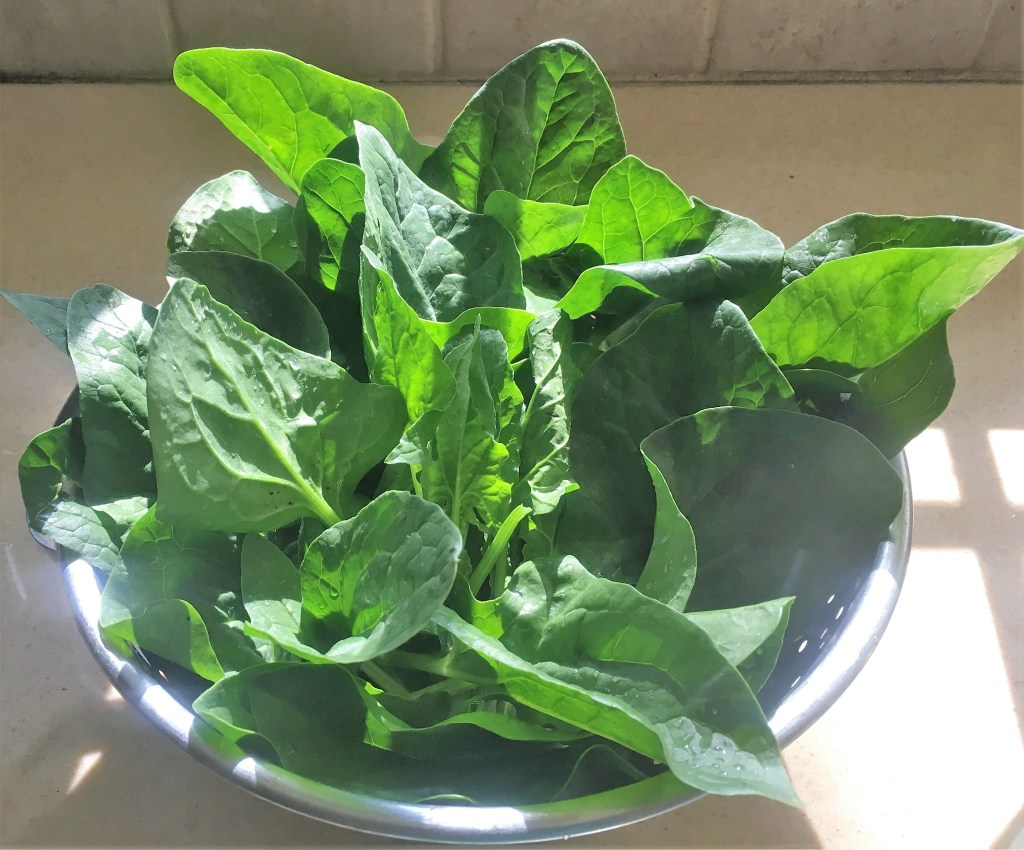
There is no reason why the summer kitchen cannot always be overflowing with greens. Once spinach and Chinese cabbage are finished in spring and the heat of summer begins to weigh on the garden, it’s time for the stalwart summer greens! Swiss chard is a humble vegetable, but one that has an unbelievable array of culinary possibilities. Also called silverbeet or seakale beet, it is technically a beet bred for its greens. It is simple to grow and monstrously productive.
Chard

I have grown all types of chard, including the remarkable multicolored varieties, but I tend to fall back on Fordhook Giant, a green type that is always reliable and prolific. It produces large, tender white stalks that are as tasty as the huge, deep green leaves.
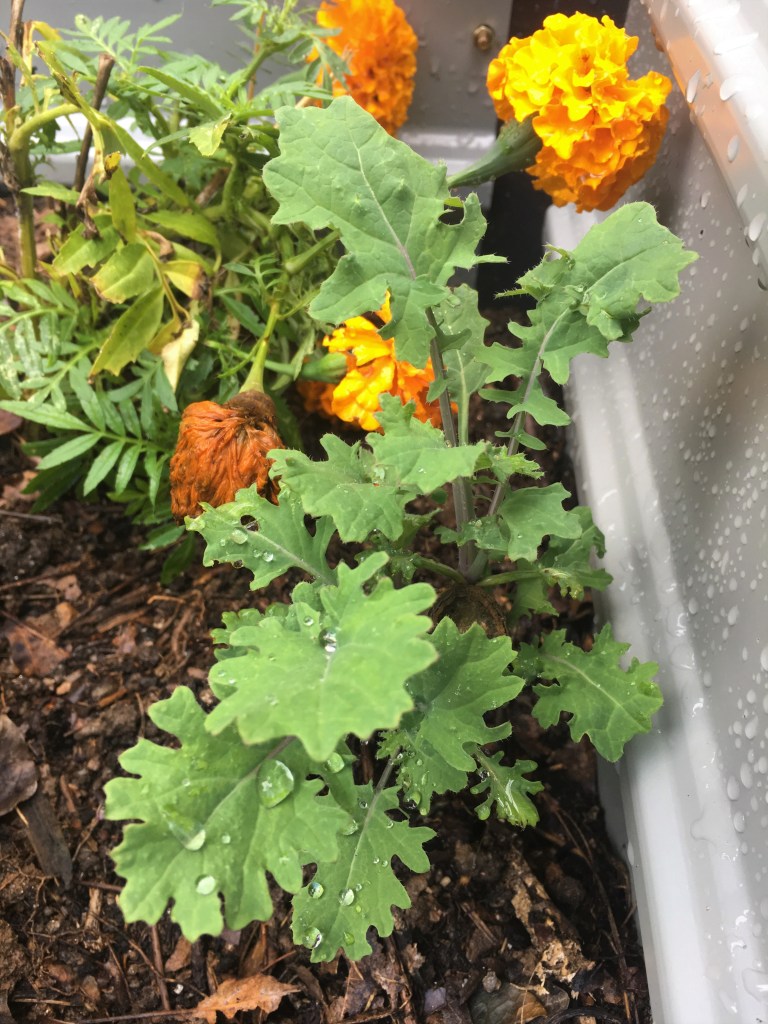
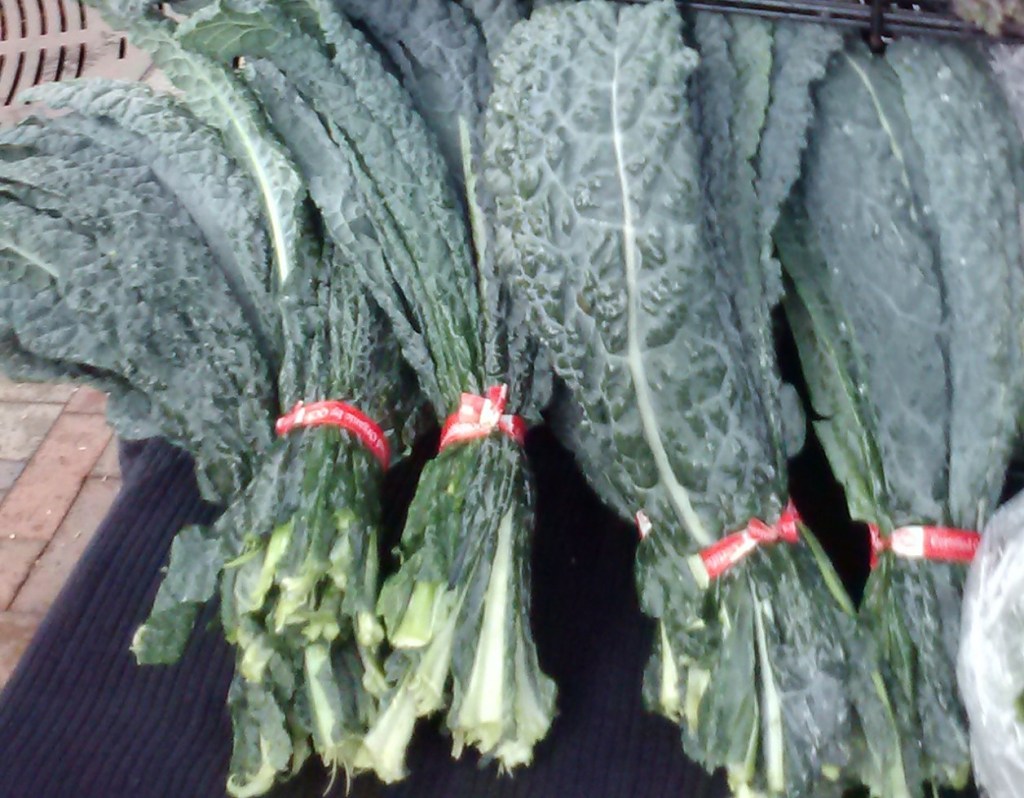
Kale
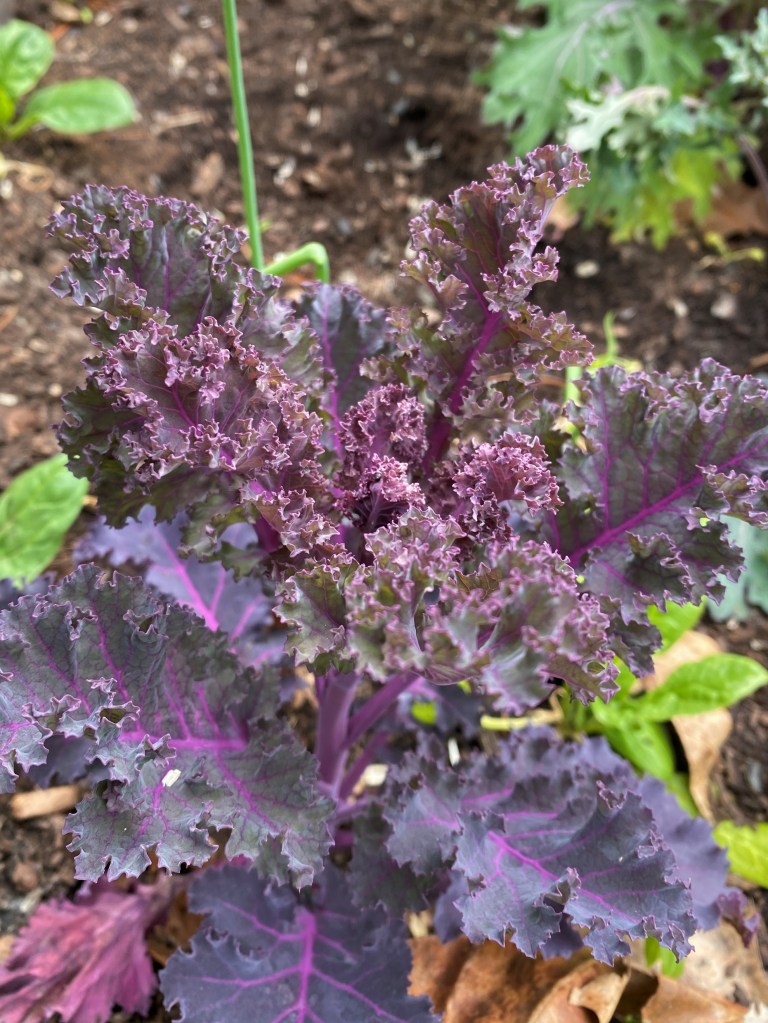
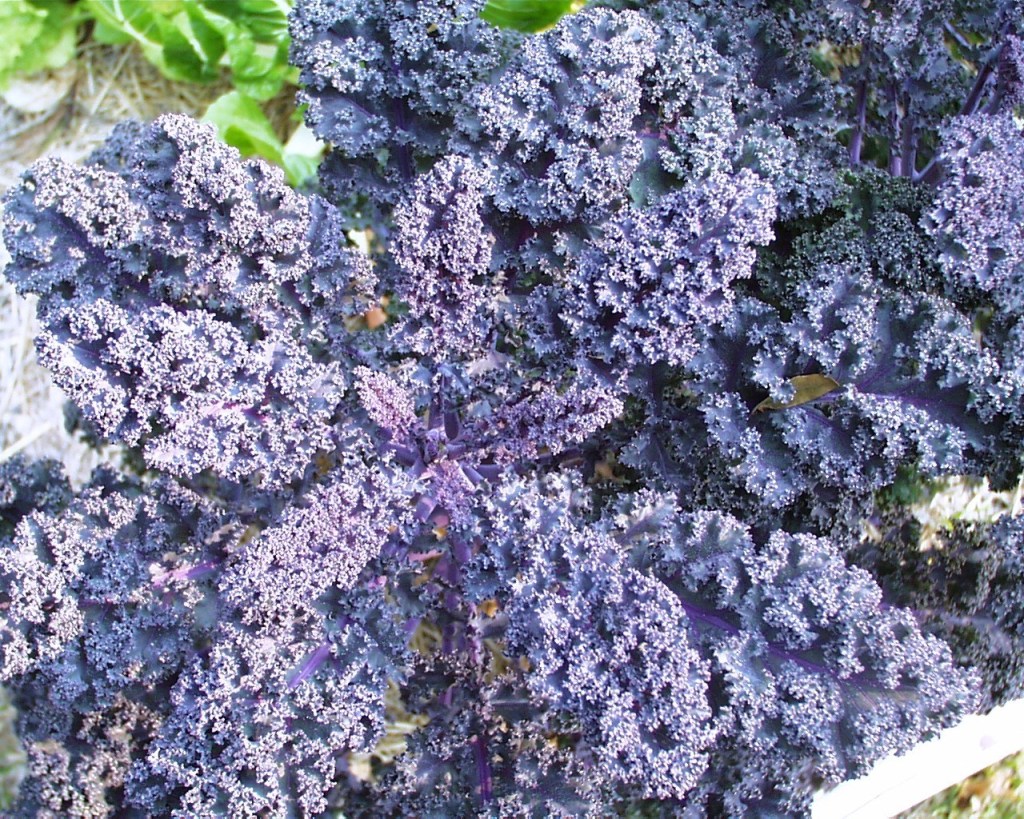
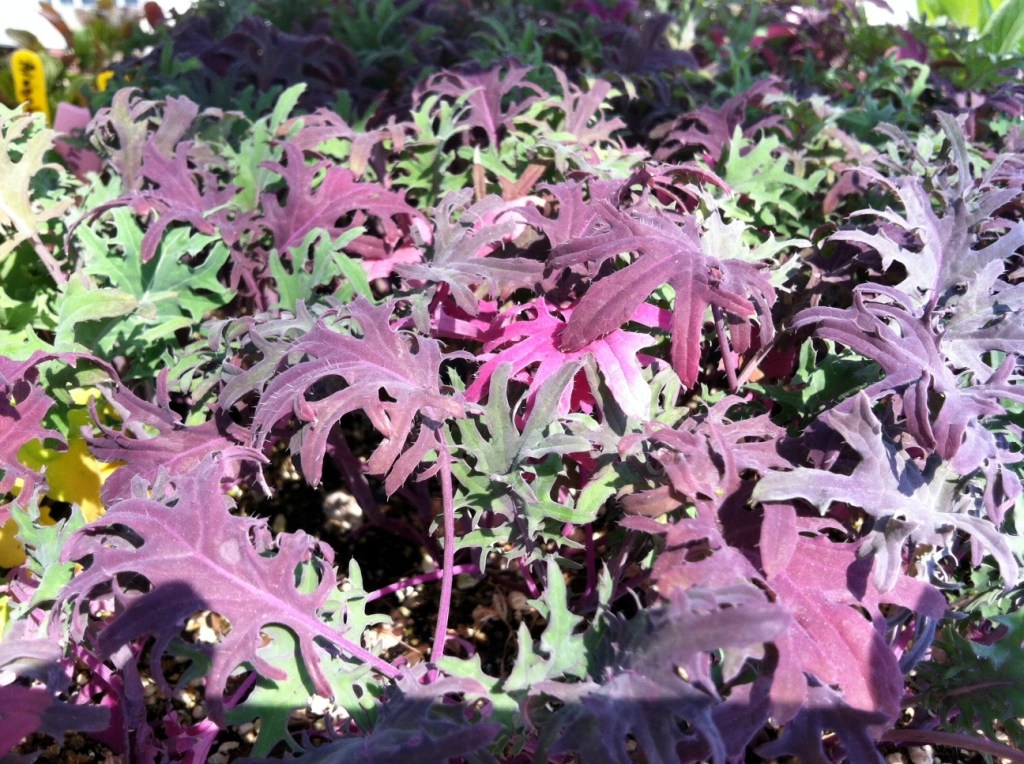
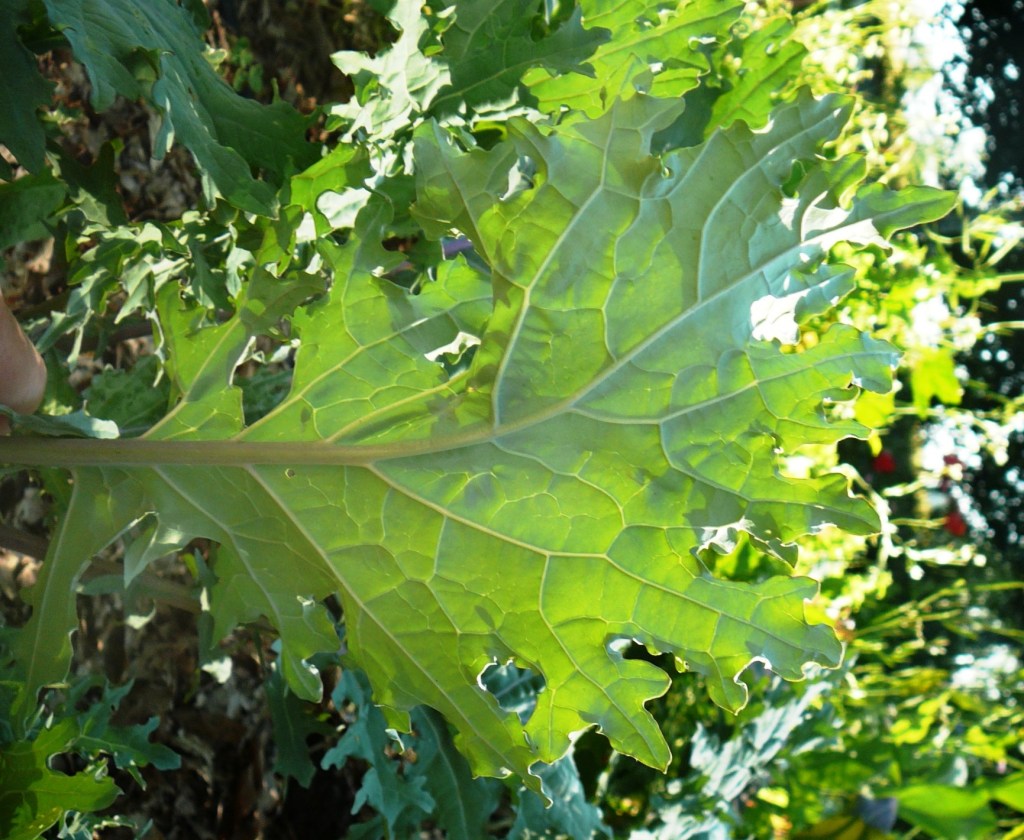
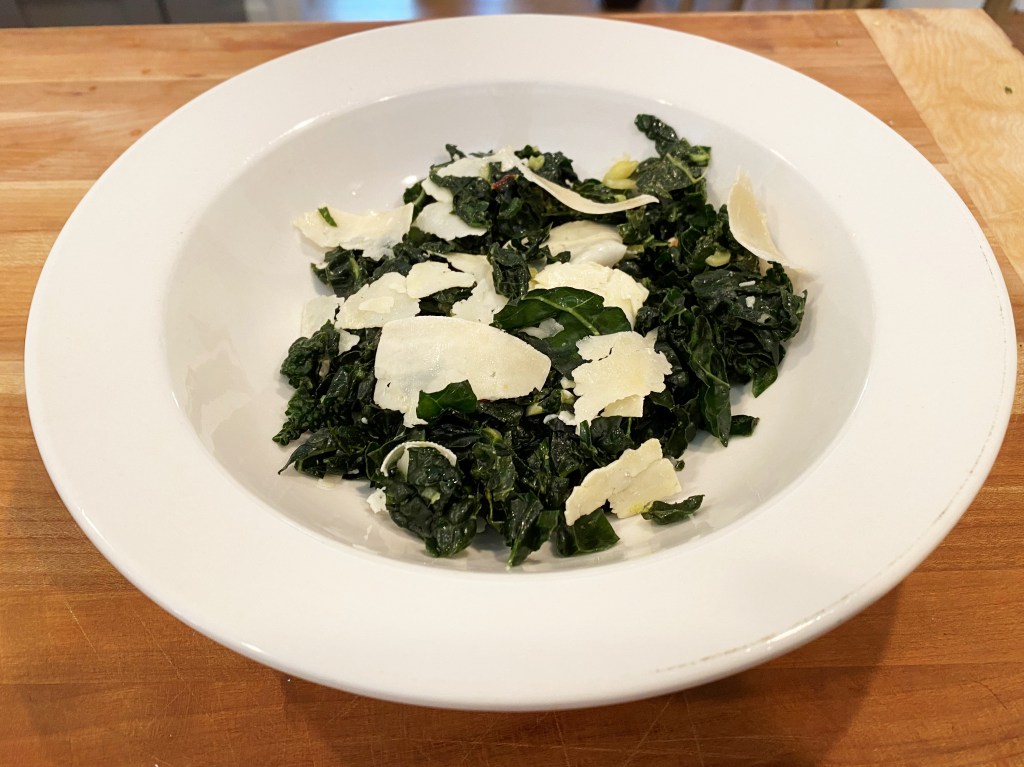
The word kale often brings to mind an image of the purple and lime green frilly balls of ornamental kale in fall containers or the plastic-like bushes used as garnishes on restaurant plates. But culinary kale is a different vegetable entirely. There is an infinite number of choices, from smooth to crinkly to ‘Red Russian’ that turns purple-red in cold weather. Compared to kale purchased in the grocery store, homegrown kale is considerably more tender and succulent as well as sweeter than the types grown commercially.
Kale is also remarkably easy to grow. It’s closely related to cabbage, and the leaves have a faint cabbage-like flavor. But long after spring cabbages have begun to turn fiery and tough in summer, kale keeps providing sweet, tender greens for the table. It produces well into fall, actually being sweetened by frost. It’s not unheard of to still be harvesting kale after Thanksgiving.
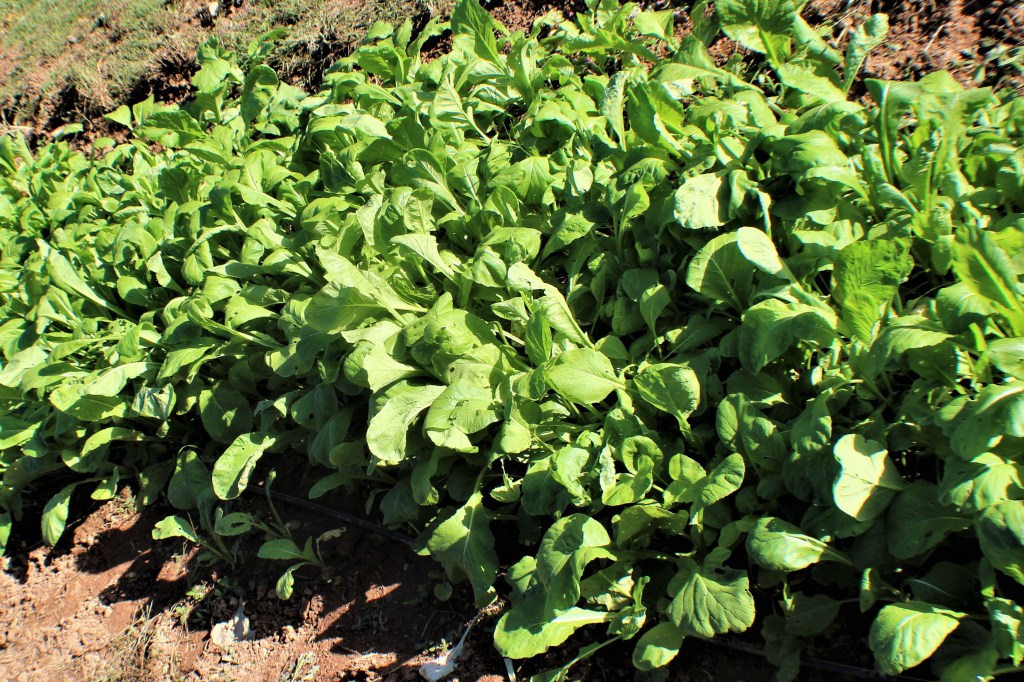
Mustard

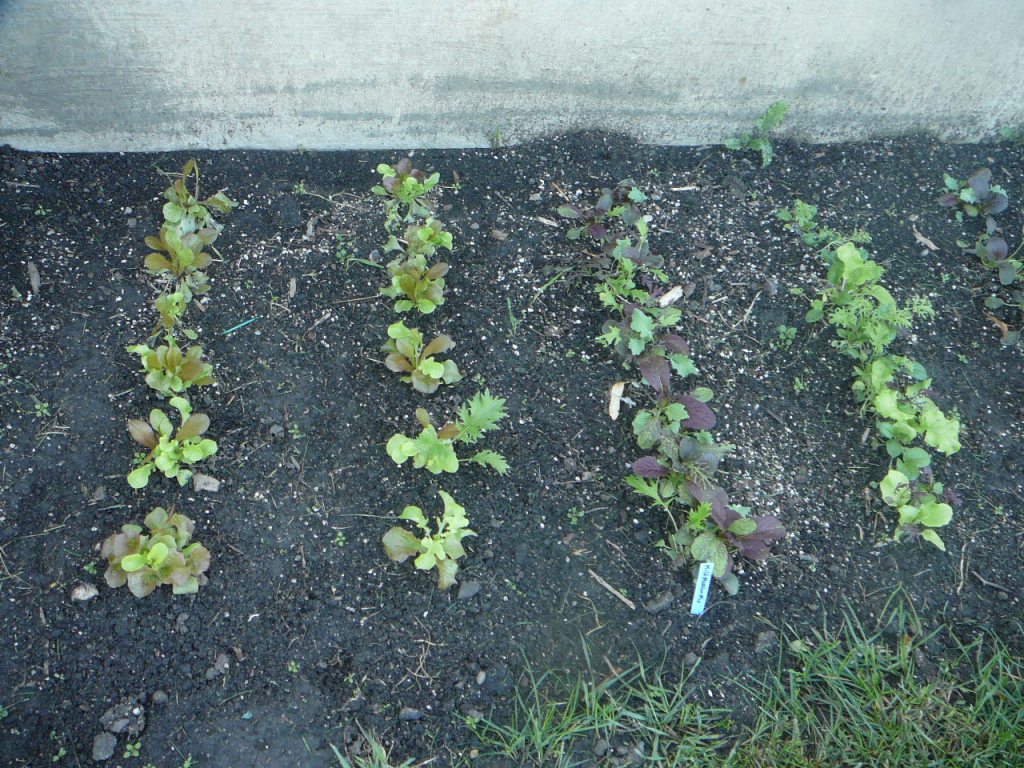
Mustard greens will add piquancy to any salad or dish, with a zingy vinegary essence. The broad-leafed types are best for summer use, as they grow large and luxurious without getting stringy and tough. If allowed to go to seed, the mustard plant is useful in all forms. The seed stalks are tasty sautéed, and the seeds make the familiar tangy seasoning for hot dogs or pickles.
Collards
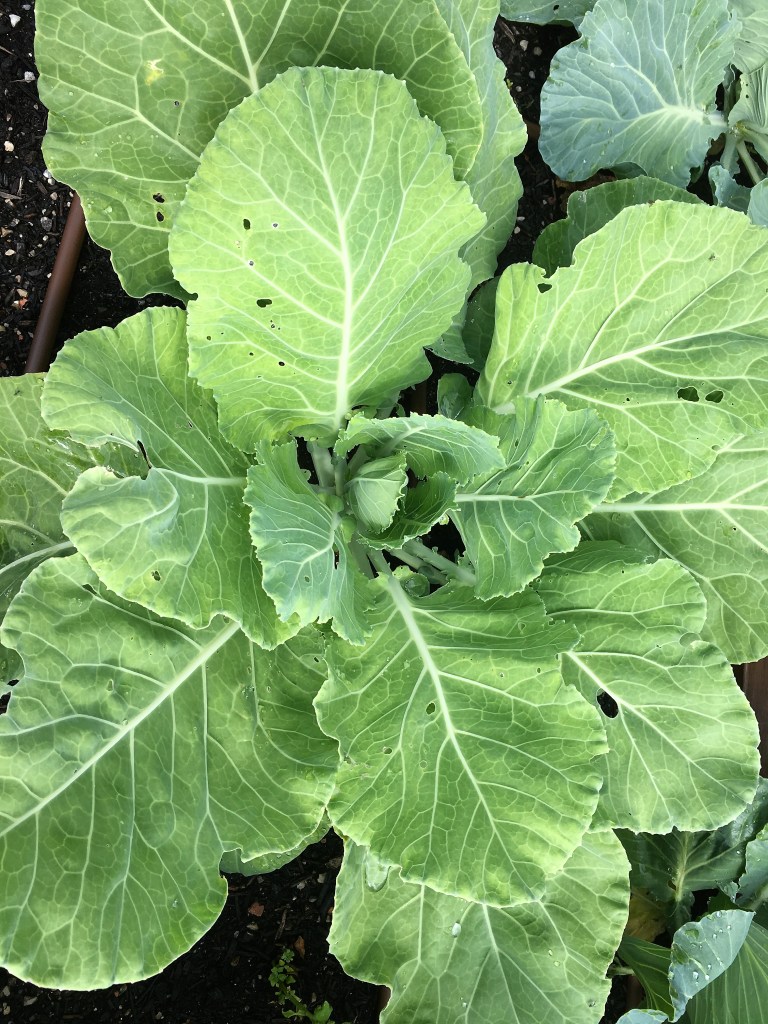
Collards, another sizable green, are grown frequently in the South – and for good reason. They remain tender and tasty throughout the summer and are slow to bolt in spite of heat and drought. They have a more cabbage-like flavor than mustard greens, but a little taste of collards seasoned with garlic and complemented with prosciutto will make you wonder why you didn’t start growing collards years ago.
Once you are hooked on greens, there is a wealth of other summer treats to try, from amaranth to Chinese kale to komatsuna (also called spinach mustard) to mizuna. Asian greens of all types are becoming more popular and thus easier to find. Check out your local farmers market to try a few and plan to use them in your own garden next year!
Just how do I use these lovely greens?
Dark leafy greens pack an unbelievable vitamin wallop, to say nothing about their cancer-fighting phytochemicals. In addition to eating greens for themselves, try adding them to omelets, fresh or marinated salads, soups and savory breads.
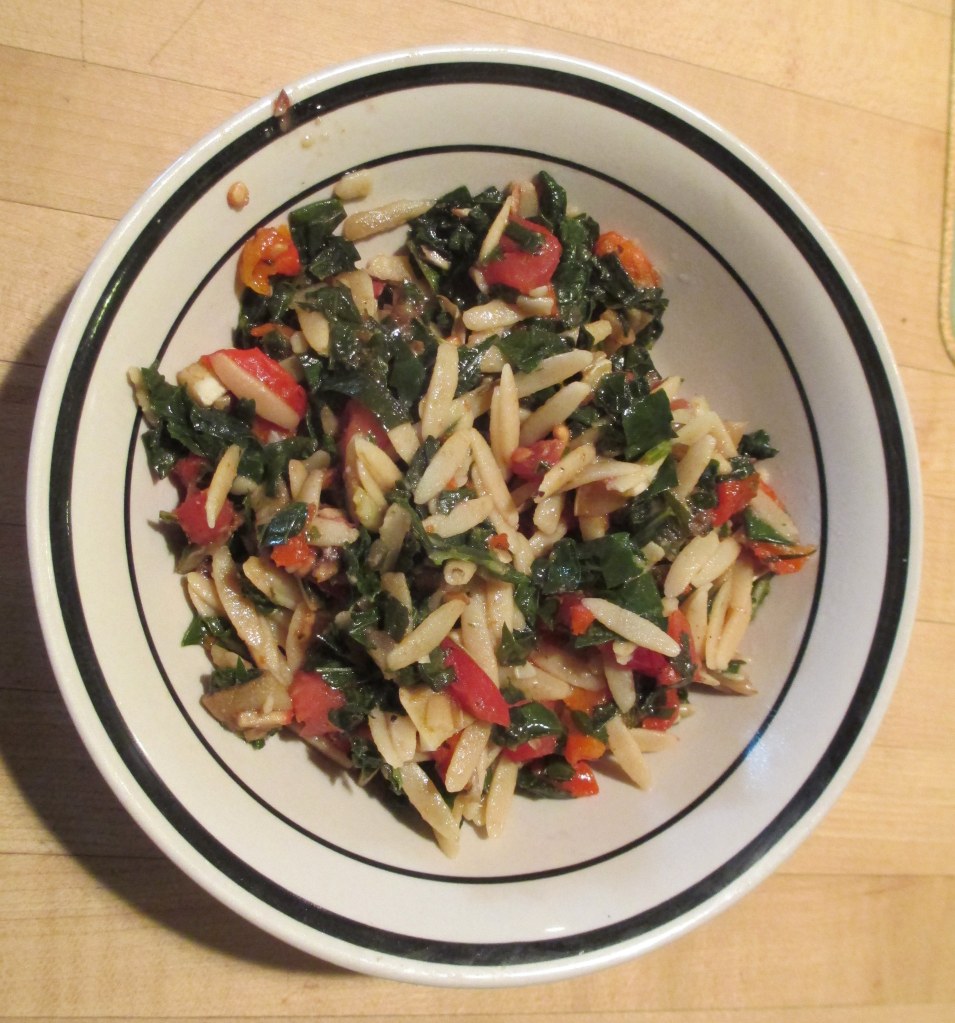
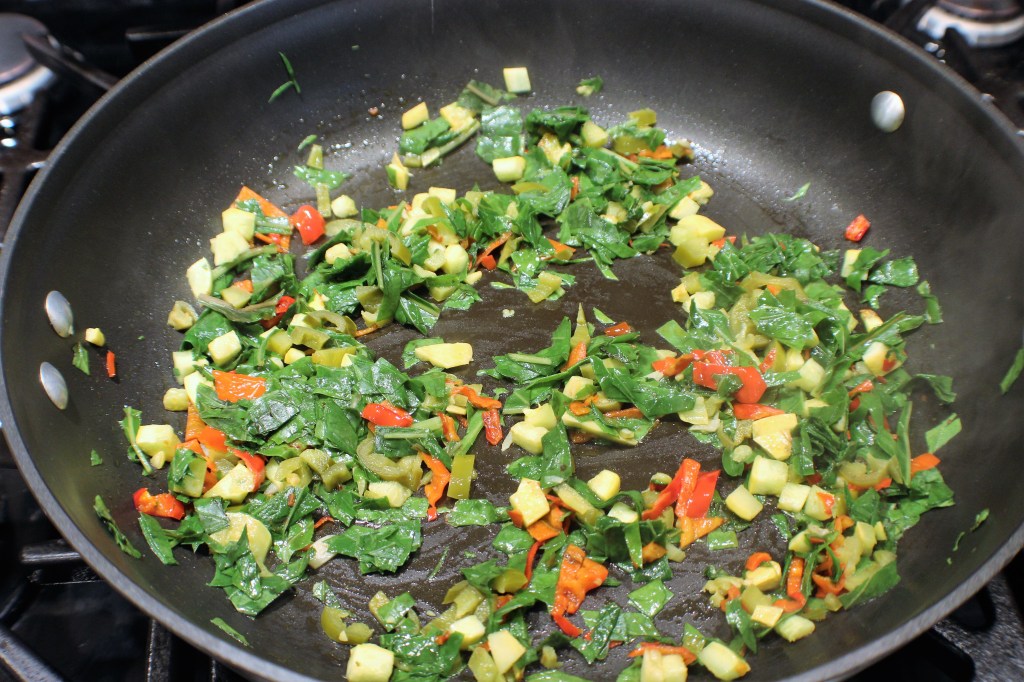
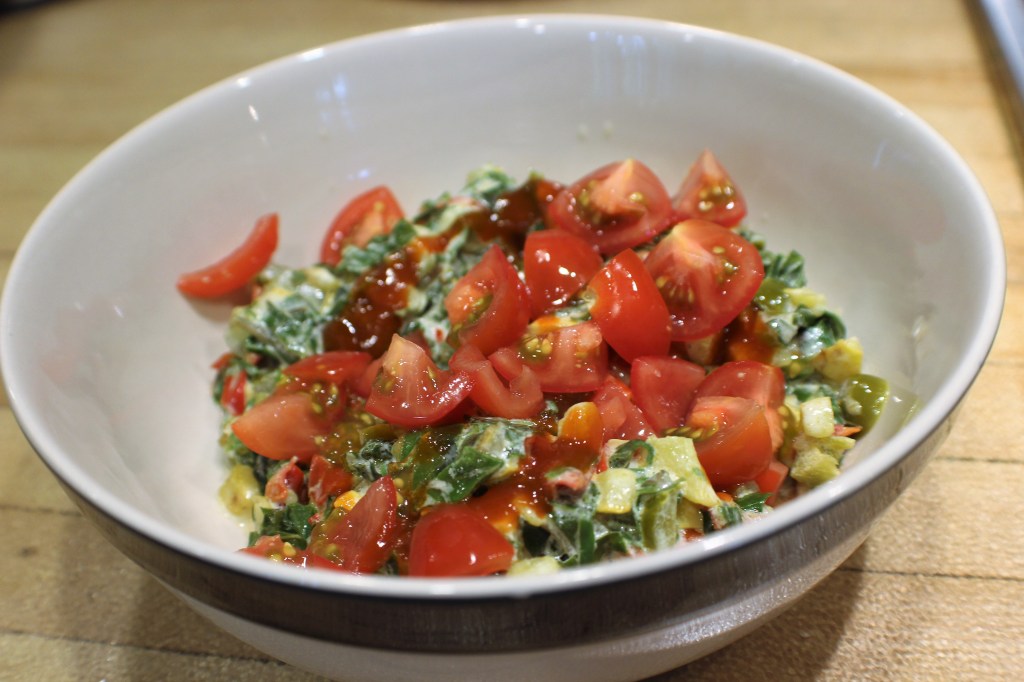
Sauteed greens with orzo
Pasta alfredo with Swiss chard
- 1 lb. Swiss chard
- 8 oz uncooked pasta such as penne or farfalle
- 1 T. olive oil
- 3 garlic cloves minced
- 3/4 c. ricotta
- 1/4 c. Parmesan cheese
- 1/2 t. salt
- 1/8 t. pepper
Remove stems and chop chard. Set aside. Cook pasta and drain, reserving 3/4 cup cooking liquid. Sauté garlic 30 seconds in oil, add chard and sauté 3 minutes or until wilted. Combine cooking liquid, ricotta, 2 T. Parmesan and stir well. Combine with chard mixture and toss well. Top with remaining Parmesan. Serves 4.



 Kate's Garden Kitchen
You must be logged in to post a comment.