I live in Asheville. We survived and are coping. Hurricane Helene caused untold damage and suffering, with many, many houses damaged in our neighborhood by falling trees and inundating rain. But we are Asheville strong and will recover and rebuild.
Being in a situation without power, water or communication certainly makes one take stock of what is important. We scrambled for candles and lanterns, potable and flushing water, and gas to run generators. We frantically tried to cook everything in our freezer as it thawed (I am lucky to have a gas stove we could light with matches). As we handed food out to neighbors and hosted neighborhood dinners, I decided never to let my freezer get that full again. I love to put food by, but the food I lost was such a huge waste.
The community spirit certainly lives on, and our neighborhood, which came together to help each other through the last month, is having an outdoor chili supper tonight. We will all bring food, be grateful for the electricity to plug in the slow cookers, and happily drink our bottled water (no potable water available yet, and probably not for another month).
It’s to be a cool evening, perfect for chili, and there will be a myriad of chili flavors for all to sample as well as plentiful sides and delicious desserts. Most of all, it’s a chance to check in again with neighbors and friends to see just how everyone is doing.
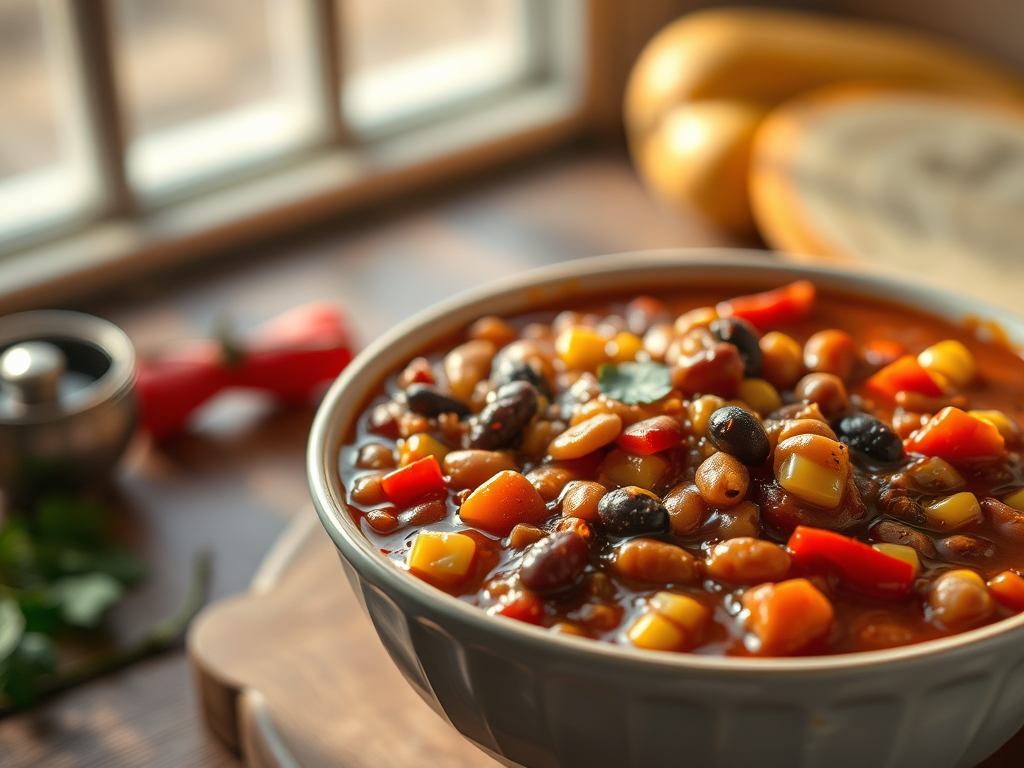
I’m taking vegetable chili, full of vegetables, beans and most of all, tummy-warming flavor. You can put anything you like in this chili and it will keep a week in the fridge and in the freezer for three months. This recipe serves 4-6 and is easily doubled for your own neighborhood chili supper. It’s a great slow-cooker meal.
Vegetable Bean Chili
olive oil for sauteing
1 medium onion, chopped
1 can chopped green chilis
2 medium carrots, chopped
2 ribs celery, chopped
1 large sweet potato, peeled if you like, chopped
4-6 cloves garlic, minced
2 T. chili powder of choice (I like a combo of regular chili powder and chipotle chili powder
2 t. ground cumin
1 ½ t. smoked paprika
2 15 oz. cans diced tomatoes, with juice
2 15 oz. cans black beans (I don’t drain and rinse – the juice adds flavor)
1 15 oz. cans pinto beans (see above)
2 c. vegetable broth or water
1 to 2 t. cider vinegar (brightens the flavor)
Garnishes: chopped cilantro, sliced avocado, tortilla chips, sour cream, grated cheddar or jack cheese
Warm the olive oil until shimmering in a large heavy-bottomed pot over medium heat. Add the onion, chiles, carrot, celery and a few shakes of salt. Saute until the vegetables are tender and the onion is translucent, 7 to 10 minutes. Add the garlic and spices and cook until fragrant stirring constantly, about 1 minute.
Add the tomatoes and their juice, beans and broth or water. Bring to a simmer and cook for about 30 minutes or put into the slow cooker on medium for about three hours. At this point check for salt. If you used unsalted beans, it will definitely need salt. Before serving you can remove a third and blend it to make a thicker chili if you like. Garnish to taste.
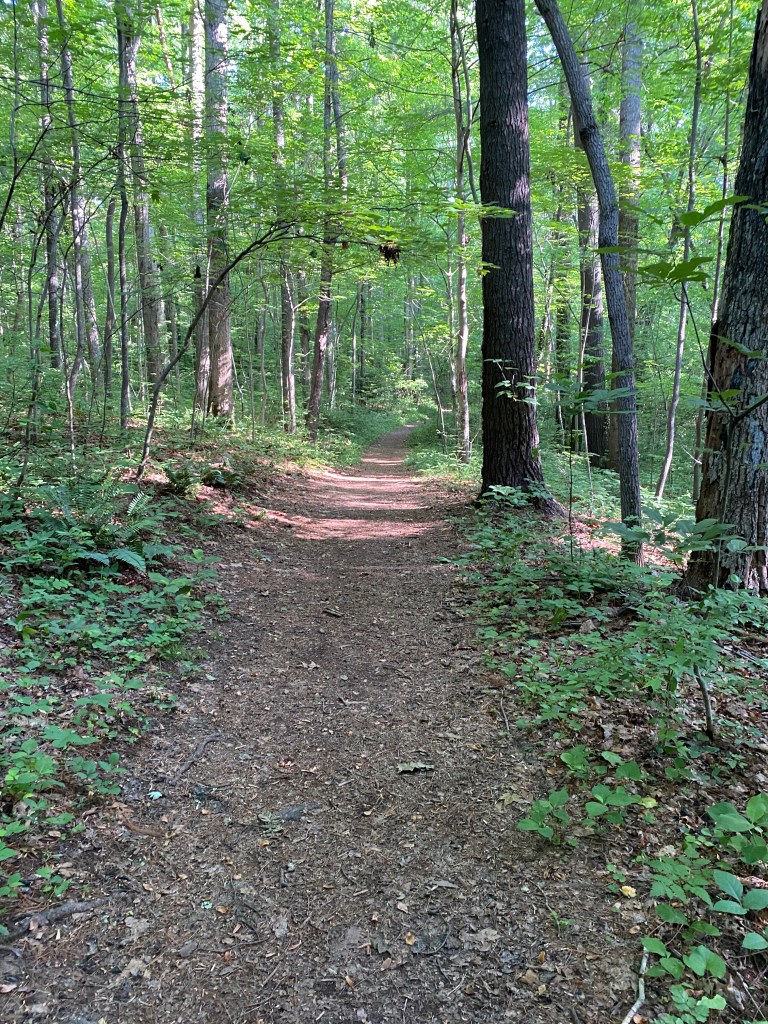
My path in the woods before Hurricane Helene
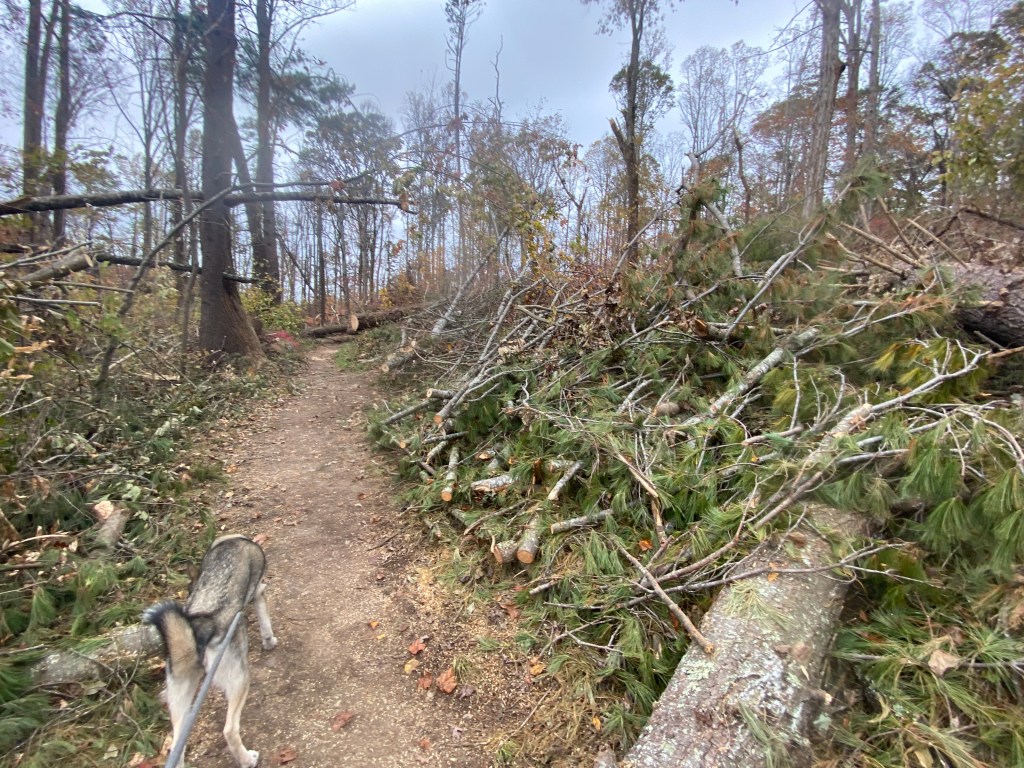
My path after Hurricane Helene







You must be logged in to post a comment.