Vegetable Misfits

They may be ugly but they’ll taste wonderful

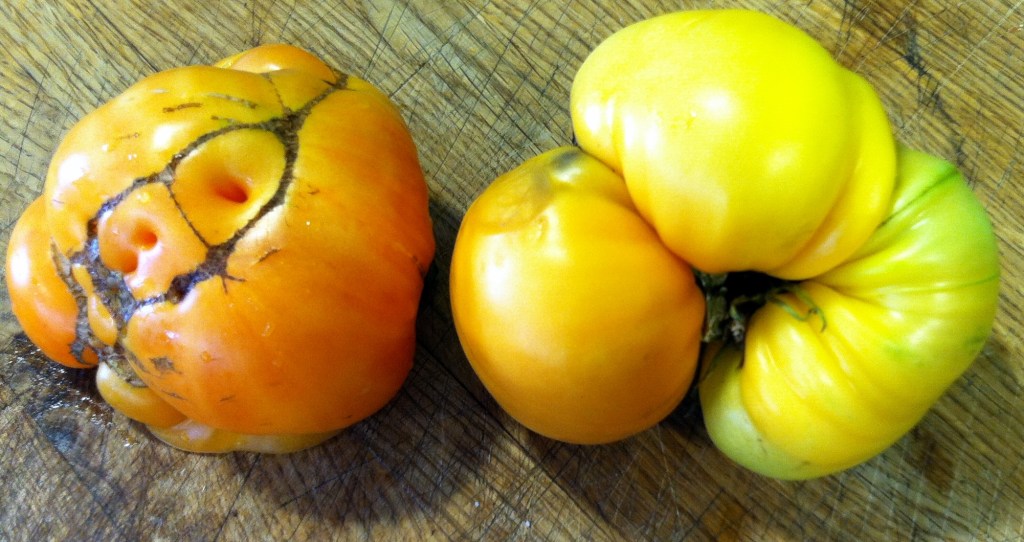
Let’s be honest – none of us is perfect. Including the vegetables we so carefully nurture in our gardens. But why should the forked carrot, the split beet or the knobby tomato be shunned in favor of their more perfect counterparts? 

The French started a national campaign several years ago called “The Inglourious Fruit.” It was a public relations campaign to get French citizens to slow food waste by purchasing and eating those fruits and vegetables that are not perfect. These were discounted in grocery stores and markets, and the campaign was a huge success. There are several companies in the US that do the same – ship not-so-perfect vegetables and fruits for a fee.

What a wonderful testament to humans – that we really do care about reducing food waste and feeding our bodies with healthy vegetables and fruits. I’ve made a promise to myself to try to use the oddballs in the garden and as much of every vegetable as I can.

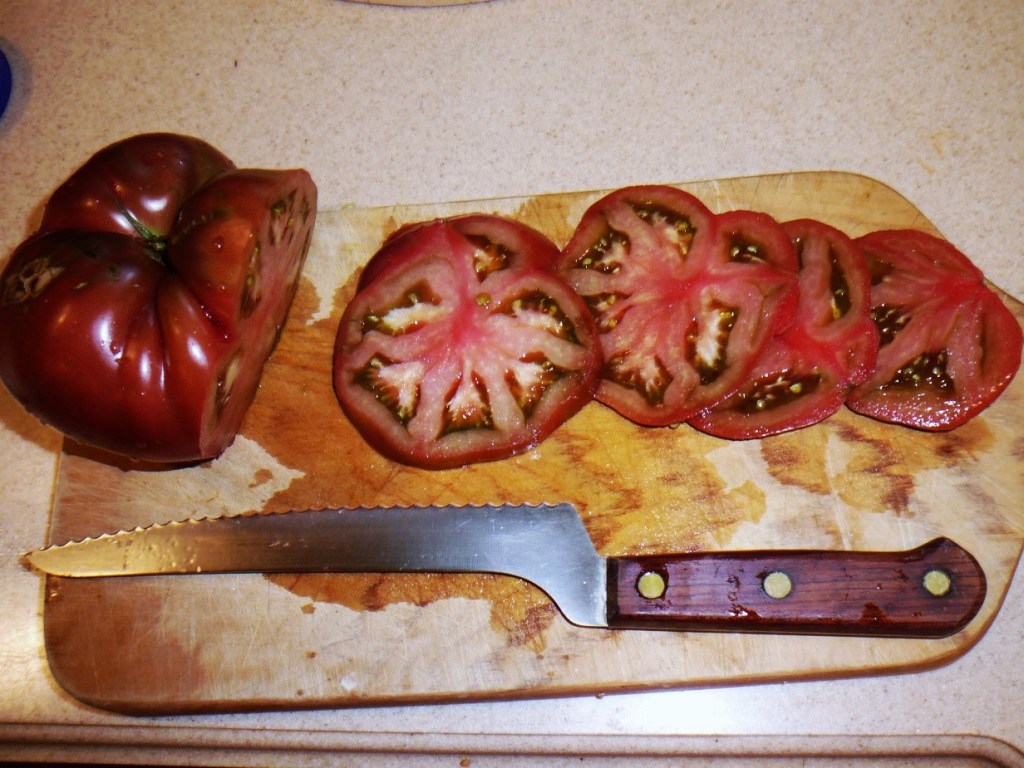
While a chopped up tomato with the ugly parts removed may not make the best presentation, it still tastes just as good as a pristine heirloom. And face it, have you ever seen a perfect Brandywine tomato?

Use those misfits in sauce

Instead of discarding the chard leaves that have been somewhat chewed, I throw them in a bag in the freezer to add to a “glut” sauce or to make vegetable broth. I’ve seen recipes where cilantro stems, carrot tops, cucumber peelings can be pureed and frozen to use in soups in the winter. 

One of my favorite things to do at this lush time of year when produce is absolutely overwhelming is make “glut” sauce. I put whatever is coming in, especially those imperfect vegetables, into a large roaster with herbs and garlic and roast until everything is soft. It then gets pureed or milled pasta sauce or spaghetti sauce base. 

Here’s a great recipe to use those imperfect tomatoes and eggplants. And the recipe lends itself to whatever you have in the garden

Roasted eggplant and tomato soup

1 cup roasted eggplant (any type of eggplant, peel if the skin is tough)

1 cup roasted tomatoes

½ cup roasted onions

1-2 cloves roasted garlic

½ c. unsweetened coconut milk

½ c. vegetable or chicken stock

Salt and pepper to taste

Herbs of choice

You can put eggplant, tomatoes, onions and garlic in one roasting pan. Drizzle with olive and roast at 375 degrees until quite soft and beginning to caramelize. Mix all ingredients together and puree. Serve hot or cold. Drizzle with sriracha and a dollop of sour cream or plain yogurt if you choose.  

Corn chowder

Summer vegetables are so plentiful right now that it’s almost an overload with tomatoes, peppers, eggplants, and most of all corn. Corn is at its peak in a lot of states right now, and the sweet Silver Queen, Peaches and Cream, Honey and Cream cobs will soon be just a sweet memory. 

So, we’ve been having corn every few meals in our house, and always seem to have a couple of ears left over. I scrape the kernels to use in salads, stir fries, and my favorite, corn chowder. Even though the hot days of summer don’t always bring soups to mind, summery corn chowder is unlike a regular soup. It’s not heavy and rib-sticking like a minestrone, but sweet, light and chock full of flavor. 

You can make a chowder from any number of vegetables, and I like to spunk mine up with some cayenne pepper or chopped chilies. This recipe certainly lends itself to using whatever you have in the garden, so feel free to add roasted peppers, roasted eggplant or zucchini. Add some bacon for smokiness (or use grilled corn), chopped fresh sweet bell pepper, tomatoes, cucumbers and scallions as a garnish. 

Summery Corn Chowder for two

2 ears sweet corn, kernels cut from cob (can be fresh, already cooked or frozen)

1 T. butter (don’t be tempted to use oil – the butter gives it an unsurpassed  flavor)

½ c. chopped onion

1 T. flour

1 clove garlic, minced

2 c. water or broth

2 c. potato cut into small cubes

1 c. buttermilk or half and half

Salt and pepper to taste

Garnishes:

1 slice bacon, cooked until crispy and crumbled

1 scallion, sliced

Cayenne pepper or smoked paprika

Minced sweet bell pepper

Chopped fresh tomato

Directions:

In medium saucepan, saute onion and garlic in butter until soft. Sprinkle with flour and stir. Add corn, broth and potatoes, turn heat low and simmer until the potatoes are tender, about 20-30 minutes. Turn off heat and stir in buttermilk or half and half. Pour half of mixture into blender and blend until smooth. Return to pan and heat gently, not boiling. Salt and pepper to taste. Serve with your choice of garnishes. 

Paths and tomatoes

I’m so fortunate. I get to walk a woodland path every morning. I’ve come to rely so much on the relaxation and stress relief that I walk regardless of the weather. Walking in the rain is a sensory miracle. Walking in fog is ethereal. Walking in snow is a quiet, softly soulful experience.

What is it about paths that beckon us to come hither, to explore something new? When you enter the woods, you’re instantly enveloped with the cool, quiet ambience of the forest. 

On a hot summer day, the woods beckon you as being cool and shady. The cool darkness is welcome, and the soft air soothes. If the weather is humid or foggy, the moisture envelopes you like a velvet cloak, and makes you slow down and amble.

The scent after a rain is of water dripping off leaves and  wetting the soil. When the woods are dry, there’s the scent of honeysuckle or wild rose. Pine groves are filled with the scent of pungent resin.

Then again, on a cool autumn day, sunny glades draw you forward, and the warm sun makes your skin prickle. As the leaves begin to turn, the woods turn into a glorious golden aura and they are filled with the acrid scent of crinkly oak leaves. As the leaves fall, they begin to obscure the paths. 

If you traipse the woods daily as I do, you notice nuances on the paths taken. Most of the paths I walk are well-trodden, which is a good thing when I’m wandering in my mind and not paying attention to where I’m going. But a path that is well-trodden means that I don’t have woods to myself.

This is a good thing because it means that many others are enjoying the woods as well. But I’m a bit selfish. I love the time alone, the quiet, and in reality I end up seeing few others.

When we do meet someone, it’s usually someone with a dog, which makes my dog extremely happy. The woods don’t belong to me, and my happiness at having an opportunity for “forest bathing” means I will happily share this lovely place.

Recipes

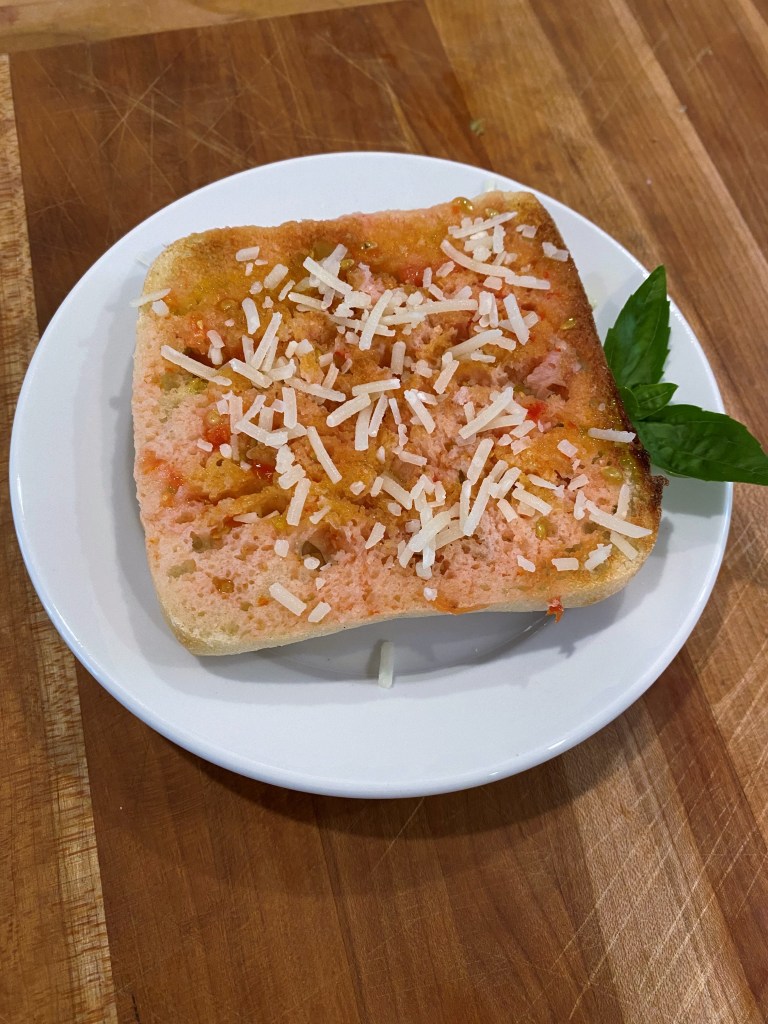
To keep you going at this time of luscious tomatoes, don’t forget about Catalan tomato bread – a traditional Italian dish in which you toast slices of robust sourdough or artisan bread, rub with a halved garlic clove and then rub with a cut ripe tomato. It’s the essence of summer. 

Another great way to use those tomatoes is to chop with garlic, basil and olive oil. Spread on grilled bread as bruschetta (you can spread the bread with goat cheese first for a deepened flavor), or toss with hot pasta. Simple but infinitely delicious.  

Roasted Beets and sautéed greens

Beets are little magic orbs of deliciousness and nutrition. They come in gold, red, white and even candy-striped. And I learned early in my daughters’ lives to feed them the light-colored beets to keep from staining absolutely everything.

Fresh beets often come with the bonus vegetable of beet greens. They taste just like Swiss chard, which is actually a non-bulbing beet. Beets are traditionally served cooked but they are also delicious in a raw shredded salad. 

Beets are best stored in the refrigerator, and will last for several weeks. If you choose to harvest greens while your beets are still growing, only use about a third of the greens at a time to give them plenty of leaves to continue to feed the root.

Roasting beets gives them a sweetness that you don’t get by boiling. To roast beets,  trim off the greens and set aside. Wash and put them in a baking pan with a few tablespoons of water and cover tightly with foil. Roast at 400 for about an hour. They are done when a fork easily pierces. Cool and then rub off the skins. 

Crispy sautéed beets with beet greens

3 or 4 beets, any type

2 T. butter 

1 T. olive oil

4 cloves garlic, minced

1 T balsamic vinegar

Few pinches red pepper flakes or ¼ t. tabasco to taste

Salt and pepper to taste

Feta cheese for garnishing

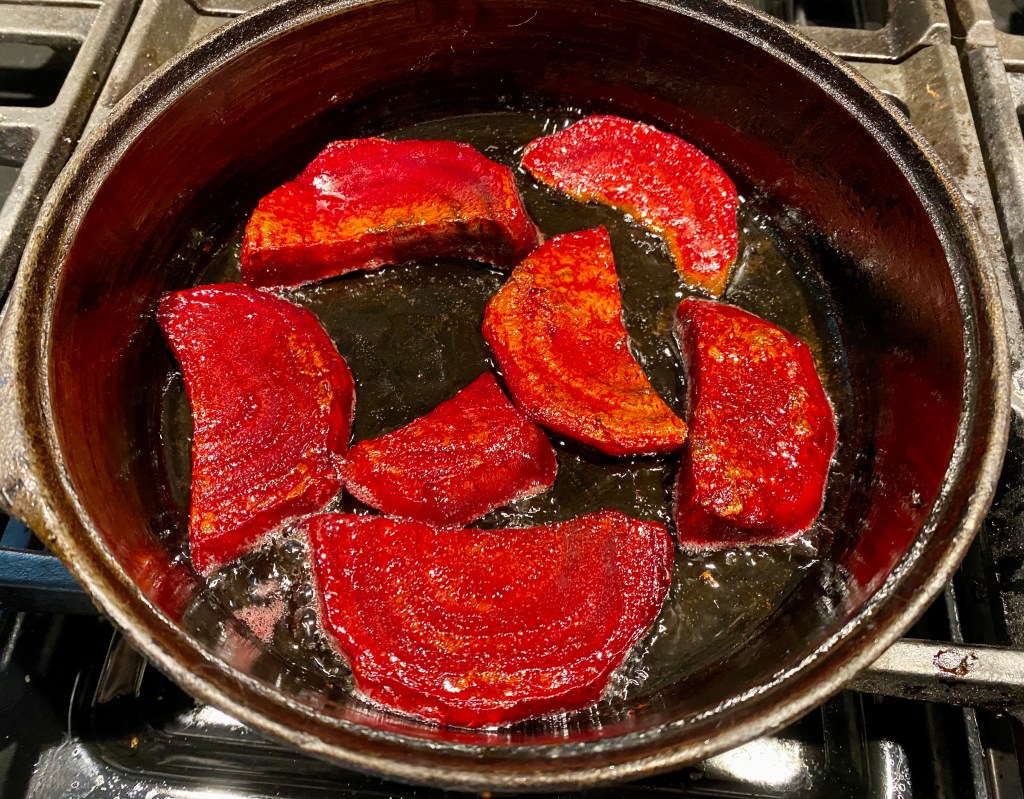
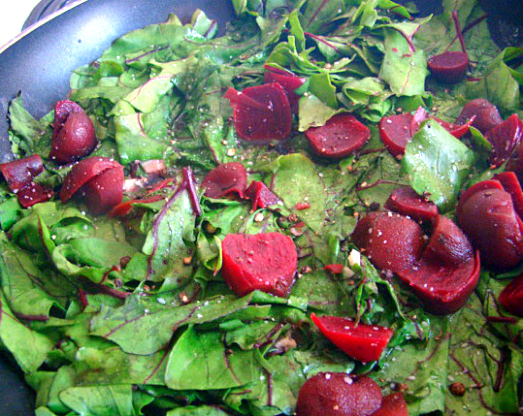
Sautéing roasted beets (I promise I didn’t enhance the color!)

Trim greens from beets. Place beets in an oven-safe baking pan, add ¼ cup water, and cover tightly with foil. Roast at 400 degrees for about 45 minutes to an hour until they can be pierced easily with a fork. Remove from the oven and allow to cool. When cool, peel (the skins should slip off easily) and slice into ⅛” slices. 

Melt 2 tablespoons butter in a heavy skillet (cast iron is perfect). Add beet slices and saute until crisp on one side (about 10 minutes). Flip and saute the other side. Remove from pan and set aside. 

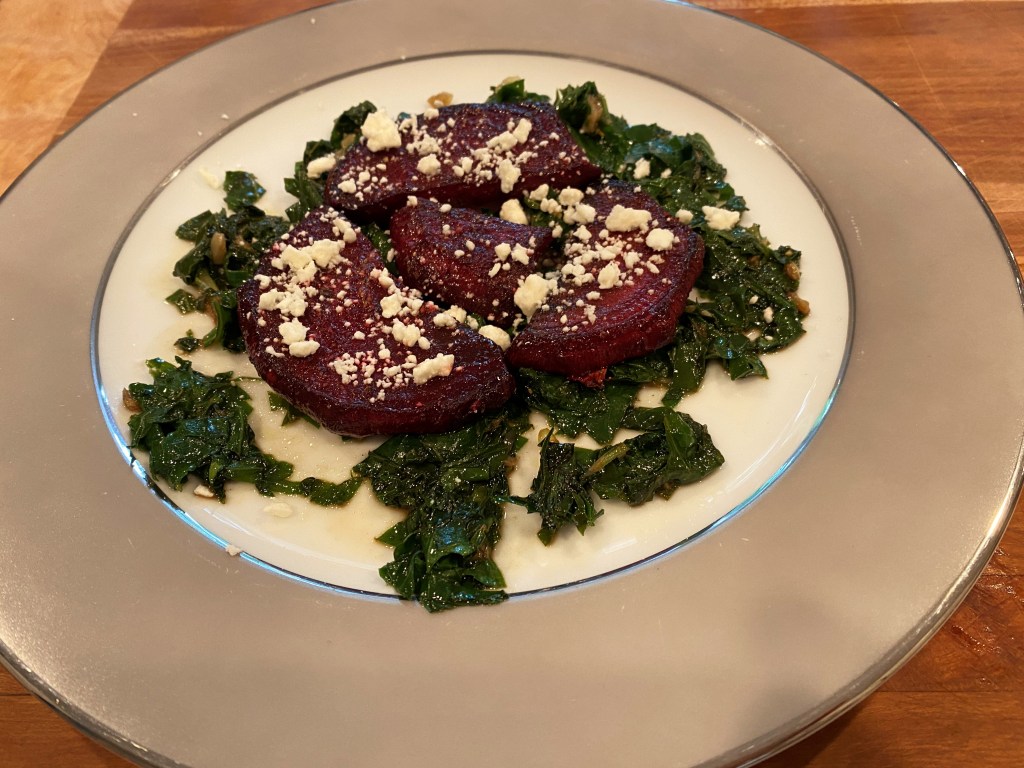
Rinse and roughly chop the greens. Add garlic to olive oil and saute briefly (about a minute). Add beet greens and toss to coat with oil. Saute about 2 to 3 minutes until wilted to your taste. Add balsamic vinegar and red pepper. Remove from heat, plate  and top with the beet slices. Sprinkle with feta cheese and enjoy!  

And here’s an easy, delicious sauce to add to your beet repertoire. Use liberally on cooked beets and/or beet greens. 

4 oz. goat cheese, softened

2 T. milk or half and half

1 t. dried or 1 T. fresh dill

Whisk or blend until smooth. Add more milk as necessary to make a pourable sauce. Stir in the dill. Drizzle over beets and greens