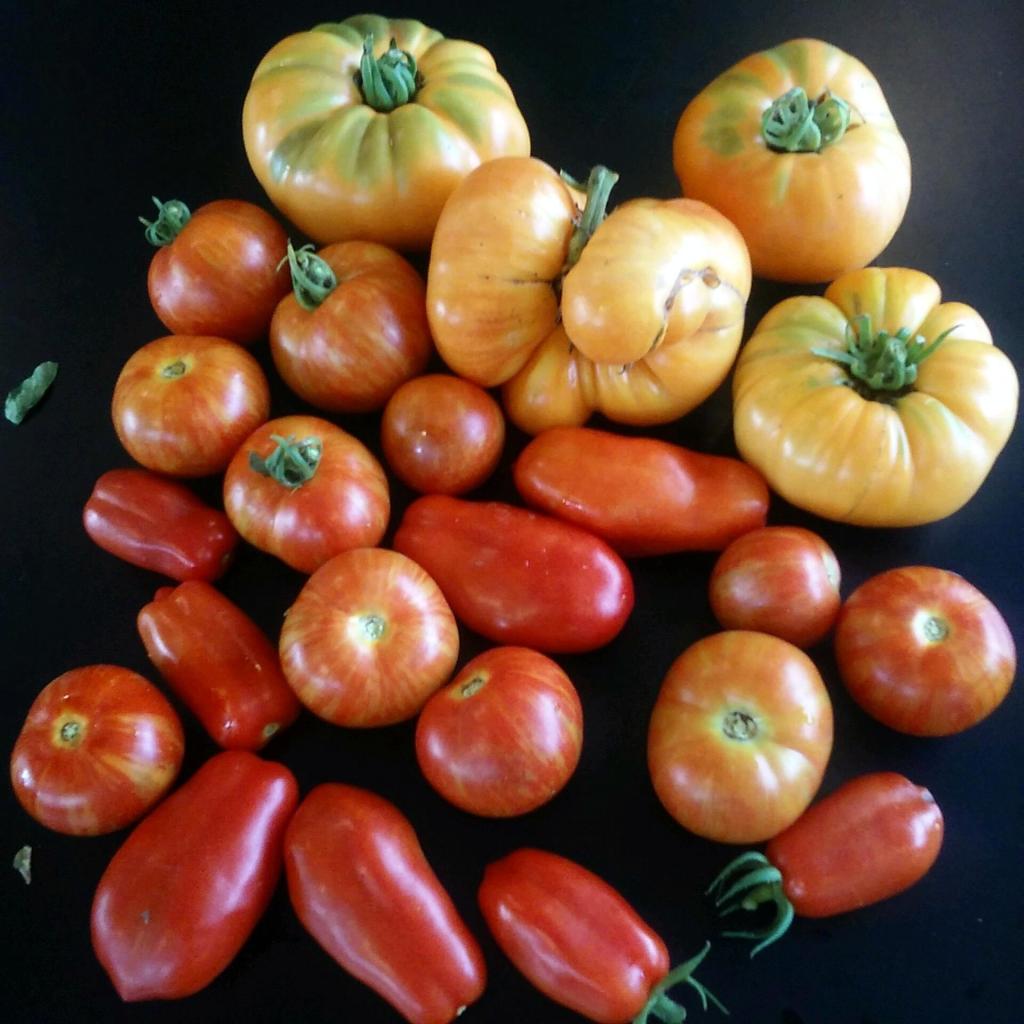
Heirlooms and Saving Seeds

Heirloom tomatoes are abundant now

Heirloom vegetables give us a sweet connection to the past, and many people believe that these vegetables have the closest flavor to our childhood memories of true vegetable taste. Heirlooms come from seed that has been handed down for generations. They get their start when a gardener hand-selects for a special trait.

Open Pollinated, Self Pollinated

Heirloom vegetables are open-pollinated, which means they’re pollinated by insects or wind without human intervention. As long as pollen is not shared between different varieties within the same species, then the seed will produce a plant that resembles the plant from which it came and remain true-to-type year after year.

If you decide that you want to save seed from heirloom plants, you need to understand whether the variety is self-pollinated or will cross-pollinate. Cross-pollination may mean that you end up with plants that don’t resemble the plant from which you saved seed and may not even be edible. This is particularly true with cucumbers, squash and melons.

Hybrid Seeds
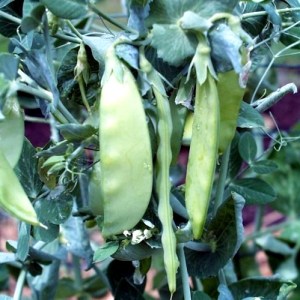
Dwarf Grey snowpeas are heirloom peas

The “opposite” of an open-pollinated plant is a hybrid which is created by human intervention. Designated as an F1 hybrid, seeds are produced by seed companies by carefully controlling cross-pollination of two varieties with specific traits. It’s important to note that they often don’t “come true” from saved seed. In other words, the seeds you collect from a hybrid may produce plants that are like either parent that was used in the cross or some combination of traits. Some hybrids produce sterile seeds.

Save Seeds Now

Start making plans to save seeds now while the garden is still in full production. Peas, green beans, tomatoes, eggplant, peppers are all self-pollinating and fairly easy to save.

Tomatoes

For soft fruits, such as tomatoes, eggplant, and peppers (yes, they are botanically fruits), let the fruit ripen to almost overripe but not to the point of being rotten.

For tomatoes, scrape out the seedy pulp and discard the rest of the fruit (make bruschetta!). Put seeds and pulp in a covered jar with some water and let it sit a few days to ferment. Fermentation lets bacteria kill any seed borne diseases. Shake the jar a couple of times a day.

After a couple of days, the good seeds will have sunk to the bottom and the bad seeds and pulp will be floating. Pour off the water and pulp carefully, trying not to disturb the seeds on the bottom. Then dump the seeds into a fine strainer and rinse them well. Spread the damp seeds on a tray or screen to dry. If you dry on paper towels or newspaper, they will be hard to remove without damage.

Peppers and Eggplants

For peppers and eggplant, simply remove the seeds from the pulp and wash the seeds thoroughly. Spread the seeds to dry.

Sweet and chili peppers for seed saving

Beans and Peas

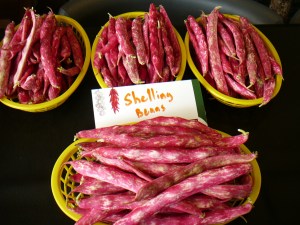
Heirloom beans

Beans and peas are most easily left on the vine to dry. When dry, break or split the pods to release the seeds. Spread them on a screen or tray to dry completely.

Storage
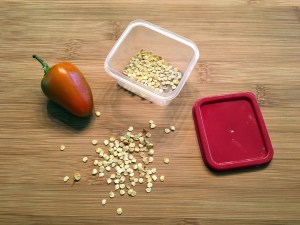
Keep your dry seeds dry

Once your seeds are dry, store in an airtight container to prevent reabsorbing moisture from the air. Label immediately. Keep seeds dry and cool and between 32° and 41°F. Canning jars or plastic containers make great storage containers, and you can add a silica-gel desiccant to keep them completely dry.
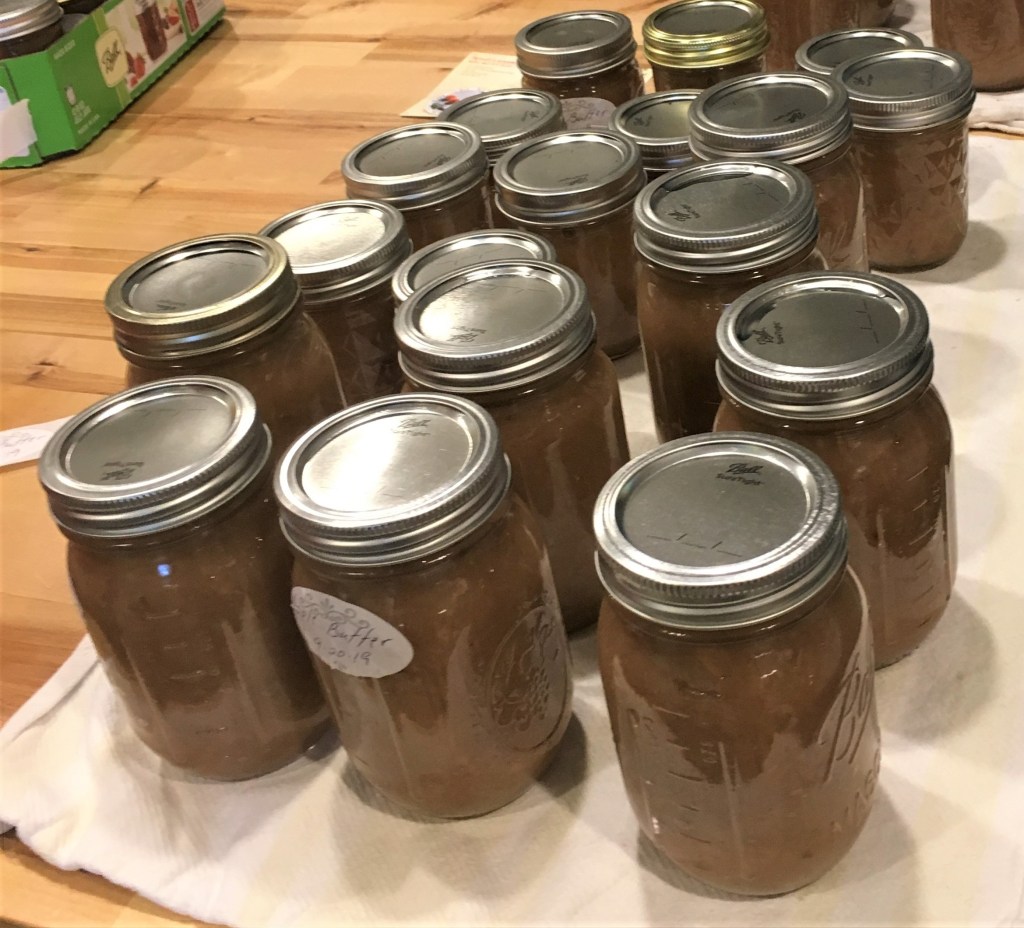
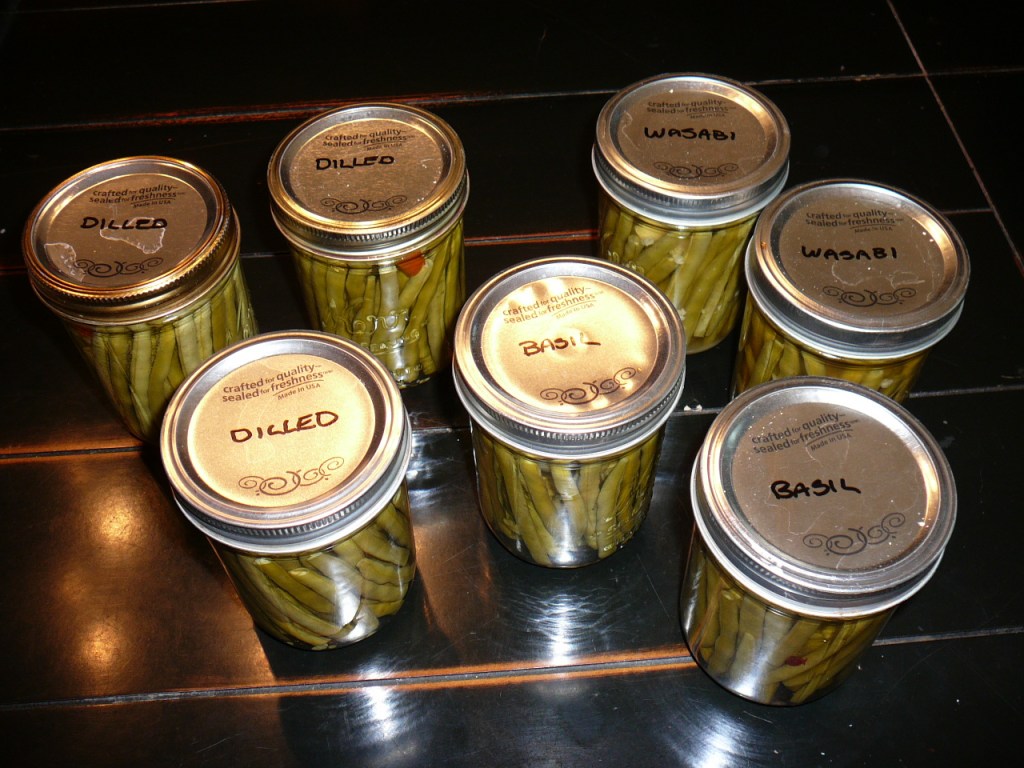
Summer in a jar

Our house is in the midst of putting summer in jars. I canned apple butter today, which had been in the slow cooker overnight. I awoke this morning to the scent of cinnamon and apples, and officially made the switch into fall. I’m no longer craving cucumbers, but have changed my craving to butternut squash.

Putting Food By

All winter my family will recall the sights and scents of summer as we open jars of home-canned fruits and vegetables. “Putting food by” is much more than just filling the larder for winter consumption. It’s an elixir for the soul. Not only is the food good for us, but one of the best prescriptions available for keeping the winter doldrums at bay is homemade strawberry jam on warm toast.

I Learned from my Mother and Grandmothers

Preserving from the garden fulfills my need for a connection with my past. My mother taught me to put food by, and always used everything from the garden. After canning tomatoes, green beans and squash, the leftover vegetables went into chow chow or green tomato piccalilli. Fresh apples and pears went into the root cellar while the overripe fruits were made into musky butters or tangy chutneys. I have many of my mother’s canning jars and they are used over and over again, occasionally finding their way to someone else’s home in the form of a holiday gift.

Canning Kitchen

Our kitchen is now a canning kitchen, with the canner taking a position of prominence on the counter, surrounded by canning lids, freezer bags and various utensils for lifting, tightening, pouring and straining. We put up tomatoes, green beans, beets, pickles, hot peppers, relishes, pear and herb vinegars. I’ll make pickles out of just about anything, some of which have become favorites while others end up on the compost pile the following spring.

Neighborhood Gardens

As I made my evening stroll of the neighborhood the other night, I took a different route than usual and came upon a magnificent garden nestled in an empty lot between two houses. It was divided into six plots, each bursting with cabbages, tomatoes, cucumbers, pole beans, beets, carrots and Swiss chard. This community garden was obviously producing plenty of vegetables for preserving. I trust that those gardeners are gaining the same pleasure from their harvest as I am from mine, and I’ll bet that they will all have cupboards full of summer’s bounty as they roll into a frigid winter.

Even though fall is approaching and bringing with it the bittersweet feeling of losing our long days and warm temperatures, the smells of ripe fruit and vegetables and the bright jars of pear butter, tomato sauce, tarragon vinegar and green tomato pickles make this a luscious time of year.

Cooking for one or two

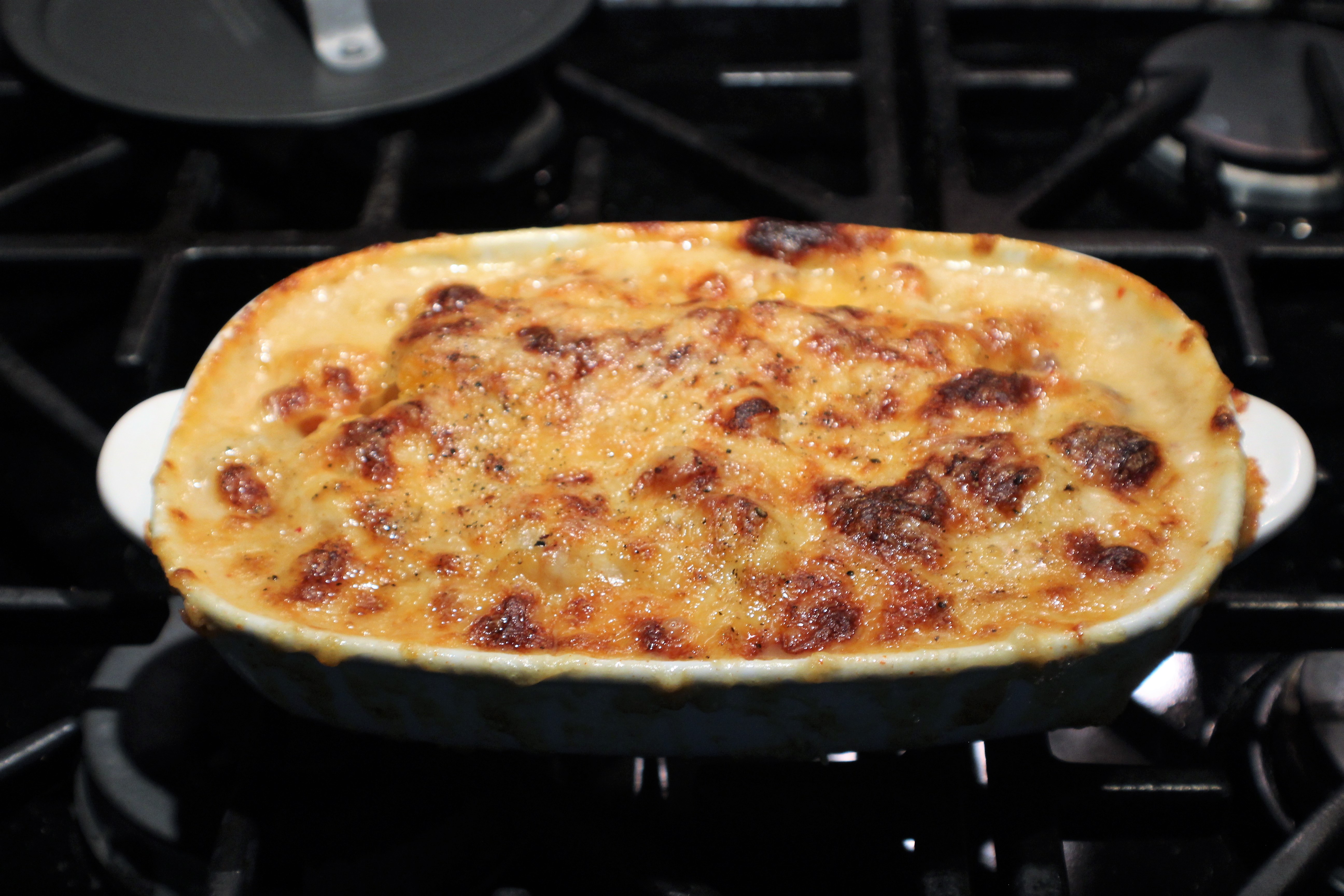
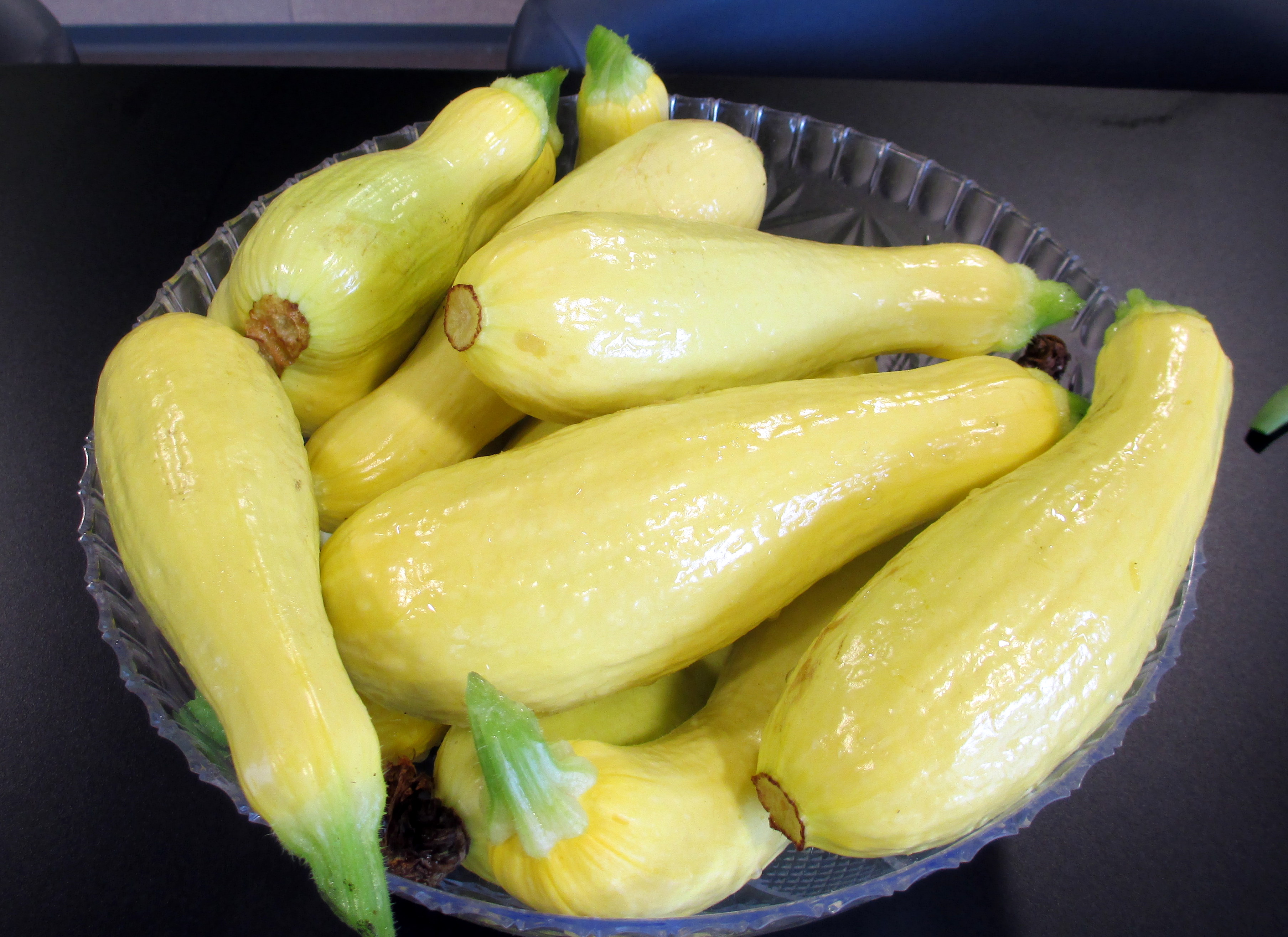
I just spent the last six days eating squash casserole. Now I love squash casserole and when the pattypans were calling my name at the market this week, I succumbed. I love them prepared just about any way, but decided I hadn’t had my favorite squash casserole in a long time.

So, I pulled out my grandmother’s recipe and proceeded to steam 6 cups squash, saute a whole onion, and mix everything together with three eggs and a cup of shredded cheddar. Topped it with panko breakcrumbs and baked it. It was absolutely heavenly. But it was enough for four to six people.

Don’t get me wrong. I love leftovers (I get teased for eating last night’s dinner leftovers for breakfast), but there needs to be a limit. It didn’t even occur to me to reduce the amounts in the recipe. I could have easily cut this recipe down to feed two people.

I happen to have a lovely husband who eats my cooking readily (but not squash casserole). He and I cook together and often enjoy leftovers together. But sometimes, we just make too much food and I have to give some of it away. I don’t mind doing that, but I have to be careful not to sell it as “leftovers”. That kind of puts people off. So, I try to let people know that I simply made too much and am sharing with them.

One of my projects this winter when I’m housebound is to take all my favorite recipes and convert them for two people. I can do this when I’m actually doing the cooking, but sometimes (see squash casserole above) I get so enthusiastic about the actual cooking that I forget to reduce amounts.

This isn’t a problem when I’m just cooking from my head because I naturally lean toward cooking just enough for two of us. But I do use recipes and this can be a problem (see squash casserole above).

To end the story, after several days of leftover baked squash, I couldn’t face one more day of it. So my dog reaped the benefits of squash and cheese. She loves it when I make too much food.