When it comes to comfort foods, I don’t turn to mashed potatoes. Okay, maybe sometimes. But usually, I turn to noodles. In any shape or form. I always make extra spaghetti noodles to have some in the fridge to heat with butter and parmesan. Delight!
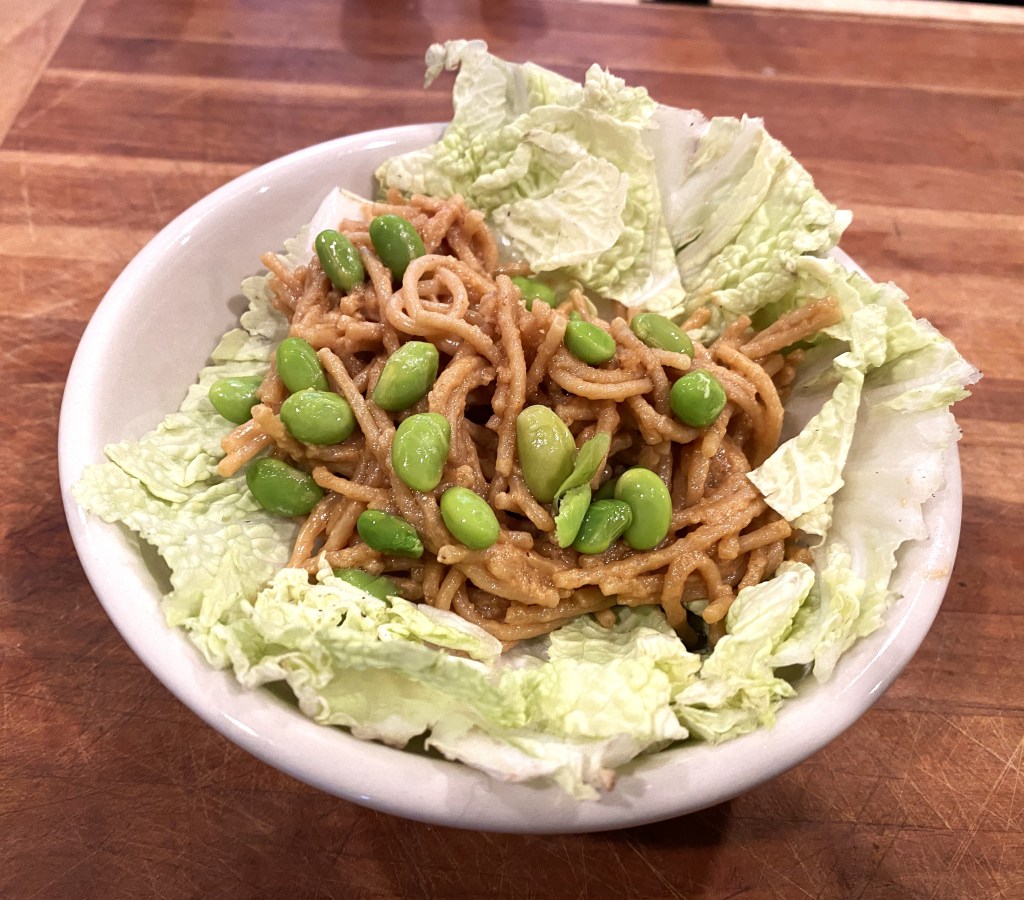
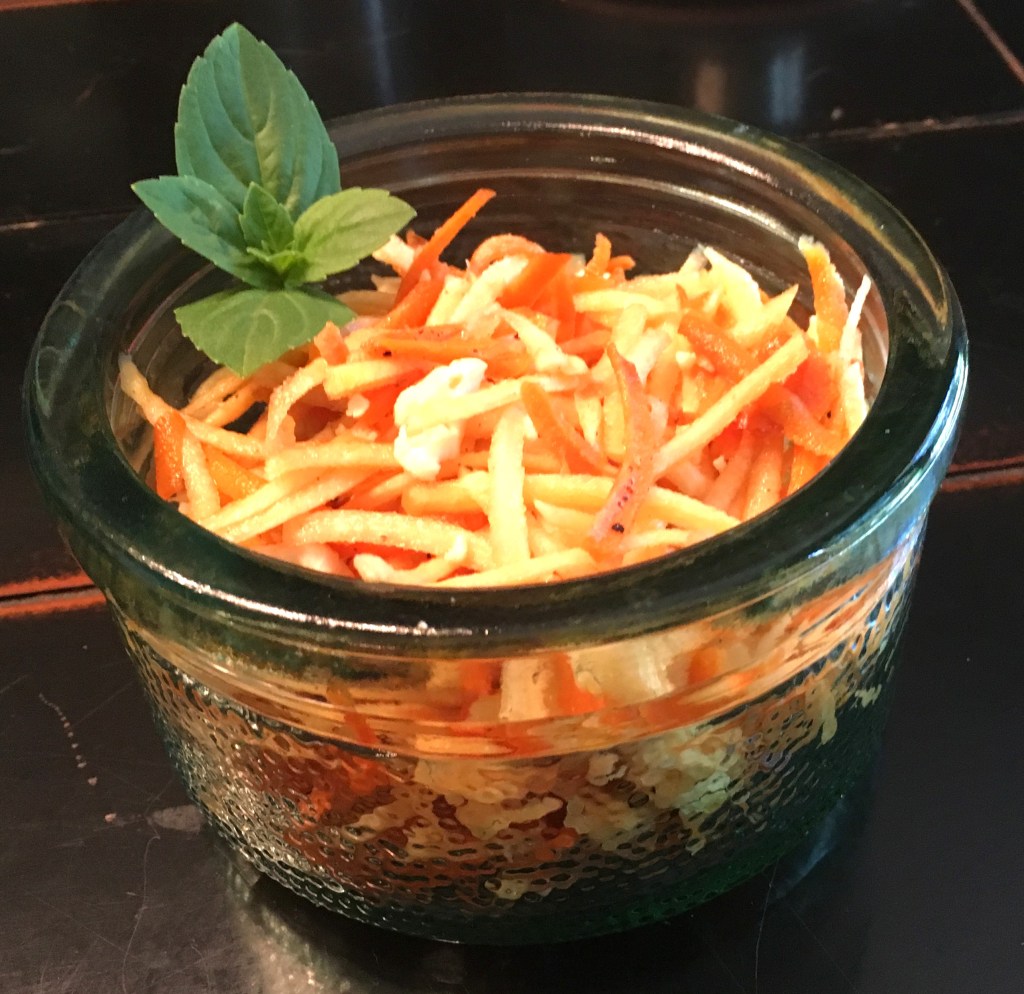
Some of my favorite noodle dishes are Asian noodle salads. Whether dressed with a peanut sauce or a sesame ginger dressing, they are infinitely adaptable, healthy and delicious. Start with noodles of choice – I happen to like whole wheat spaghetti, but any will do. Cook until as tender as you like, drain and cool. Then dress with your favorite dressing and add whatever vegetables you like.
These noodles pair well with thinly sliced napa cabbage, shredded carrots, cooked edamame, scallions, shredded beets, steamed and chopped broccoli or cauliflower, and shredded romaine.
Sesame Ginger Dressing
½ c. oil ¼ c. rice vinegar 3 T. low sodium soy sauce 1 T. brown sugar 2 t. minced garlic 1 t. grated fresh ginger or ½ t. ground ginger 1 t. sesame oil
Whisk and toss with cooked noodles. Serve on a bed of greens and vegetables.
Peanut Dressing
⅓ c. smooth peanut butter 1 garlic clove 2 T. fresh lime juice 2 T. soy sauce 1 t. fresh grated ginger 1 t. sugar pinch cayenne ⅓ c. water
There is something magical about the marriage of sweet potatoes and butternut squash. They have similar textures and colors, but the flavors are unique to each. Combine them with white potatoes and you have a dish of exquisite sweet earthy flavors perfect for the winter season.
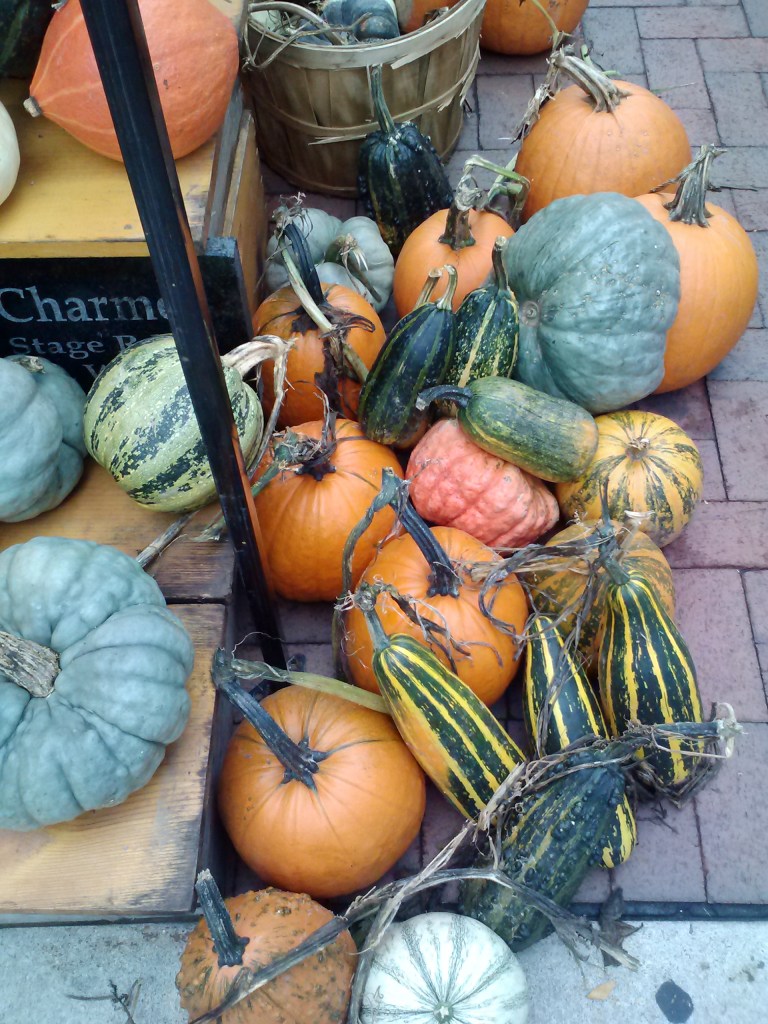
Grocery stores and farmers’ markets have all manner of winter squash, potatoes and sweet potatoes. Butternut squash is commonly available, but this dish is a great chance to try some other squashes like kabocha, Hubbard, Kuri, buttercup or even sugar pumpkins. Each squash has a somewhat unique flavor although they may be hard to tell apart unless you have them side by side.
This dish can be seasoned according to your culinary bent – with fresh or dried herbs, cheese, bacon or pancetta. However you season, be sure to use plenty of fresh ground black pepper and a hint of red pepper for a delectable main course or side dish.
Simply put, you will first make a seasoned creamy sauce, then cook the potato, sweet potato and squash slices until tender and finally layer them, pour over the sauce, top with cheese and bake.
Butternut, sweet potato, white potato bake
(serves 8 as a side dish, 4 as a main dish)
Roux (sauce) 2 T. butter 1 oz. pancetta or bacon (optional) ¼ c. finely minced onions or shallots 2 garlic cloves, finely minced ¼ c. flour 1 ½ c. milk (skim or 2%) Approximately ¾ c. grated Parmigiano cheese ½ t.salt ½ t. fresh ground black pepper ¼ t. ground red pepper
Vegetables 1 large baking potato 1 medium sweet potato Half of one small squash (save the other half for another dish) ½ c. grated gruyere, asiago or crumbled goat cheese
Preheat oven to 375 degrees. Peel and cube the potatoes and squash into ½” cubes. Add to boiling water and boil gently until tender, about 4-5 minutes (may take longer, depending on the density of the squash). You want them easily pierced with a fork, but not falling apart. Drain well.
In a heavy-bottomed saucepan, melt butter and add the pancetta or bacon if using, cooking until crisp. Add onion and garlic and cook until tender, stirring constantly. Reduce heat to low, add flour and cook for about two minutes, stirring constantly with a whisk. Gradually add milk, stirring constantly. Continue stirring over low heat until the sauce thickens. Add the parmesan, salt and pepper and remove from the heat.
Arrange vegetables in a shallow baking dish and pour sauce over the vegetables. Top with cheese and any desired herbs. Bake uncovered for 40 minutes. If desired, you can then put the dish under the broiler for 3 or 4 minutes until it is golden. Let stand ten minutes before serving.
This dish goes well as a side with any smoky meat such as barbecued ribs or smoked sausage. A perfect accompaniment is homemade applesauce, dusted with cinnamon.
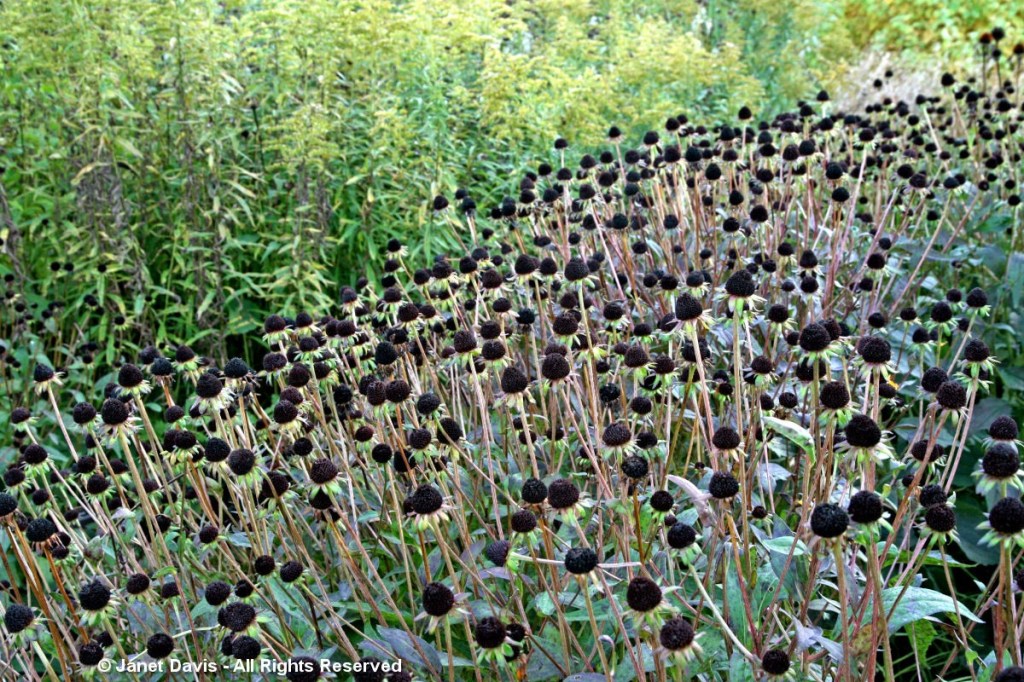
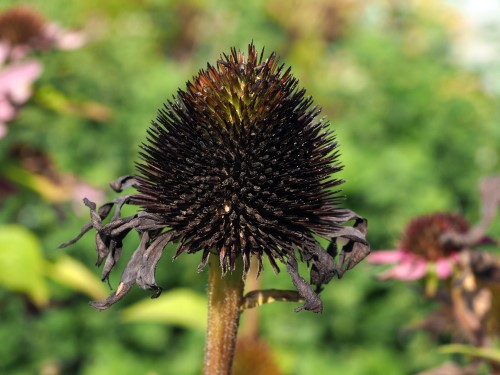
If you take a look at my garden at this time of year, it looks a bit messy with seedheads and dead foliage left standing.
During the growing season, we happily deadhead spent flowers and cut back dead foliage. But at this time of year, that foliage provides a habitat for pollinators to overwinter. And those seedheads provide food for birds. Goldfinches, chickadees and other songbirds survive on the seeds through the winter.
Sometimes it takes a shift in our thinking to learn to appreciate something we’ve always thought was unattractive. If you look at how nature does it on a prairie, meadow or in the woods, nothing is cut back or removed. Everything is left standing through the winter, and then the new plants grow through the old leaves in spring.
Maybe it is time for a mind reset so we can learn to appreciate the standing foliage and seeds. They are, after all, snuggly homes for all those pollinators we try so hard to encourage throughout the growing season.
This doesn’t mean you can’t have a lightly groomed landscape instead of a typical meadow, so you can certainly cut back some of the foliage as it dies, but try to leave much of it to catch snow and rain through the winter. And use the “chop and drop” method of cleanup – as you cut it back, cut it into smaller pieces and allow it to drop in the bed. It will give your beds a natural mulch for the spring plants to emerge through.
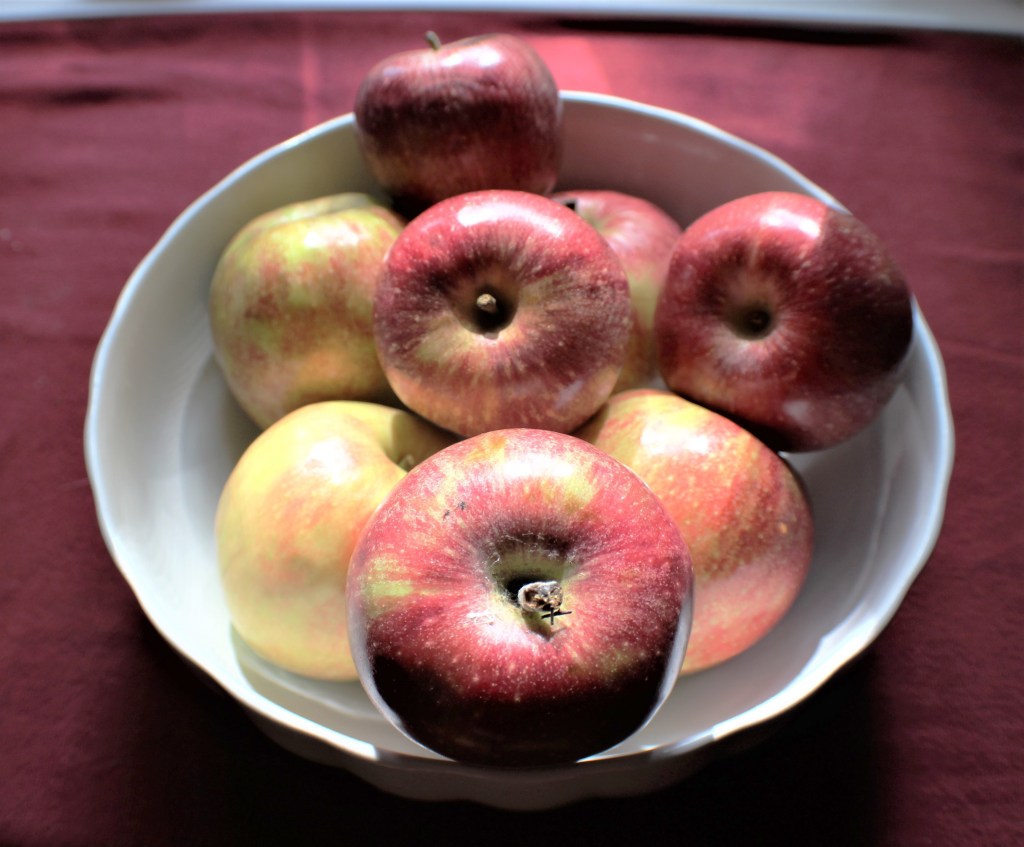
And apples are in! Cool autumn evenings call for the scent of apples and cinnamon wafting through the house.
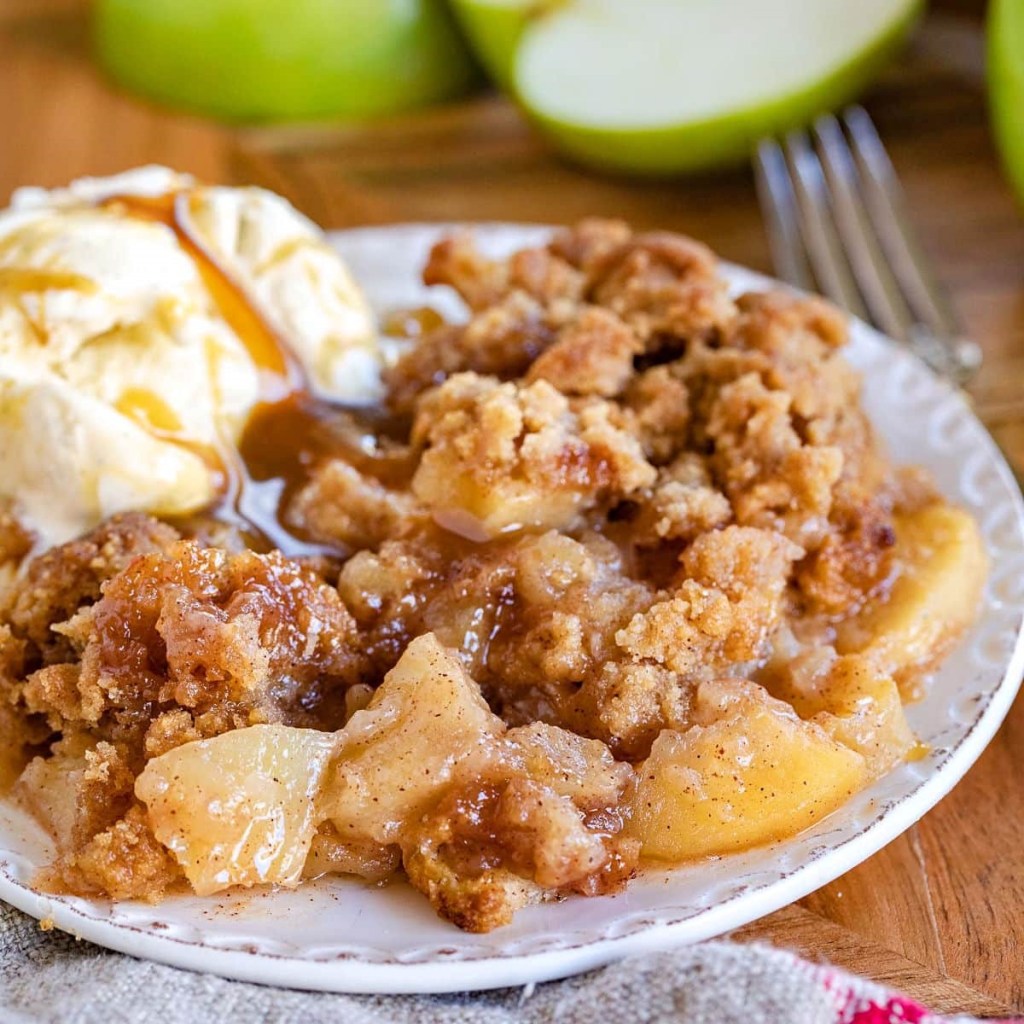
Here’s an easy fruit crisp
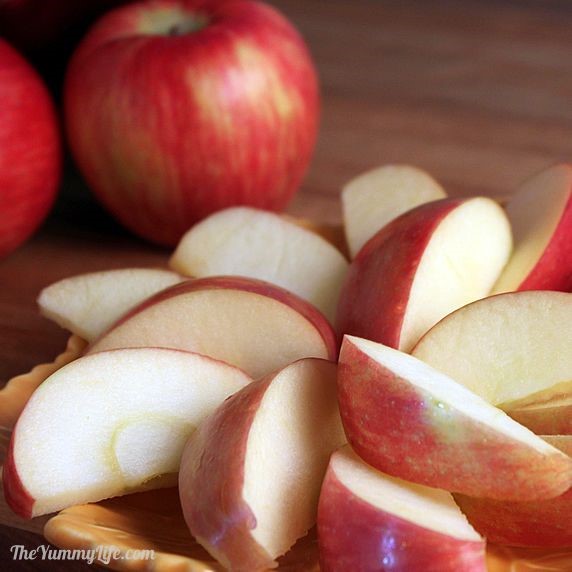
Simply fill a deep baking dish with two to four cups of sliced and peeled apples. Dust with cinnamon and top with a crumbly crust. Bake for about half an hour at 350 degrees
Crunchy topping
1 c. regular oatmeal ½ c. brown sugar ½ c. flour 1 t. cinnamon ¼ c. defrosted apple juice concentrate
Mix the first four ingredients; drizzle apple juice into the oatmeal mixture. Stir until the mixture forms small clumps. Spread mixture on top of the fruit and bake for 30 minutes at 350.
Alternate topping
⅓ c. chopped toasted walnuts ½ c. flour ½ c. rolled oats ½ c. brown sugar 1 T. granulated sugar ¼ t. cinnamon ¼ t. nutmeg ¼ c. softened butter
Mix dry ingredients well and then cut in the butter until it forms small clumps. Continue as above.
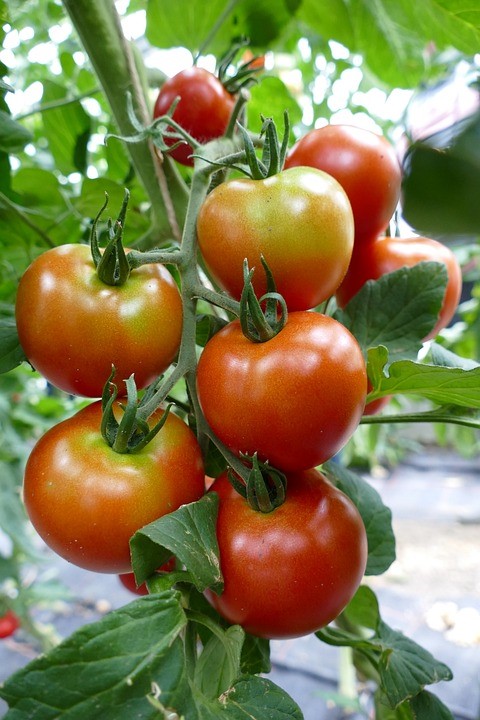
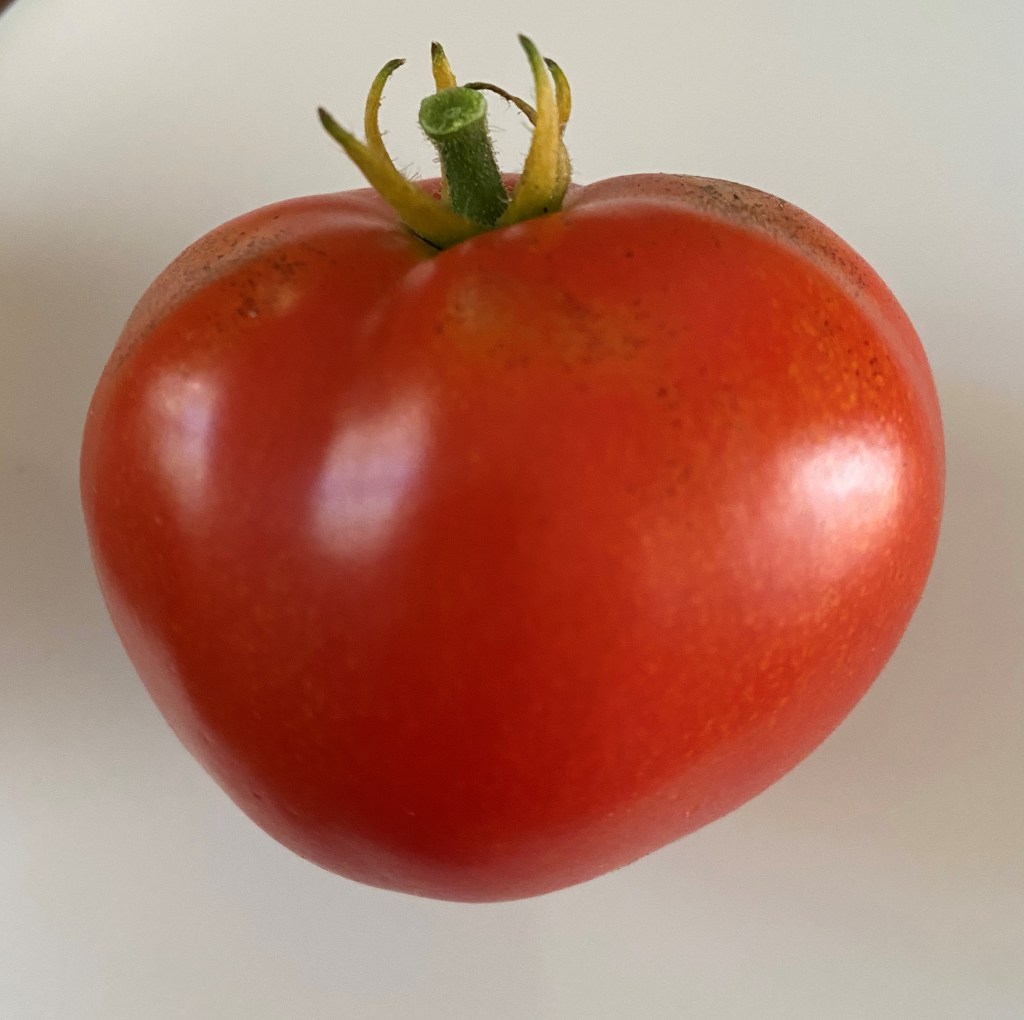
Lots of tomatoes, lots of tomatoes! The season is definitely winding down, but the tomatoes are still fabulous and plentiful. When I find my kitchen is full of them at this time of year, I just quarter and throw them in a roasting pan with onion and garlic and a splash of olive oil.
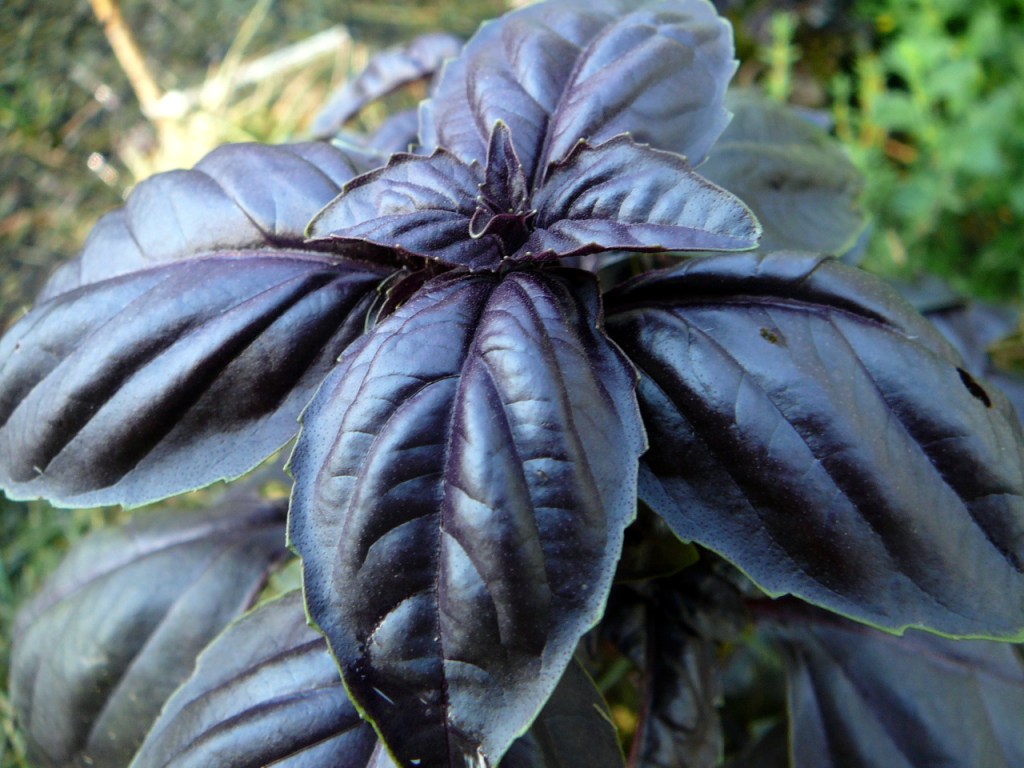
Opal basil
And, then, I can make all sorts of tomatoey things. But my favorite right now is tomato basil soup. When the tomatoes come out of the oven, I throw them in the blender with some stock and basil. I then stir in some plain yogurt or half and half, adjust the seasonings and have a delicious early fall soup.
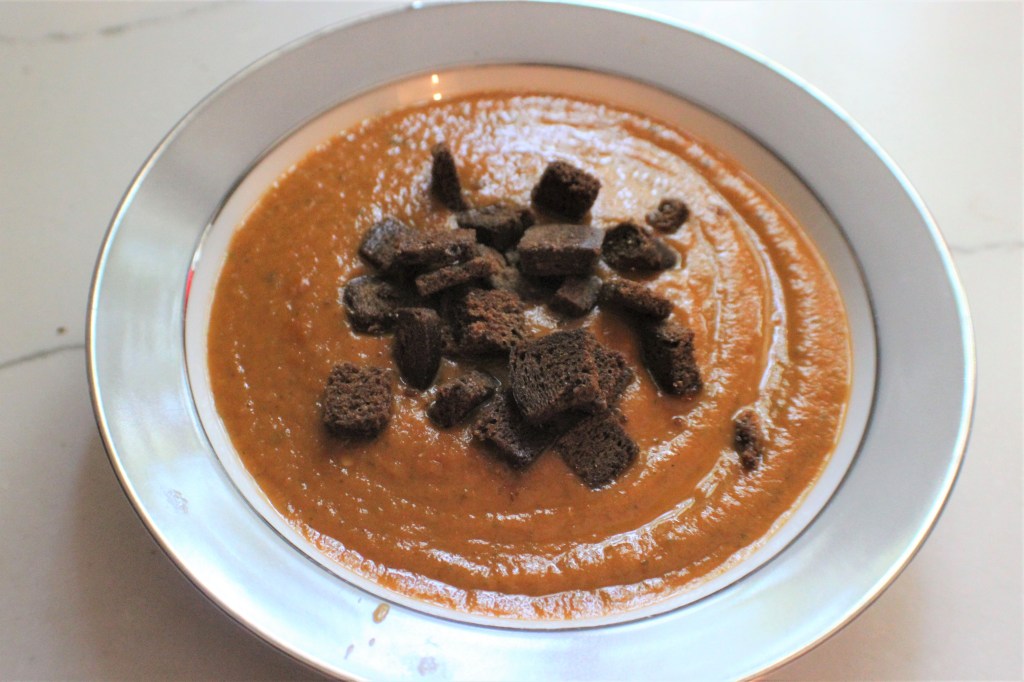
Tomato Basil soup with pumpernickel croutons
Tomato basil soup
2 cups quartered fresh tomatoes (you can also use canned tomatoes)
2 T. olive oil
½ onion, coarsely chopped
1 clove garlic, coarsely chopped
2 c. broth (chicken or vegetable)
½ cup minced basil
½ c. half-and-half, coconut milk, plain yogurt or pureed cannellini beans (optional)
salt and pepper to taste
Preheat the oven to 375. Film a roasting pan with some of the olive oil. Toss in the vegetables, drizzle with the rest of the oil, and roast for about an hour, stirring occasionally. The longer they roast, the more caramelized they become (which is good!).
Remove from the oven and cool slightly. Add basil and puree with a hand or countertop blender. You can puree it until smooth or leave it somewhat chunky. Stir in half-and-half or another cream if you wish and season to taste with salt, pepper and even cayenne if you want a little spunk. Pour into bowls and garnish with garlic croutons, scallions, feta or goat cheese, or parmesan.
It may be the end of sweet corn season, but you can still find it at markets and the grocery store. I am not quite ready to give up that summer flavor. It’s not as sweet for fresh eating as it was earlier in the season, but is definitely worth the purchase for the freezer. Or for my favorite, corn soup. I’ve written before about corn chowder, which I also love, but this recipe for corn soup is one I find myself craving. It’s easy and quick and satisfies the need for a creamy, comforting soup for the cusp of fall.
Corn Soup
4 cobs of fresh corn (you can also make it with frozen corn)
½ onion, minced
4 T. butter (don’t be tempted to use oil – the butter flavor makes it perfect)
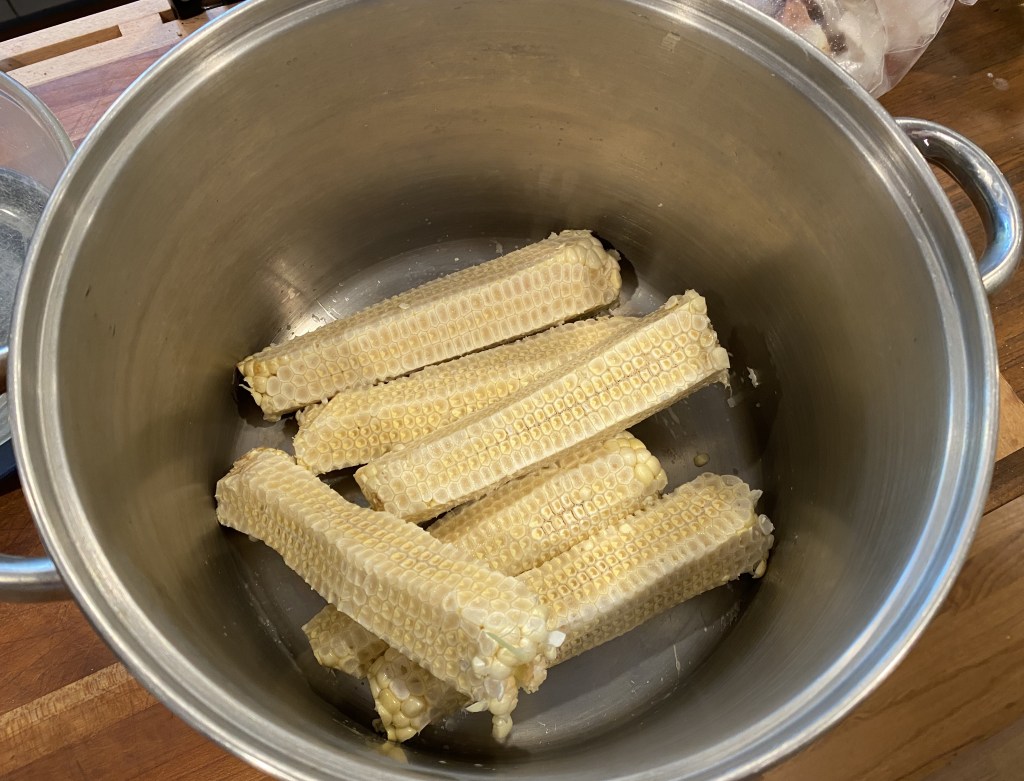
Cut the kernels from the cobs and then use the back of the knife to scrape all the “milk” into a cup. Save the cobs to make stock.
Melt butter in a heavy saucepan and add the onion. Saute the onion until soft, about five minutes. Add the corn kernels and saute another five minutes. Remove from the heat, add one cup of milk and puree to your liking. Add enough more milk to make it soup-like – as thick as you like it. If you choose, pour the mixture into a sieve to remove most of the solids. If you prefer a more rustic soup, just puree to your taste. Heat gently for a few minutes, and season to taste. Finish with a swirl of sriracha.
Riffs on corn soup:
Use grilled or roasted corn kernels for a smoky flavor Add roasted sweet peppers Add a bit of garlic when you saute your onions Use leeks instead of onions Serve with crumbled crisp bacon on top
Corn stock for the freezer.
This creamy stock adds an extra lift to pasta soups, mac and cheese, or any other dish you want to add smoothness to. Put leftover cobs in a pot and cover with water. Add onion peelings, garlic peelings and some celery leaves. Simmer for a couple of hours. Strain and freeze.
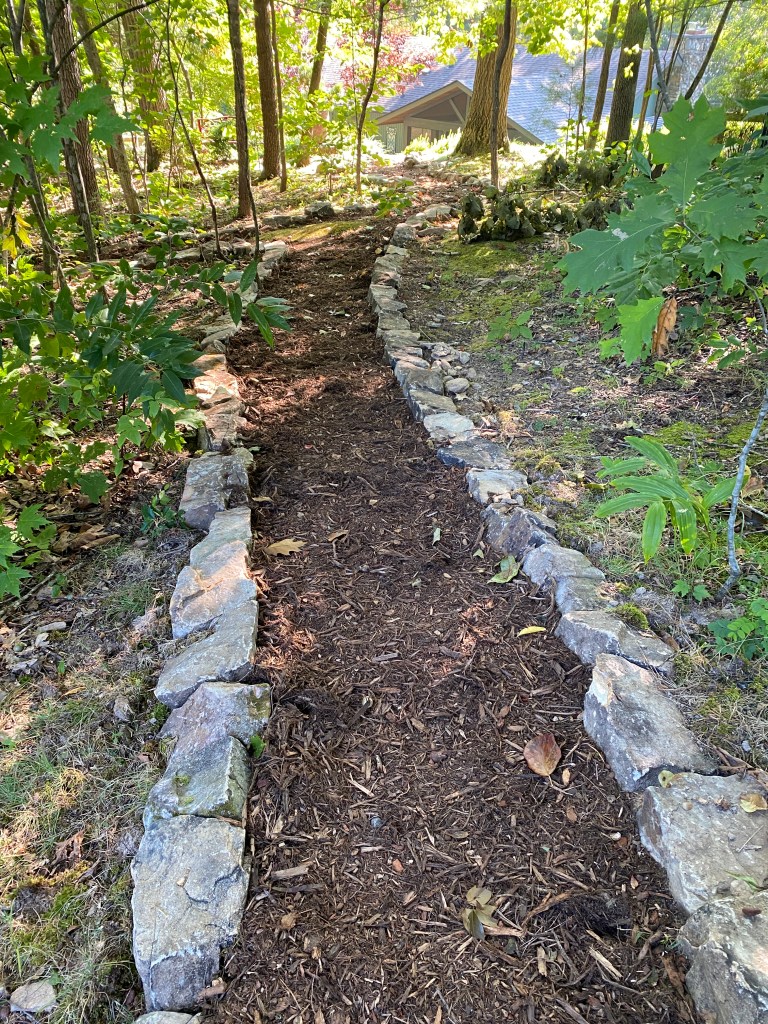
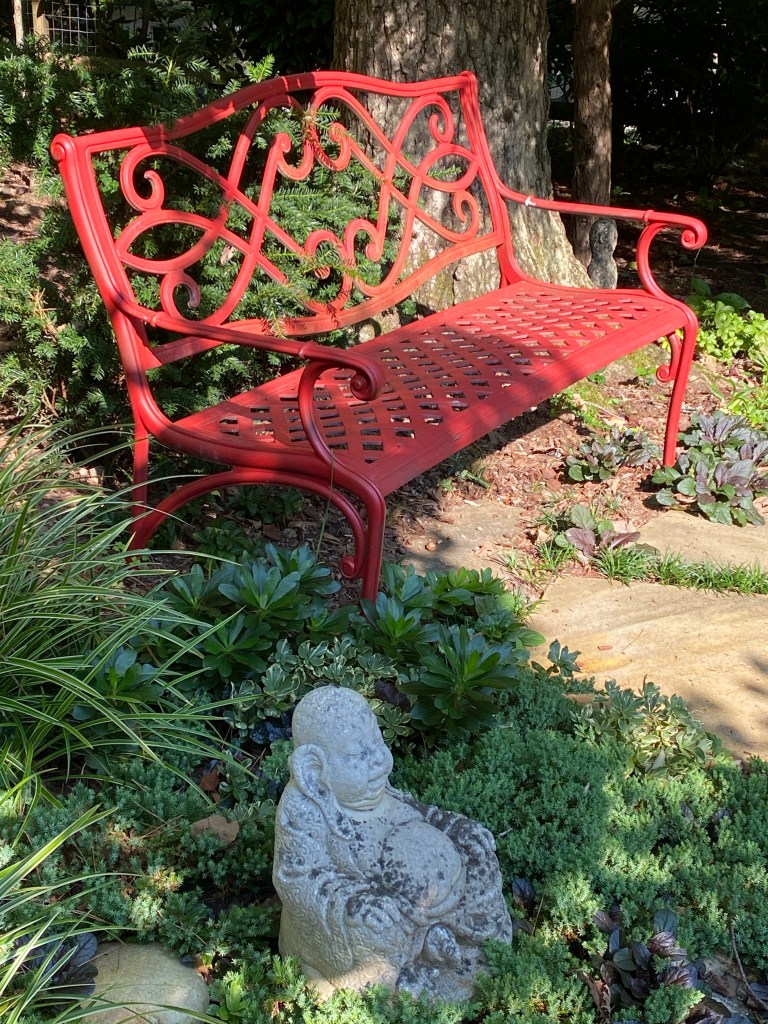
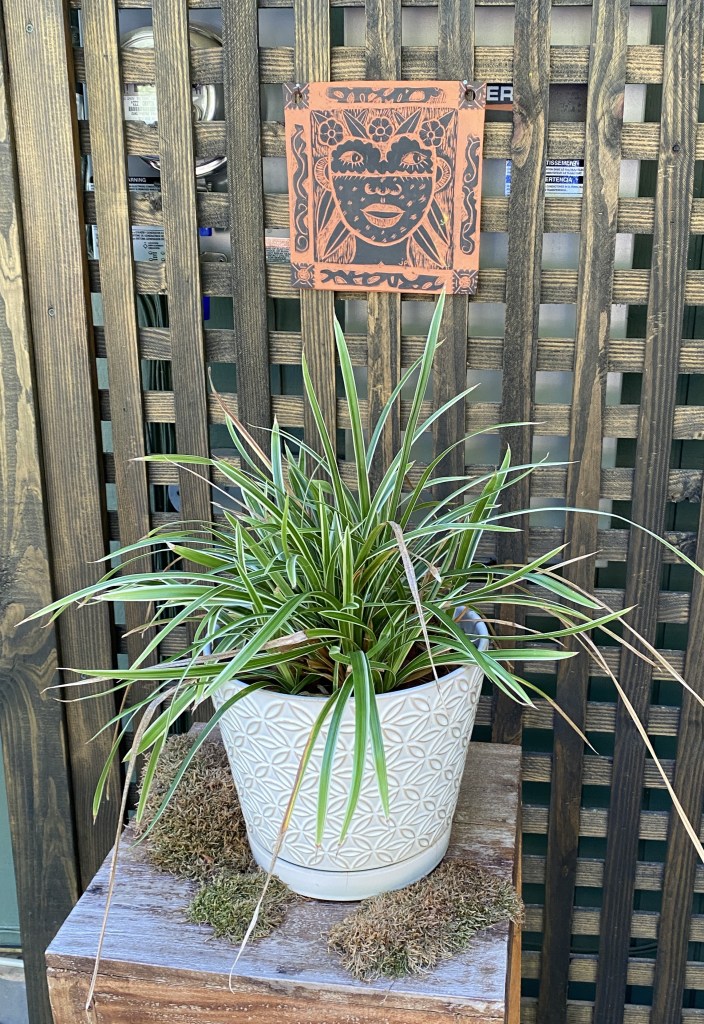
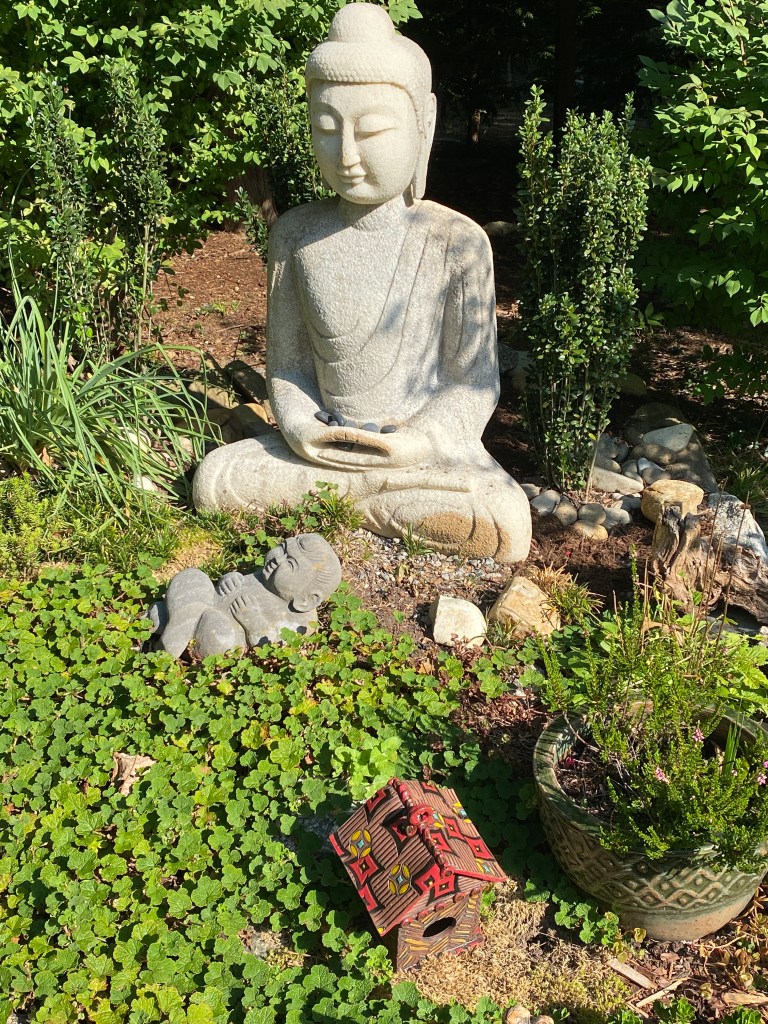
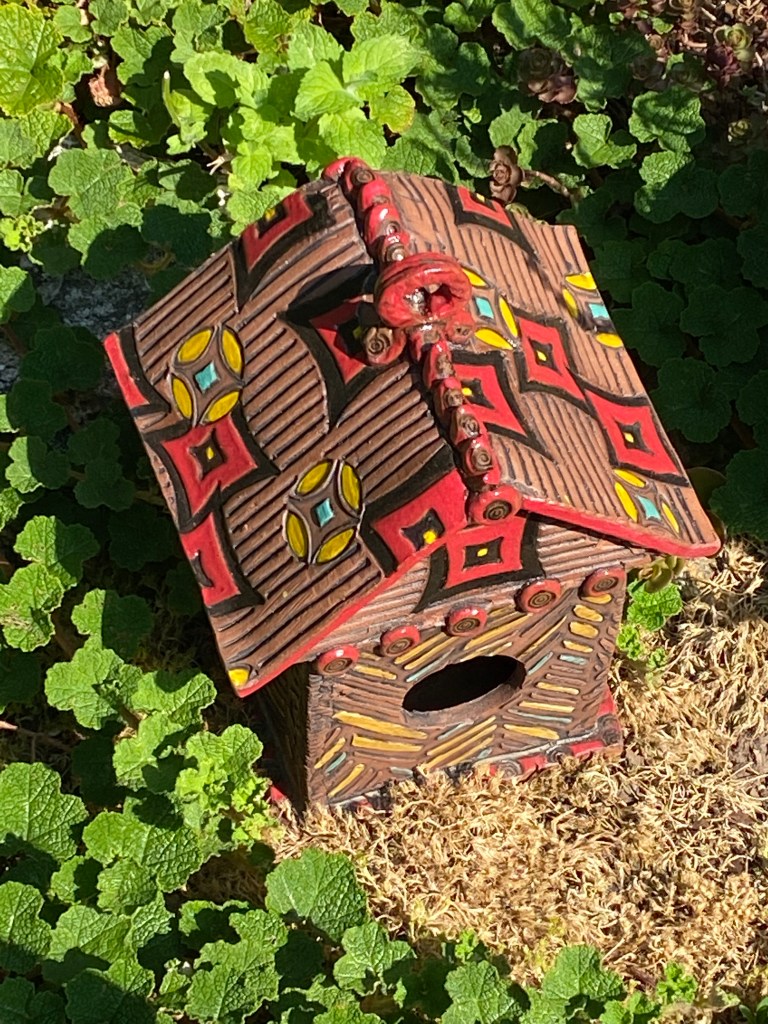
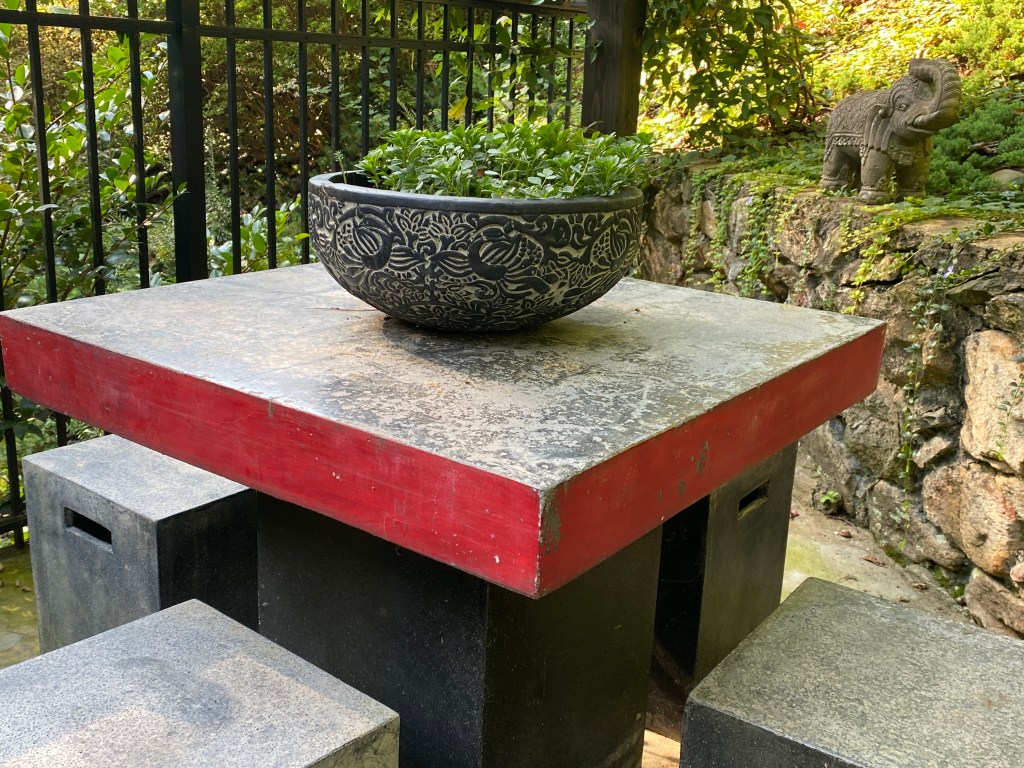
My friend Janie is an artist. An amazing artist and a beautiful soul. Her charming works of art are scattered throughout her garden which reflects her beauty and eye for art and design. Her art pieces set off and enhance the garden’s beauty. Her use of color, texture and whimsy invite you to stroll into this place of serenity, a true haven for reflection and relaxation. Walk with me through her garden.
Buddha Bowl
A soothing zen-inspired Buddha bowl recipe for a late summer evening – make it your own with whatever vegetables are available and make it beautiful.
My favorite Buddha bowl
Slice into rounds or matchsticks or shred: radishes carrots red cabbage massaged kale cucumber roasted sweet potato microgreens
Marinated carrots
Artfully prepare your favorite beautiful bowl with the ingredients in separate sections. Squeeze some lemon over the vegetables. Spoon cooked grain or rice into the center and top with cooked chickpeas or lentils. Dust with sesame or flax seeds. Drizzle with dressing and find a restful place in the garden to enjoy.
Avocado Jalapeno Goddess Sauce
1/4 ripe avocado
2 T. tahini or Greek yogurt
Juice of 1 lemon
1 c. fresh cilantro
1 jalapeno, seeds & ribs removed, finely diced
1 clove garlic minced
1/2 tsp. cumin
1/2 tsp. salt
Add all ingredients to a food processor and process until smooth. If it seems too thick, add 1-2 Tbsp. water until you achieve desired consistency.
This time of year brings so many good vegetables, whether through a CSA box every week with more than you can possibly eat or a garden that is inundating your fridge. Or even friends offer extras from their own gardens. How do you avoid wasting all this goodness as well as stock yourself up for the winter months?
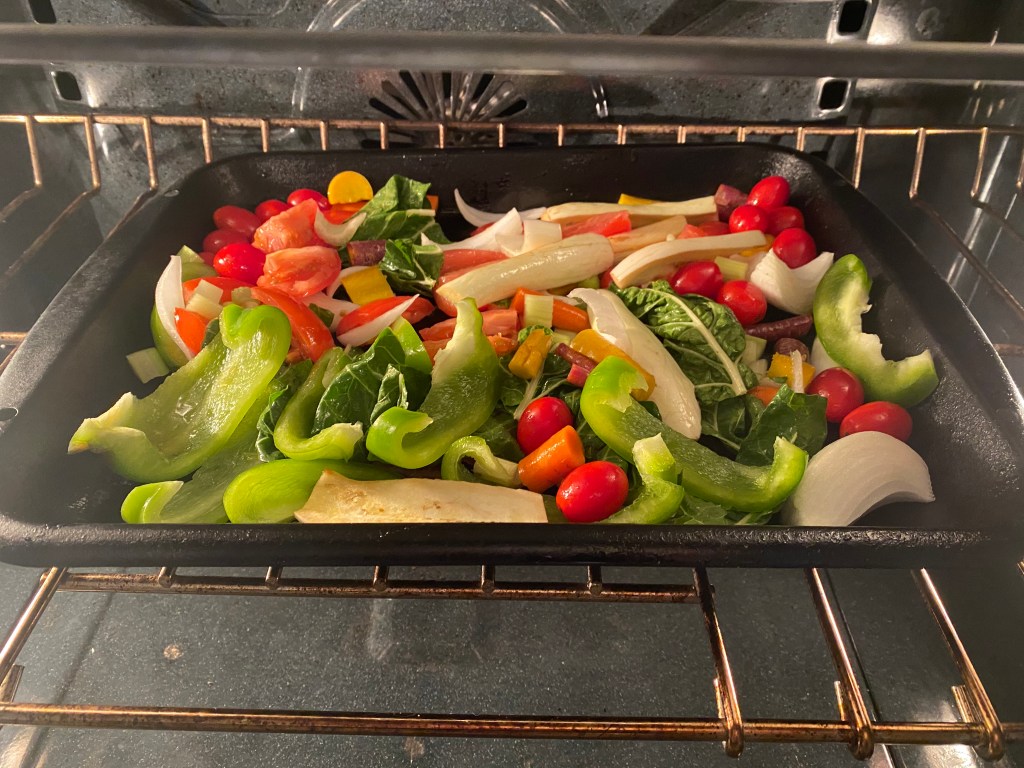
My answer is to roast! Whenever I have loads of extra chard, mushrooms, leeks, onions, zucchini and eggplant, instead of succumbing to feeling overwhelmed, I toss them all into a roasting pan.
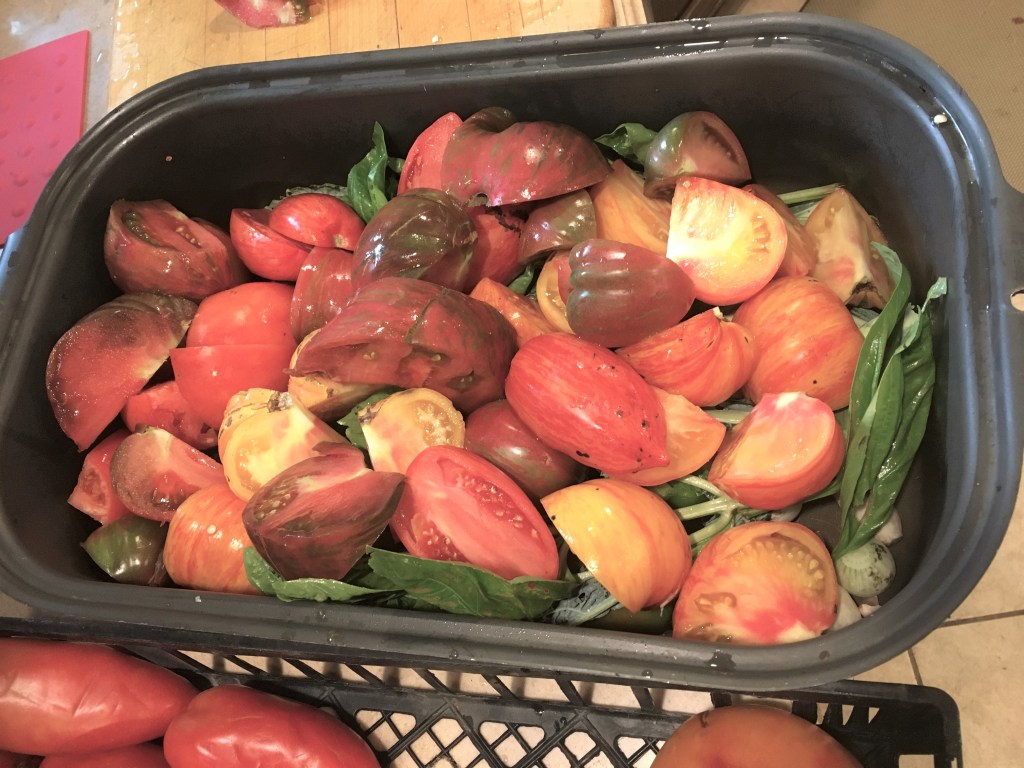
Red and yellow tomatoes, onions and garlic
Make delicious soup
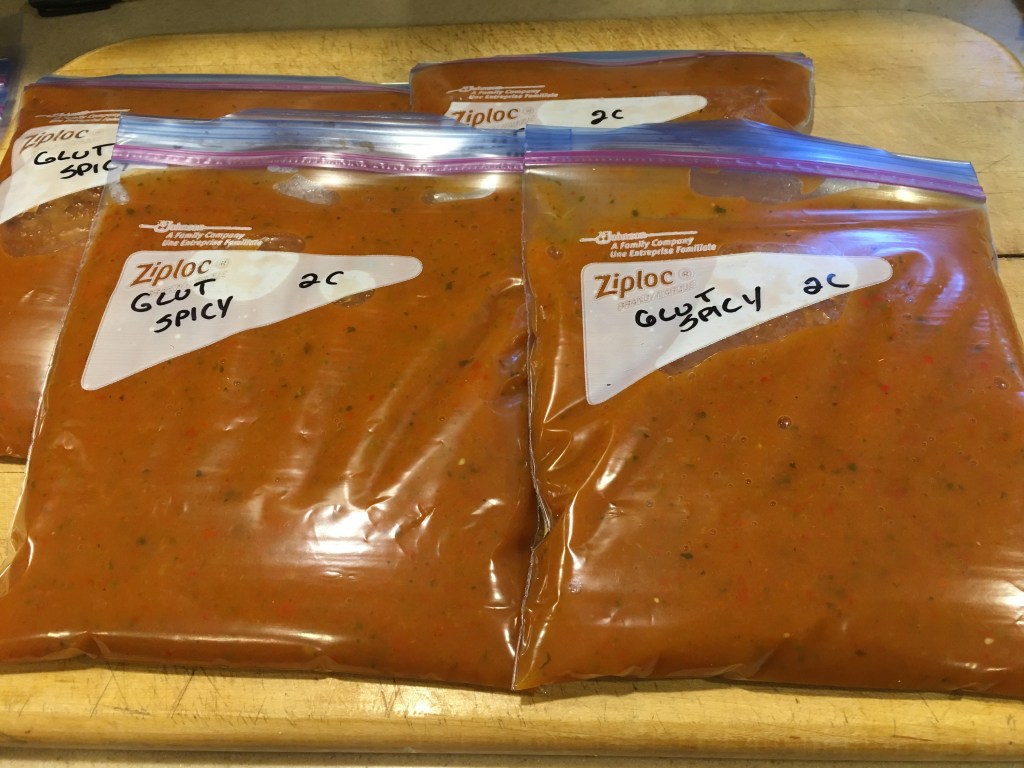
It is amazing how combining roasted vegetables of all types with plenty of onions and garlic turns them into savory creations. I roast until everything is quite soft and then purée with a little stock if necessary. Freeze the pureed vegetables to use later as a soup base or pasta sauce. Or, to make a hearty one-dish meal immediately, add some evaporated or coconut milk, chopped sauteed vegetables of choice, cooked beans and/or cooked grains or pasta. A great result of this process is that the sauce never quite tastes the same.
A sauce made of mostly tomatoes is great for traditional pasta sauce. Sauce with spicy chiles added makes a good base for chili.
It’s easy to adjust seasonings according to your tastes. Add basil and oregano for an Italian twist; add cumin and chili powder for Mexican; add marjoram, a hint of cayenne and basil for Mediterranean.
Tomato Glut Sauce
I found this recipe years ago from a magazine called This Organic Life and have adapted and used it ever since. Film a large roasting pan with olive oil and cut up about six pounds of tomatoes – this is a great time to use those that have blemishes or splits because you can simply cut that part away. Chop and add one or two cups of whatever vegetables are coming in at the time such as onions, carrots, zucchini, celery and Swiss chard.
If you plan to use a food mill, you don’t have to take out tomato cores. If you plan to use a food processor, core the tomatoes before cooking. I don’t peel or seed my tomatoes but you can also blanch and peel and/or seed the tomatoes if that’s your taste. Throw in several cloves of garlic, some sprigs of fresh thyme, oregano, basil, and parsley. Splash with balsamic vinegar and roast for about an hour. The sauce will cook down and lose a good bit of moisture, and the vegetables will start to caramelize. Run through a food mill, food processor, or simply put in a high-power blender. Salt and pepper to taste, and use immediately or freeze.
I’m going to change things up a bit for my blog and feature special gardens, special gardeners, and special gardening techniques in addition to cooking from the garden.
One of the best finds right now is my friend Venny’s garden. She is an artful shade gardener and has a spectacular landscape. Here is her description of her garden!
Photo by Venny Zachritz
Greetings from Asheville!
I’m Venny and I am passionate about gardening. In the last 30 years I have lived in the southwest, the southeast, the mid-Atlantic Appalachian mountains of Maryland, and now the foothills of the southern Appalachian mountains in Asheville. I learned, through trial and error, how to garden in each of these locations but adding color to my landscape was never an issue until now.
My north Asheville home sits on the slope of a hill, as most Asheville homes do, and the yard is almost completely shaded by trees of various species, ages and sizes. Over the years I have thinned out some trees to open an area for a small plot of pollinator plants and a woodland area for native azaleas. But in the summer months there is little color variety – mostly shades of green.
Photo by Venny Zachritz
After spending years of buying sun-loving annuals and having them languish, I have now learned how to use different shades of green to add color and texture.
I line the edges of my garden with shade-loving variegated or chartreuse perennials. I love using hostas and am drawn to the variegated ones, in white, cream and gold, for their color. I also use chartreuse-colored Japanese forest grass (Hakonechloa) and striped sedges (Carex) to add light and texture.
Photo by Venny Zachritz
I’ll drop in some caladiums and coleus for spots of color. Then, some yard art (not elves or flamingos, please) and colored pots of shade-loving annuals, and the shade garden is now filled with color and whimsy.
Photo by Venny Zachritz
Shade gardening has been, for me, one of the most challenging types of gardening to learn, and adding color to a summer shade garden has turned into a fun annual activity.
In this high season of summer, it’s natural to write about what’s inspiring right now. Mostly summer vegetables and beautiful gardens. Squash, tomatoes, eggplant, cucumbers.
Summer squash, tomatoes and eggplant are delicious in a simple layered dish cooked quickly to keep the kitchen cool. Layer with rich cheese, dust with panko and parmesan, and voila – you have dinner!
Summer squash
Puree fresh tomatoes, cucumbers and peppers to make a delicious gazpacho. Season with a chili and garlic, and drizzle with good olive oil and sriracha for a cool, filling drink or soup to start your meal.
For a little more complicated squash dish, my favorite:
Sweet peppers
Summer Squash Cheese Custard
2 large yellow squash, sliced into ½-inch rounds (about 4 cups)
1 medium onion, coarsely chopped
1 large clove garlic, chopped
3 ounces goat cheese or other cheese, grated
¼ cup cornmeal
2 eggs, beaten
1 cup milk
3 tablespoons chopped fresh dill, plus sprigs for garnishing
1 teaspoon kosher salt
½ teaspoon freshly ground black pepper
Preheat the oven to 400°F. Steam the squash until tender. Saute onion and garlic until tender.
Drain squash. Add all ingredients to a blender and puree until smooth. Pour into an 8-by-8-inch baking dish or 6 individual ramekins that have been coated with cooking spray. Bake at 400°F for 40 minutes (35 minutes for the ramekins) or until golden brown on top. Serve warm or at room temperature.
You must be logged in to post a comment.