Vegetable Misfits

They may be ugly but they’ll taste wonderful

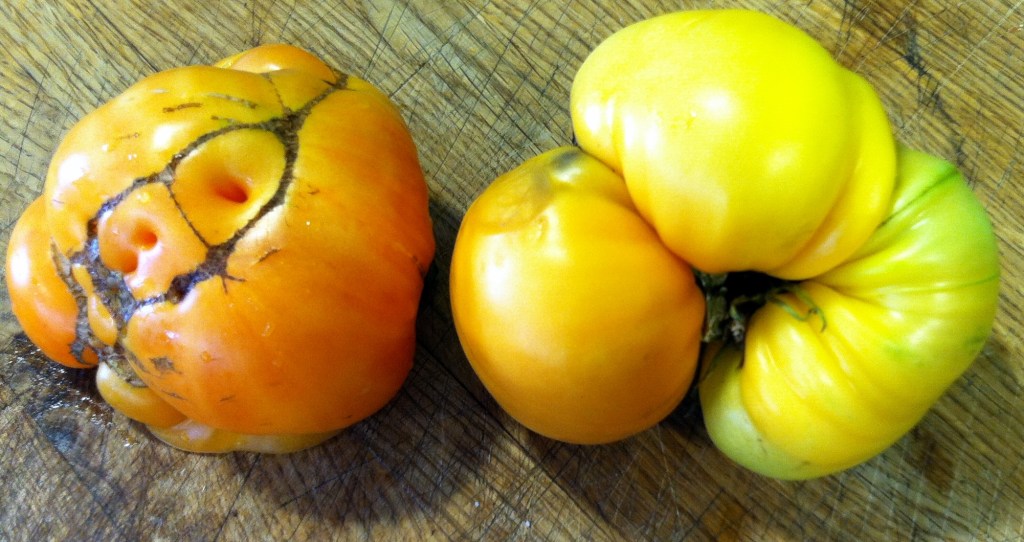
Let’s be honest – none of us is perfect. Including the vegetables we so carefully nurture in our gardens. But why should the forked carrot, the split beet or the knobby tomato be shunned in favor of their more perfect counterparts? 

The French started a national campaign several years ago called “The Inglourious Fruit.” It was a public relations campaign to get French citizens to slow food waste by purchasing and eating those fruits and vegetables that are not perfect. These were discounted in grocery stores and markets, and the campaign was a huge success. There are several companies in the US that do the same – ship not-so-perfect vegetables and fruits for a fee.

What a wonderful testament to humans – that we really do care about reducing food waste and feeding our bodies with healthy vegetables and fruits. I’ve made a promise to myself to try to use the oddballs in the garden and as much of every vegetable as I can.

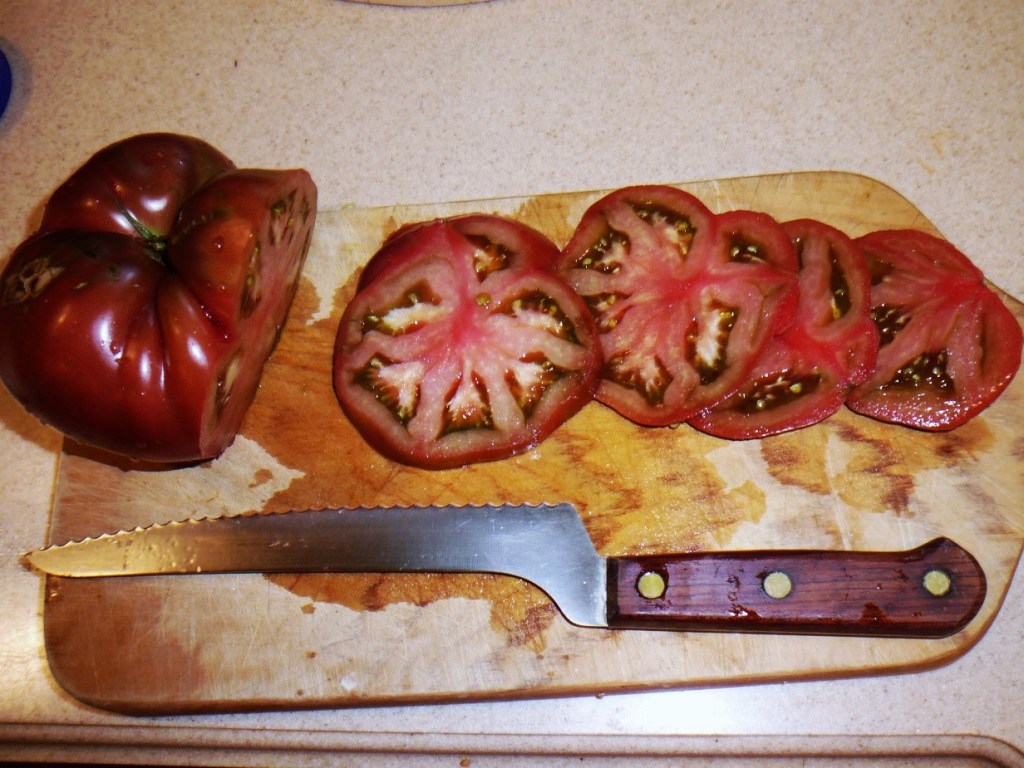
While a chopped up tomato with the ugly parts removed may not make the best presentation, it still tastes just as good as a pristine heirloom. And face it, have you ever seen a perfect Brandywine tomato?

Use those misfits in sauce

Instead of discarding the chard leaves that have been somewhat chewed, I throw them in a bag in the freezer to add to a “glut” sauce or to make vegetable broth. I’ve seen recipes where cilantro stems, carrot tops, cucumber peelings can be pureed and frozen to use in soups in the winter. 

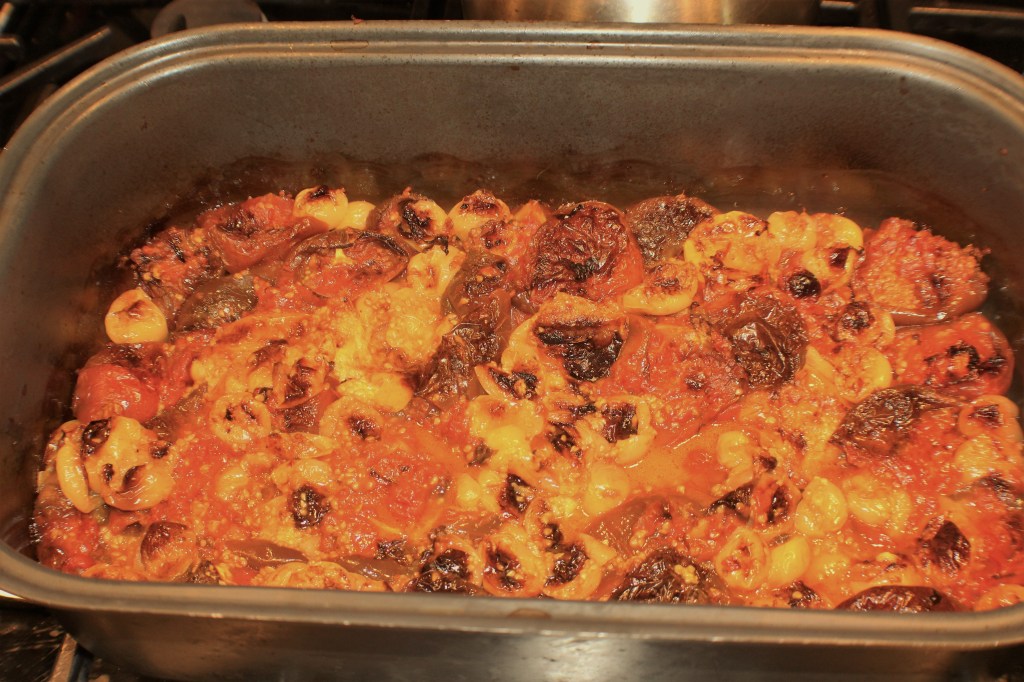
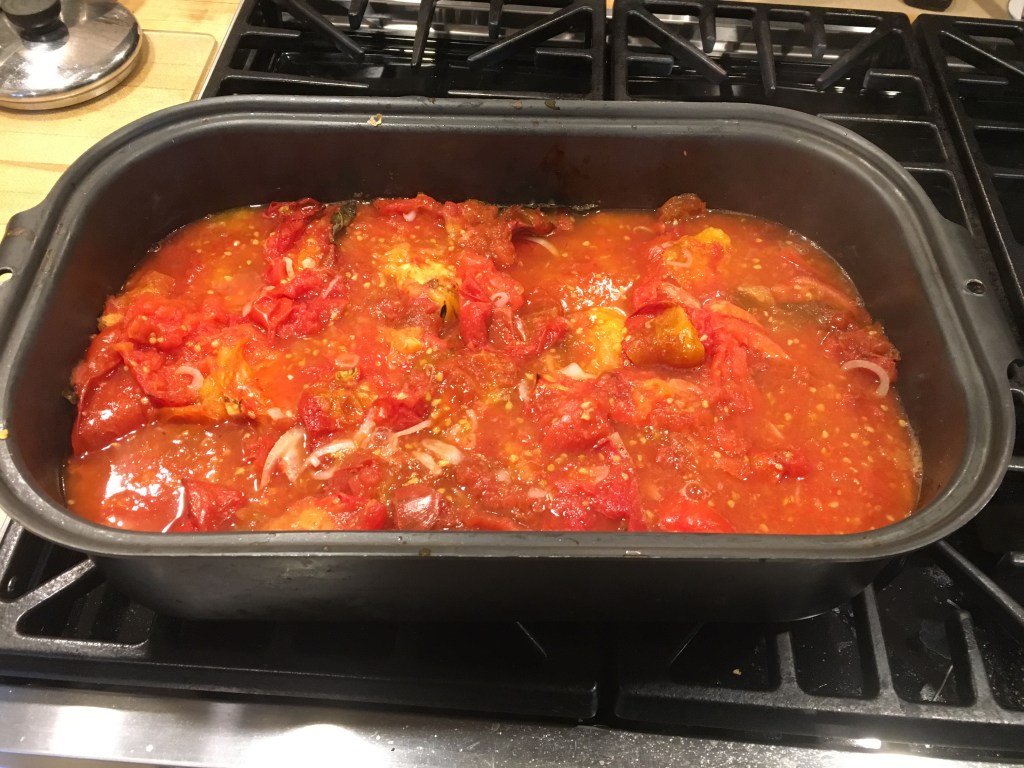
One of my favorite things to do at this lush time of year when produce is absolutely overwhelming is make “glut” sauce. I put whatever is coming in, especially those imperfect vegetables, into a large roaster with herbs and garlic and roast until everything is soft. It then gets pureed or milled pasta sauce or spaghetti sauce base. 

Here’s a great recipe to use those imperfect tomatoes and eggplants. And the recipe lends itself to whatever you have in the garden

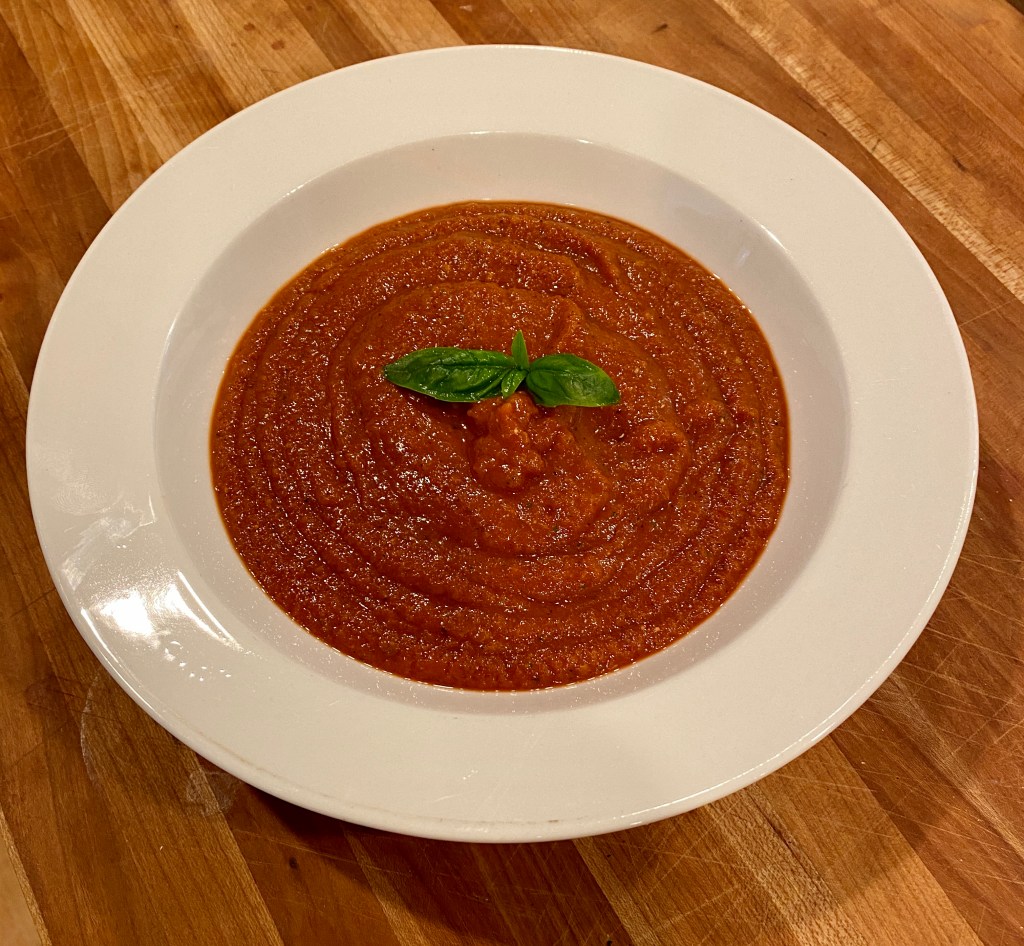
Roasted eggplant and tomato soup

1 cup roasted eggplant (any type of eggplant, peel if the skin is tough)

1 cup roasted tomatoes

½ cup roasted onions

1-2 cloves roasted garlic

½ c. unsweetened coconut milk

½ c. vegetable or chicken stock

Salt and pepper to taste

Herbs of choice

You can put eggplant, tomatoes, onions and garlic in one roasting pan. Drizzle with olive and roast at 375 degrees until quite soft and beginning to caramelize. Mix all ingredients together and puree. Serve hot or cold. Drizzle with sriracha and a dollop of sour cream or plain yogurt if you choose.  

Corn chowder

Summer vegetables are so plentiful right now that it’s almost an overload with tomatoes, peppers, eggplants, and most of all corn. Corn is at its peak in a lot of states right now, and the sweet Silver Queen, Peaches and Cream, Honey and Cream cobs will soon be just a sweet memory. 

So, we’ve been having corn every few meals in our house, and always seem to have a couple of ears left over. I scrape the kernels to use in salads, stir fries, and my favorite, corn chowder. Even though the hot days of summer don’t always bring soups to mind, summery corn chowder is unlike a regular soup. It’s not heavy and rib-sticking like a minestrone, but sweet, light and chock full of flavor. 

You can make a chowder from any number of vegetables, and I like to spunk mine up with some cayenne pepper or chopped chilies. This recipe certainly lends itself to using whatever you have in the garden, so feel free to add roasted peppers, roasted eggplant or zucchini. Add some bacon for smokiness (or use grilled corn), chopped fresh sweet bell pepper, tomatoes, cucumbers and scallions as a garnish. 

Summery Corn Chowder for two

2 ears sweet corn, kernels cut from cob (can be fresh, already cooked or frozen)

1 T. butter (don’t be tempted to use oil – the butter gives it an unsurpassed  flavor)

½ c. chopped onion

1 T. flour

1 clove garlic, minced

2 c. water or broth

2 c. potato cut into small cubes

1 c. buttermilk or half and half

Salt and pepper to taste

Garnishes:

1 slice bacon, cooked until crispy and crumbled

1 scallion, sliced

Cayenne pepper or smoked paprika

Minced sweet bell pepper

Chopped fresh tomato

Directions:

In medium saucepan, saute onion and garlic in butter until soft. Sprinkle with flour and stir. Add corn, broth and potatoes, turn heat low and simmer until the potatoes are tender, about 20-30 minutes. Turn off heat and stir in buttermilk or half and half. Pour half of mixture into blender and blend until smooth. Return to pan and heat gently, not boiling. Salt and pepper to taste. Serve with your choice of garnishes. 

Paths and tomatoes

I’m so fortunate. I get to walk a woodland path every morning. I’ve come to rely so much on the relaxation and stress relief that I walk regardless of the weather. Walking in the rain is a sensory miracle. Walking in fog is ethereal. Walking in snow is a quiet, softly soulful experience.

What is it about paths that beckon us to come hither, to explore something new? When you enter the woods, you’re instantly enveloped with the cool, quiet ambience of the forest. 

On a hot summer day, the woods beckon you as being cool and shady. The cool darkness is welcome, and the soft air soothes. If the weather is humid or foggy, the moisture envelopes you like a velvet cloak, and makes you slow down and amble.

The scent after a rain is of water dripping off leaves and  wetting the soil. When the woods are dry, there’s the scent of honeysuckle or wild rose. Pine groves are filled with the scent of pungent resin.

Then again, on a cool autumn day, sunny glades draw you forward, and the warm sun makes your skin prickle. As the leaves begin to turn, the woods turn into a glorious golden aura and they are filled with the acrid scent of crinkly oak leaves. As the leaves fall, they begin to obscure the paths. 

If you traipse the woods daily as I do, you notice nuances on the paths taken. Most of the paths I walk are well-trodden, which is a good thing when I’m wandering in my mind and not paying attention to where I’m going. But a path that is well-trodden means that I don’t have woods to myself.

This is a good thing because it means that many others are enjoying the woods as well. But I’m a bit selfish. I love the time alone, the quiet, and in reality I end up seeing few others.

When we do meet someone, it’s usually someone with a dog, which makes my dog extremely happy. The woods don’t belong to me, and my happiness at having an opportunity for “forest bathing” means I will happily share this lovely place.

Recipes

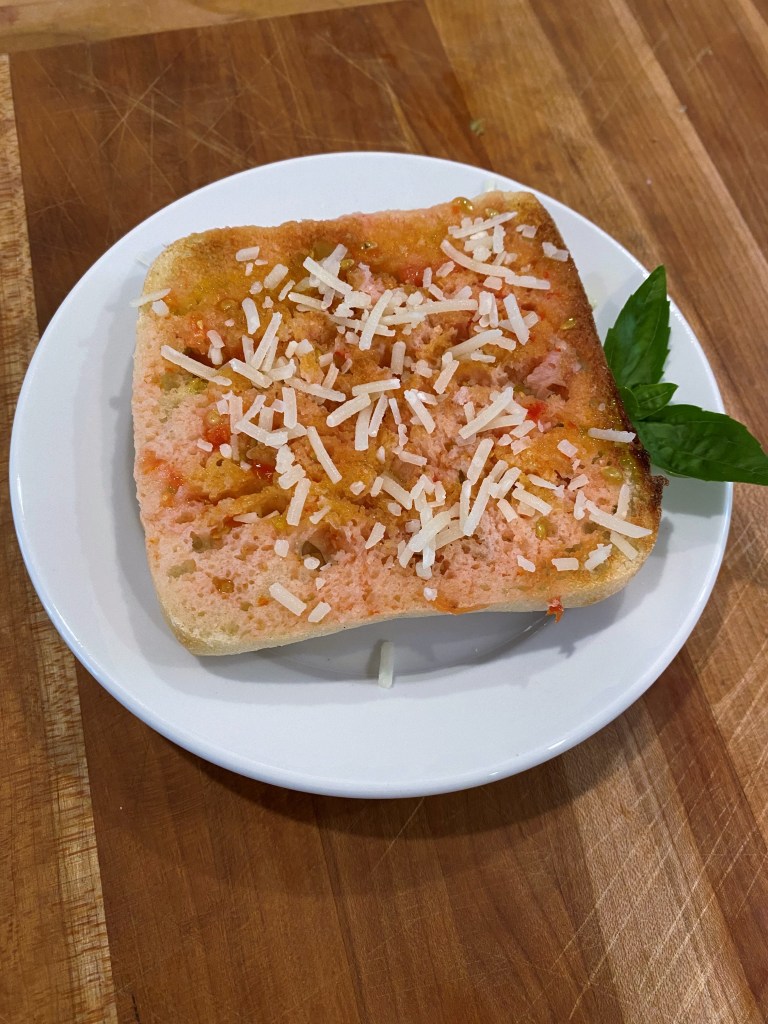
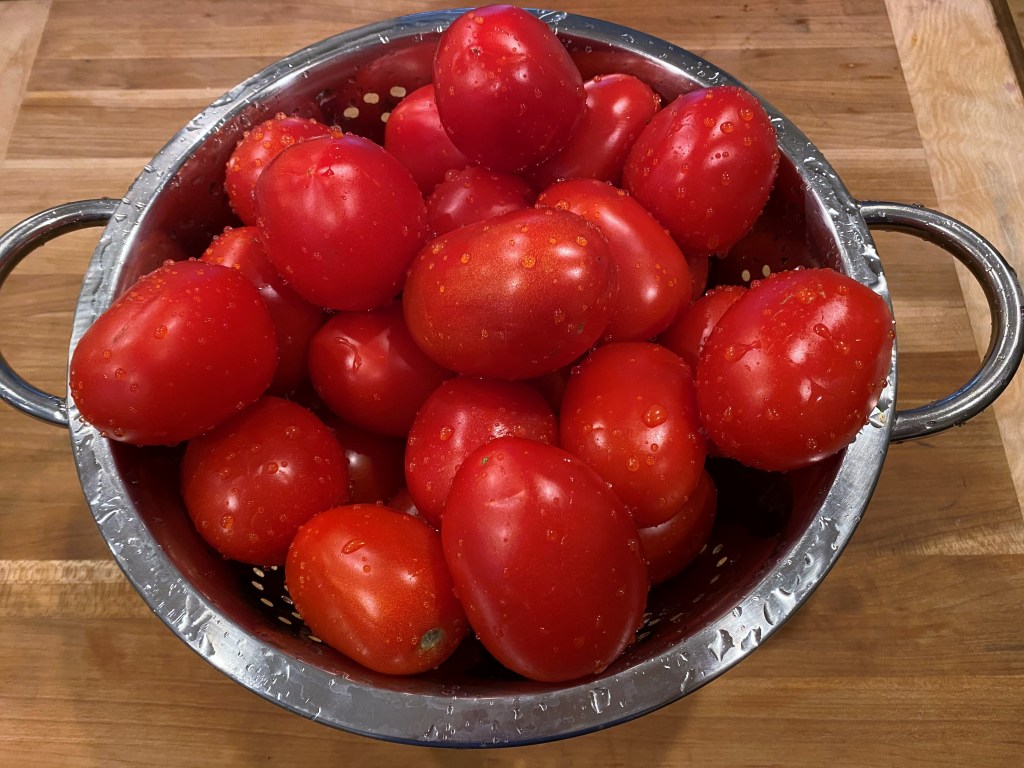
To keep you going at this time of luscious tomatoes, don’t forget about Catalan tomato bread – a traditional Italian dish in which you toast slices of robust sourdough or artisan bread, rub with a halved garlic clove and then rub with a cut ripe tomato. It’s the essence of summer. 

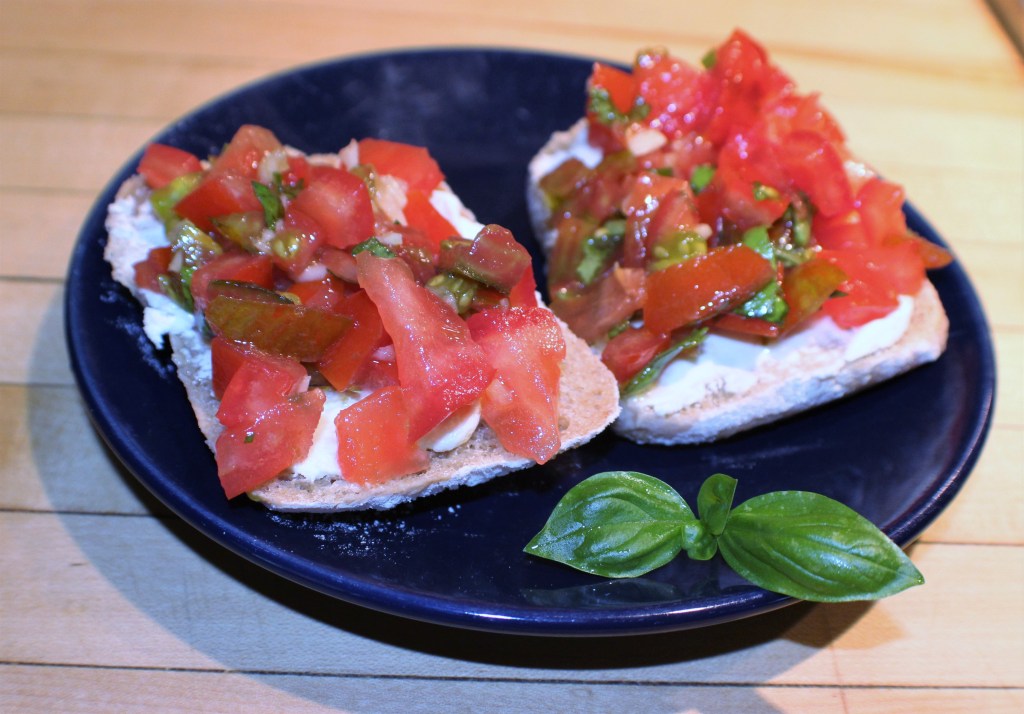
Another great way to use those tomatoes is to chop with garlic, basil and olive oil. Spread on grilled bread as bruschetta (you can spread the bread with goat cheese first for a deepened flavor), or toss with hot pasta. Simple but infinitely delicious.  

Roasted Beets and sautéed greens

Beets are little magic orbs of deliciousness and nutrition. They come in gold, red, white and even candy-striped. And I learned early in my daughters’ lives to feed them the light-colored beets to keep from staining absolutely everything.

Fresh beets often come with the bonus vegetable of beet greens. They taste just like Swiss chard, which is actually a non-bulbing beet. Beets are traditionally served cooked but they are also delicious in a raw shredded salad. 

Beets are best stored in the refrigerator, and will last for several weeks. If you choose to harvest greens while your beets are still growing, only use about a third of the greens at a time to give them plenty of leaves to continue to feed the root.

Roasting beets gives them a sweetness that you don’t get by boiling. To roast beets,  trim off the greens and set aside. Wash and put them in a baking pan with a few tablespoons of water and cover tightly with foil. Roast at 400 for about an hour. They are done when a fork easily pierces. Cool and then rub off the skins. 

Crispy sautéed beets with beet greens

3 or 4 beets, any type

2 T. butter 

1 T. olive oil

4 cloves garlic, minced

1 T balsamic vinegar

Few pinches red pepper flakes or ¼ t. tabasco to taste

Salt and pepper to taste

Feta cheese for garnishing

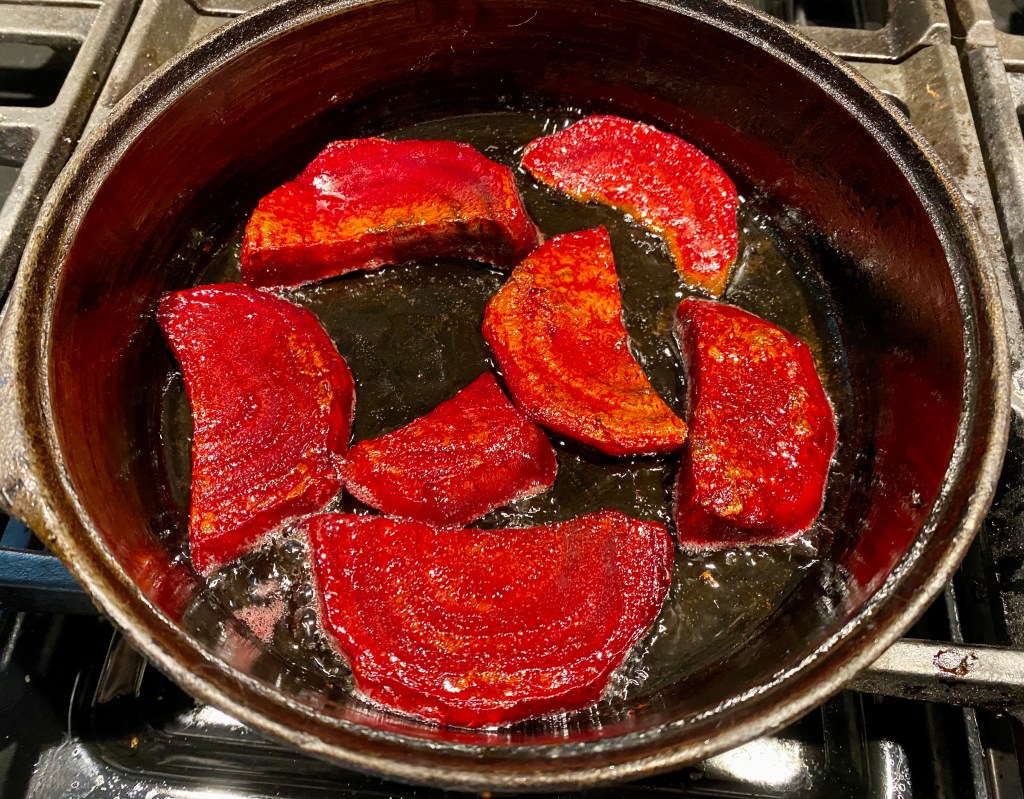
Sautéing roasted beets (I promise I didn’t enhance the color!)

Trim greens from beets. Place beets in an oven-safe baking pan, add ¼ cup water, and cover tightly with foil. Roast at 400 degrees for about 45 minutes to an hour until they can be pierced easily with a fork. Remove from the oven and allow to cool. When cool, peel (the skins should slip off easily) and slice into ⅛” slices. 

Melt 2 tablespoons butter in a heavy skillet (cast iron is perfect). Add beet slices and saute until crisp on one side (about 10 minutes). Flip and saute the other side. Remove from pan and set aside. 

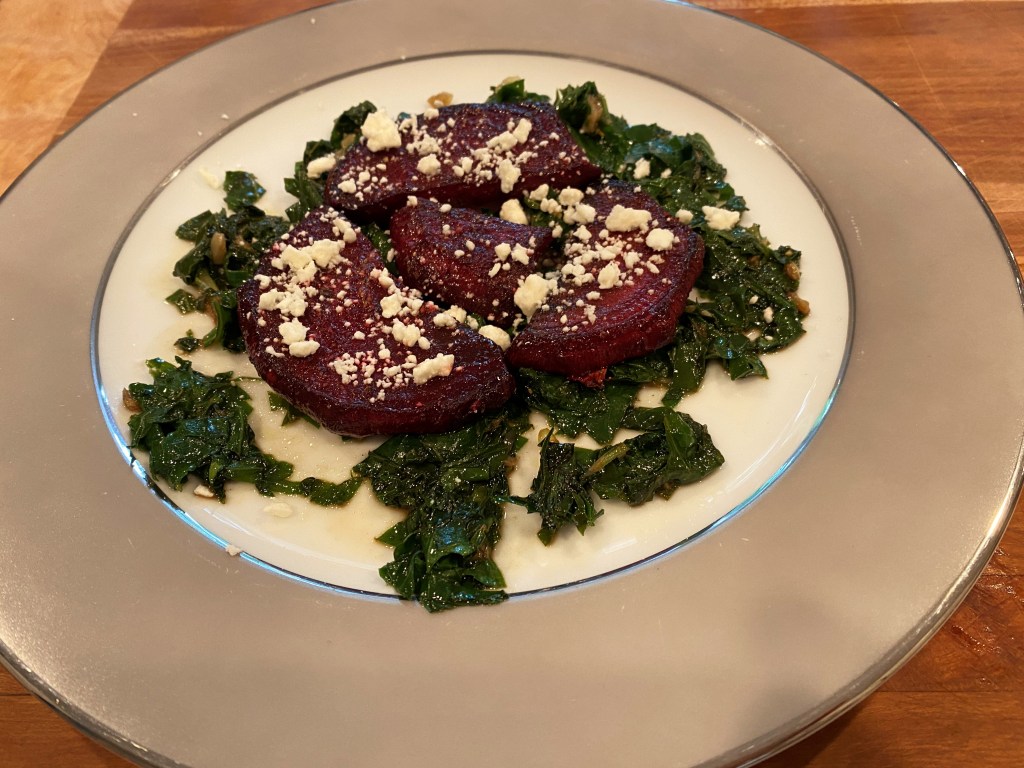
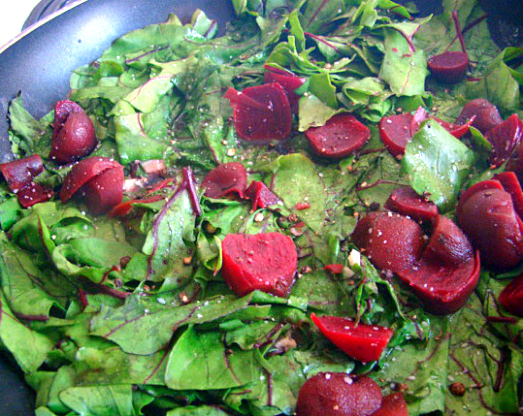
Rinse and roughly chop the greens. Add garlic to olive oil and saute briefly (about a minute). Add beet greens and toss to coat with oil. Saute about 2 to 3 minutes until wilted to your taste. Add balsamic vinegar and red pepper. Remove from heat, plate  and top with the beet slices. Sprinkle with feta cheese and enjoy!  

And here’s an easy, delicious sauce to add to your beet repertoire. Use liberally on cooked beets and/or beet greens. 

4 oz. goat cheese, softened

2 T. milk or half and half

1 t. dried or 1 T. fresh dill

Whisk or blend until smooth. Add more milk as necessary to make a pourable sauce. Stir in the dill. Drizzle over beets and greens

Cucumber deliciousness

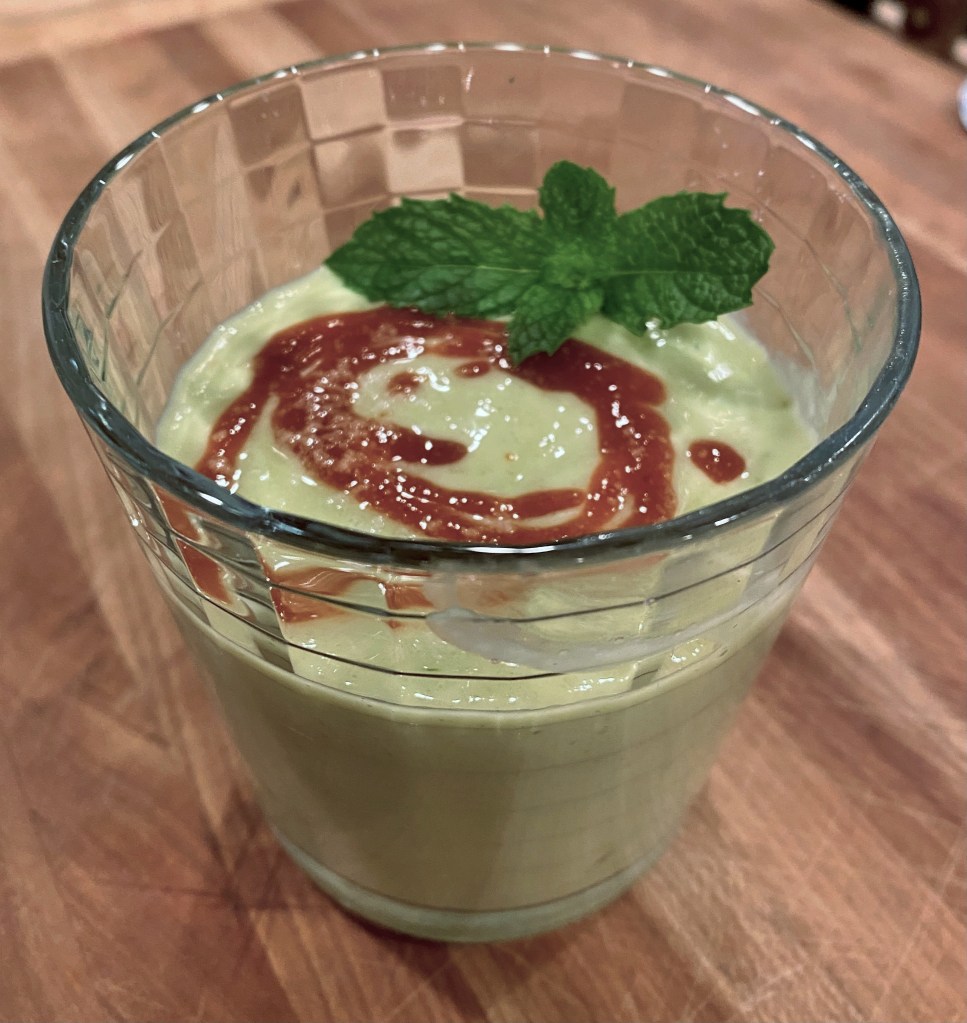
Cucumber avocado smoothie

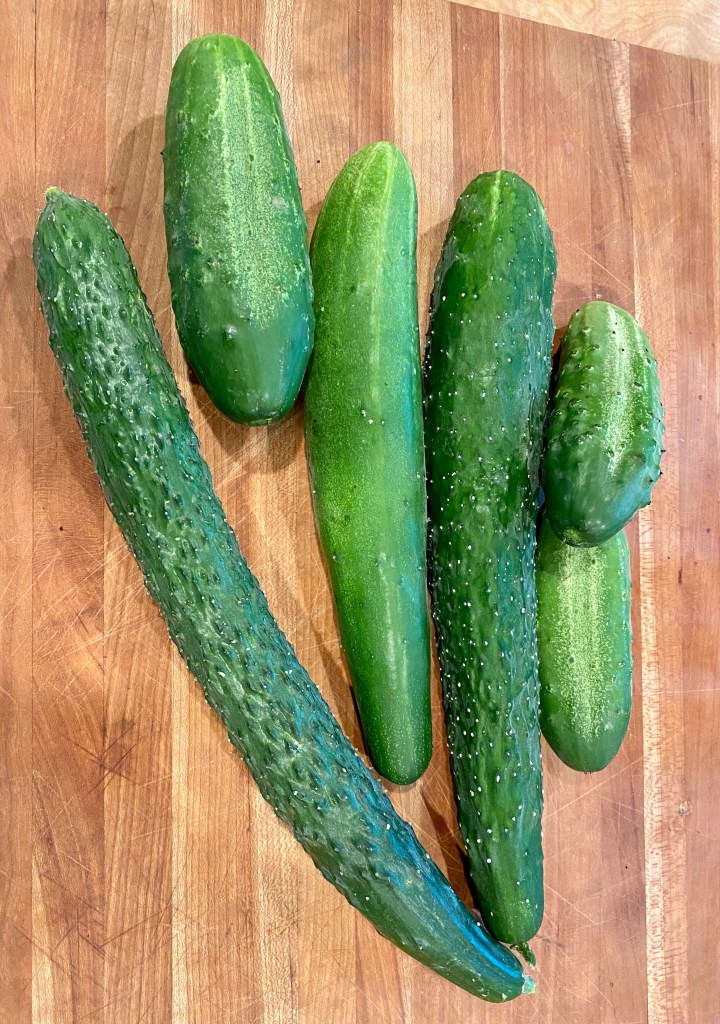
I waited so long for my cucumbers to start producing, and now I’m inundated with cucumbers like so many others. But I do love them and don’t want to let a single one go to waste. So, I’ve made pickles and gazpacho and tomato-cucumber salads.

But my newest obsession is a cucumber smoothie. I’m generally not a fruit smoothie fan, but this is a riff on a soup standby at this time of year, cucumber bisque. A smoothie made from crisp, light cucumbers refreshes and quenches and is infinitely soothing.

I’ve tried quite a few combinations and I have to say my favorite is cucumber, avocado and yogurt. The best part of this smoothie is that you can add anything you want to it. And if you like, make it creamy with yogurt, sour cream, buttermilk or coconut milk.

Plenty of cucumbers to come!

Add strawberries, blueberries, mango or pineapple for a sweet treat. Or cantaloupe and mint for a not-so-sweet breakfast treat.

Make it gazpacho-like with tomatoes, onions and garlic. Whip up a chai-flavored smoothie with some cinnamon, ginger, honey and coconut milk.

Basic cucumber smoothie

1 cucumber, peeled and seeded
1 avocado
½ cup yogurt, Greek or regular
½ cup milk of choice (oat, soy, cow, buttermilk, coconut)

Blend until smooth. Add more milk as necessary to make it drinkable. Salt to taste and top with a squeeze of sriracha or tabasco if desired.

Simplicity in the Kitchen

I took a brief vacation from my blog but I’m back! And I’m in the thick of summer harvest, one of the most amazing times of the year. Every morning’s walk in the garden yields beans, tomatoes, cucumbers and onions. Garlic will be next and peppers are on the cusp of ripening. 

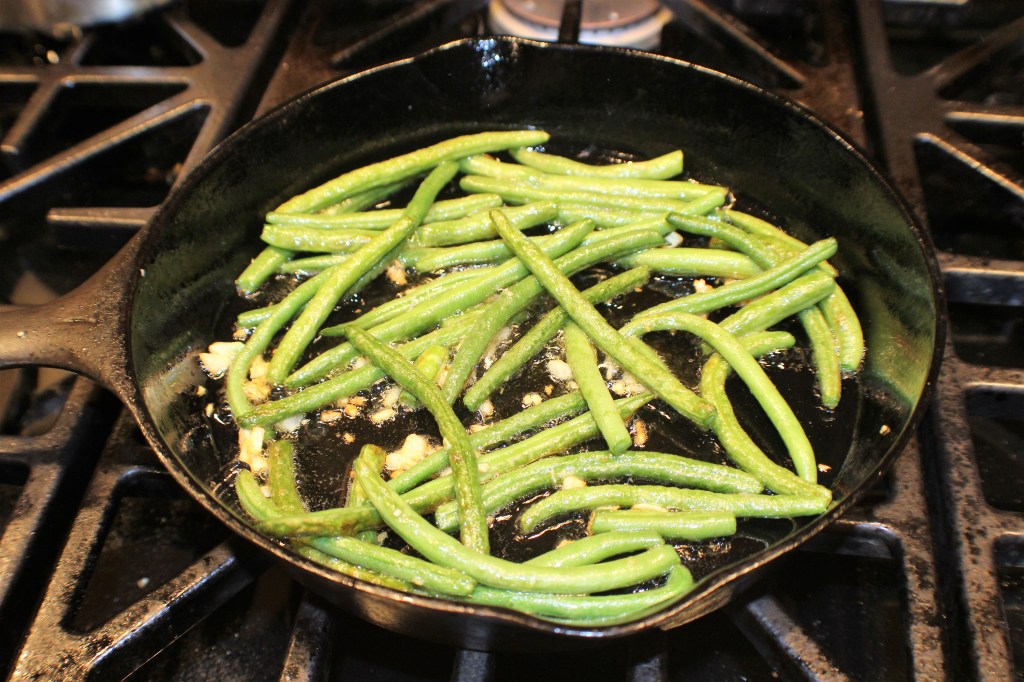
I spend much of my time in the kitchen simply grazing rather than planning and executing meals, but when I do actually plan a whole meal it tends to be as simple as possible. Blistered green beans, bruschetta with chopped tomatoes, garlic and basil, sauteed greens. 

Blistered Beans

I’ve written about keeping things as simple as possible many times before but it’s a subject near and dear to my heart. A simple recipe avoids the tyranny of a long list of ingredients and a long prep time. Nothing is more discouraging than looking at a tasty recipe and realizing it has 23 ingredients, many of which you’ll need to go out and buy. 

And this time of year, there’s certainly no lack of fresh, delicious ingredients. I do love to cook and am grateful to share that love with you. In the words of Michael Pollan, “Eat good food, not too much, mostly plants.” And don’t be afraid to play with your food. 

Although the kale is finished for now in my garden, Swiss chard and mustard greens are coming into their own. Check out my blog post from April of last year for a primer on growing greens. 

https://wordpress.com/post/katesgardenkitchen.com/854

Here’s a fresh, simple way to prepare all types of greens 

Saucy Greens

  • 1 small bunch of Swiss chard or other greens
  • 1 clove garlic, minced
  • ¼ c. onion, sliced
  • 1 T. olive oil
  • 1 T. balsamic vinegar
  • 1 t. Sugar 
  • Salt and pepper to taste
  • ½ c. chopped tomatoes
  • 2 T. sour cream or plain yogurt
  • 1 T. sriracha sauce if desired
  • 2 large eggs if desired

Rinse the greens liberally and remove tough stems. Stack the leaves and roll them into a “cigar” and slice thinly. Add garlic and onion to olive oil in a heavy pan and saute until tender. Add greens, vinegar and sugar and saute about 5 minutes until greens are tender. Turn off the heat and stir in tomatoes and sour cream or yogurt. Salt and pepper to taste. Put in individual bowls and drizzle with sriracha sauce. Top with a fried egg if desired. 

Sauteed greens with tomato

Nano’s buttermilk biscuits

What a sublime treat – warm biscuits slathered with butter and homemade blackberry jam. Both of my grandmothers made biscuits almost every morning. Happily, I was astute enough to ask Nano how to make them. Of course she didn’t measure anything and was quite perplexed when I asked her to write down the recipe for me. But she did and I’ve treasured it ever since.

The great thing about this biscuit recipe is that it is useful for all number of dishes. You can drop bits of the dough into boiling stock for dumplings. You can add two tablespoons of sugar to make light fluffy shortbread to go with sugared fruit and whipped cream.

And my favorite, when I’m in the mood for something a little more fancy (or company’s coming) is to convert them into scones. Scones are simply biscuits with other things thrown into the mix.

The basic biscuit

  • 2 c. all-purpose flour
  • 1 T. baking powder
  • ½ t. salt
  • ¼ t. baking soda
  • 6 T. butter
  • 1 c. buttermilk

Blend dry the dry ingredients. Cut in butter with two forks or a pastry cutter until it resembles a coarse meal. Add buttermilk and mix lightly, just enough to incorporate the ingredients. Be sure not to overmix. Pat into a loose ball, turn onto a floured board and roll out to about ½” thick. Cut with a biscuit cutter and place on an ungreased cookie sheet covered with parchment paper or a silicone mat. Brush the tops with milk for browning. Bake at 400 for 15-20 minutes.

Riffs on the biscuit

Blueberry peach scones

Scones:

  • 2 cups all-purpose flour
  • 2 tablespoons granulated sugar
  • 1 tablespoon baking powder
  • 1/2 teaspoon coarse salt
  • 6 T. butter
  • 1/2 cup buttermilk + more for brushing
  • 1 egg
  • 1 c. chopped fruit: peaches and blueberries, strawberries, apples (add ½ t. cinnamon), cranberries (dried or fresh), rhubarb (add a bit more sugar), chopped nuts

In a small bowl, whisk the milk and egg. Mix the dry ingredients and cut in the butter until the mixture resembles coarse meal. Stir the wet and dry ingredients together with a fork.

Transfer dough to a floured surface and knead a couple times just until remaining flour becomes incorporated into dough.

Gently pat dough into a 1 inch thick round. Cut dough evenly into 12 different wedges or squares.

Transfer to prepared baking sheets. Brush with buttermilk. Bake until golden brown, 18-23 minutes. Cool on wire racks.

Vanilla Glaze

1 cup powdered sugar
1/2 teaspoon vanilla
2 tablespoons milk any kind
While scones are cooling, add glaze ingredients to a small bowl and mix well until ingredients are incorporated. Drizzle over scones and serve.

Cheese scones

Follow the recipe above, replacing the sugar with ½ t. Ground pepper. Instead of fruit, mix in 1 c. shredded cheese of choice.

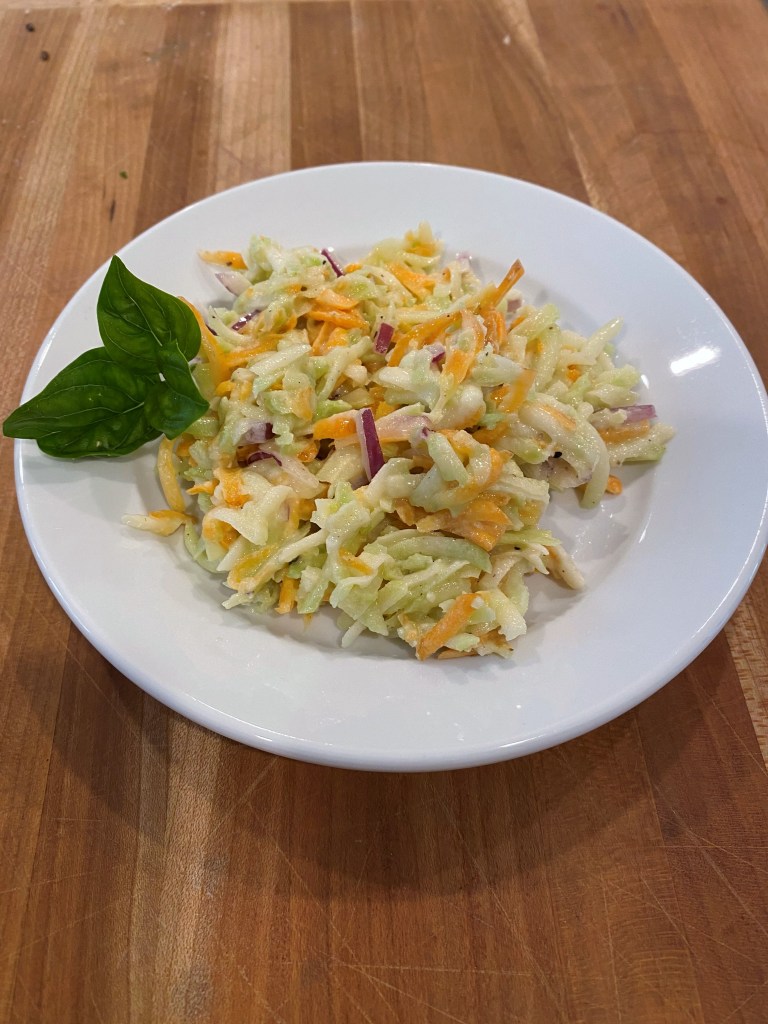
Slaw (this one’s for my sister)

I tend to wax philosophically about slaw, only because it’s such an easy salad and there are so many ways to make it. There’s the classic coleslaw which is made of shredded cabbage and carrots with a creamy mayonnaise-based dressing. But there are so many possibilities to change it around. 

This time of year we have abundant greens like kale, bok choi, young beets, radishes and swiss chard. I simply shred whatever is fresh, dress it with my favorite dressing (usually a vinaigrette), and it’s good to go. 

Grill your vegetables!

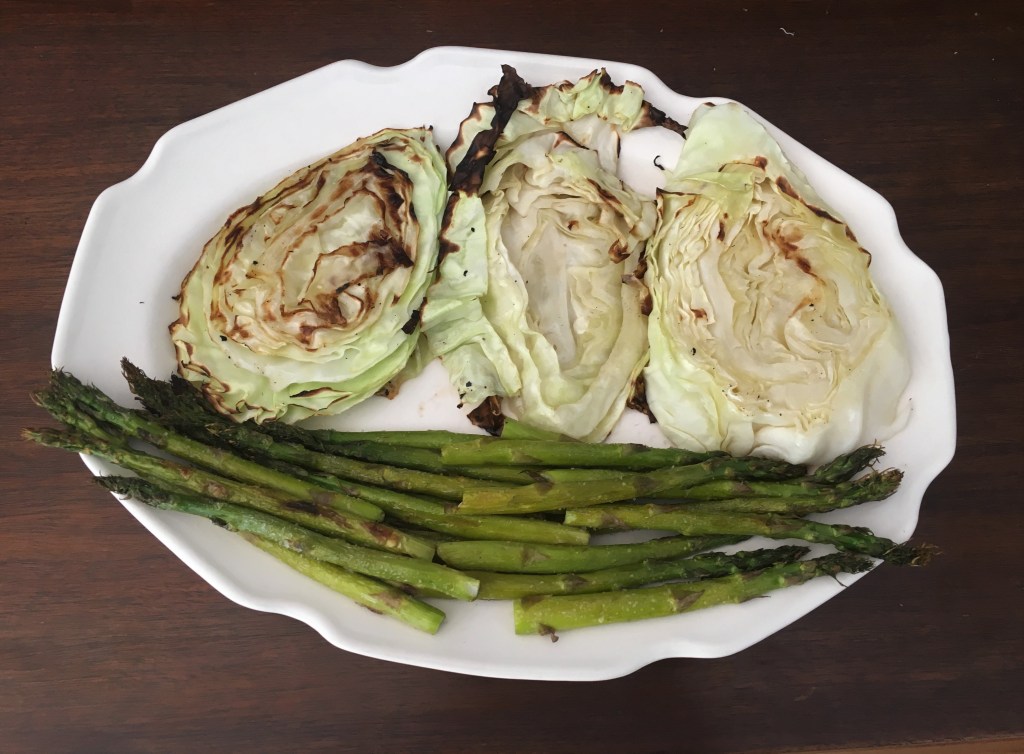
Grilled cabbage

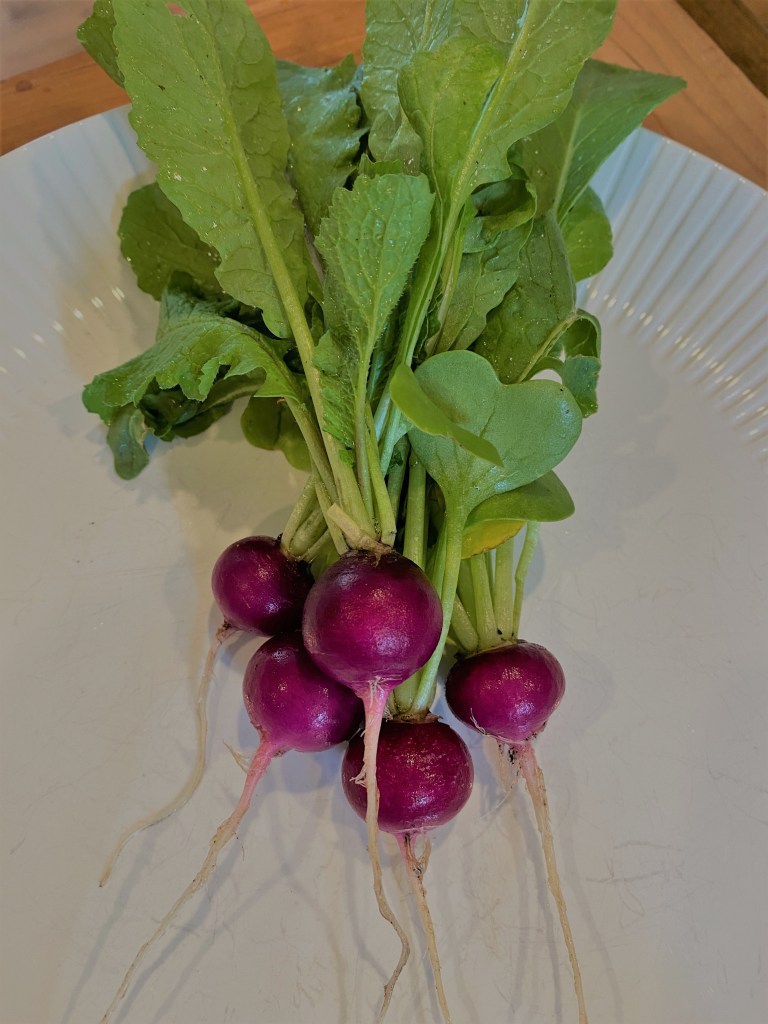
One way to spunk things up is to roast your vegetables. Cabbage actually holds up well to roasting or grilling, and the smoky flavor turns ordinary slaw into something otherworldly. You can also grill radishes, turnips and beets. 

Fresh radishes

Here are a few vegetables to add to your slaw that you might not have considered: 

  • Kohlrabi
  • Radish
  • Turnip
  • Rutabaga
  • Beet
  • Carrot
  • Broccoli
  • Sweet bell pepper
  • Cauliflower
  • Bok choi
  • Celery
  • Apple
  • Napa or heading cabbage
  • Sugar snap peas
Use your imagination when combining ingredients for dressing.

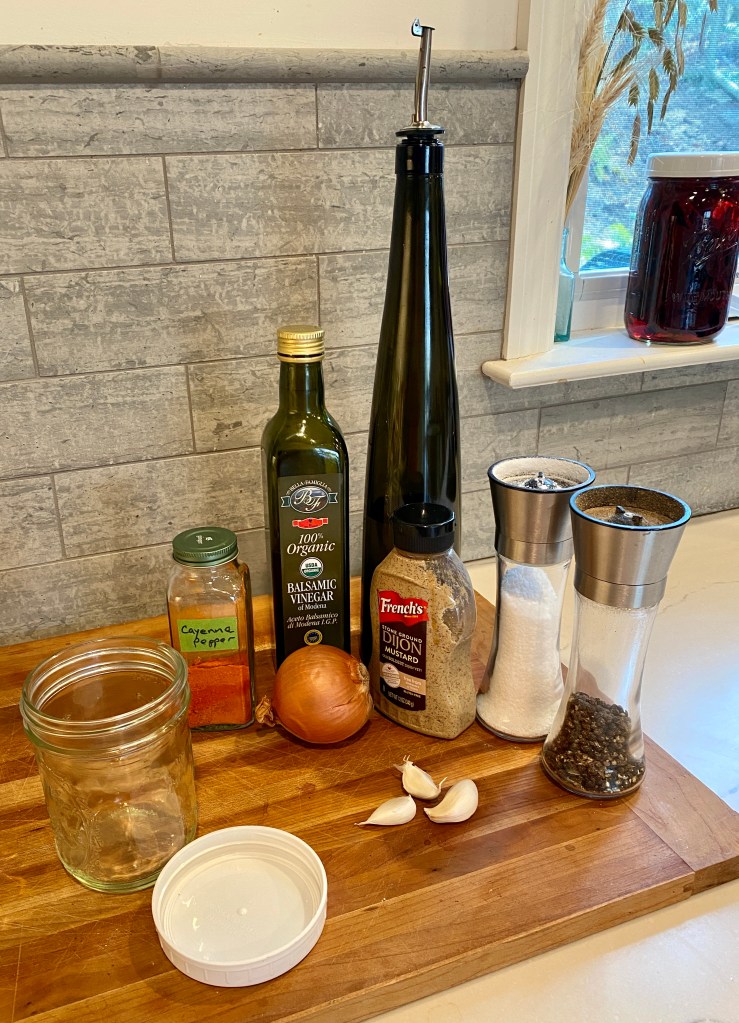
Dressings

Dressings can run the gamut – bottled or homemade, creamy or vinegary, spicy or tame. Lime or lemon juice in place of vinegar in a vinaigrette gives a fresh, spring-like taste, especially to more tender greens like baby bok choi. 

Combine lime with sesame oil and a dash of honey for an asian inspired vinaigrette

Add cilantro, cumin and ground chile for a decidedly south-of-the border flair

Garnish with toasted flax seeds, sesame seeds, sunflower seeds or even chopped pistachios. 

Noodles!

Farfalle noodles with spinach, roasted peppers and shrimp

I know many of us reach for mashed potatoes when longing for comfort food. I reach for noodles. Any kind of noodles. Nothing delights me more than to find leftover noodles in the fridge because the possibilities are endless.

It’s so easy to make a delectable dish with only a few additions. All it takes to start is a bowl of cooked noodles. Add vegetables, sauces and proteins for a complete meal. Whatever your taste preference – Chinese, Italian, Indian, Korean, Japanese, Indonesian, Thai, Tibetan, Vietnamese. It seems every culture has a favorite noodle dish.

I like to keep a few commercial sauces in the pantry, just in case I don’t have time to whip up a sauce of my own. Thai peanut satay sauce tossed with cooked fettucini or egg noodles, a couple of torn basil leaves and you have an “almost” pad thai.

Lovely leftover linguini or angel hair noodles tossed with sesame oil, soy sauce and a little sambal olek (garlic chile paste) make as good a cold noodle dish as any you find at an Asian food truck. All you need is the little white turtle box to look completely authentic.

Hot spaghetti noodles dressed with chopped fresh tomato, minced garlic, minced fresh basil and olive oil create a quick Italian noodle specialty that tastes like summer.

Pasta with kale and mushrooms

The types of noodles are endless, from long pasta like fettuccine and linguini to rice-shaped orzo to bowties and elbows. Asian noodles widen your repertoire with cellophane, Canton, and ramen noodles. The additions are also limitless – be creative with whatever you find in the fridge. Or, simply do as I do and heat leftover noodles, drizzle with olive oil and garlic salt and toss with parmesan. Mmmmm.

Here’s a kitchen hack I learned from a professional chef:

Cook your noodles until they are not quite done. A little less than al dente if you use that as a guide. When you drain them, do it over a measuring cup and save the pasta water. When you are ready to sauce your noodles, make the sauce and add the noodles. Then add about the same amount of pasta water as sauce. Heat everything gently. The noodles will finish cooking and the sauce will be velvety and delicious. You can certainly use broth instead of pasta water, but the water from draining the noodles thickens and adds extra flavor.

Also, when cooking noodles, salt the water more than you think necessary. Don’t put oil in the water. Put the noodles into rapidly boiling water and stir them for a while to separate. Turn down the heat and cook, watching them and tasting until they are ready. You can throw a piece of pasta against the wall, the old Italian way, and if it sticks, it’s done. Seriously, keep tasting.

Once done, return them to the cooking pot, drizzle with a little olive oil and put the lid on to keep them from becoming sticky.

Whole wheat pasta with sauteed romaine lettuce

Here are a few recipes to get you started:

Pasta Primavera

2 minced garlic cloves
1 T. olive oil
1 c. fresh mushrooms
½ basket cherry tomatoes halved
½ roasted red pepper, chopped (jarred is fine)
¼ c. parmesan

Sauté garlic in stock. Add mushrooms and sauté for 3-4 minutes. Add rest of ingredients and cook 2-3 minutes. Add cooked penne pasta (or your choice), mix in enough leftover pasta water to make a creamy dressing.

Pasta with Fresh Herbed Ricotta

2 c. fresh spinach rinsed and stemmed
1 c. ricotta
2 scallions minced
¼ c. packed basil leaves, minced
1 tomato, chopped
1 T. parsley, chopped
2 T. olive oil
½ lb farfalle

Blanch spinach in salted water for about a minute. Drain, cool, pat dry and chop. Put the ricotta in a large bowl and beat with a fork until smooth. Stir in the rest of the ingredients, except the pasta. Cook the farfalle, saving the water. Toss with the cheese mixture, adding pasta water as necessary to make it creamy.

Caramelized onion pasta

2 T. olive oil
1 large onion, very thinly sliced
3 garlic cloves, minced
1 t. red pepper flakes (or to taste)
2 T. tomato paste (about half a can)
6 oz. pasta of choice (penne works well)

Heat olive oil in a large heavy-bottomed pan over medium-high heat. Add onions and cook, stirring occasionally until they become totally softened and caramelized with golden-brown fried edges, 15 to 20 minutes.

Add red pepper and garlic and saute for about 2 minutes. Add tomato paste and season with salt and pepper. Cook, stirring constantly to prevent scorching until the tomato paste has turned from bright red to deep brick red, about 2 minutes.

Remove from heat. Cook pasta until just a bit chewier than al dente. Mix with sauce and ½ c. pasta water. Cook over medium-high heat, stirring to coat each piece of pasta. Cook until the sauce is thick and sticky, 3 to 5 minutes.

Frittata or Clafoutis (the s is silent)

Blueberry and strawberry clafoutis

How can you go wrong with eggs, cheese and vegetables for breakfast (or lunch or dinner)? Or fruit baked in custard for dessert?

 Frittata or clafoutis is quick to throw together, quick to cook and can be served warm, room temperature or cold, giving you plenty of freedom in meal prep. One key to success is to cook in a cast-iron pan.

French clafoutis, Italian frittata, French quiche, Russian charlotte, timbale, pudding cake, cheese souffle and even panna cotta made with gelatin. All are basically custards with fillings. Some are made with a crust; many are without. These versatile dishes make excellent pot luck offerings, for brunch, luncheon or a light dinner. 

Once you have the basic recipe down, the riffs with different fillings and seasonings are endless. You can make them savory or sweet. You can also substitute 2 egg whites for 2 of the whole eggs. When adding vegetables or potatoes, saute them in a bit of olive oil first until crisp-tender. If you choose to add meat such as sausage, cook it first. 

Savory frittata

Preheat the oven to 350 degrees. 

Step 1: 

Savory: film a small cast-iron skillet with olive oil and put it in the oven. 

Sweet: preheat the skillet without oil, and when ready to cook, melt a tablespoon of butter and sprinkle with a tablespoon of sugar over the bottom 

Basic mixture: 

5 eggs (or any mixture of eggs and egg whites of your choice) 

1 cup of milk (or cream or ½ and ½ or buttermilk)

1 T. flour

Step 2: whisk ingredients until well blended

Step 3: add embellishments and seasonings, pour into pan and cook for about 25 minutes until a knife comes out clean. You can put it under the broiler for a few minutes to brown the top. Serve right from the pan, either warm or at room temperature. 

To make into quick breakfast grab-n-go, pour into oiled muffin cups and bake 25 minutes at 325.

Suggested savory fillings:

  • 1/2 c. sautéed onions
  • 1/2 cup chopped sauteed chard or spinach
  • 1/2 c. roasted red pepper
  • 1/2 t. basil
  • 1/4 t. dill
  • 1/4 t. salt
  • fresh pepper
  • 1/4 c. grated parmesan

OR

  • 1 c. cooked diced potatoes
  • 1/2 c. sautéed onions
  • 1/2 cup chopped sauteed chard or spinach
  • 1 T. fresh basil
  • 1/4 c. grated parmesan or fontina cheese
  • 1/4 t. salt
  • fresh pepper

OR

  • 2 medium zucchini, grated
  • 4 green onions, sliced
  • 1 c. cooked rice or leftover cooked pasta
  • ¾ c. crumbled feta
  • Dill to taste
  • Salt and pepper to taste

Suggested sweet fillings:

  • 1 c. fresh blueberries
  • ¼ c. sugar
  • ¼ t. cinnamon
  • ¼ t. almond extract

OR

  • 1 c. grated apple
  • ¼ c. sugar
  • ¼ t. cinnamon
  • Dash nutmeg
Blueberry and strawberry clafoutis

Cheese puff (one serving)

  • 1 ½ slices whole grain bread, buttered
  • ½ c. milk
  • 1 egg
  • ¼ c. shredded cheese
  • 1/8 t. onion powder
  • 1/8 t. salt
  • 6-8 drops tabasco

Cut bread into strips; place with buttered sides down along the sides and bottom of a 10-oz ramekin. Lightly beat egg and combine with other ingredients. Pour into a ramekin. Bake at 350 for 35-40 minutes. 

Fruit Clafouti 

A custardy delicious fresh dessert that is simple to make and delightful to serve. You can use any kind of fruit – cherries and berries are wonderful as are sliced peaches or halved plums or figs. Use whatever is in season. You can bake it a tart pan or pie plate, but a cast-iron skillet gives it a pretty browned edge. 

  • 1 T. unsalted butter, melted
  • 2 c. fresh fruit, sliced and peeled if desired
  • 1 c. milk
  • ½ c. sugar
  • 3 eggs
  • 1 t. vanilla extract
  • ½ c. flour
  • Powdered sugar (optional)

Heat the oven to 400°F. Coat a 10-inch cast-iron skillet with the melted butter and sprinkle with a bit of sugar.

Whisk milk, sugar, eggs, and vanilla until smooth.

Whisk flour into the wet ingredients, mixing until smooth (I actually use a blender to get it silky smooth). Pour the batter into the skillet and top evenly with the fruit.

Bake until a knife comes clean in the center, about 50 minutes.

Cool for about 15 minutes and sprinkle with powdered sugar. Best served warm.