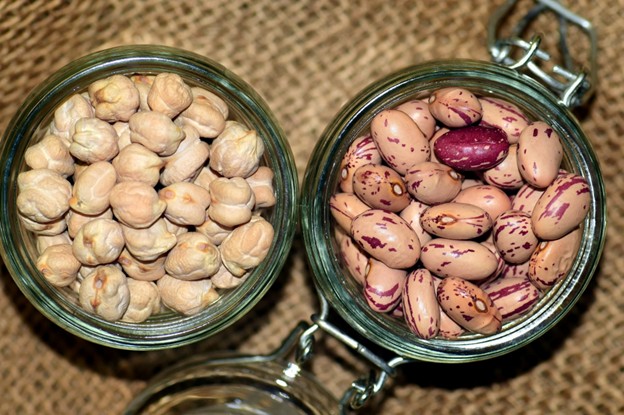
The Humble Dried Bean


Dried beans sit quietly on the grocery shelf in tidy little bags, while their canned cousins get all the attention. But dried beans taste creamier, earthier, and somehow more satisfying than beans from a can. Cooking dried beans asks you to slow down just a bit. Soaking overnight, simmering gently, checking in occasionally – a small, grounding kitchen ritual.

Dried beans absorb whatever you cook them with—garlic, onion, bay leaf, herbs, olive oil – little sponges of goodness. They don’t arrive pre-seasoned or pre-softened, which means you get to decide what they become.

Budget Friendly

Beans are inexpensive and endlessly versatile. One bag can become a soup, a salad, a stew, a spread for crackers, or a simple bowl of beans that can be an elegant meal.

Soaking: Helpful but Not Sacred

You can soak beans overnight if you like—it shortens cooking time and helps them cook evenly. But if you forget (or didn’t plan ahead), you can still make it work. A quick soak—boiling beans for a few minutes and letting them rest for an hour—gets you most of the way there. Or skip soaking altogether and just cook them a little longer. Even better – use your Instapot. Most beans take 30 minutes to pressure cook.

Salt Later

There’s a lot of debate about when to salt beans. A good rule of thumb: wait until they’re mostly tender, then season generously. Salt too early and you risk tough skins; salt too late and you miss the chance to season them fully. That said, aromatics are always welcome from the start. Onion halves, garlic cloves, bay leaves, fresh thyme or oregano, and/or chiles will quietly infuse flavor without interfering with texture.

One Pot, Many Meals
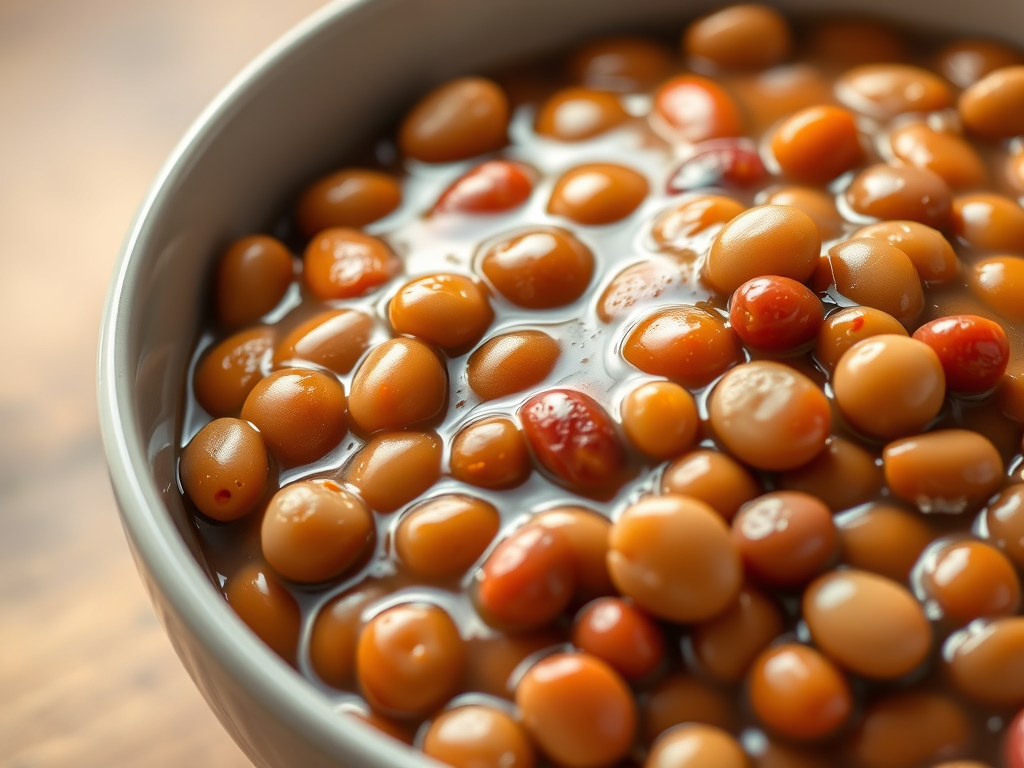
A pot of cooked beans is more of a starting point than a recipe.
–Toss warm beans with olive oil, lemon, and herbs for an instant salad
–Stir them into soups or grain bowls
–Mash white beans with garlic and olive oil for a spread
–Simmer them with tomatoes and greens for an easy weeknight dinner
–They keep well in the fridge and freeze beautifully.

Gentle Kitchen Win

There’s something deeply comforting about dried beans. They don’t rush you, they don’t demand precision, and they reward attention without punishing mistakes. They’re the kind of ingredient that makes cooking feel generous rather than fussy.

If you’ve been relying on canned beans (no judgment), consider trying dried just once. Put on some music, let the pot simmer, and savor the quiet satisfaction of creating something simple and nourishing from scratch.
Simplicity in the Kitchen

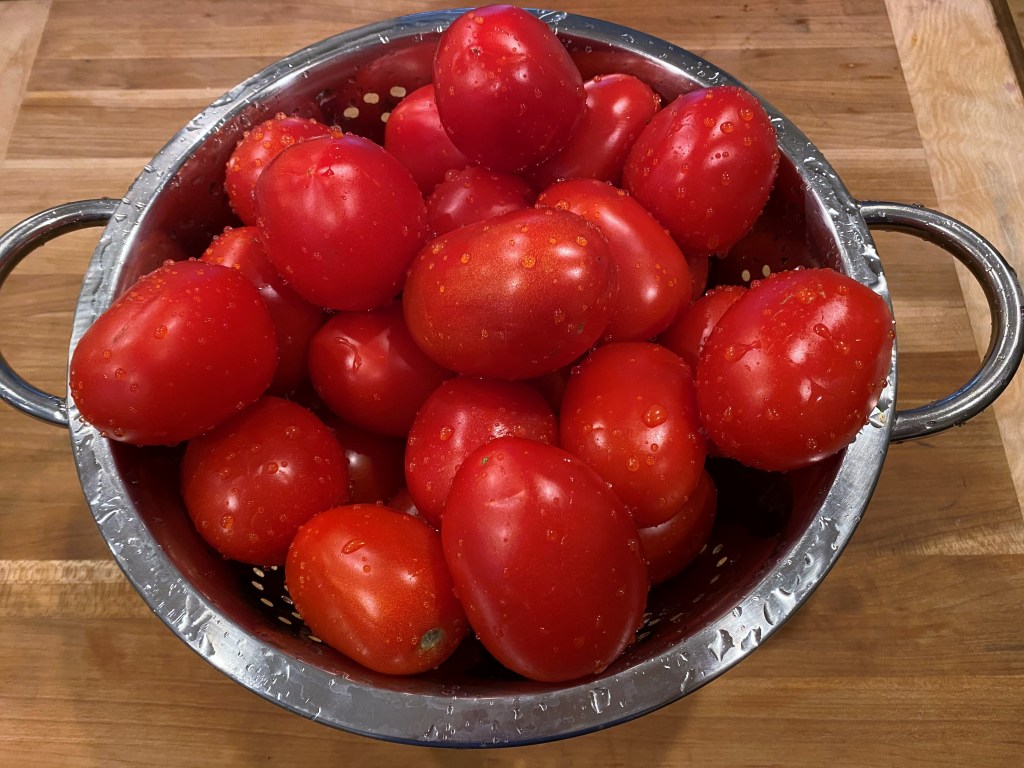
I took a brief vacation from my blog but I’m back! And I’m in the thick of summer harvest, one of the most amazing times of the year. Every morning’s walk in the garden yields beans, tomatoes, cucumbers and onions. Garlic will be next and peppers are on the cusp of ripening. 

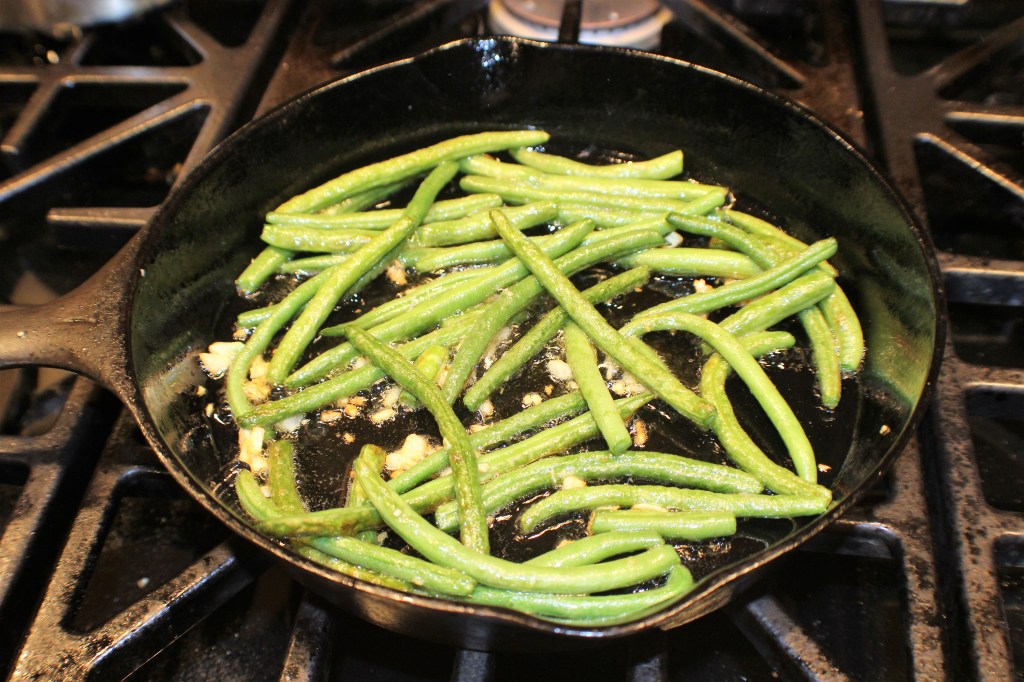
I spend much of my time in the kitchen simply grazing rather than planning and executing meals, but when I do actually plan a whole meal it tends to be as simple as possible. Blistered green beans, bruschetta with chopped tomatoes, garlic and basil, sauteed greens. 

Blistered Beans

I’ve written about keeping things as simple as possible many times before but it’s a subject near and dear to my heart. A simple recipe avoids the tyranny of a long list of ingredients and a long prep time. Nothing is more discouraging than looking at a tasty recipe and realizing it has 23 ingredients, many of which you’ll need to go out and buy. 

And this time of year, there’s certainly no lack of fresh, delicious ingredients. I do love to cook and am grateful to share that love with you. In the words of Michael Pollan, “Eat good food, not too much, mostly plants.” And don’t be afraid to play with your food. 

Although the kale is finished for now in my garden, Swiss chard and mustard greens are coming into their own. Check out my blog post from April of last year for a primer on growing greens. 

https://wordpress.com/post/katesgardenkitchen.com/854

Here’s a fresh, simple way to prepare all types of greens 

Saucy Greens

  • 1 small bunch of Swiss chard or other greens
  • 1 clove garlic, minced
  • ¼ c. onion, sliced
  • 1 T. olive oil
  • 1 T. balsamic vinegar
  • 1 t. Sugar 
  • Salt and pepper to taste
  • ½ c. chopped tomatoes
  • 2 T. sour cream or plain yogurt
  • 1 T. sriracha sauce if desired
  • 2 large eggs if desired

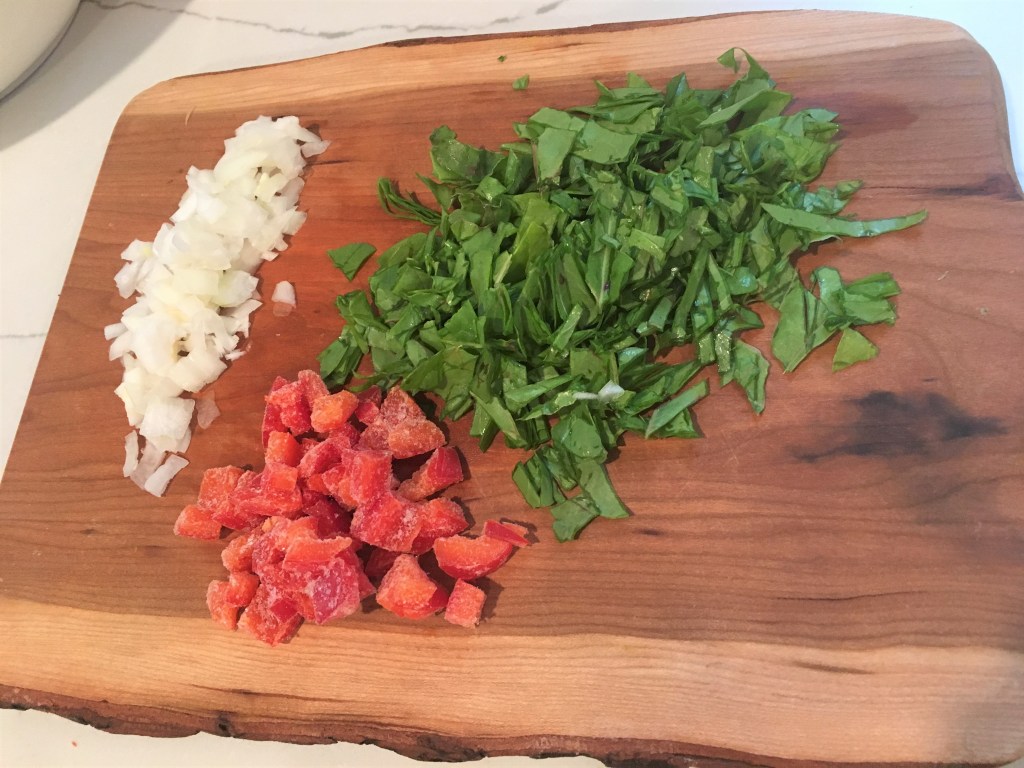
Rinse the greens liberally and remove tough stems. Stack the leaves and roll them into a “cigar” and slice thinly. Add garlic and onion to olive oil in a heavy pan and saute until tender. Add greens, vinegar and sugar and saute about 5 minutes until greens are tender. Turn off the heat and stir in tomatoes and sour cream or yogurt. Salt and pepper to taste. Put in individual bowls and drizzle with sriracha sauce. Top with a fried egg if desired. 

Sauteed greens with tomato

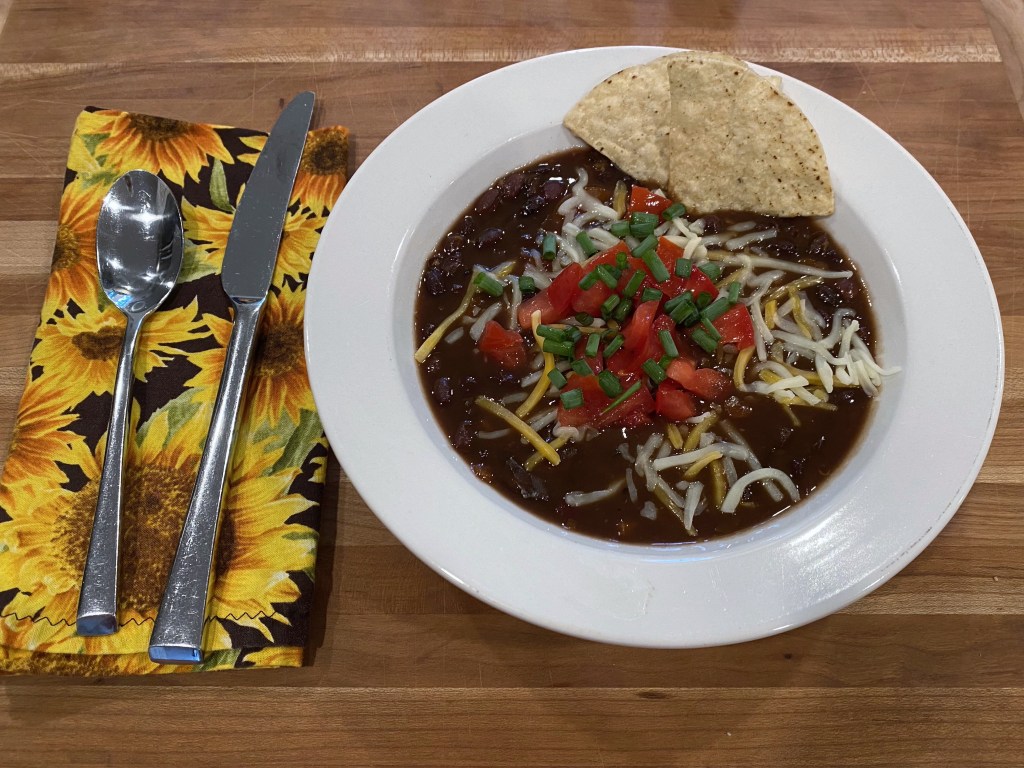
Bean soup

Bean soup made with adzuki beans

I always keep canned beans in my pantry. And, now that I have an instant pot, I’m gaining confidence in cooking them from scratch as well. Before the instant pot, my favorite thing to do was put on a pot of beans and promptly burn them since they have to cook so long. Lost a lot of good pots that way.

Another dirty little secret is that I have dribs and drabs of leftover vegetables, meats and grains in bags in the freezer. I cannot stand to waste food, so if there’s a little bit left, I’ll freeze it for use in soup later. Labeled of course.

Anything goes

The great thing about soup is that you can add simply anything to it and have unique flavors. Leftover bits of chicken or turkey with white beans and noodles make a great soup. Add some swiss chard or spinach, a can of chopped tomatoes and it turns into something different. As vegetables start coming in from the markets and our gardens, change up your soup accordingly. If hot soup isn’t appealing in the summer, remember that adding chiles will make you sweat, cooling you off. And, try bean soups cold!

Start with broth

The basic recipe for a soup is to start with good vegetable, chicken or beef broth. You can make an even richer soup with bone broth. Use store- bought if you don’t have time to make your own – you’ll still get a wonderful pot of soup (no guilt!). Saute some onion and garlic in a bit of broth or olive oil to get your flavor started. 

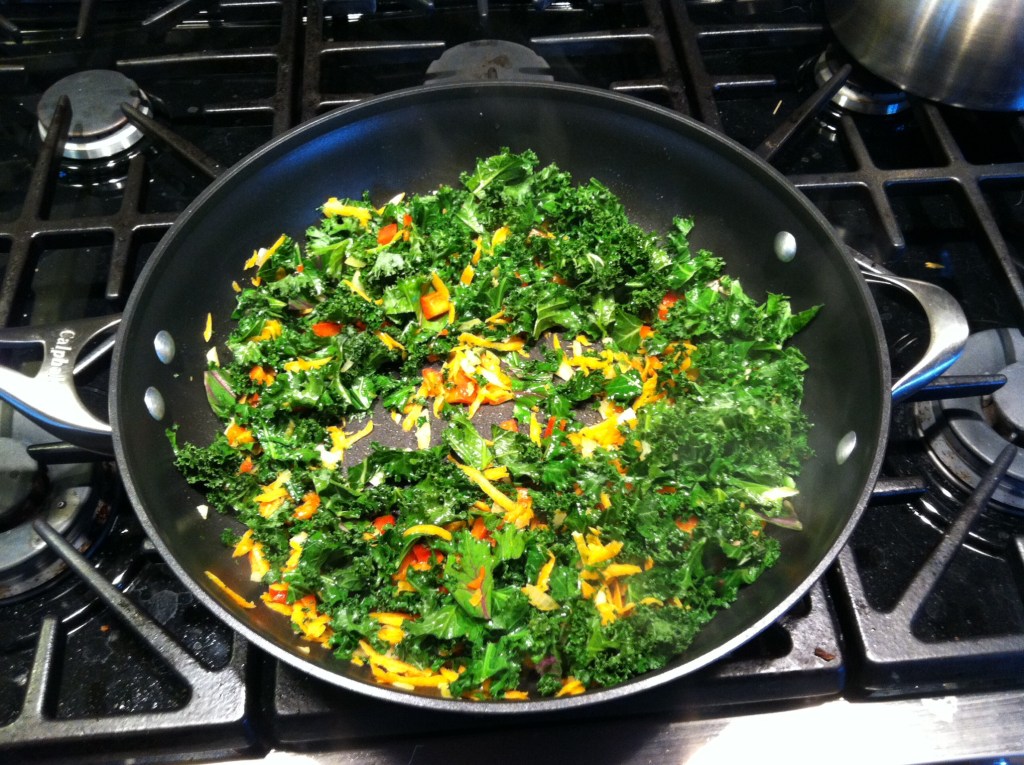
Sauteeing kale with carrots and peppers

Add protein and grain

Then add a protein like black beans, garbanzos, canellini or kidney beans. Use leftovers from a roasted chicken (again, store bought roasted chicken is good), leftover Thanksgiving turkey (you know you have some, somewhere in the freezer), tempeh or tofu. If you want to use cheese, add it at the very end. 

Next, add a cooked grain like brown or white rice, farro, quinoa, or a pasta such as egg noodles, farfalle, linguini or orzo. Whole wheat pastas which may not be as palatable for spaghetti are hearty and delicious in soup.

The best part – vegetables

Then comes the best part – the vegetables. Add whatever you have in the fridge or freezer – cabbage, corn, peppers, spinach, broccoli, carrots, kale, Swiss chard, cauliflower or zucchini. The vegetable combinations can vary depending on the flavor you want. 

Season according to the flavor you desire. For Mediterranean, use thyme, oregano, a pinch of sage and basil. For Mexican, cumin and chili powder give it a kick. For Italian, use oregano, basil and smoked paprika. 

Although you really don’t need a recipe to make a great bean soup, here’s a start on a Mexican bean soup: 

Recipe for Bean soup

Black bean soup

2 cups broth

1 large clove garlic, minced

½ spanish onion, chopped 

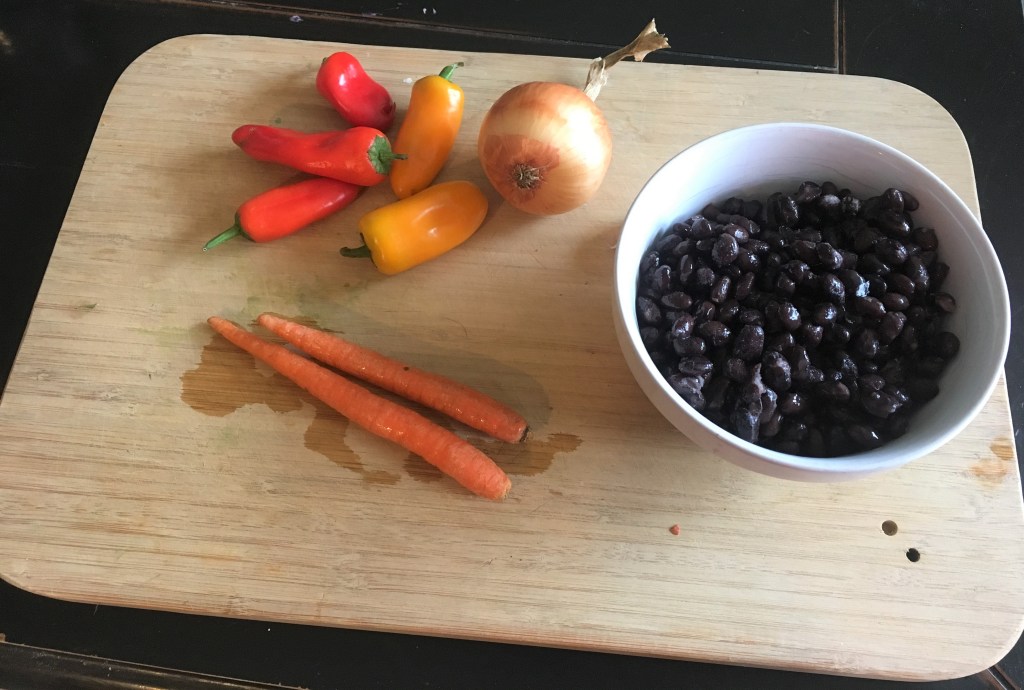
1-2 cups black beans, rinsed and drained if using canned

½ bag frozen corn

½ cup chopped sweet peppers

¼ chopped chili peppers

½ c. diced carrots

½ t. smoked or regular cumin

½ t. chili powder

Saute garlic and onion in two tablespoons of broth for about a minute. Add peppers, carrots and corn and saute for another minute. Add beans and seasonings and simmer for about 45 minutes. Salt and pepper to taste, and serve hot with a dollop of sour cream or plain yogurt and a splash of sriracha if you like more heat.