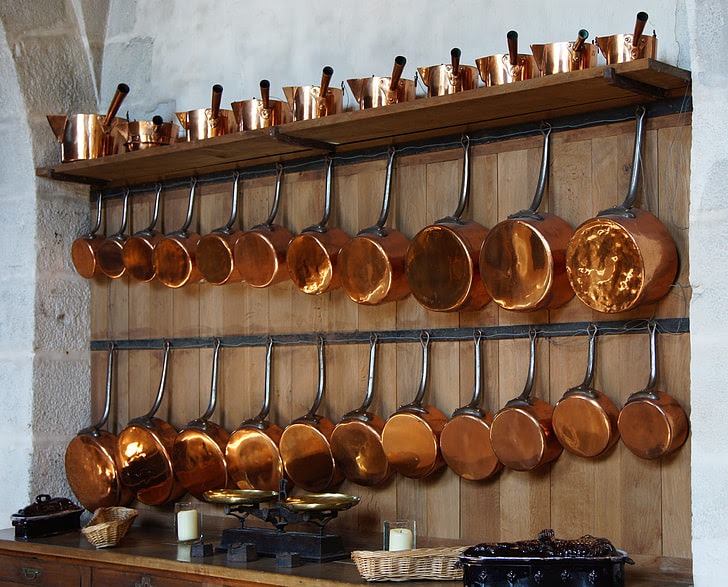
A bit intimidating?
There comes a moment in every cook’s life when you realize the problem isn’t you—it’s your tools. You stand there, wooden spoon in hand, trying to coax a decent sauté out of a flimsy pan that heats like a moody teenager—too hot in one spot, cold in another, and entirely unpredictable.
Your knife? It’s less “precision instrument” and more “suggestion,” squishing tomatoes instead of slicing them.
Suddenly, the clouds part: it’s time to grow up. It’s time to buy good kitchen tools. Now, before you picture yourself dropping a small fortune on gleaming copper pots and artisanal blades forged under a full moon, let’s take a breath.
Buying high-quality kitchen tools isn’t about becoming a chef overnight. It’s about making your everyday cooking easier, more satisfying, and—dare I say—more joyful.
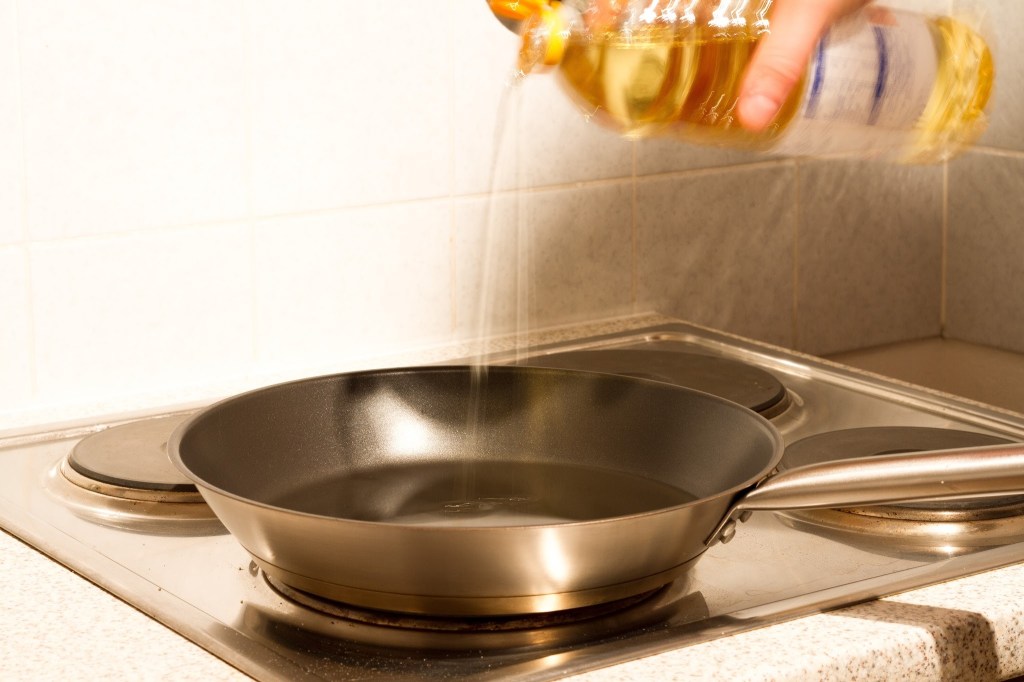
Let’s start with pans, because they are the stage on which all your culinary drama unfolds. A good pan doesn’t fight you. It heats evenly, responds when you adjust the flame, and holds just enough heat to give your food that beautiful golden sear instead of a sad gray shrug.
The first time you cook eggs in a well-made pan, you’ll wonder where it’s been all your life. They’ll glide. Glide! Like tiny breakfast ice skaters. Learning to cook in cast iron or stainless steel takes a bit of time. But you’ll be glad you took that time.
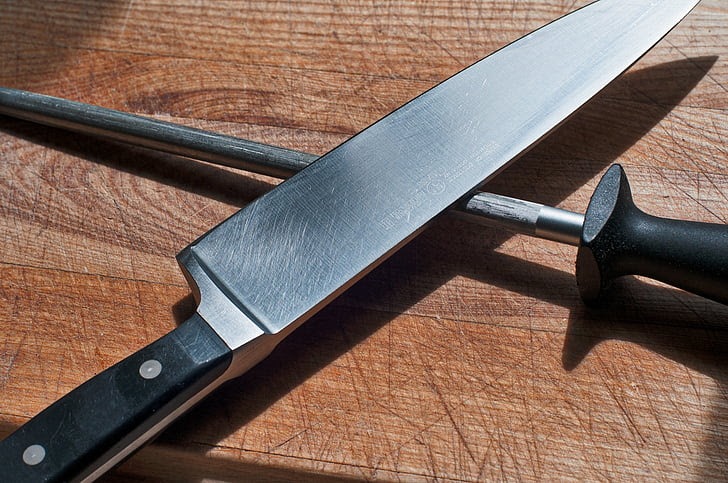
Then there’s the knife. If you’ve been hacking away with a dull blade, upgrading will feel like switching from a butter knife to a lightsaber. A quality knife isn’t just sharper—it’s balanced. It fits your hand. Try it out to see how it feels before making the purchase. It makes chopping onions less of a tearful ordeal (well, slightly less tearful).
Suddenly, you’re not dreading prep work; you’re kind of… enjoying it? You might even start chopping things that don’t need chopping, just for the thrill of it.
Of course, there’s a bit of a learning curve. A good knife demands respect. You’ll find yourself looking up “how to hold a chef’s knife properly” and considering the merits of honing versus sharpening.
You may develop strong opinions about cutting boards. (Wood, by the way. Always wood. Your knife will thank you.) My sister always laughs at how many cutting boards I have. I secretly can’t resist a serious cutting board when I’m in a second-hand store.
Here’s the secret that no one tells you at the beginning: you don’t need everything at once. In fact, please don’t buy everything at once. That’s how you end up with a drawer full of gadgets that seemed essential at midnight but now feel… confusing.
Start with the things you use every day. A pan. A knife. A cutting board. Live with them. Let them earn your trust. Because good tools do something subtle but powerful—they invite you in. They make cooking feel less like a chore and more like a small, daily ritual.
You start noticing things: the sound of onions hitting a hot pan, the rhythm of chopping, the satisfaction of a perfectly flipped pancake. You begin to understand why people talk about cooking as if it’s therapy.
And here’s the best part: high-quality tools last. They become part of your kitchen’s story. The pan that’s seen a hundred Sunday breakfasts. The knife that’s chopped vegetables through seasons of your life. They age with you, developing that slightly worn, deeply loved look that says, “Yes, this kitchen is used.”
Buying good kitchen tools won’t magically turn you into a professional chef. But it will make you a happier cook. And honestly, that’s the whole point. Now, if you’ll excuse me, I have an onion I’m oddly excited to chop.
 Kate's Garden Kitchen
You must be logged in to post a comment.