Tools, Too

There comes a moment in every cook’s life when you realize the problem isn’t you—it’s your tools. You stand there, wooden spoon in hand, trying to coax a decent sauté out of a flimsy pan that heats like a moody teenager—too hot in one spot, cold in another, and entirely unpredictable. 

Your knife? It’s less “precision instrument” and more “suggestion,” squishing tomatoes instead of slicing them. 

Suddenly, the clouds part: it’s time to grow up. It’s time to buy good kitchen tools. Now, before you picture yourself dropping a small fortune on gleaming copper pots and artisanal blades forged under a full moon, let’s take a breath. 

Buying high-quality kitchen tools isn’t about becoming a chef overnight. It’s about making your everyday cooking easier, more satisfying, and—dare I say—more joyful. 
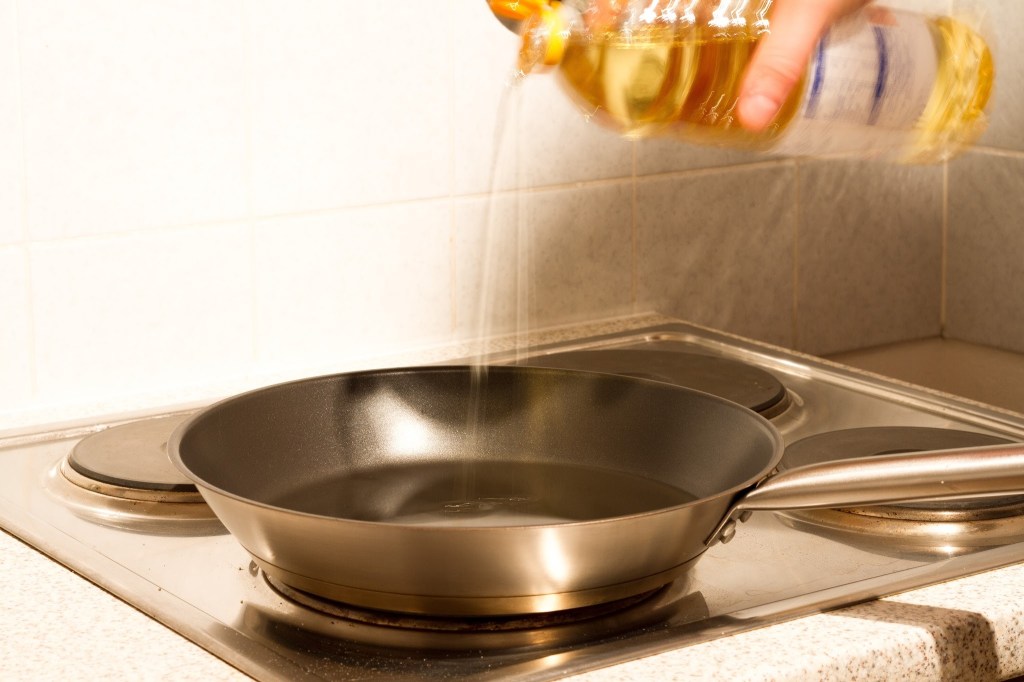
Let’s start with pans, because they are the stage on which all your culinary drama unfolds. A good pan doesn’t fight you. It heats evenly, responds when you adjust the flame, and holds just enough heat to give your food that beautiful golden sear instead of a sad gray shrug. 

The first time you cook eggs in a well-made pan, you’ll wonder where it’s been all your life. They’ll glide. Glide! Like tiny breakfast ice skaters. Learning to cook in cast iron or stainless steel takes a bit of time. But you’ll be glad you took that time.
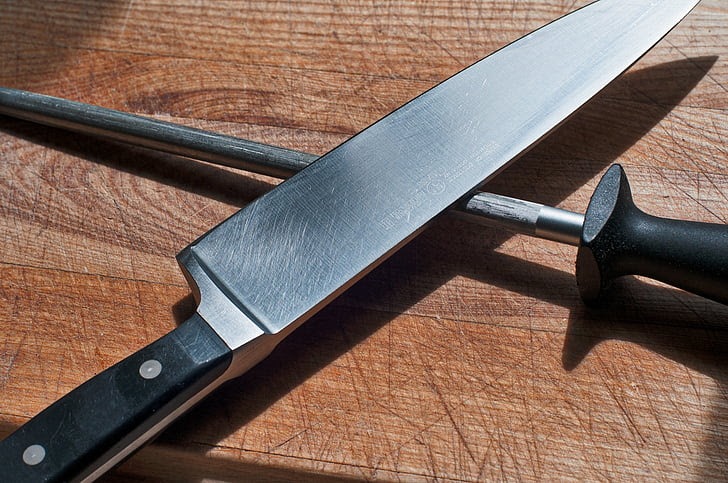
Then there’s the knife. If you’ve been hacking away with a dull blade, upgrading will feel like switching from a butter knife to a lightsaber. A quality knife isn’t just sharper—it’s balanced. It fits your hand. Try it out to see how it feels before making the purchase. It makes chopping onions less of a tearful ordeal (well, slightly less tearful). 

Suddenly, you’re not dreading prep work; you’re kind of… enjoying it? You might even start chopping things that don’t need chopping, just for the thrill of it. 

Of course, there’s a bit of a learning curve. A good knife demands respect. You’ll find yourself looking up “how to hold a chef’s knife properly” and considering the merits of honing versus sharpening. 
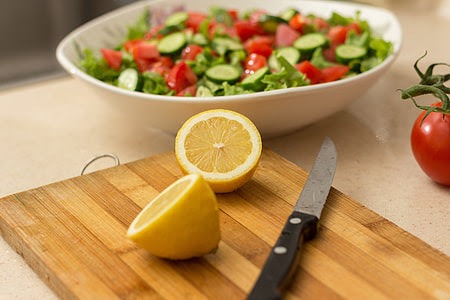
You may develop strong opinions about cutting boards. (Wood, by the way. Always wood. Your knife will thank you.) My sister always laughs at how many cutting boards I have. I secretly can’t resist a serious cutting board when I’m in a second-hand store. 

Here’s the secret that no one tells you at the beginning: you don’t need everything at once. In fact, please don’t buy everything at once. That’s how you end up with a drawer full of gadgets that seemed essential at midnight but now feel… confusing.

Start with the things you use every day. A pan. A knife. A cutting board. Live with them. Let them earn your trust. Because good tools do something subtle but powerful—they invite you in. They make cooking feel less like a chore and more like a small, daily ritual. 

You start noticing things: the sound of onions hitting a hot pan, the rhythm of chopping, the satisfaction of a perfectly flipped pancake. You begin to understand why people talk about cooking as if it’s therapy. 

And here’s the best part: high-quality tools last. They become part of your kitchen’s story. The pan that’s seen a hundred Sunday breakfasts. The knife that’s chopped vegetables through seasons of your life. They age with you, developing that slightly worn, deeply loved look that says, “Yes, this kitchen is used.” 

Buying good kitchen tools won’t magically turn you into a professional chef. But it will make you a happier cook. And honestly, that’s the whole point. Now, if you’ll excuse me, I have an onion I’m oddly excited to chop.
The Potato Pancake 

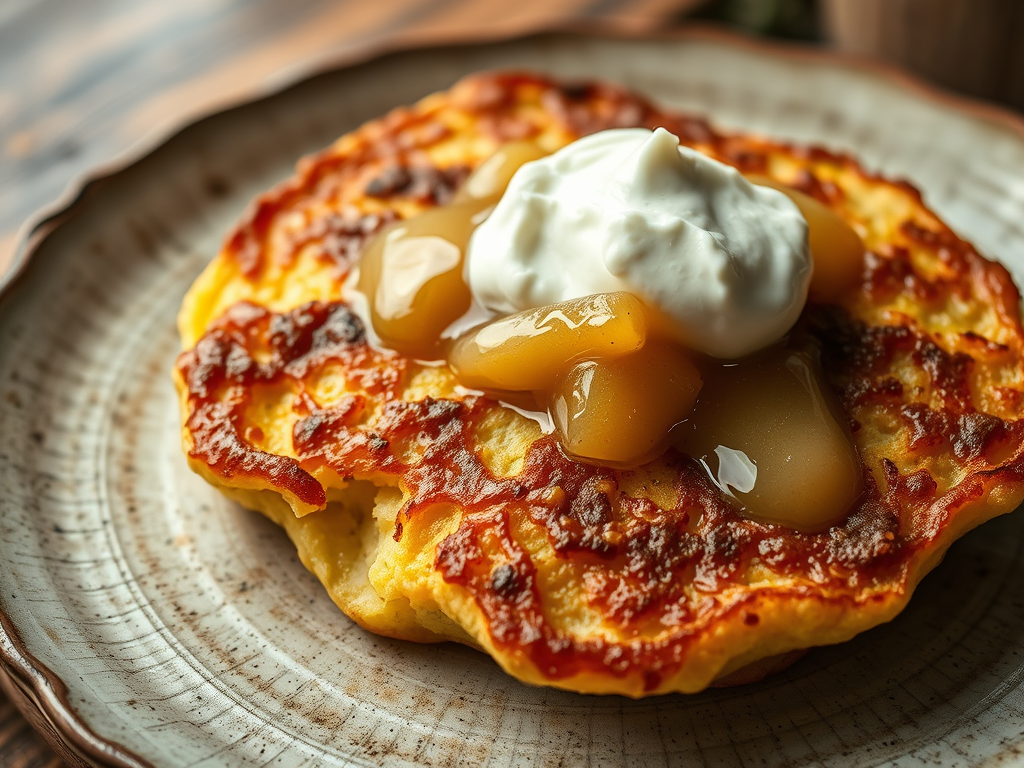
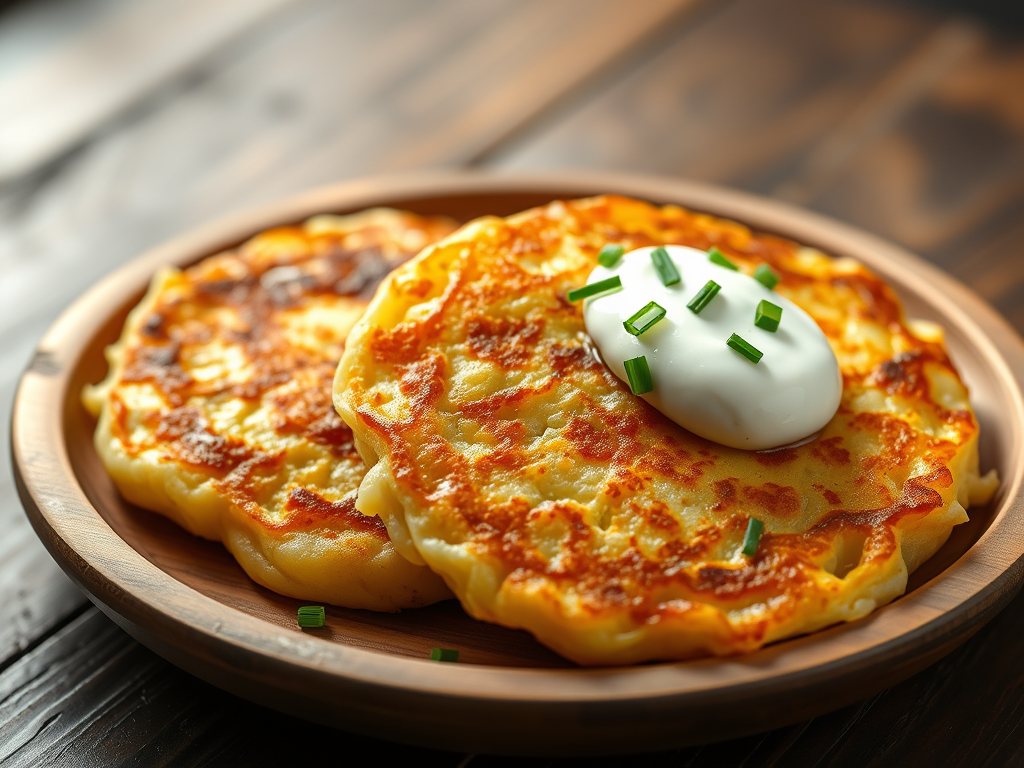
Some foods try very hard to impress you, and then there are potato pancakes. Potato pancakes do not care if you are impressed. They care only that you are warm, slightly happier than you were five minutes ago, and maybe sitting down for a minute. There’s something so cozy and wholesome – they’re crispy on the outside, creamy on the inside and a wonderful palette awaiting a dollop of sour cream or applesauce. Comfort doesn’t have to be complicated. It can be grated, pan-fried, and eaten standing at the counter while someone else asks, “Are those ready yet?”

Potato pancakes do not ask you to julienne anything. They do not require garnishes or fancy ingredients. They simply say, “Grate some potatoes. I’ll take it from here.” The best part is that you can use your imagination and creativity to combine all sorts of vegetables and seasonings. Basically, use up whatever is in the crisper. 

Even if the rest of the day has been a little questionable, eating a potato pancake is an exercise in mindfulness, whether you intend it or not. They are best fresh and hot, but still excellent cold, which feels like a metaphor for resilience. In uncertain times, when big answers are hard to come by, it is good to remember that some problems can be solved with potatoes, oil, and a hot pan. Not all of them. But enough to make things feel manageable. And really, sometimes that’s all we’re asking of dinner.

2 c. any combination of mashed or grated sweet and white potatoes 

½ small onion, finely chopped

1 clove garlic, finely chopped

1 egg

½ c. flour

Salt and pepper to taste

Sauté onion and garlic in a small amount of olive oil. Mix all ingredients in a large bowl and drop by large spoonfuls into a pan glazed with olive oil. Pat the cakes flat. Sauté until browned; flip and brown on the other side. Alternatively, you can place on parchment or a silpat on a cookie sheet and bake for about 15-20 minutes in a 350-degree oven. Repeat with the rest of the batter.

Serve warm on their own with a dollop of plain yogurt or sour cream, and a dollop of applesauce, currant jelly, or whatever other jelly you have on hand. Or serve cold over a fresh salad dressed with vinaigrette and sprinkle with goat cheese or feta.

Extras:

1 cup of any combination of grated raw beets, carrots, zucchini, and/or finely chopped greens

1 cup cooked grains (quinoa, bulgur, oatmeal), and/or mashed cooked beans (black, garbanzo, lentils). Just remember that the drier the mix, the more binder you may need, such as an additional egg.

Easy Spring Stir-Fry Recipes for Healthy Meals

Happy Earth Day, everyone! At this time of year, the soothing green of plants and the soft spring days override the memories of a cold winter. It’s a time to be contemplative and appreciative of our earth and gardens. It’s the perfect time to recalibrate. clean out those closets, and clean up our food priorities.

It’s so much easier to pull off a healthy meal when the stress of planning and cooking is eased. So let’s put our energy into clean, simple meals that let us focus on our health. Put the heavier soups and stews away for next fall.

Let’s Stir-Fry!

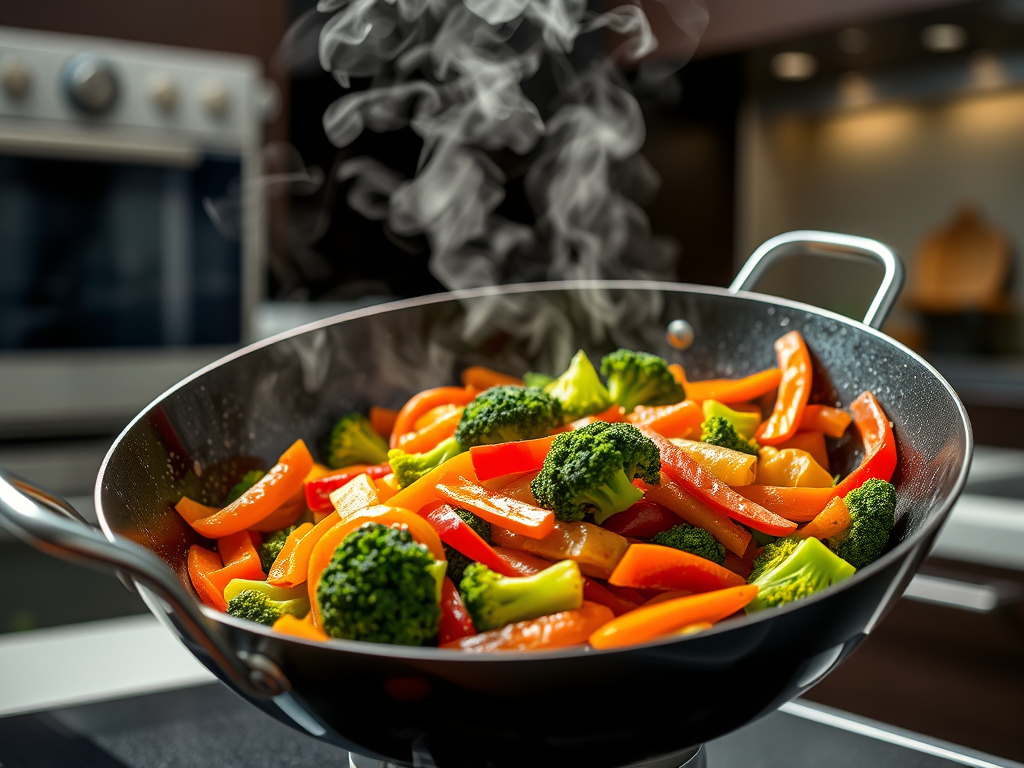
One of the freshest and easiest meals to make quickly is a stir-fry. Serve a chopped salad alongside, and you have a power-packed meal. Varying the vegetables and sauce flavors i the stir-fry can make it different each time.

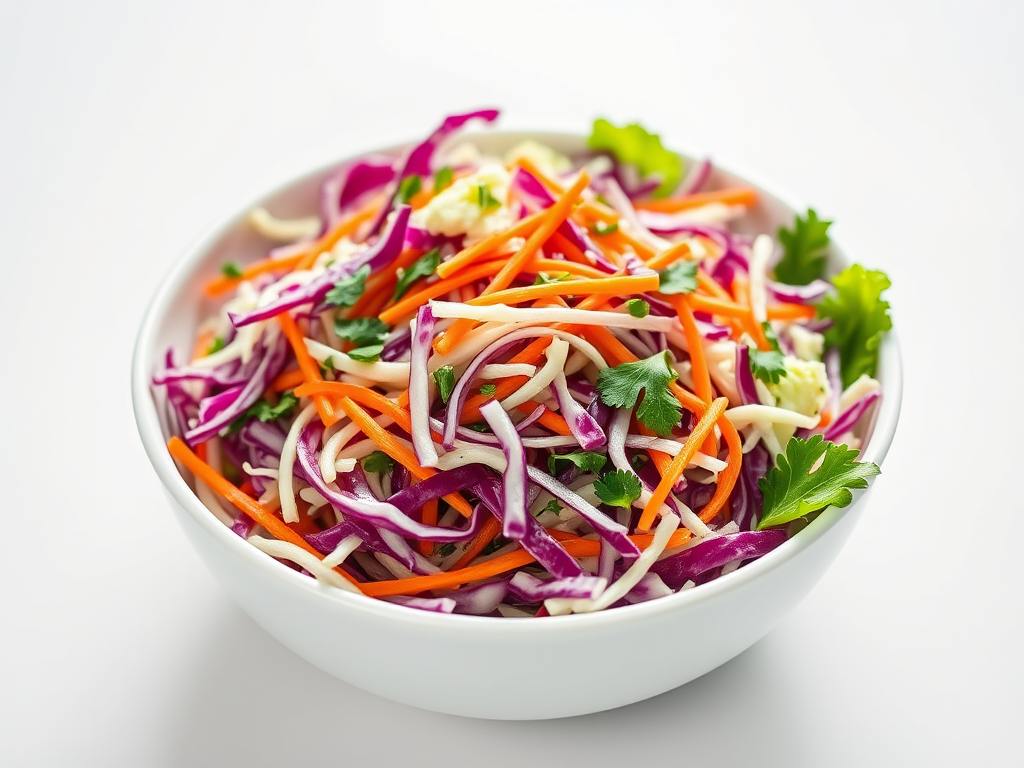
Do you use all of the head of broccoli? My family isn’t fond of the stems, so I roast the florets for a meal and then peel the stems (quick and easy with a carrot peeler) and grate them. Add to shredded carrot and cabbage for a delicious slaw. I like to make my dressing, but I keep commercial slaw dressing on hand to make things easier.

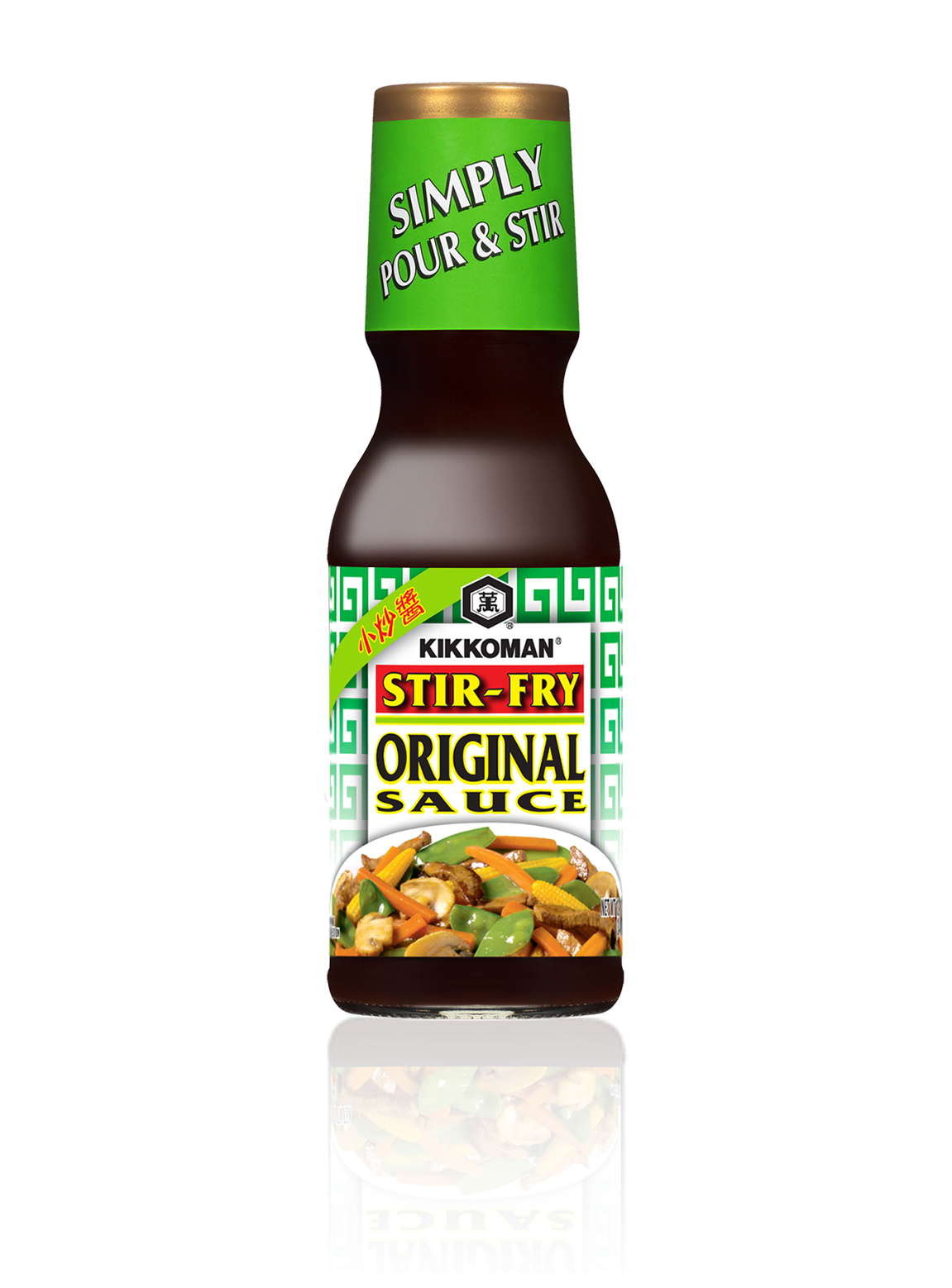
Best of all, the slaw mix makes a great salad and but can also make quick stir-fry if you use it before adding dressing. Simply add a bit of spinach or whatever greens you have on hand. Even a handful of frozen vegetables will add extra nutrition. Scramble an egg right in the pan for added protein, or add roasted tofu or leftover roasted chicken. Use a bottled stir-fry sauce of your choice, and serve over leftover rice or noodles.

You can certainly make stir-fry sauces yourself, but don’t be hesitant to buy bottled sauces as long as you check the ingredients carefully. Having peanut sauce, barbecue, or any flavor of Asian sauces will make pulling off a quick meal even quicker.

Stir-Fry Sauce - Kikkoman Home Cooks

2 T. brown sugar
3 T. soy sauce
1 t. grated fresh ginger
1 clove garlic, minced
¾ water or broth
4 T. cornstarch

Mix and let sit for half an hour. Add to vegetables when almost done.

1/2 c. mayonnaise
1/4 c. fresh cilantro leaves packed
1-2 green onions
1 garlic clove
1 lime zested and juiced
1 jalapeño or serrano chile, stem removed
1/4 tsp ground cumin
1/4 tsp kosher salt
1/8 tsp black pepper

Blend

Or try one of these on your chopped salad:

1 ripe avocado, halved, seeded, and peeled
4 ounces plain low-fat yogurt
2 tablespoons snipped fresh cilantro
2 tablespoons snipped fresh parsley
1 tablespoon lime juice
1 tablespoon olive oil

Blend

1/2 cup tahini
1/2 cup red wine vinegar
1/2 lemon juiced, to taste
1 tsp oregano
1/2 tsp garlic salt
pepper to taste
water as needed

Blend

For the Love of Chiles

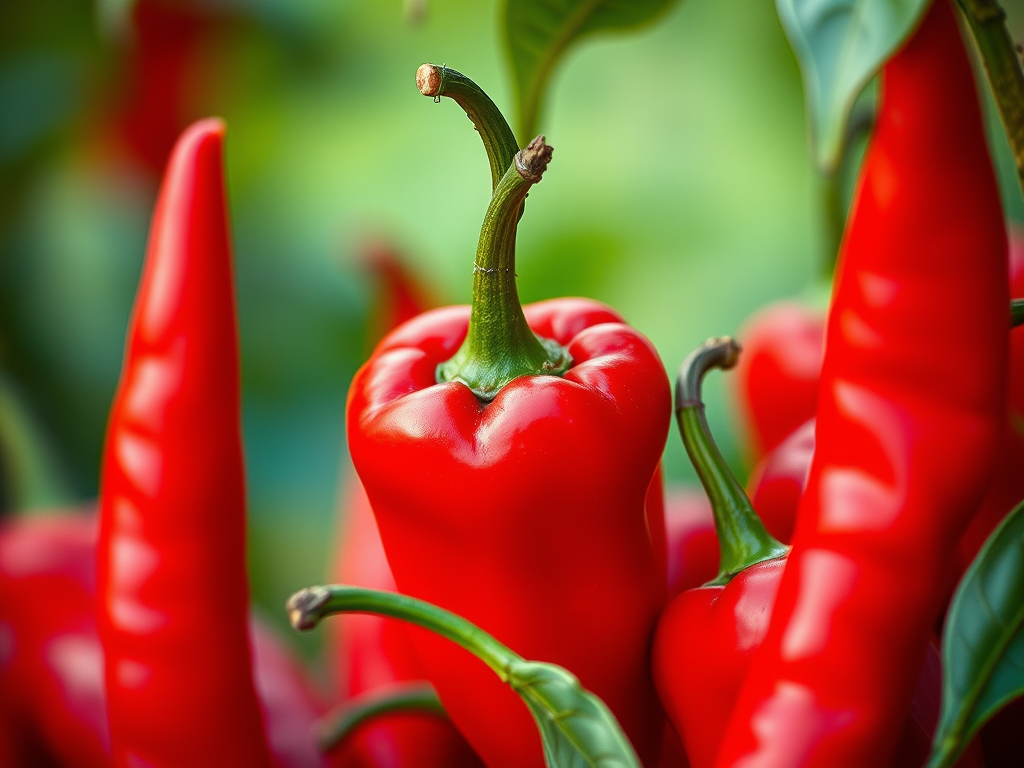
The garden is bursting with ripe chile peppers, so it’s time to make salsas, hot sauces, chili pepper powders, and other chile goodies.

I grow a few favorites every year, but I’m a sucker for new varieties as well. I’m not a fan of extremely hot peppers, especially when they are so hot that the burn takes away all flavor. But there are some mildly hot peppers that are not on that extreme scale, and the flavors you get from them is unmatchable.

I always grow Aleppo and Espelette peppers for chili powder and Jalapenos for salsa. I grow Anaheims and Poblanos for roasting for the freezer for soups and stews in winter, and this year my new pepper is Sugar Rush Peach, an heirloom that has just appeared to be readily available.

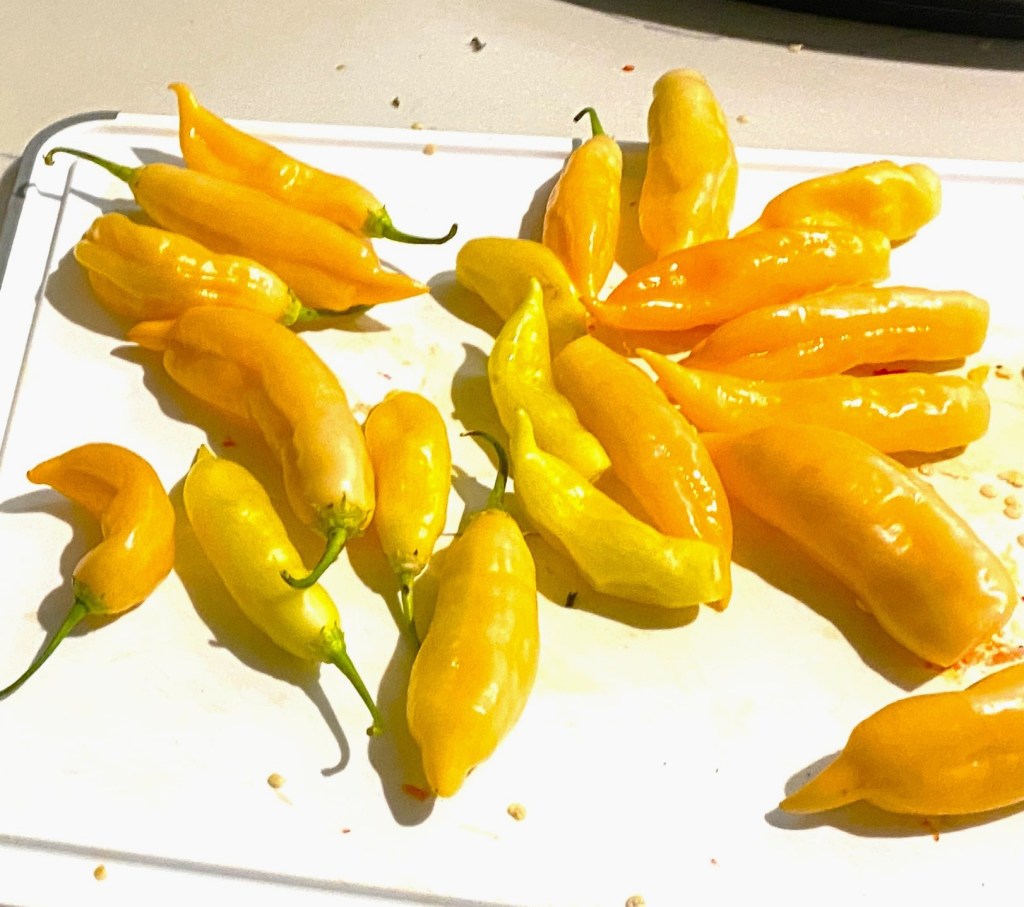
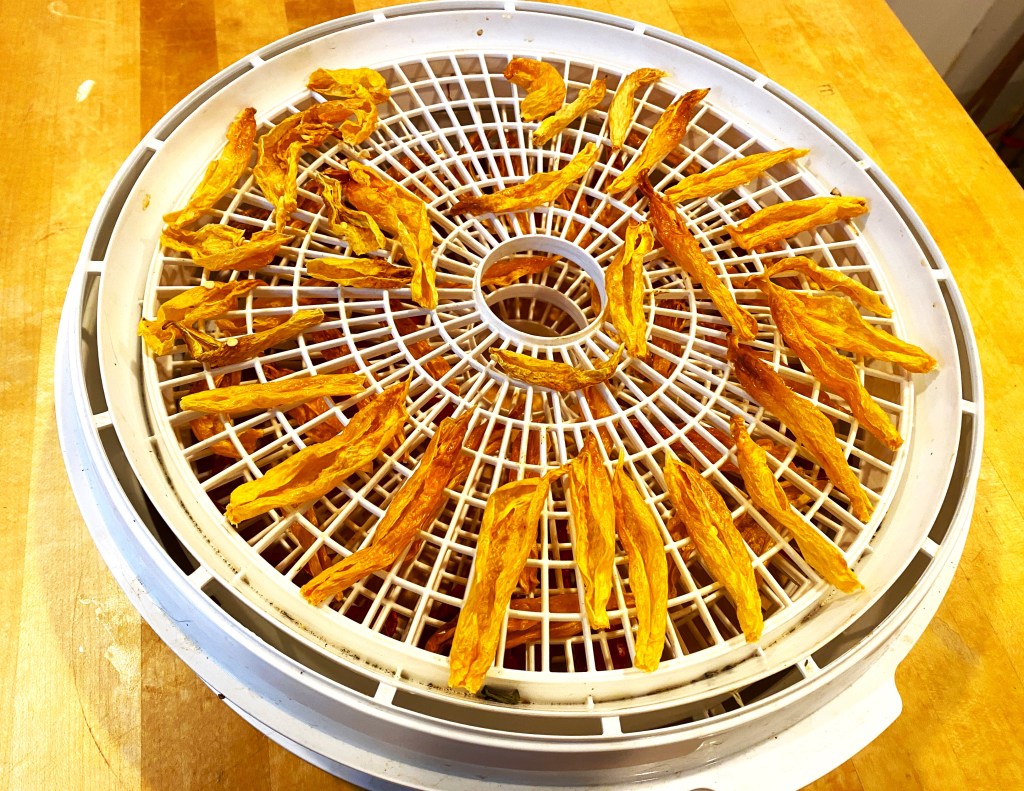
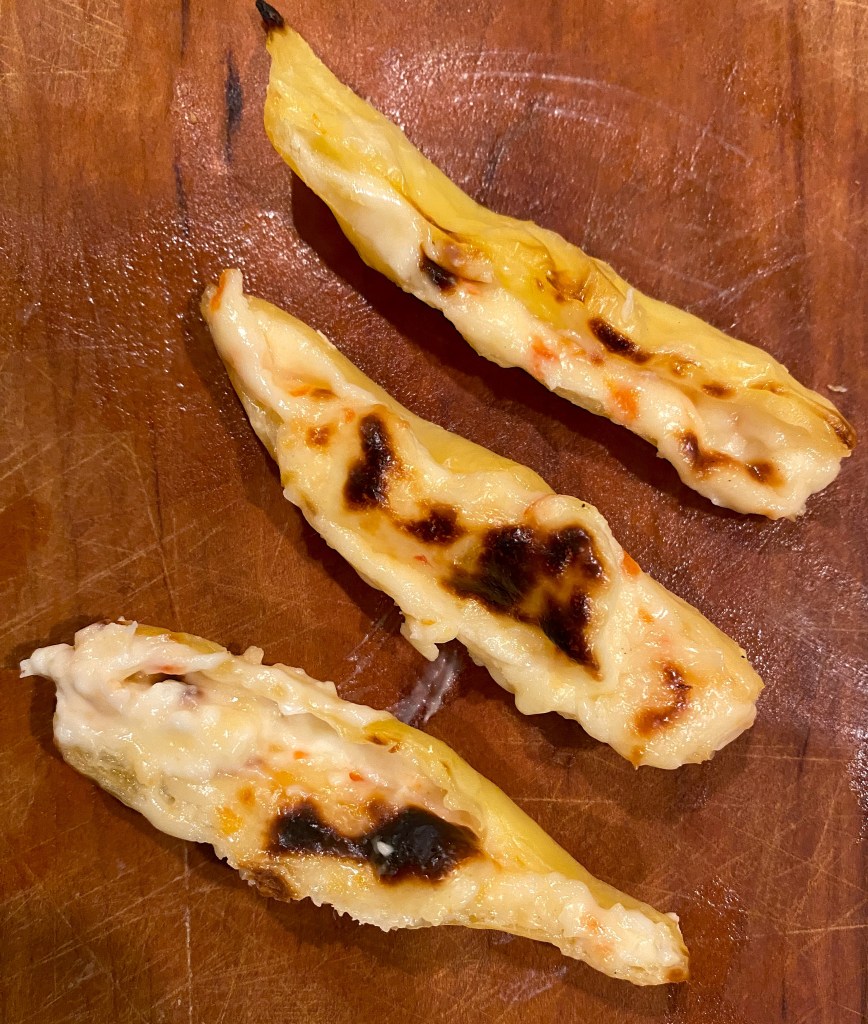
I had only one plant of Sugar Rush but it was heavily laden with lovely peach-colored peppers as they ripened. So, I had baskets of these peppers and needed to figure out what to do with them. I tried grilling them and they were a little too hot to eat plain so I diced them into some salsa which toned down the heat a bit. I dried the rest for chili powder and the tropical sweetness behind the heat is delicious. My best discovery was to stuff halves with cream cheese mixed with pepper jelly and broil them. They are not quite so hot when cooked, and these “poppers” are absolutely delicious.

Two extraordinary ways to eat some of the sweeter chile peppers:

Grilled Stuffed Sweet Heat Peppers

20 Sweet Heat peppers, sliced lengthwise into halves, seeds and membranes removed (they look best if the stems are left on)
2 slices bacon
1 c. cream cheese, softened (or ½ c. cream cheese and ½ c. goat cheese)
¼ c. shredded cheddar cheese
¼ minced chives
1 small garlic clove, minced
1 T. chopped fresh thyme

Preheat grill to medium-high heat. Cook bacon until crisp and drain. Crumble bacon and add to rest of ingredients. Stuff pepper halves and place on grilling rack coated with cooking spray. Grill covered about ten minutes, until peppers are charred. Remove to serving platter and sprinkle with chopped, seeded fresh tomatoes.

Stuffed Sugar Rush Peach Peppers
Ten Sugar Rush Peach peppers, sliced lengthwise into halves, seeds and membranes removed (they look best if the stems are left on)
½ c. softened cream cheese
¼ c. pepper jelly (or any favorite jelly)

Mix the cream cheese and jelly and stuff the pepper halves. Slide under the broiler just until the cream cheese gets soft and begins to brown.
Remove and enjoy!

Simplicity

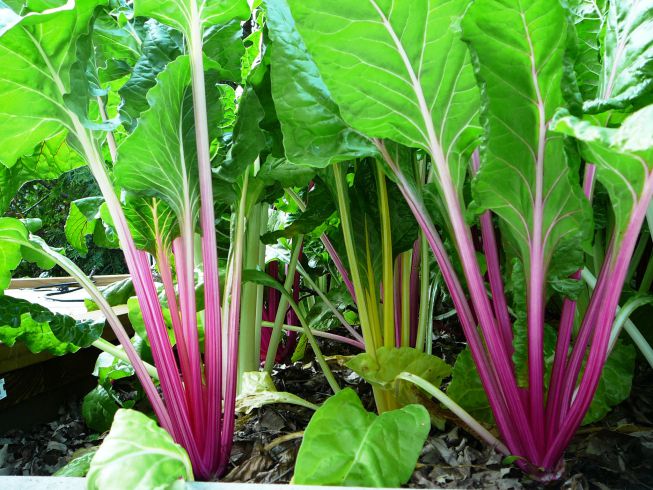
Bright Lights Swiss chard

I don’t do resolutions. But I do love the idea of a fresh start for some things in my life. So, here is my resolve for all of us. Just start.

I’ve been reading so many gardeners’ and cooks’ resolutions that my head is spinning. But the one thing that seems a common thread through all of these is the desire for simplicity. 

I’ve touted this for years, that simple gardening and simple cooking will bring us back to the garden and kitchen in a restful, pleasant way. And if it becomes meaningful or artistic, all the better. But mostly, we just need to start. Start small, start easy and most of all, don’t pressure yourself to create a masterpiece. 

Gardening

For gardening, perhaps it means getting two pots, filling them with soil and planting lettuce. When the lettuce is done, plant carrots. Or a pepper or a tomato. If you are successful (meaning you get something on the table, even a simple salad), then ask yourself if you want to go further with your garden.

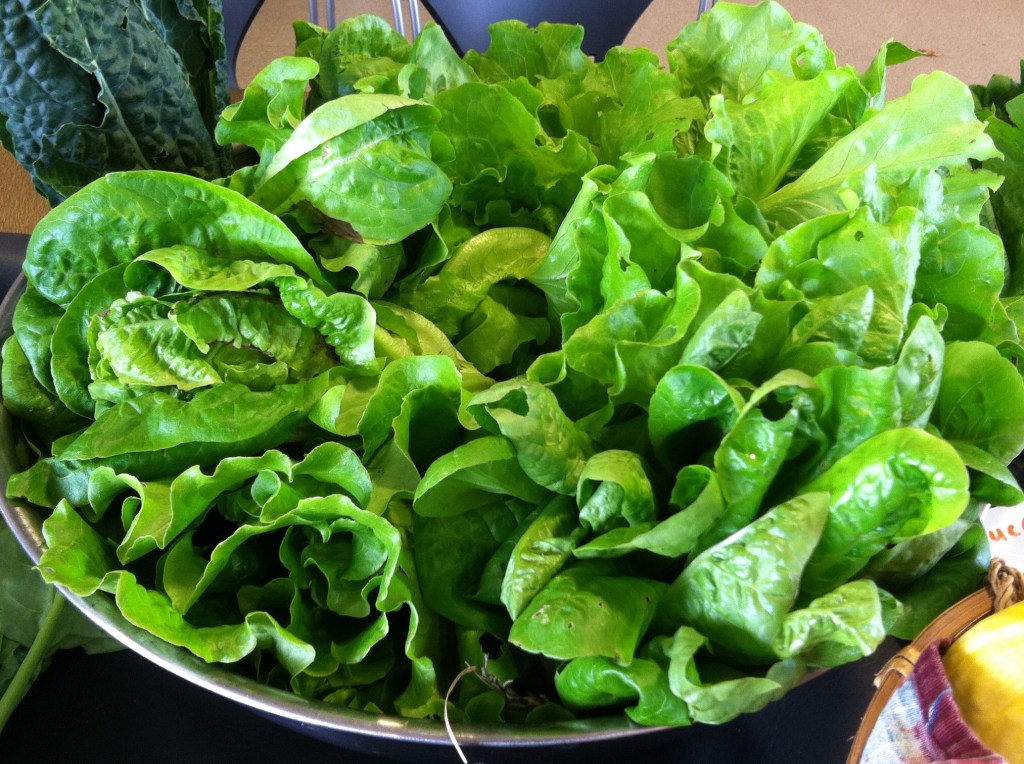
Bowl full of Batavia lettuce

Cooking

For cooking, try this: 
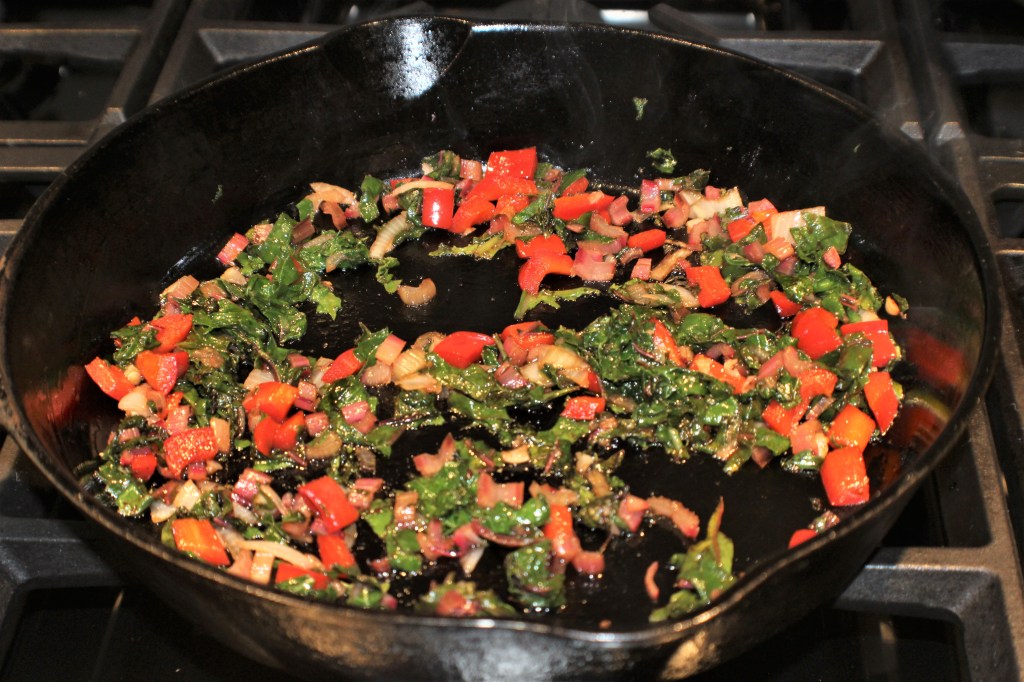
Chop a sweet pepper, a sweet onion and a small zucchini or a couple of leaves of chard. Saute them in olive oil until tender, season to your liking, and serve over cooked rice or pasta. Simple! And delicious. Cooking doesn’t have to be hard. And, you can always embellish as your heart leads you.

Sauteed peppers and greens

For a bigger challenge:

Saucy Greens

1 small bunch of Swiss chard or other greens

1 clove garlic, minced

¼ c. onion, sliced

1 T. olive oil

1 T. balsamic vinegar

1 t. Sugar

Salt and pepper to taste

½ c. chopped tomatoes

2 T. sour cream or plain yogurt

1 T. sriracha sauce if desired

2 large eggs if desired

Rinse the greens liberally and remove tough stems. Stack the leaves and roll them into a “cigar” and slice thinly. Add garlic and onion to olive oil in heavy pan and saute until tender. Fry eggs in separate pan if you intend to use them. Add greens, vinegar and sugar and saute about 5 minutes until greens are tender. Turn off the heat and stir in tomatoes and sour cream or yogurt. Salt and pepper to taste.

Most of all, have a wonderful 2020 and don’t be afraid to play!