Spring Greens

With the spring coming on like crazy, I find myself constantly walking the garden to see shoots of edible things peeking through the mulch. I know it’s too early for asparagus, but the sorrel is beginning to show signs of life.

Leafy greens are earliest spring vegetables

Usually the first shoots we see are leafy greens. Many of them actually have chemical substances (mostly sugars) that act as antifreeze so they are perfectly at home in the coldest weather. They are the best plants to bracket the growing season with since they are so cold tolerant. They also make great cold frame crops. 

Greens are simple things. In a world of chaotic schedules, hurried meals, and gourmet foods, it’s pleasant to eat something as simple to prepare and wholesome as Swiss chard or kale. Besides, with the constant nattering about eating less fat and more vegetables, who can argue with getting a solid dose of cancer-fighting vitamins in something that tastes so good?

Greens are easy to grow
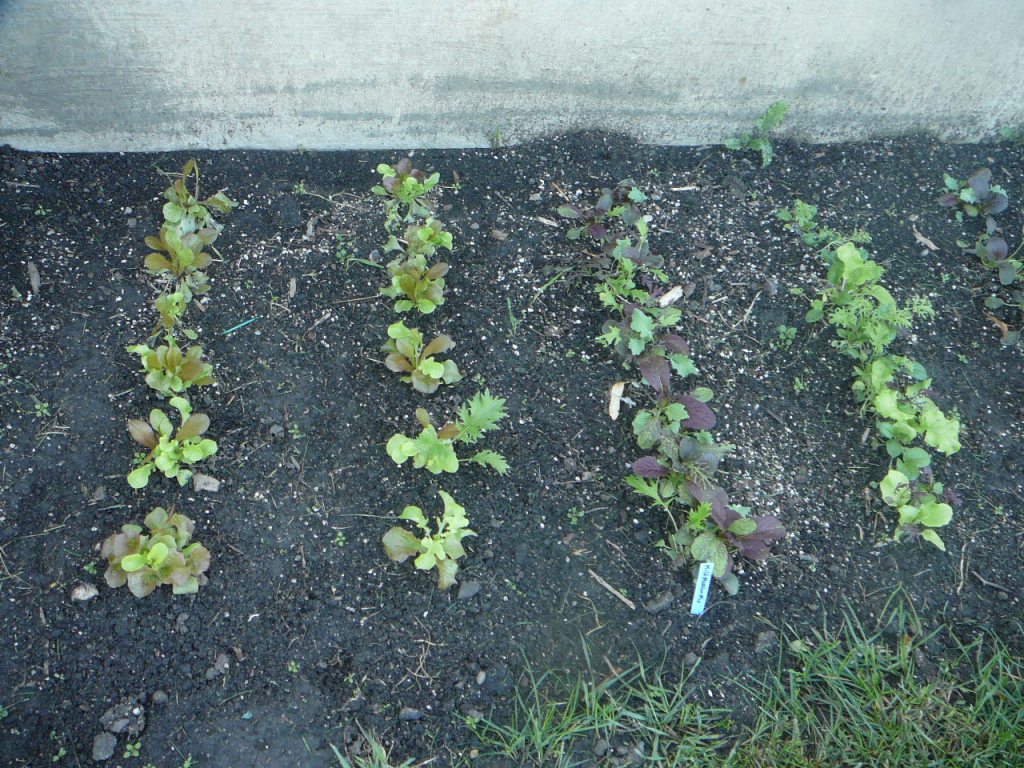
Most are easy to grow, and only need moderately fertile well-drained soil and full to partial sun. I actually like to seed several types of greens in the fall so they will be up early and provide me with tasty meals when there’s not much else around that is so fresh. Some greens bolt quickly when the heat comes, so giving them a head start by planting in fall means I’ll have plenty of spinach, lettuce, mustard and Chinese cabbage in early spring.

Spinach in the cold frame

Spinach

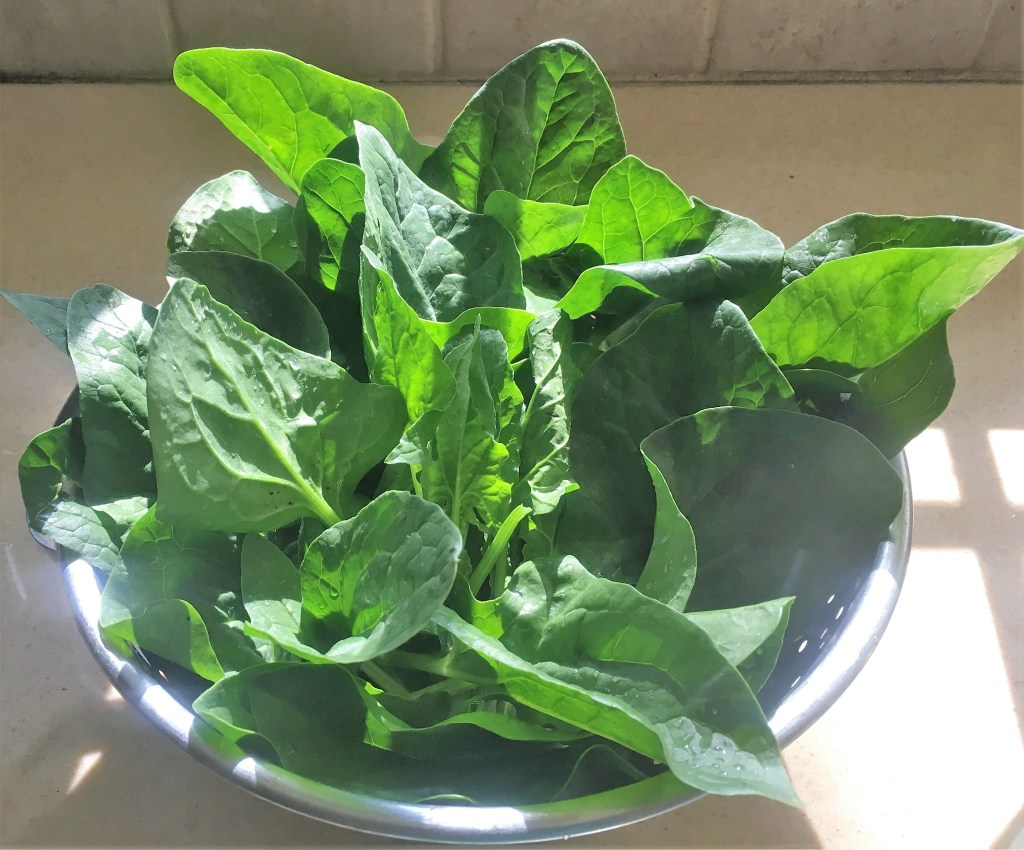
Spinach is one of the first greens that comes to mind. Who doesn’t love spinach? You can start plants under a cold frame in fall, where they will start growing and then go into suspended animation for the winter. As the days lengthen, the small plants will take off. I actually have baby spinach for the table now.
Mustard greens

I always grow mustard greens. Red mustard is beautiful for ornament, and the frilly green mustards are absolutely delicious when steamed or sauteed with garlic. I let some go to seed at the end of spring and they provide new plants for fall harvest. Then I let the fall plants set seeds to provide the next spring’s crop. I have a steady supply and I don’t have to do a thing except thin or move them around where I want them. I like that in a plant.
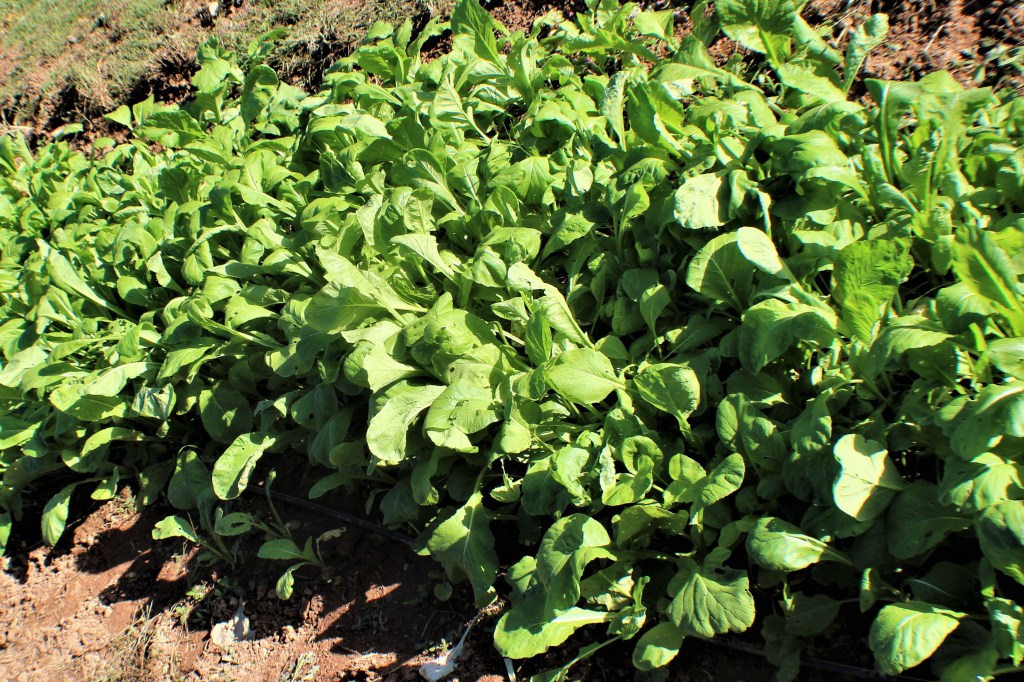
Mustard greens in fall

Swiss chard and kale

Of course I also always grow Swiss chard and several types of kale. I leave the old stalks in the ground through the winter and about half the time they will sprout giving me very early greens. These stalks don’t usually last past May, but that gives me time to get new plants in the ground before they give out. And neither of these greens bolts in warm weather so I have greens all summer. 
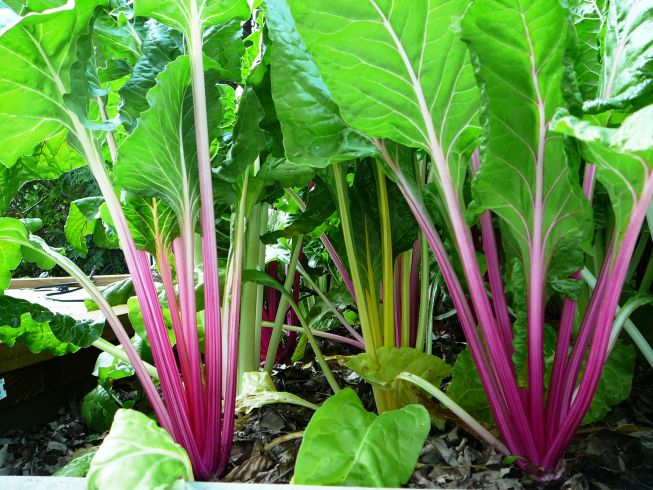
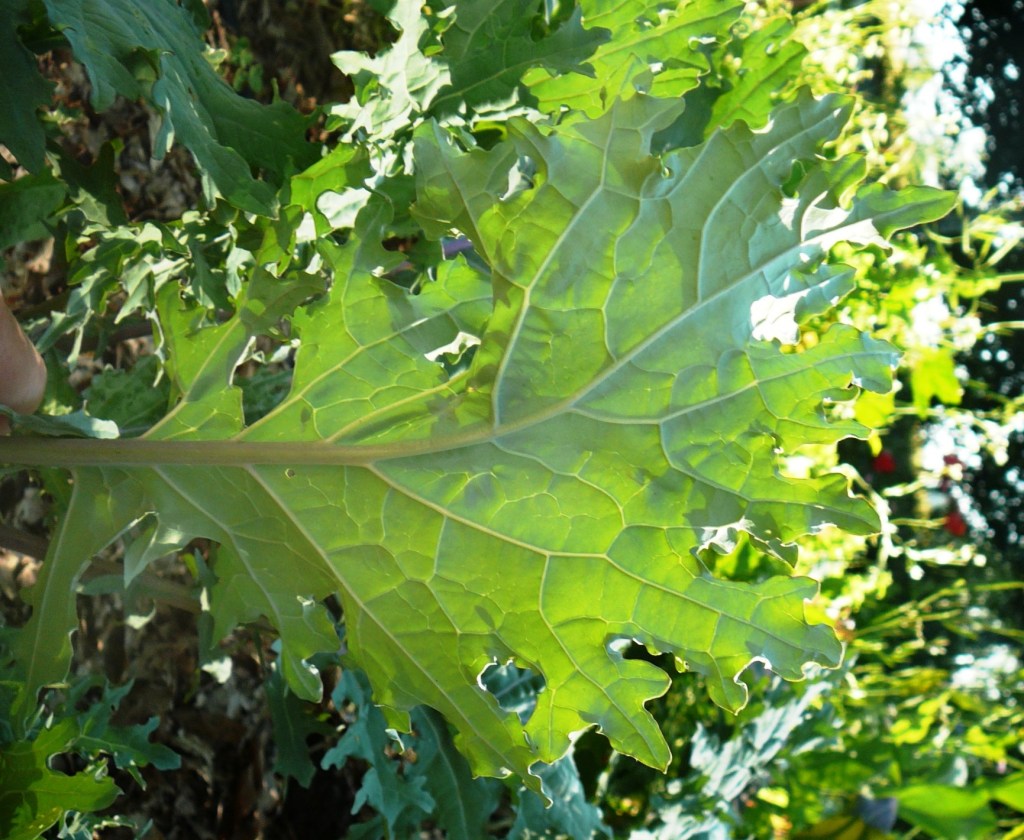
Kale is a favorite

I get some pushback when I talk about kale these days – “it’s so passe!” as everyone says. But it will never get old with me. I love it in soups, stirfries, and my favorite, kale salad. But not your usual chopped raw kale. That often leaves people cold. But I’ve learned to massage it into a sweet, tender vegetable that doesn’t resemble the woody, chewy kind often found in kale salads. 
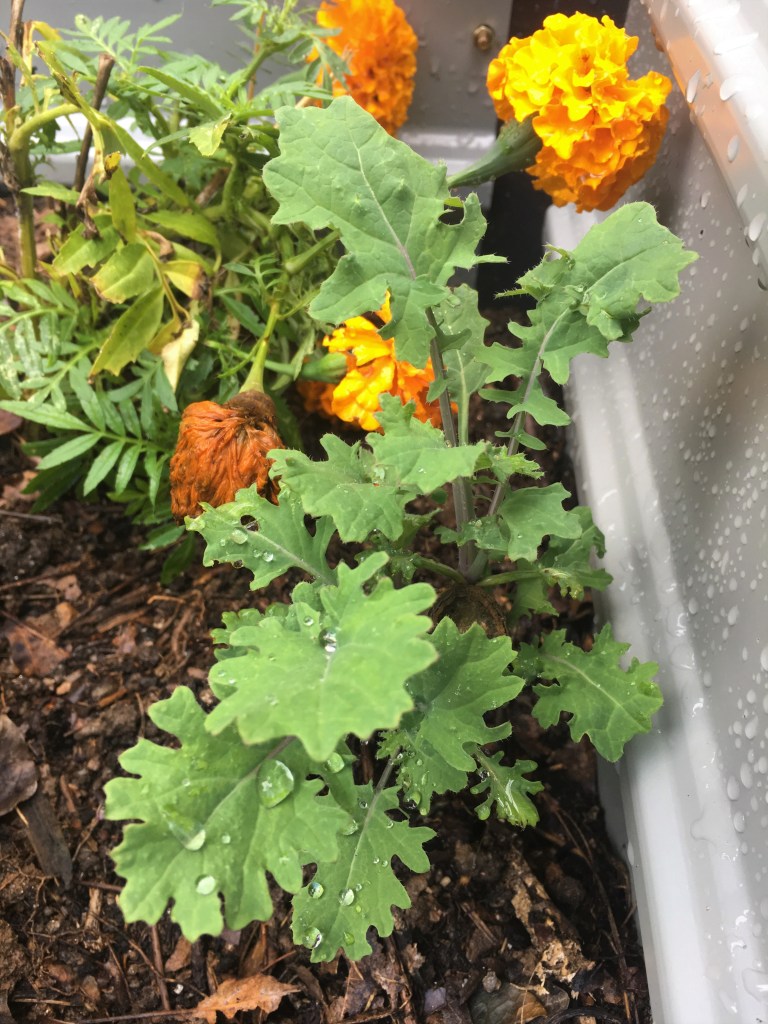
Massaging Kale

My favorite to use is dragon kale, also called laciniato, an Italian heirloom. I find it’s the sweetest. It may sound strange to think of massaging kale into a salad, but crushing it takes away the bitterness and toughness. Try it – I think you’ll be hooked. 
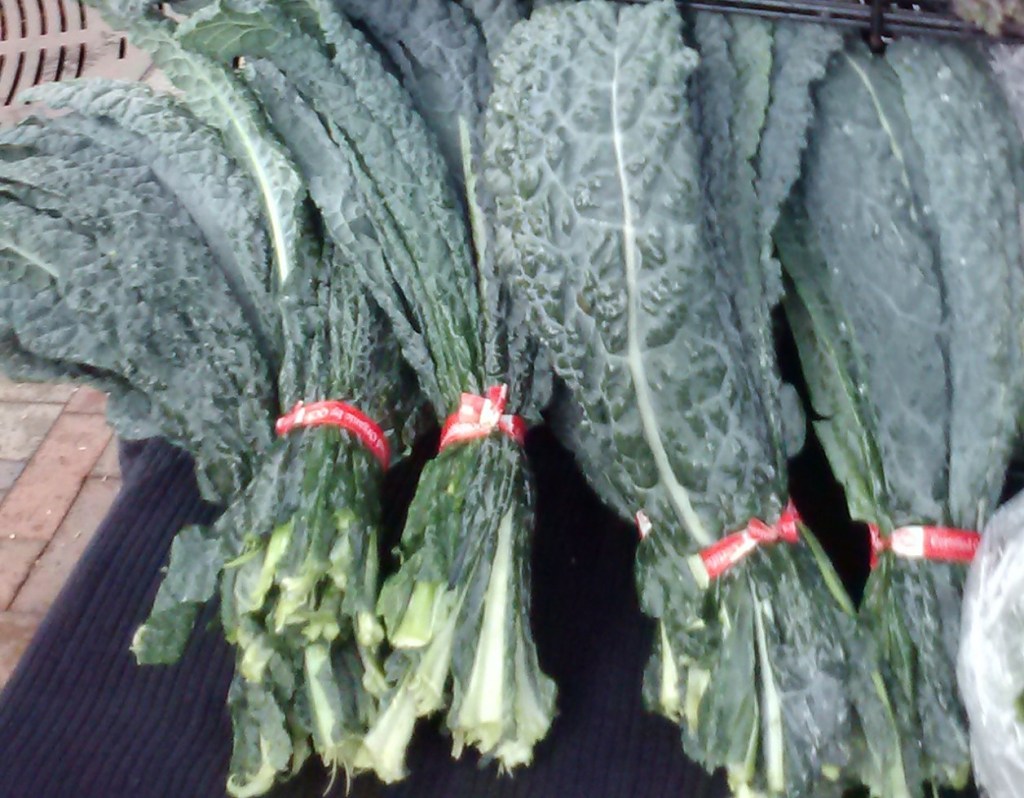
Massaged Kale Salad
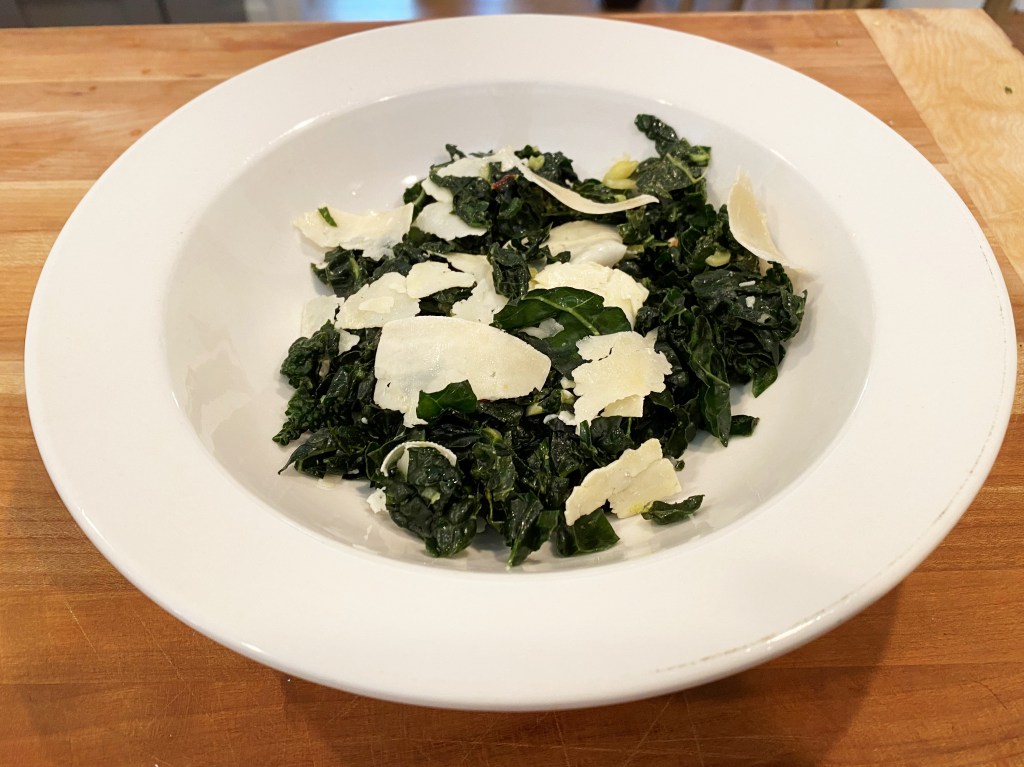
One large bunch kale (laciniato preferred, but any kind will work)

1 t. salt

1 clove garlic, minced

1 T. olive oil

Juice of one half a lemon

Parmesan cheese to garnish

Remove the ribs from the kale. This can be done by grasping the end of the rib and stripping off the leaves. Discard the ribs. Roll the leaves into a “cigar” and slice into ribbons. 

In a large bowl, douse the kale with the olive oil, add the garlic and salt and begin to massage or crush the kale with your hands. This can only be done well with the hands, so get into it and enjoy it. Your hands will thank you for the olive oil massage. 

Once the kale is dark green and reduced considerably in bulk, squeeze the lemon juice over it. Adjust the salt, add pepper if you desire and garnish with plenty of fresh grated parmesan cheese. You will find this irresistible!
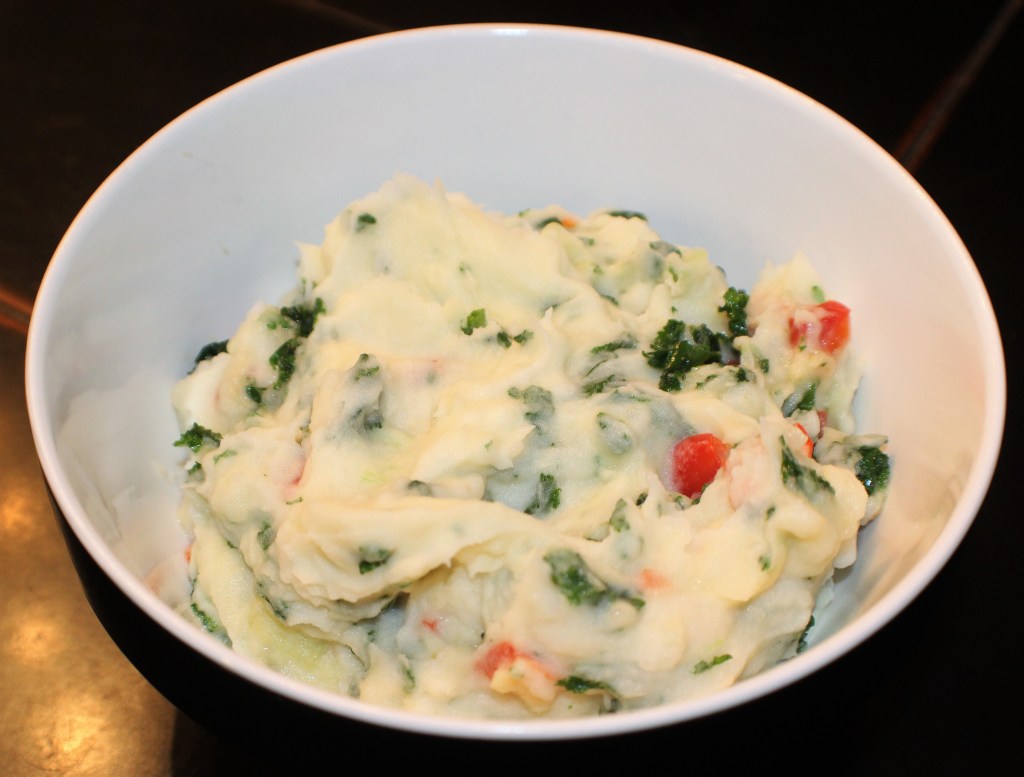
Kalecannon

This time of year cabbage and kale are plentiful and nutritious. It’s also time to think about getting those transplants ready for the garden. The cold weather doesn’t bother these hearty (and hardy) plants. 

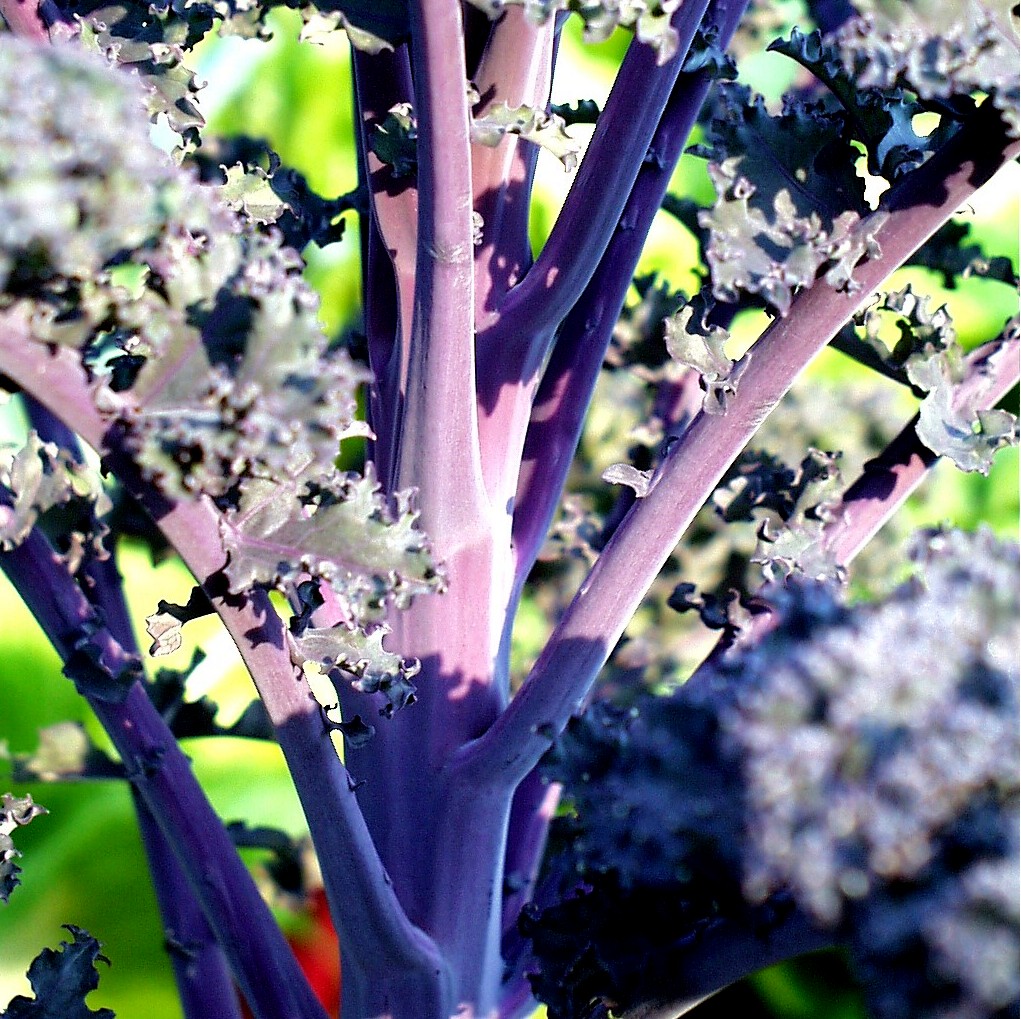
Redbor kale

All members of the cole family are troubled by cabbage moths, so be ready when your transplants go out to cover them with row covers or be vigilant about treating with Bt, a bacterium specific to butterfly and moth larvae (available at most garden centers). 

Now to the best part – eating!

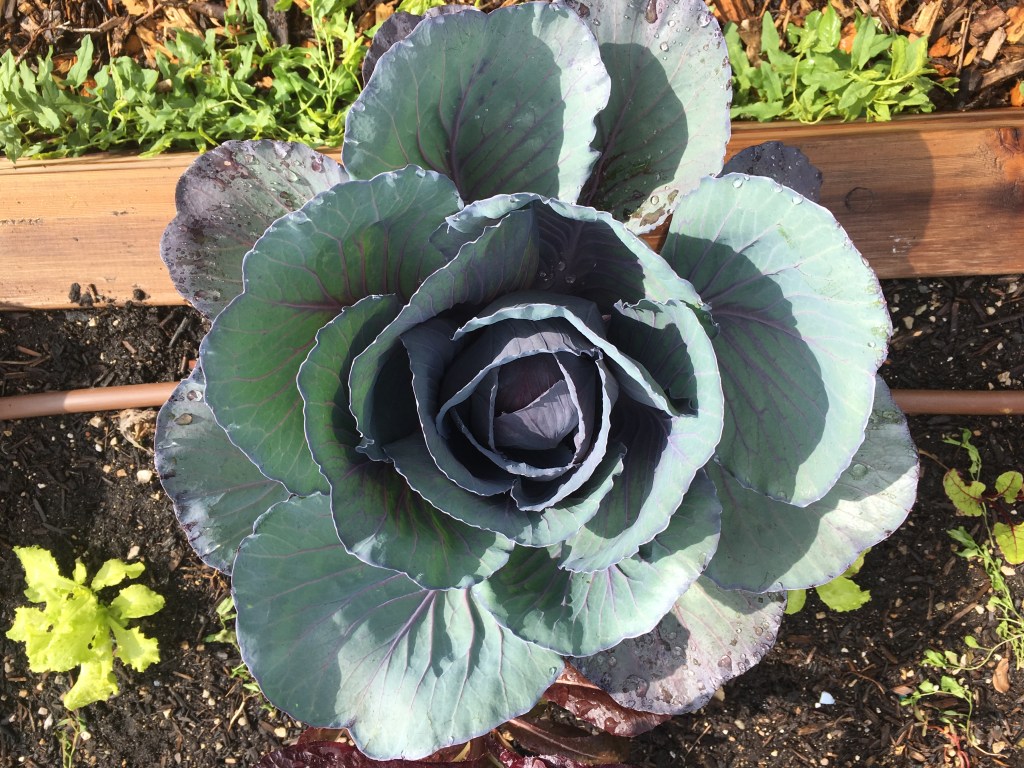
Whether Chinese cabbage such as bok choi or napa,  round head red or green cabbage, Winterbor, red Russian or laciniato kale, they all can make a wonderful riff on the traditional Irish colcannon. 

This true comfort food is simply made with mashed potatoes and cabbage or kale. It sounds unusual, but I’ll guarantee that there’s something magical about the combination of earthy potatoes and sweet cabbage or kale.  

Start with mashed potatoes

And as great as it is just as the Irish make it, there are so many other things you can add to it to make it even more delicious. You simply make mashed potatoes as you always have (add cream cheese when mashing for more richness).

Choose your vegetables

Then saute vegetables of your choice – kale, swiss chard, chinese cabbage, traditional cabbage, eggplant, zucchini, broccoli – with some onion and a bit of garlic until slightly tender.

Kalecannon

Mix with the mashed potatoes and bake. It makes a perfect side dish to any main course, and is a delicious vegetarian entree all by itself. 

Feel free to add and subtract as your palate desires. You can substitute half the potatoes with parsnips, add carrots or peppers. You can also top the dish with cheddar, gouda or parmesan cheese for a different flavor. If you like, top the dish with bread crumbs or panko before baking. 

Kalecannon 

Serve six as a side or four as a main dish 

4 medium russet potatoes (about two and a half pounds), peeled and cut into chunks. You can use reds or yellow potatoes for a different flavor

2 T. salt (sounds like a lot, but you are salting the water which will give the potatoes just enough saltiness

4 T. butter or 2 T. butter and 2 T. cream cheese

Approximately 1 c. milk or cream

3 c. chopped kale, cabbage, chard, or other leafy green

3 green onions or one small leek, chopped finely

1 clove garlic, minced (optional)

½ c. chopped sweet red pepper or mix in a little hot pepper if you like

In a medium -sized saucepan, put the potato chunks and cover with cold water by an inch. Add salt and bring to a boil.  potatoes in a medium pot and cover with cold water by at least an inch. Add 2 tablespoons of salt, and bring to a boil. Boil until a fork easily pierces the potatoes, about 15-20 minutes. Drain well.

Saute vegetables

Preheat the oven to 425. Melt the butter in a saute pan and add the greens. Saute about three minutes. Add the onions or leeks and any other vegetables and cook another minute. Set aside.

Mash and bake

Mash the potatoes with a potato masher or mixer, using enough milk or cream to make them creamy but not runny. Combine with the vegetables and salt and pepper to taste. Smooth into an oiled casserole dish and add cheese and/or breadcrumbs if using. Bake about 30 minutes until the mixture is bubbly. Let stand ten minutes and enjoy!

Pestos!

Pesto over hot pasta couldn’t be a simpler, more healthy meal (or over rice or on a baked potato). Traditional Italian pesto is made of basil, pine nuts, olive oil, garlic and parmesan. It’s delicious, but at the risk of offending my Italian cook-friends, I’m going to give you some riffs on traditional pesto, to make use of whatever is harvestable. 

Pestos are infinitely adaptable

Pestos can be adapted to just about any flavor you like, and will give you a good shot of serious vitamins when added to soups, stews or pastas. I’ve also heard the term “green smash” used for a pesto-like sauce made with herbs which is a beautifully imaginative way to present it.

Greens make great pesto

Greens such as kale, beets, Swiss chard or Asian mizuna, are prolific producers, so you will almost always have more greens than you can eat in summer. One of the easiest ways to preserve them for winter eating is in pesto. 

Chard pesto ingredients

Simply wash and stem the greens, and toss in the food processor with a couple of cloves of garlic, some olive oil, a handful of roasted nuts (pine, almond, walnut, pecan, pistachio), fresh basil or other herb of your choice, salt and pepper. Punch up your pesto with roasted peppers, sun dried or fresh tomatoes, roasted winter squash or roasted carrots.

Prepare for the freezer

Puree the mixture and put in a plastic freezer bag. Squeeze out all the air and flatten the bag to freeze. This way, you can simply break off chunks to use without having the thaw the entire bag. Alternatively, you can freeze in ice cube trays or single portion bags. Don’t add cheese until you plan to use the pesto – it doesn’t freeze well. 

Toss with pasta, rice, potatoes

For a quick lunch or dinner, thaw the pesto and toss with pasta or rice and add a generous helping of high-quality grated parmesan, romano or asiago cheese. You can embellish with chopped tomatoes, fresh slivers of red onion or anything else that catches your eye. Add silken tofu or plain Greek yogurt to any pesto when serving for added nutrition.

I’ve listed a classic pesto recipe below but check out the recipe page for chard, red pepper and garlic scape pesto recipes.

Classic Pesto

3 cloves garlic

2 c. fresh basil leaves

¼ c. nuts

1 ½ t. salt

¼ t. pepper

½ cup olive oil

3 oz. Parmesan

Combine all ingredients except oil and cheese in blender or processor. Add half the oil. Process while adding other half the oil. Stir in cheese as you serve.