Sauces: The Wizards of the Kitchen

Every good cook knows this truth, even if they won’t say it out loud: we are all just one good sauce away from greatness.

You can roast the vegetables. You can grill the chicken. You can boil the pasta to perfect al dente. But without a sauce, it’s like kissing someone through a screen. The motion is there, but the pop of flavor is missing.

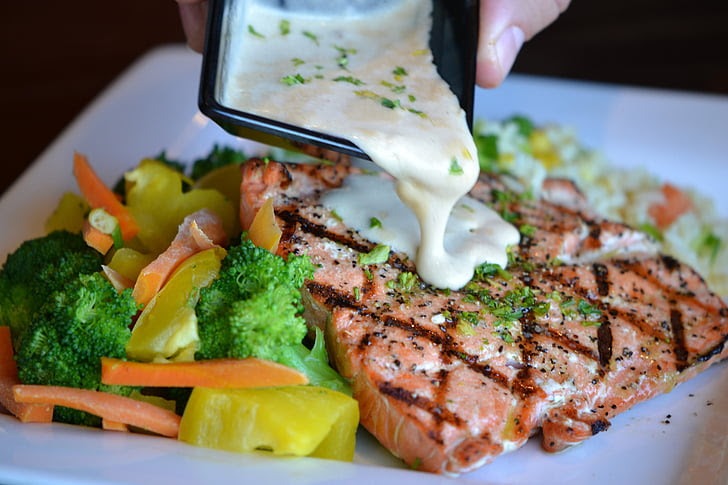
Sauces are the unsung heroes of the kitchen—the wizards who swoop in at the last second and whisper, “Relax. I’ve got this.” Sauces exist to rescue food from boredom.

Plain rice? Respectable, but sleepy. Add a gingery soy drizzle and suddenly you have a dish worthy of “mmmmm”. Steamed broccoli? Nutritious, but pretty dull. But toss it in lemon tahini and you have the makings of a delicious accompaniment to any meal.

Sauces don’t ask much of us. They don’t require perfection. They don’t judge uneven chopping. They are generous and forgiving and help remedy mistakes. A sauce says, “I see you forgot the salt earlier. Let’s move past that.”

The best sauces are rarely complicated. They’re just a few ingredients that happen to get along exceptionally well. Just keep in mind this combination: Fat (olive oil, butter, yogurt), acid (lemon, vinegar, tomato), salt or soy sauce, something with a little personality (garlic, mustard, anchovy, miso, chili crisp). That’s it. That’s the whole secret. The rest is flair.

5 T. buttermilk

5 T. olive oil

2 t. white wine vinegar

Mix together.

1 garlic clove

1 c. packed basil leaves

⅓ c. parmesan cheese

Combine in a food processor. Slowly drizzle in buttermilk mixture and process until smooth. Serve over grilled vegetables such as zucchini and summer squash.  

2 c. cilantro

2 cloves of garlic

⅛ c. lime juice (or lemon)

½ c.oil

1 t. salt

½ t. black pepper

Wash and dry cilantro. Remove thick stems.

Combine all ingredients in the bowl of a food processor or blender. Process for 30 seconds; scrape down sides. Continue processing until the ingredients are pureed. Serve over slivered cabbage and carrots (or a taco salad or roasted peppers).

Store in an airtight container in the refrigerator for up to a week or freeze in small containers to preserve longer.

⅓  c. buttermilk

2 oz. goat cheese

1 T. olive oil

¼  t. thyme

¼  t. black pepper

½  clove garlic, peeled and crushed

In a blender, combine buttermilk and cheese; blend on low speed until smooth. With the motor running, drizzle in olive oil. Transfer to a small bowl and add the rest of the ingredients. Serve over grilled chicken or vegetables. Can add roasted peppers or cream cheese.
¼  c. olive oil

1 T. chopped fresh tarragon or basil or chives

1 t. chopped Italian parsley

¼  t. lemon juice

½  c. plain yogurt

½  c. sour cream

1 T. Dijon mustard

salt and pepper to taste

Combine in blender. Good on vegetables, rice, chicken. Makes 1 1/4 cups

½ c. garlic cloves peeled

1 t. salt

¼ c. fresh lemon juice

1 ½ c. sunflower, grapeseed, or avocado oil

Water as needed

Place garlic and salt in a food processor and pulse, scraping down the sides of the bowl as needed, until the garlic is finely chopped.

Add 1 T. lemon juice and continue processing until a smooth paste forms, about 3 minutes, scraping down the sides of the bowl a few times.

With the food processor running, start incorporating 1/2 c. of the oil, drizzling it in very slowly. Once the oil is incorporated, stream in another 1 T. lemon juice. Repeat this step with another ½ cup oil, then another 1 T. lemon juice. The texture should be smooth and creamy.

If needed, with the motor running, slowly stream in 1-2 T. water to loosen the sauce.

Once finished, transfer to a lidded container and refrigerate for at least 1 hour. Serve on grilled meats, sandwiches or as a dip.
Vegetable Misfits

They may be ugly but they’ll taste wonderful

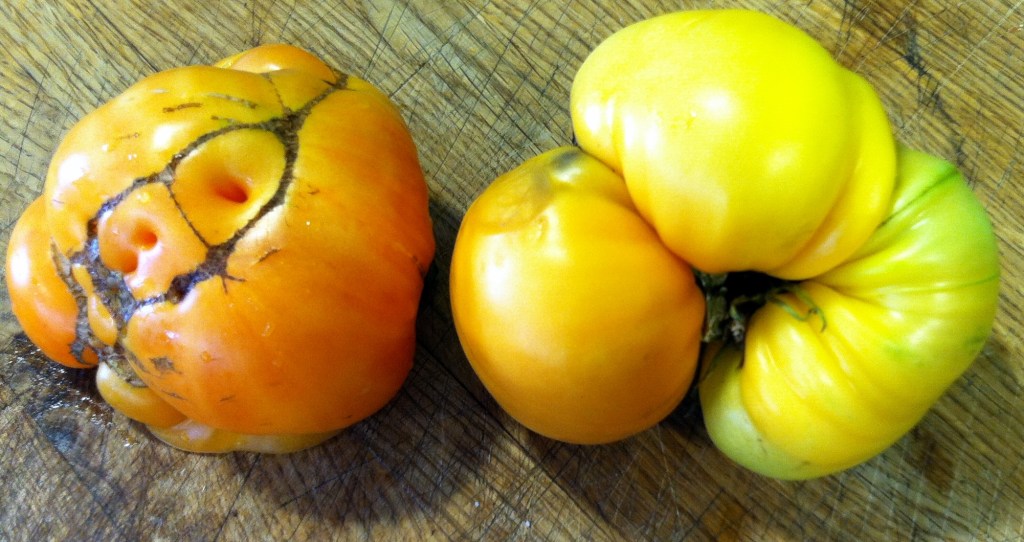
Let’s be honest – none of us is perfect. Including the vegetables we so carefully nurture in our gardens. But why should the forked carrot, the split beet or the knobby tomato be shunned in favor of their more perfect counterparts? 

The French started a national campaign several years ago called “The Inglourious Fruit.” It was a public relations campaign to get French citizens to slow food waste by purchasing and eating those fruits and vegetables that are not perfect. These were discounted in grocery stores and markets, and the campaign was a huge success. There are several companies in the US that do the same – ship not-so-perfect vegetables and fruits for a fee.

What a wonderful testament to humans – that we really do care about reducing food waste and feeding our bodies with healthy vegetables and fruits. I’ve made a promise to myself to try to use the oddballs in the garden and as much of every vegetable as I can.

While a chopped up tomato with the ugly parts removed may not make the best presentation, it still tastes just as good as a pristine heirloom. And face it, have you ever seen a perfect Brandywine tomato?

Use those misfits in sauce

Instead of discarding the chard leaves that have been somewhat chewed, I throw them in a bag in the freezer to add to a “glut” sauce or to make vegetable broth. I’ve seen recipes where cilantro stems, carrot tops, cucumber peelings can be pureed and frozen to use in soups in the winter. 

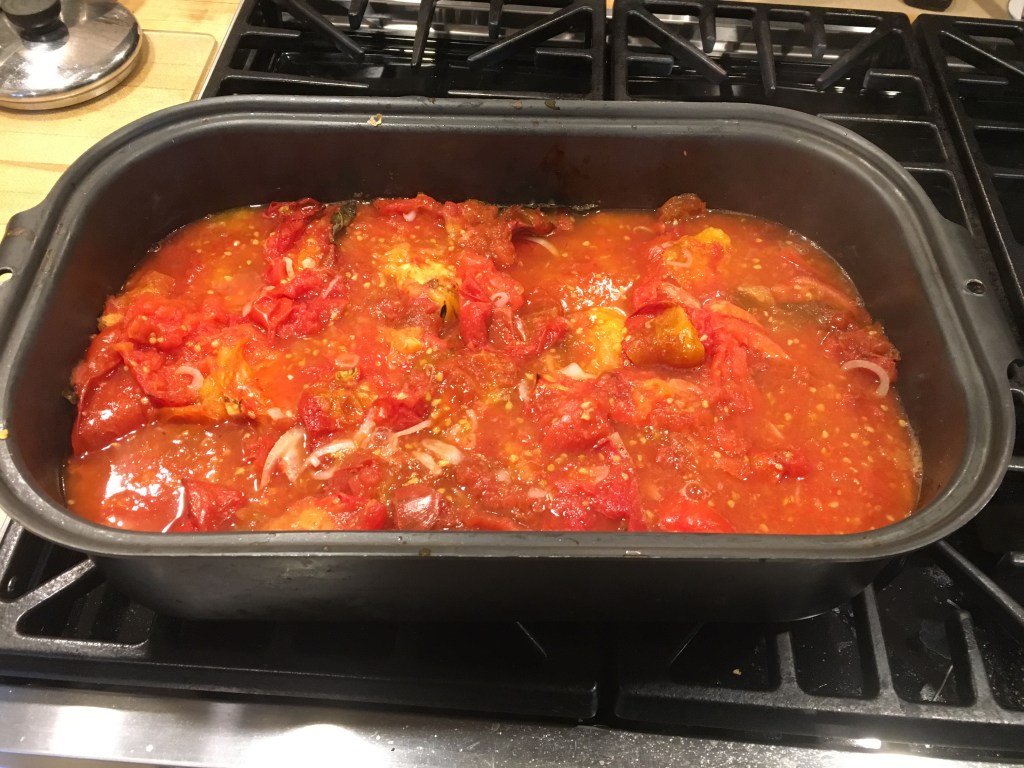
One of my favorite things to do at this lush time of year when produce is absolutely overwhelming is make “glut” sauce. I put whatever is coming in, especially those imperfect vegetables, into a large roaster with herbs and garlic and roast until everything is soft. It then gets pureed or milled pasta sauce or spaghetti sauce base. 

Here’s a great recipe to use those imperfect tomatoes and eggplants. And the recipe lends itself to whatever you have in the garden

Roasted eggplant and tomato soup

1 cup roasted eggplant (any type of eggplant, peel if the skin is tough)

1 cup roasted tomatoes

½ cup roasted onions

1-2 cloves roasted garlic

½ c. unsweetened coconut milk

½ c. vegetable or chicken stock

Salt and pepper to taste

Herbs of choice

You can put eggplant, tomatoes, onions and garlic in one roasting pan. Drizzle with olive and roast at 375 degrees until quite soft and beginning to caramelize. Mix all ingredients together and puree. Serve hot or cold. Drizzle with sriracha and a dollop of sour cream or plain yogurt if you choose.  

Ugly Fruit

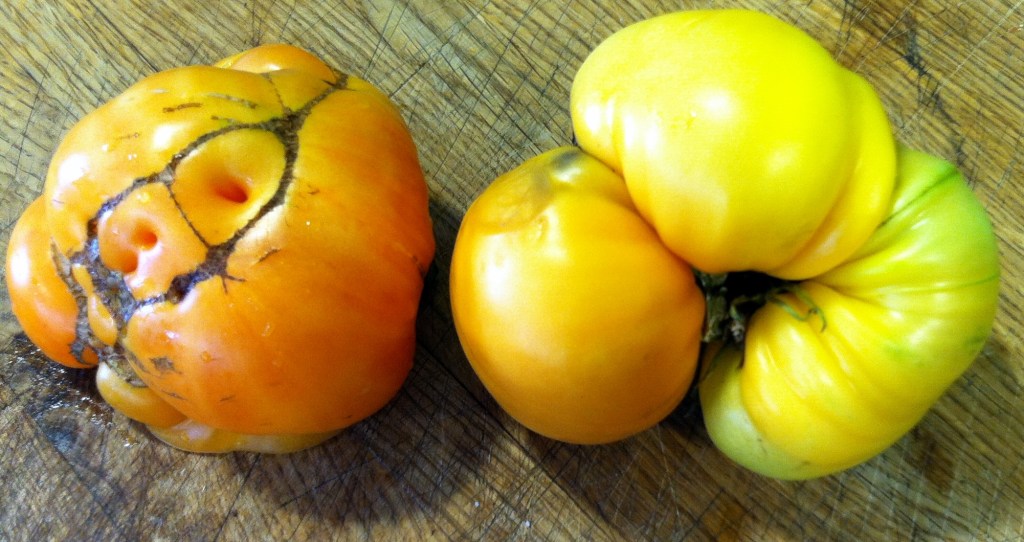
Ugly tomatoes


Let’s be honest – none of us is perfect. Including the vegetables we so carefully nurture in our gardens. But why shun the forked carrot, the split beet or the knobby tomato in favor of their more perfect counterparts? If a peach has a bruise, can’t we just cut it out and enjoy the rest of the peach?

Food waste is an international issue, and one of the best ways to help stop food waste is to shift our thinking to accepting imperfect vegetables and fruits in our own kitchens and at our tables. 

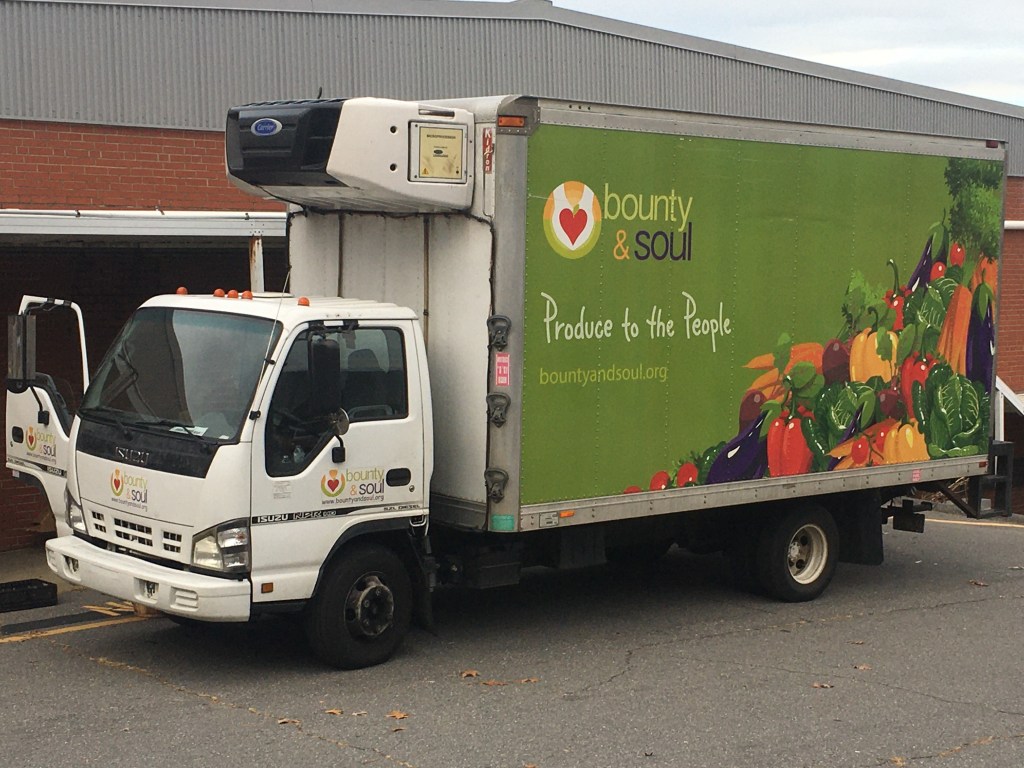
I’ve recently become acquainted with a wonderful organization called Bounty and Soul (https://bountyandsoul.org/), whose mission is to get food and nutrition and wellness education into everyone’s hands and to build community while doing it. I get to help out with cooking demonstrations and food distribution at their markets. 

Bounty and Soul market

Every week I see wonderful smiles as people from all types of life walk away with not only free food, but information on nutrition bringing the food to their tables. Much of the food is donated by local farmers, markets and groceries, and the truth is that it’s not the picture perfect produce you see in the grocery store. It is all perfectly serviceable and delicious, just not perfect in appearance. 

The French started a national campaign several years ago called “The Inglourious Fruit.” It was a public relations campaign to get French citizens to slow food waste by purchasing and eating those fruits and vegetables that are not perfect. These were discounted in grocery stores and markets, and the campaign was a huge success. 

There is a new website from which you can order imperfect vegetables and fruit and have it delivered right to your door. Check out https://www.imperfectfoods.com/ for great information on food waste, not to mention access to wonderful produce. Their slogan is “Eat Ugly With Us”. 

For my own resolution to reducing food waste, I’ve started keeping all my vegetable trimmings and am using them to make a delicious broth for soups. As I trim vegetables for a meal, I make sure to wash the leftovers well (getting all the dirt out of the onion top), and then throw them in a bag in the freezer. Once I have a bag full of not-so pretty beet greens, carrot tops, leek greens, parsley, mushrooms stems and cilantro stems, I put them in a slow cooker along with the remains of tomatoes and a few garlic cloves. I cover with plenty of water and let simmer twelve hours or so. 

Once it’s done, I either strain the broth, squeezing out all the liquid I can, or I puree it (depending on what vegetables I’ve used). With a seasoning adjustment, this becomes the base for a delicious, nutritious soup. You can use it right away or freeze it for later. 

“Glut” sauce ready to roast

My other favorite way to save the uglies is to make a batch of “glut” where everything goes in to roast and then gets pureed for a pasta sauce or spaghetti sauce base. This is the perfect way to use all of those tomatoes toward the end of summer. You can add any other vegetables and herbs you have an abundance of. It will taste a little different each time, but that’s the fun! Because it is milled, you don’t have to core the tomatoes or peel anything. Simply make sure everything is washed well. 

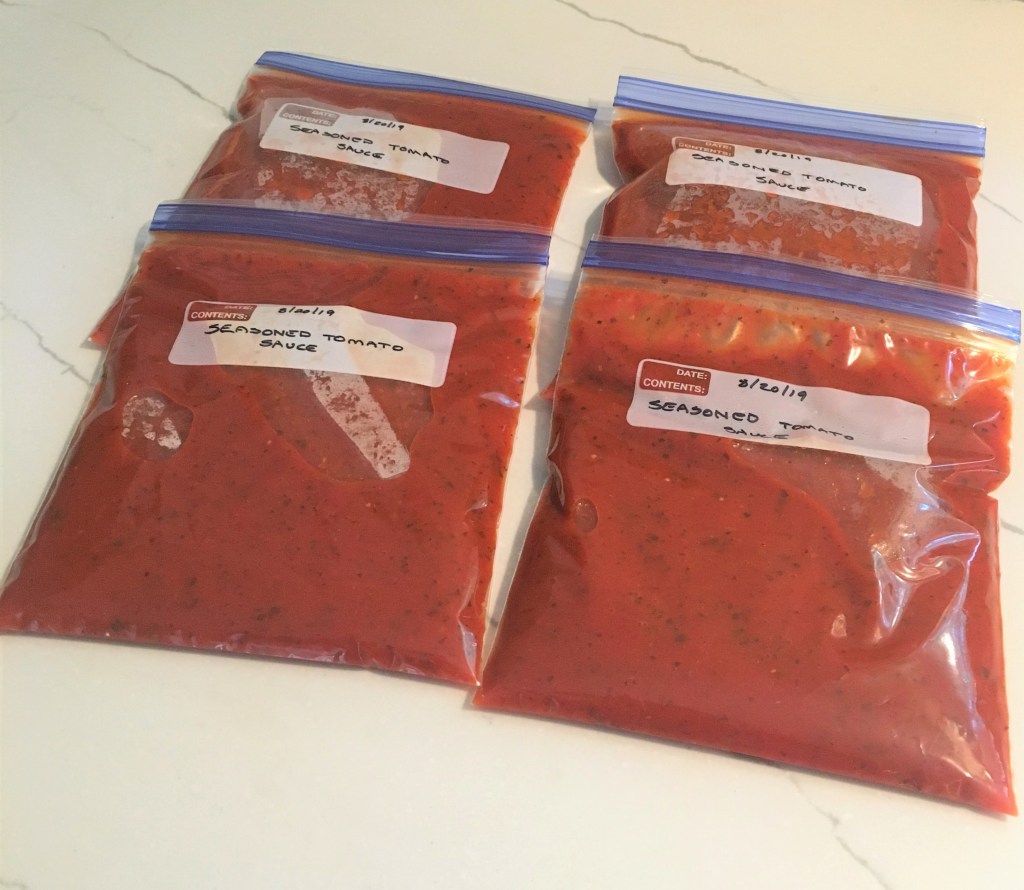
Sauce for the freezer

6 lbs. tomatoes, quartered (or for an eggplant-based sauce, substitute eggplants)

1 ½ c. coarsely chopped carrots, tops and all

1 ½ c. coarsely chopped celery

1 ½ c. coarsely chopped onion

9 gloves garlic, chopped

6 T balsamic vinegar

1 bay leaf

1 ½ T fresh thyme, oregano, basil, parsley

1 ½ t. salt

1 T. pepper

Roast 45 minutes or until vegetables are soft. Run through a food mill, bag and freeze. Makes 2 quarts. Use for pasta sauce, over fish or chicken, or use as a base for chili or minestrone.