We often think of pesto as a basil-forward sauce for pasta. But there are so many other kinds of pestos (apologies to all Italian nonnas), that it seems a waste not to consider other possibilities.
Consider other herbs and vegetables before you give in to using only basil. You can certainly add basil to any pesto, but consider a delicious green sauce made from parsley (if you like parsley, which I don’t. Shh), mint, broccoli, spinach, and Swiss chard. I’ve tried some of the stronger herbs like thyme and oregano, and they are too strong unless used in small amounts with another vegetable like spinach to tone them down.
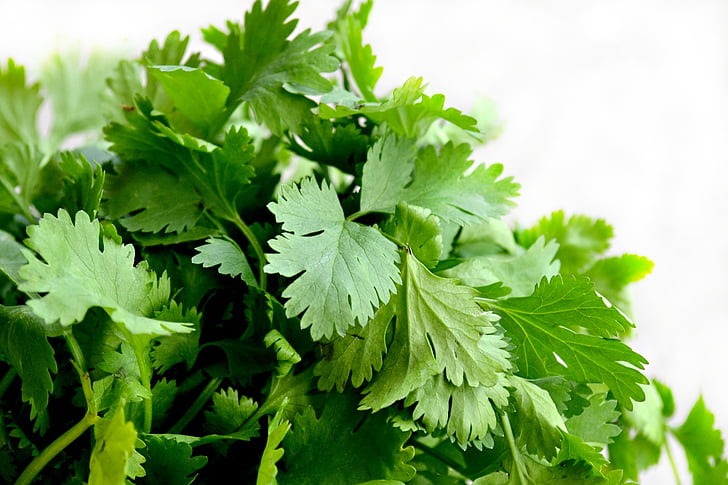
I happen to have buckets of cilantro right now. It self-seeds in my garden, and although I love to have a bit around, it is prolific. I have a fragrant, leafy, slightly accusatory forest.
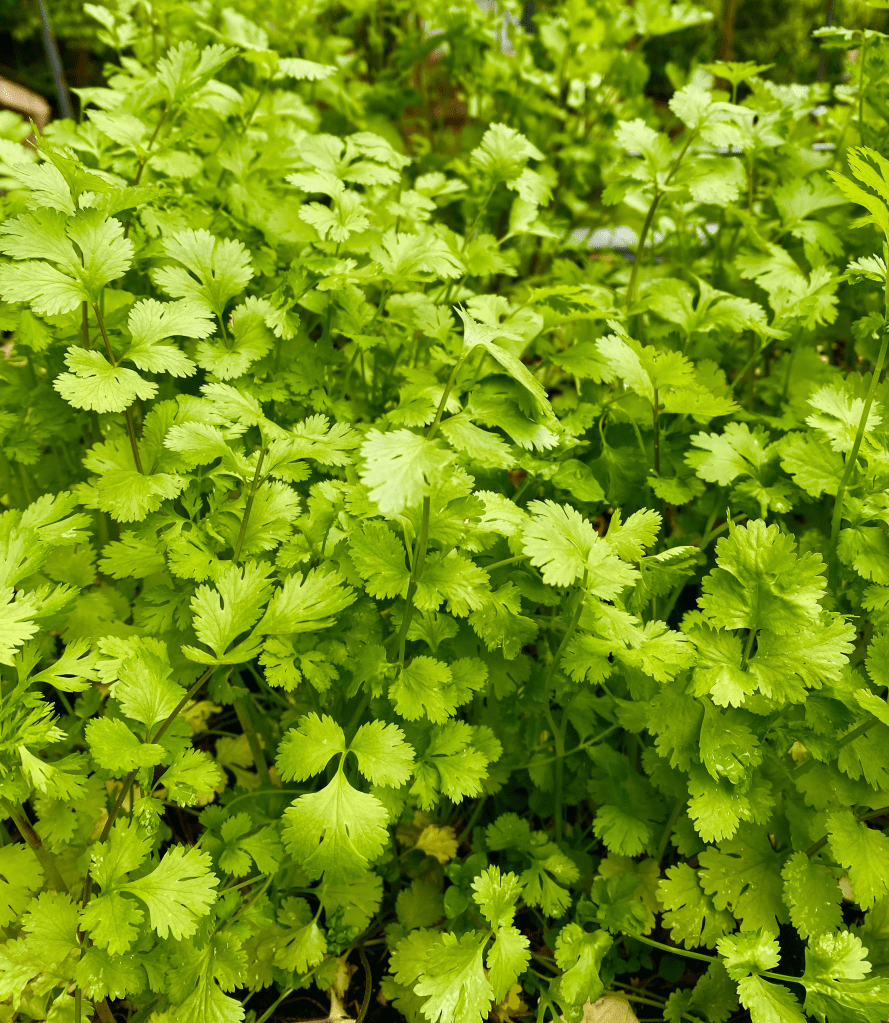
There are only so many tacos a person can eat before the cilantro starts whispering, “You had plans for me. And I don’t just mean for guacamole.”
Enter cilantro pesto, the culinary equivalent of “I refuse to waste this, but I also refuse to follow rules.” Traditional pesto is structured, classical, Italian, and probably owns a linen apron. Cilantro pesto is barefoot, possibly wearing a hat indoors, and absolutely substituting whatever nuts you have on hand without apology. Cilantro pesto is what happens when basil goes on vacation and cilantro throws a party without asking permission.
The recipe is mostly a negotiation. You gather cilantro (all of it, because commitment matters), garlic (to keep things honest), some kind of nut or seed (walnuts, almonds, pumpkin seeds—this is not a picky dish), something sharp (lime, because we’re leaning into chaos), and oil (enough to make it feel like a sauce). Cheese is optional, and often debated.
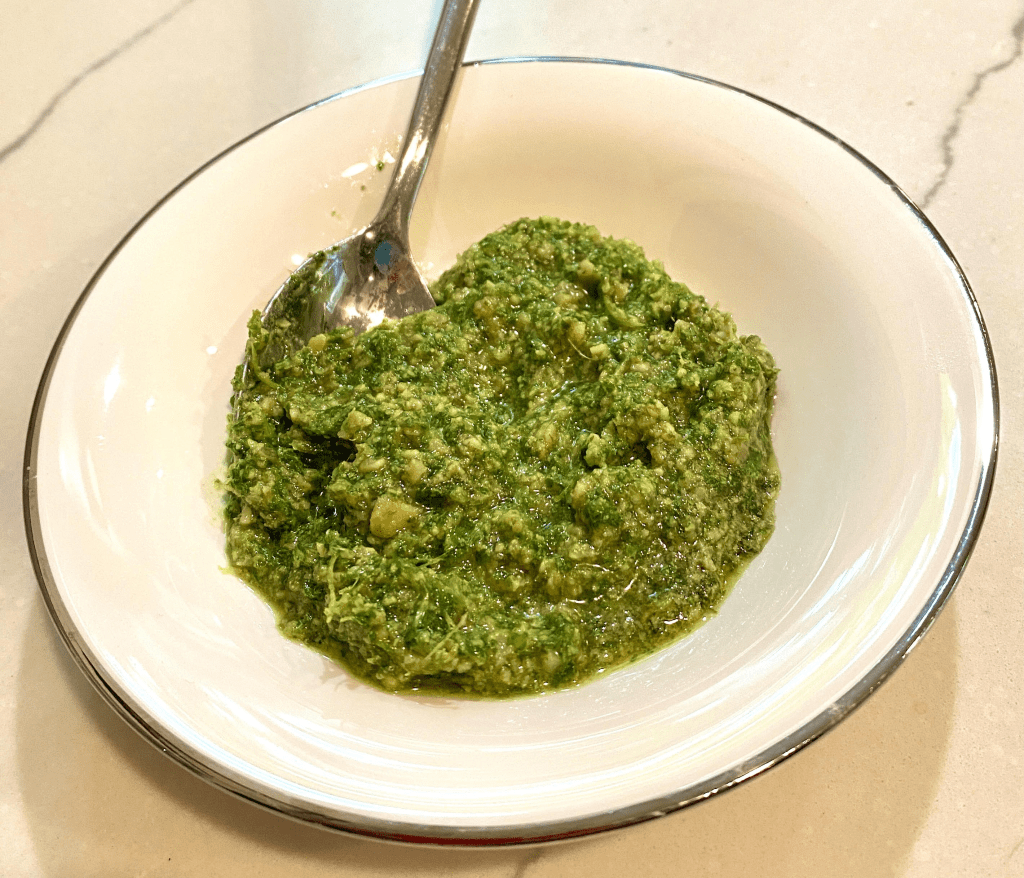
Then comes the blending, which is less about technique and more about trust. At first, it looks like lawn clippings. Stay with it. Add oil. Add more oil. Forget calories – you’ll only be using a small amount for your dish. Scrape the sides like you’re coaxing a shy guest into conversation. Suddenly, it transforms into something bright, green, and suspiciously alive.
The first taste is always a moment of truth. Cilantro, as we know, is controversial. For some, it tastes like sunshine and possibility. For others, it tastes like a bar of soap. Cilantro pesto does not care where you fall on this spectrum. It arrives boldly, announcing itself on roasted vegetables, grilled meats, eggs, rice, bread, and anything else that seems like it could use a personality.
And that’s really its purpose. Cilantro pesto is not here to be subtle. It is here to rescue Tuesday night. It is here to make leftovers feel intentional. It is here to say, “You may not have planned this meal, but look how it turned out anyway.”
By the end, the forest is gone. The cilantro has fulfilled its destiny. Your fridge contains a jar of something vibrant and slightly unpredictable, which feels, in its own way, like a small victory.
Cilantro Pesto
1 cup packed cilantro leaves
1/3 cup olive oil or avocado oil
1/3 cup pepitas
1 clove garlic
Juice of 1 large lime
Kosher salt and black pepper, to taste
Blend as best you can – it will not be smooth. You can use it as it is or add cheese of choice – parmesan or cotija are good. If you want it as a sauce,
Add some mayo and sour cream or yogurt to make it a milder sauce. Add buttermilk to make it pour more easily.
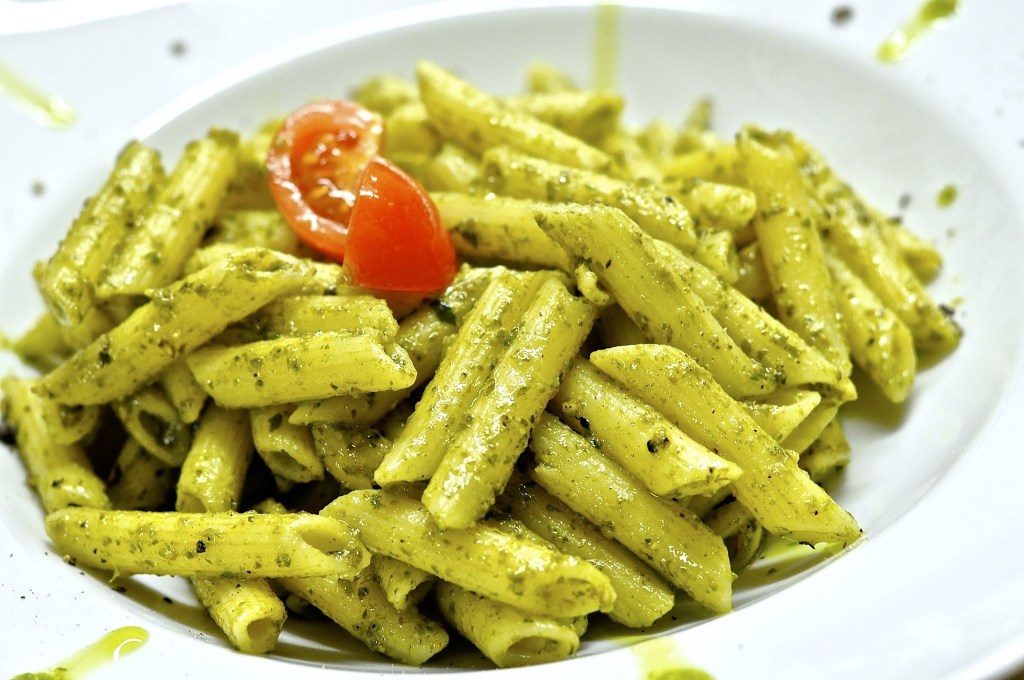
Toss with hot pasta, rice or farro, or pour over grilled vegetables or meat.
It will keep in the fridge for several days, but if you have an abundance, make it without the cheese and freeze it in ice cube trays to keep for six months. Toss a cube into tortilla soup, or thaw and serve as above.
 Kate's Garden Kitchen
That’s great. And i made some the other night for our fajitas. Gre
LikeLike
It looks beautiful. I’m one of those who thinks it tastes like metal, and I’ve tried it many times. But I love your process and I’ll gladly sub out some other herb or green.
LikeLike
Dorothy – it works beautifully with dill, basil, marjoram (although a bit strong) or even chard!
LikeLike