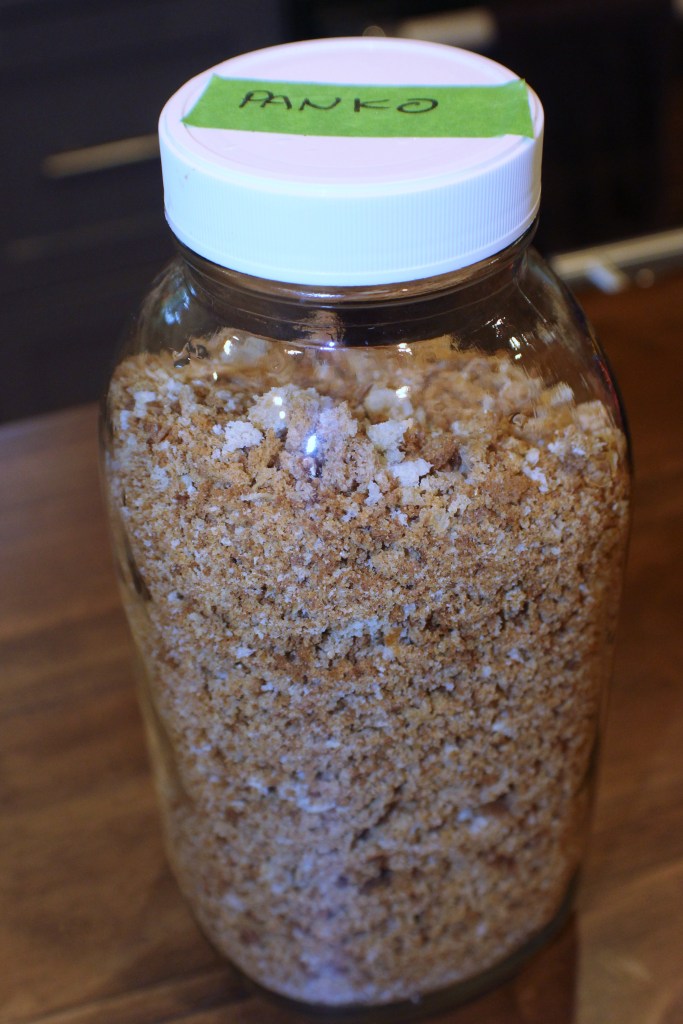
Panko

Farmers market strata with panko

It’s a funny word but once you discover panko, you’ll never go back to regular bread crumbs. Many recipes call for panko, Japanese style breadcrumbs, as a finisher or for breading. They’re definitely a specialty item and as such can seem expensive. But they can absolutely make your dish better. Use them in place of breadcrumbs in any recipe.

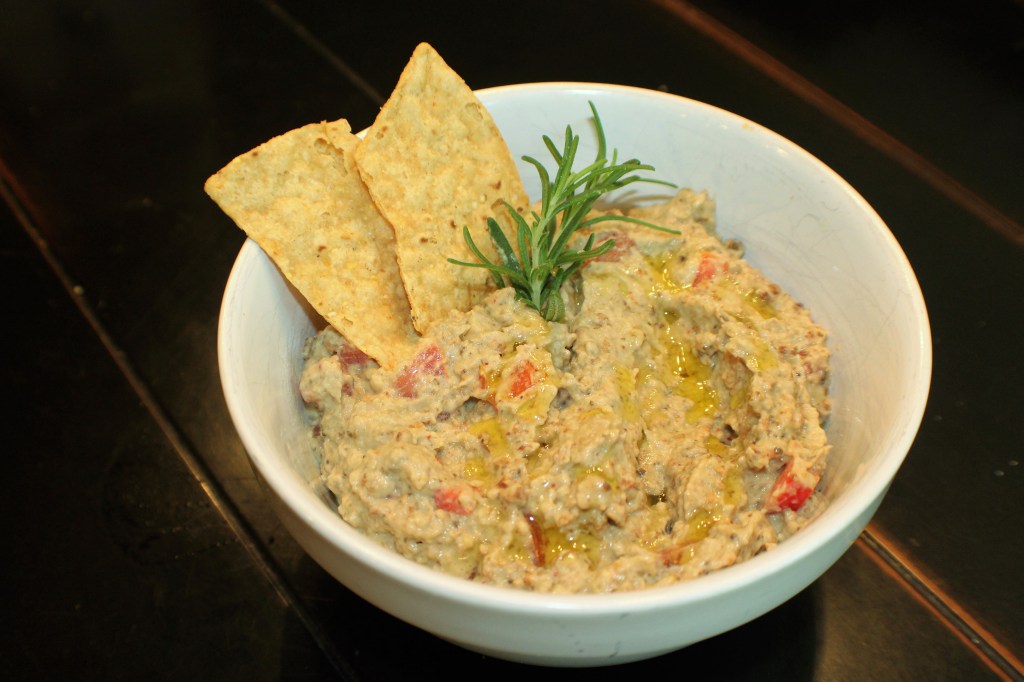
Eggplant dip with panko

They are not mysterious and are actually quite easy to make yourself. If your family is like mine, they tend to discard the bread heels in favor of the softer middle. I happen to like the heels toasted, but I can only eat so many. So, as they pile up, I simply toss them into a freezer bag. When I have enough saved up, I turn them into homemade panko.

Grate your bread

The key to making panko light and airy like the commercial ones rather than just standard bread crumbs, is to grate them. Use the large holes on a box grater or food processor. Then spread them in a thin layer on a cookie sheet with sides (I use a broiler pan).

Don’t let them burn

If you have a convection oven, put it on “convect bake” at 325 degrees. For a standard oven, set to bake at 350. Now here’s the warning: you have to watch them carefully. I can’t tell you how many times I’ve let them burn because I got occupied with something else. Cook for about 10 minutes and then stir. Repeat this process until they are nutty brown – it may take only 20 minutes. Take them out and let them cool completely.

Store in glass

Once they are completely cool and crispy dry, store them in a glass jar. It’s critical that they be dry and cool because you don’t want any condensation that could make them mold. Don’t be afraid to use your hands to stir them around when cool to make sure they are crisp. If they aren’t, put them back in the oven for a bit.

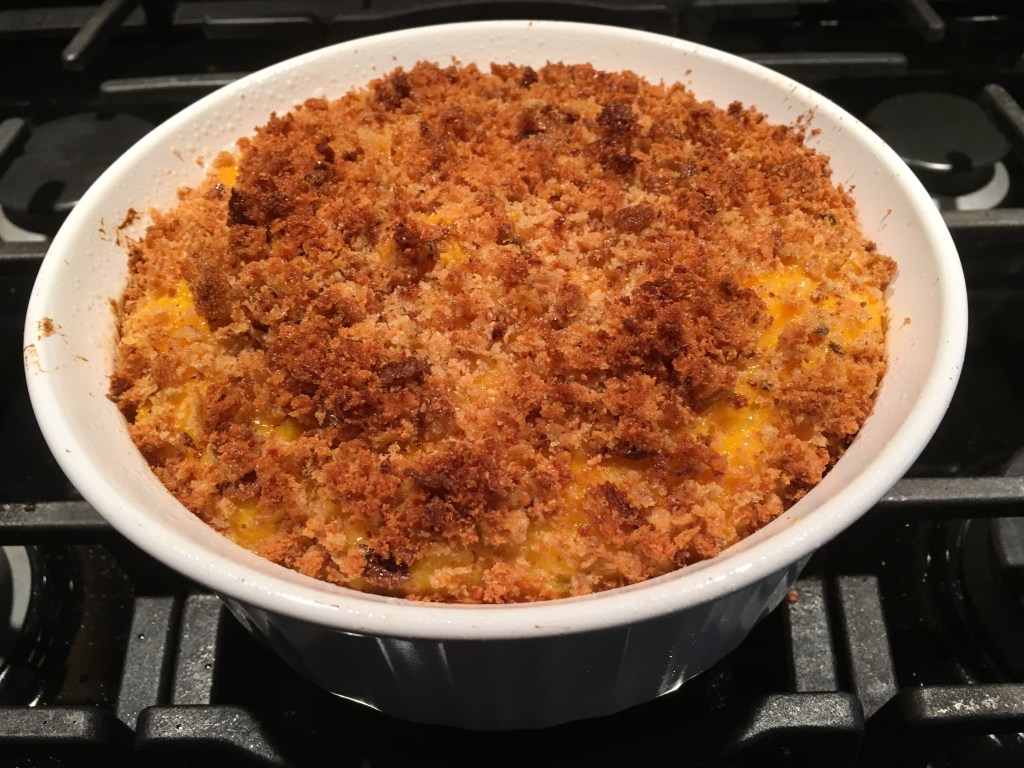
Use them freely to dress the tops of casseroles, roasted vegetables and even broiled fruits. They make great additions to harvest cakes, to roasted eggplant to make a tasty dip, or as breading for fried zucchini or tomatoes.

Season the panko

You can also season them before cooking for Italian flavored, Greek flavored or Asian flavored. Blend the herbs to make a fine powder that will stick to the breadcrumbs. Add before cooking the panko. Mix well and cook as above.

Greek Panko

3 T. oregano
2 T. basil
1 T. dill
2 T. onion powder
2 T. garlic powder
½ T. salt
1 T. black pepper

Italian Panko

2 T. dried basil
2 T. dried oregano
2 T. dried rosemary
2 T. dried thyme
2 T. dried marjoram

Asian Panko

¼ c. onion powder
¼ c. garlic powder
¼ c. ground black pepper
2 T. ground ginger
2 T. red pepper flakes

Slaw salads

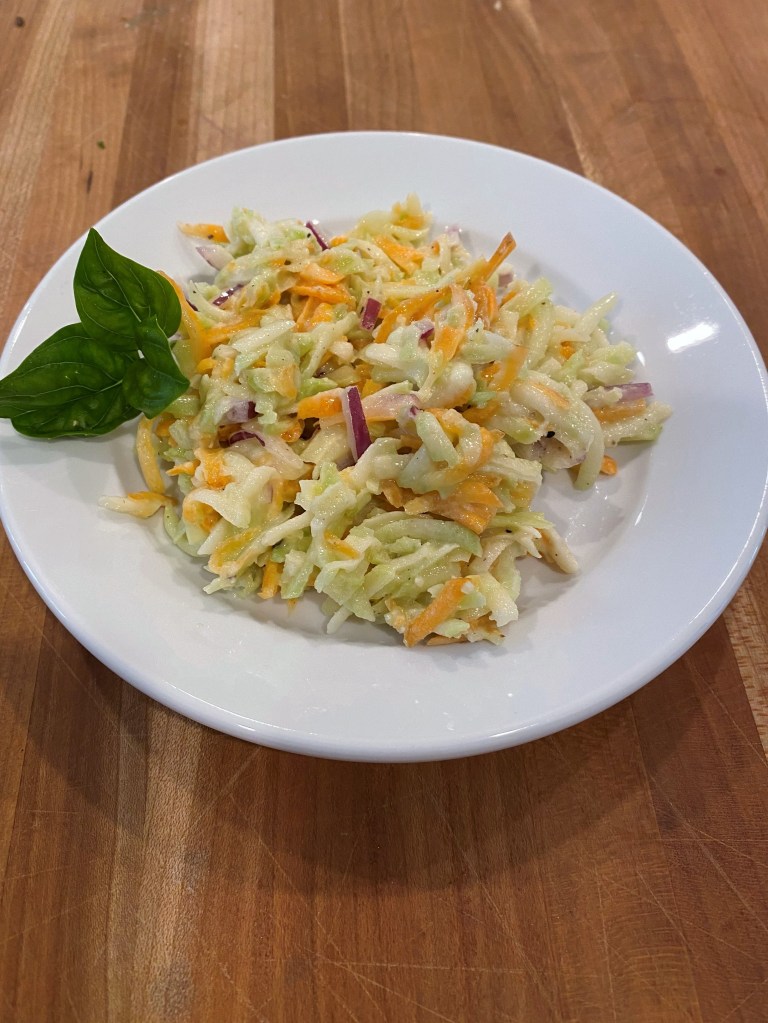
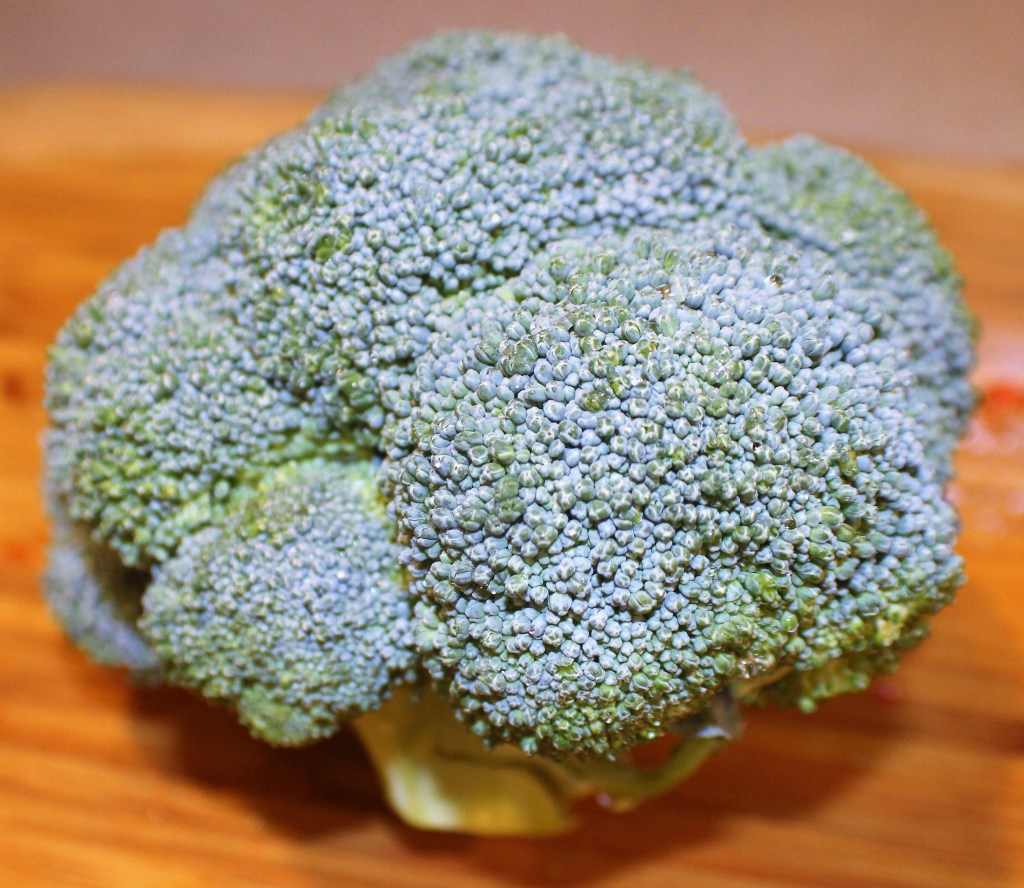
Broccoli slaw

Summertime is my time for slaw. It is cool, crisp and can be creamy or citrusy-tart, depending on the recipe. The best part is that is easy to make and keeps well for several days in the refrigerator.

Use just about any vegetable

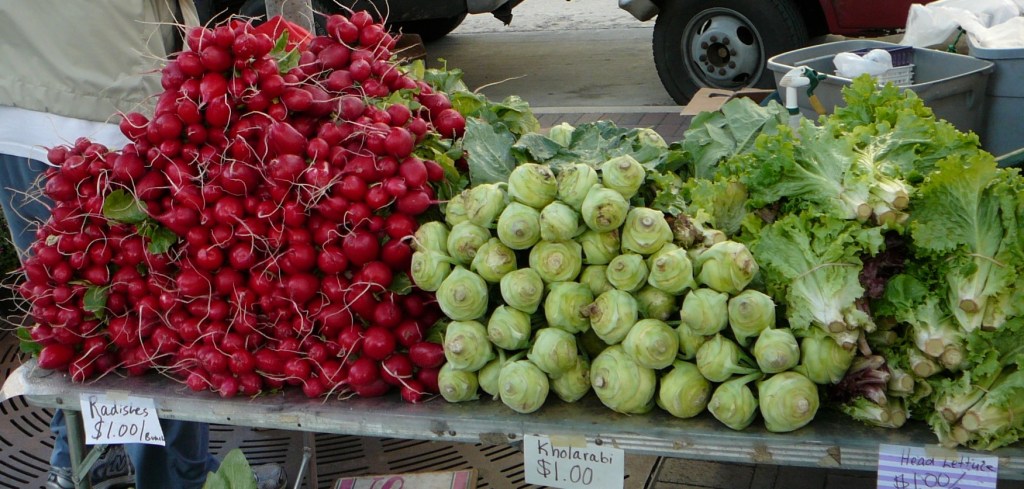
It’s easy to change up the slaw to pair with different kinds of food, not to mention making use of whatever is being harvested from the garden. You can use any combination of crisp, firm vegetables such as kohlrabi, radish, turnip, rutabaga, carrot, cabbage, broccoli, peppers, cauliflower. Add some cucumber for juiciness at the last minute.

Dressings can be creamy or tart

Dressings are also only limited by your imagination. For a creamy dressing, use Greek yogurt or mayonnaise as a base and add lemon juice, salt and pepper and a hint of honey or sugar. For a dressing to cool the palate to accompany spicy Asian food, use lime juice, sesame oil and honey. For a Mexican riff, add cilantro, chili powder and cumin.

And feel free to add onions, sesame seeds or roasted flax seeds, sunflower seeds, dried cranberries or raisins.

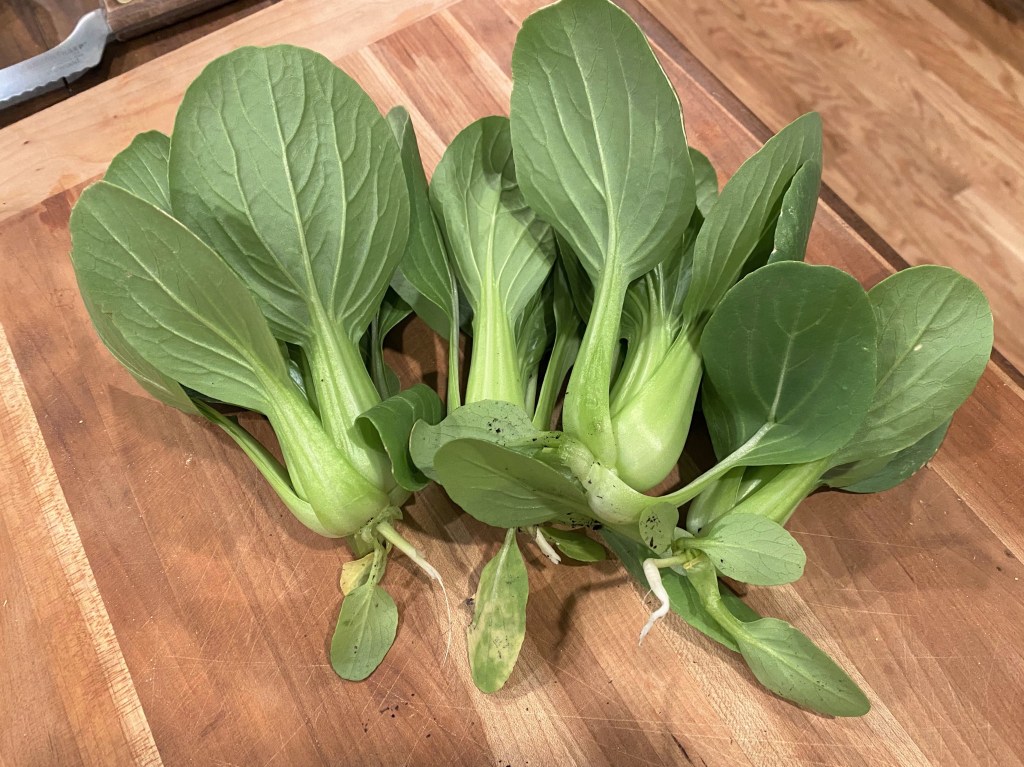
Baby pak choi

Bok choi or pac choi slaw

2-3 heads baby pac choi, sliced thinly
1 large red bell pepper, thinly sliced
1 large green bell pepper, thinly sliced
4 scallions, sliced thinly on an angle
½ cucumber halved, seeded and thinly sliced

Dressing:

2 limes, juiced
¼ c. honey
3 T. vegetable oil
salt and pepper

Toss with dressing and serve immediately.

Radishes and kohlrabi

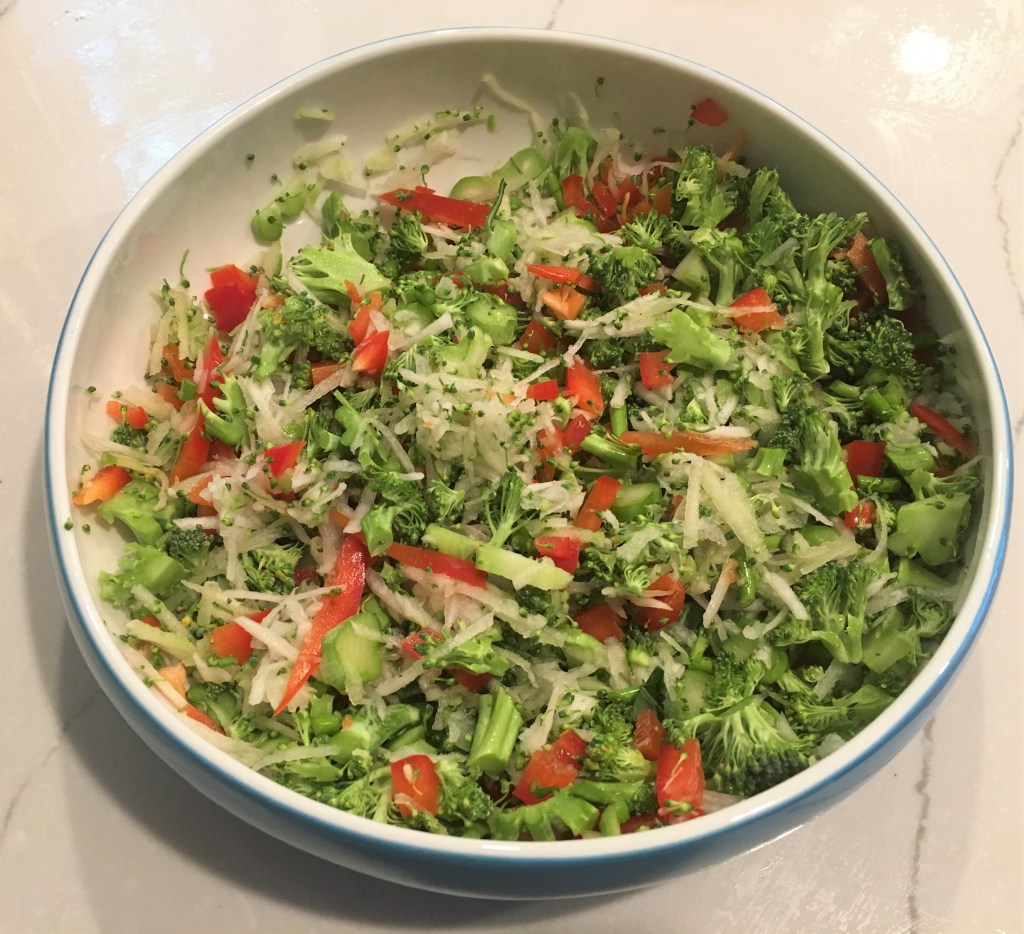
Broccoli stem slaw

About 2 cups of broccoli stems, peeled and grated (save the florets for another meal)
1 large carrot grated
½ c. red onion sliced thinly

Dressing:

¼ c. mayonnaise or Greek yogurt
1 T. fresh lemon or lime juice
1 t. sugar
½ t. Salt

Toss with dressing and refrigerate for an hour or so before serving.

Simplicity

Have you ever made a dish from a recipe you pulled off the internet, convinced it sounded absolutely delicious, only to find that it was insipid? I did that last night – a casserole using lots of fresh grilled vegetables, eggs, cheese and sourdough bread. What could go wrong?

Too complicated

First of all, I cut the recipe in half and it still made enough for at least five people. It had multitudes of steps, taking me a couple of hours to complete. When it finally rolled out of the oven (heating up the kitchen pretty intensely since it cooked for an hour), it looked good. Bubbly and cheesy. And it tasted like kissing someone through a screen door. Not much flavor, not even rich enough to qualify as comfort food.

I know better. I just don’t cook that way. I get a little crazy this time of year wit the abundance of vegetables and fruits coming in, but it is fun to come up with interesting ways to use them.

Simplicity is best

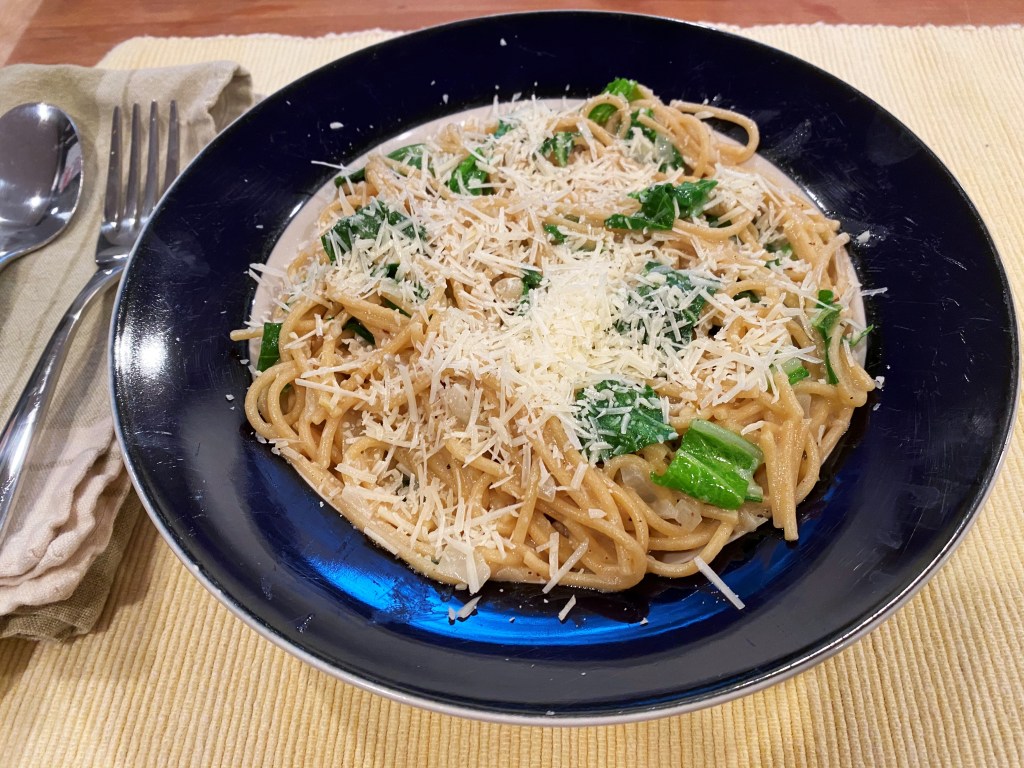
Most importantly, I need to remember to keep things as simple as possible. A chopped tomato mixed with olive oil, minced fresh garlic, salt and fresh basil is a perfect sauce to toss with hot pasta. Or simply sauteed greens and onions over pasta. No time, not much prep and absolutely fresh and delicious.

Pasta with spinach

Even if you don’t consider yourself a cook, you can learn to prepare fresh wholesome meals without a lot of prep time or a lengthy list of ingredients. And cooking can become an interesting part of your life instead of a chore. It truly is artistry and if you look at it that way, you are an artist!

A simple dessert – fresh fruit galette

Peach galette

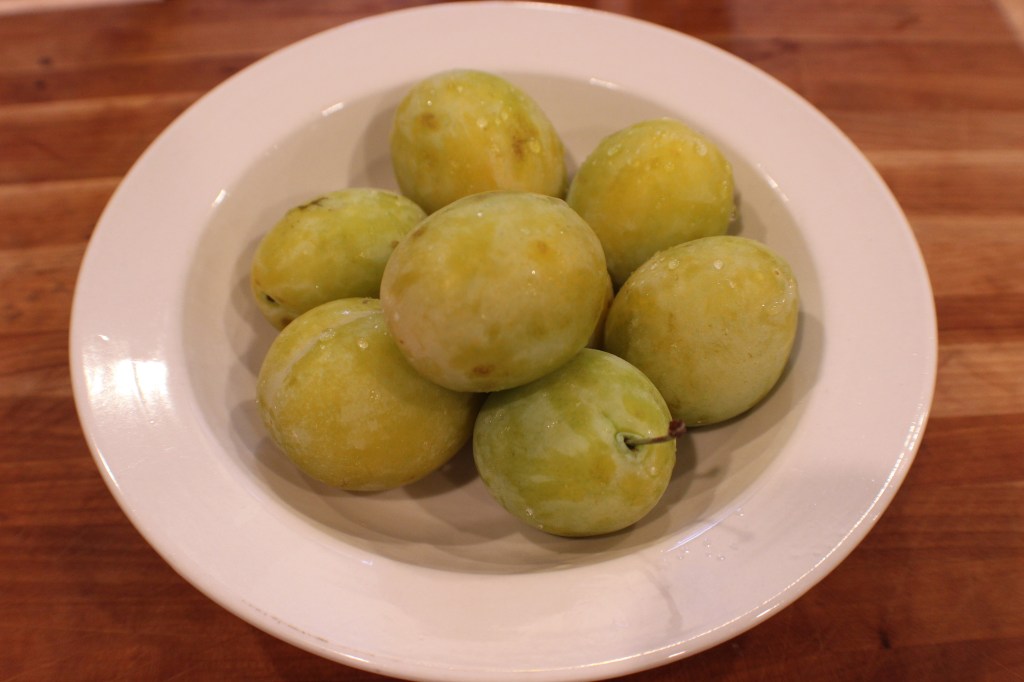
I bought a box of produce from a local farmer this week and it came with plums, raspberries and grapes. I made a plum and raspberry galette. Sounds like it may be complicated, but it’s not. And any of the fruits can be swapped for whatever is coming in at the time. Once your fruits are prepared, it takes less than an hour to make including baking time. You could have a different flavor every night of the week. And the possibilities to use vegetables and cheeses make it an endless supply of opportunities.

Yellow plums

A galette is simply a rustic pastry. You can make it a dessert or a savory main dish for brunch or dinner.

You can certainly make your own pastry, but puff pastry or pie dough from the freezer is easy and almost always works perfectly. Feel free to experiment with all different types of crust. Use the more delicate crusts with fruits and heartier crusts with vegetables.

Fruit Galette

Plum raspberry galette

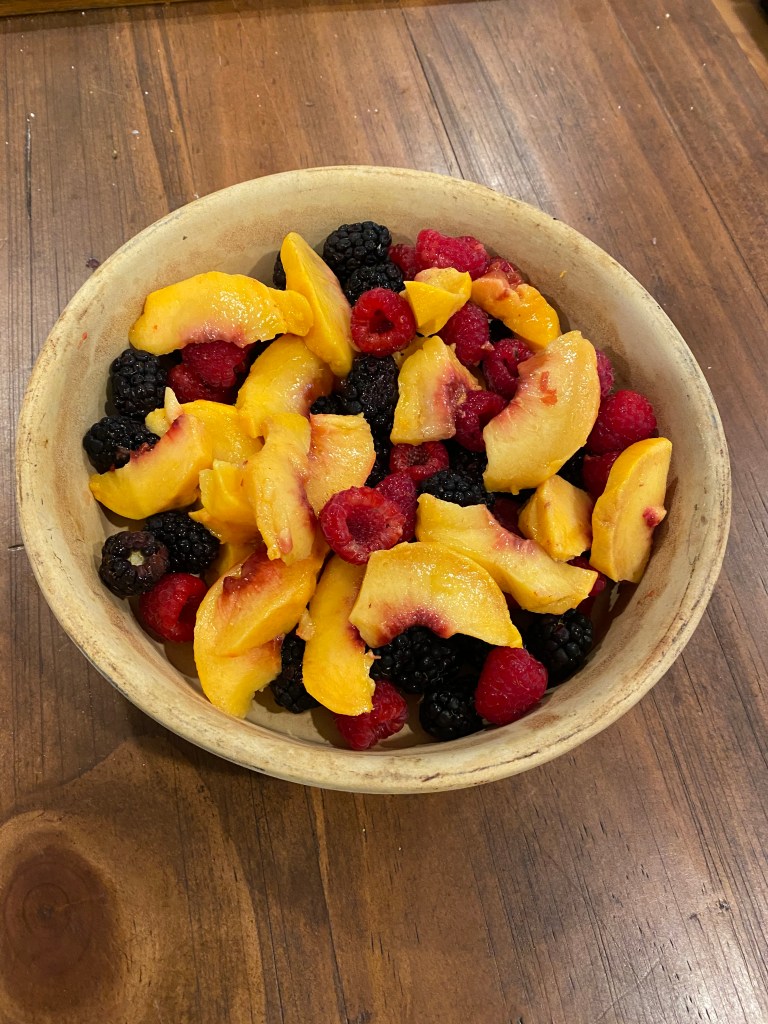
3-4 cups fruit – raspberries, strawberries, plums, peaches, grapes, blueberries in any combination
1 pkg. puff pastry or pie crust thawed
6 T. apricot or currant jam (or whatever jam you have in the fridge)
1 egg
1 t. water
½ c. coarse sugar

Roll dough until about 12 inches in diameter. Place on a parchment-lined baking sheet. Refrigerate dough for 5-10 minutes.

Prepare fruit – you can peel peaches and plums if desired. Slice. If the fruit is particularly juicy, you can toss with 2 T. cornstarch to thicken the juices somewhat. If the fruit is tart, add up to half a cup of sugar.

Heat jam; spread jam in the center of the circle, leaving ¼ inch border around the edge of the dough. Place prepared fruit on top, leaving a 1 ½ -inch border around the edge of the dough.

Fold dough up onto fruit uniformly, pleating and pressing gently so it adheres slightly. Fruit should be exposed in the center. Mix egg and water and lightly brush dough and crimped seams with egg wash. Sprinkle with sugar and bake at 375 for 30 minutes. Add enough water to the remaining jam to produce spreadable consistency; brush jam over fruit for a shiny glaze. Serve warm or at room temperature the same day.

Riffs: asparagus with goat cheese; roasted peppers and roasted eggplant with feta; tomatoes with basil and mozzarella cheese. Season with herbs of choice.

Drying Herbs

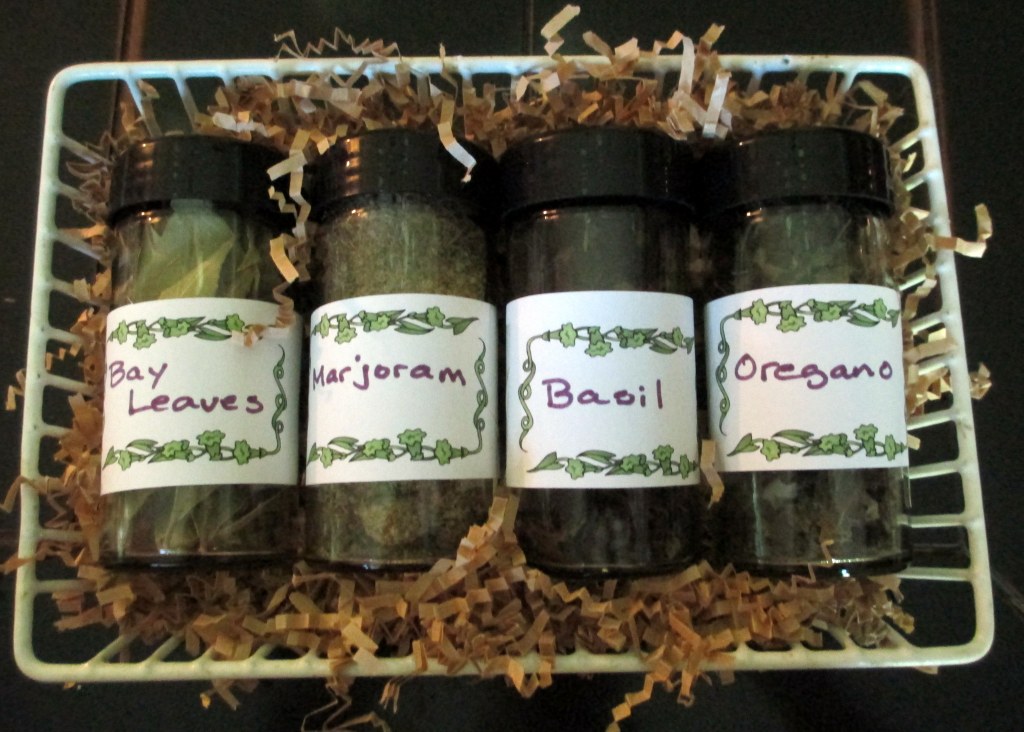
My food dehydrator’s been cranking almost continually for the past few weeks and I intend to keep it going through the fall. Right now I’m drying herbs. I have fairly large stands of thyme, basil, rosemary, sage, oregano and marjoram at my disposal, so I’m shearing them every couple of weeks. I’m filling jars with plentiful herbs for cooking and gifts.

Dehydrating lemon verbena

It’s been so long since I’ve purchased herbs, I thought I’d price dried herbs in the grocery store. I was totally shocked at how expensive they are. For example, a small one-ounce bottle of dried thyme was about $3.00. I have about a pound of thyme already dried, so that makes my thyme (and time) worth about $48.00!

Saves money and is fresher than storebought

Herbs are so very easy to grow and preserve that it seems a shame to waste money on purchasing them, especially because you don’t even know how fresh they actually are. By drying your own, you have the luxury of the freshest of herbs, and you can simply throw them away every year as you fill your jars with newly dried herbs.

Herbs are easy to grow

Almost all herbs except basil are extremely drought-tolerant, and they actually produce better flavor if somewhat stressed. So, find the harshest planting spot you have, and your herbs will thrive. They are all disease and insect resistant and need no fertilization or dividing.

If you don’t have a dehydrator, dry them in paper bags in a dry, airy spot out of direct light. The top of the fridge is ideal. Store dried herbs in glass jars in a dark cupboard.

Some herbs to try

Here are only a few – there are oh, so many more):

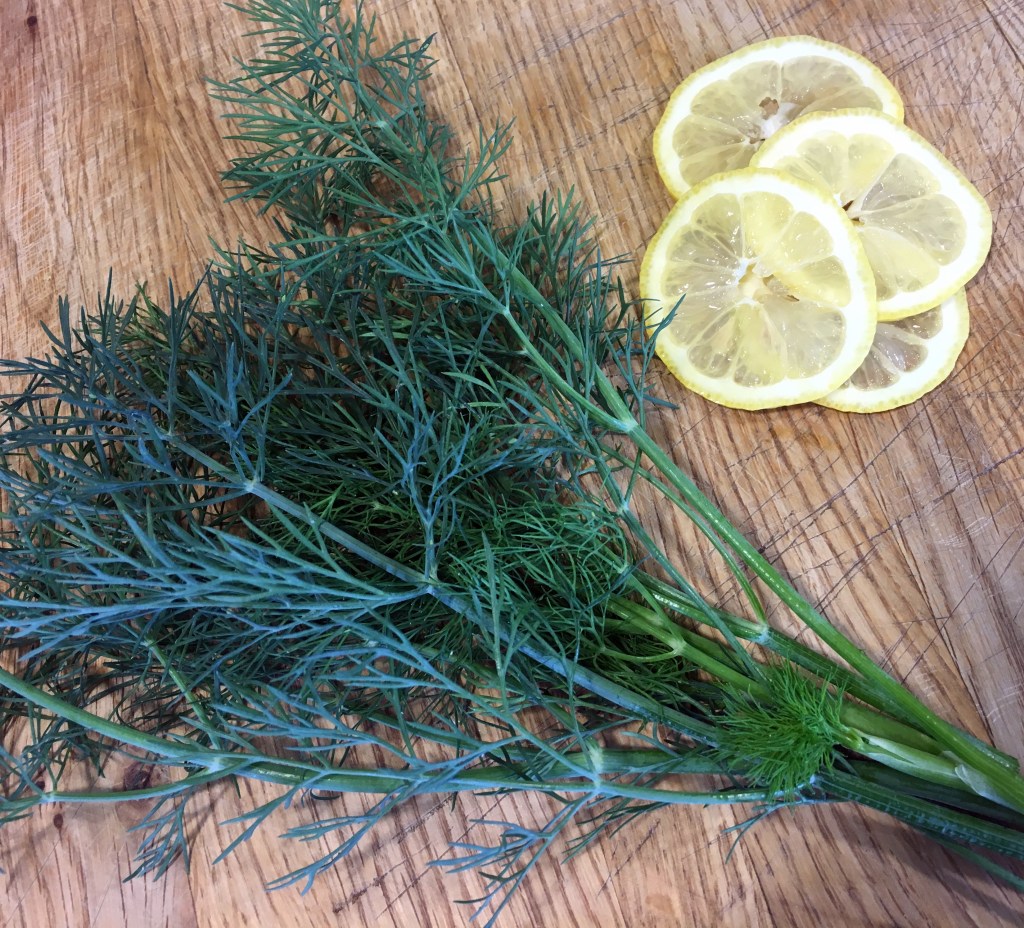
Dill

Dill is an annual herb with early pungent leaves followed by flowers and seeds which are all useful. Dried dill leaves and flowers are excellent flavorings for fish, potato salad and egg salad, and the seeds are classic for flavoring pickles. Try crushing the seeds and adding to rice pilaf with ground garlic – amazing! Let a few seeds scatter themselves and you’ll always have dill in the garden.

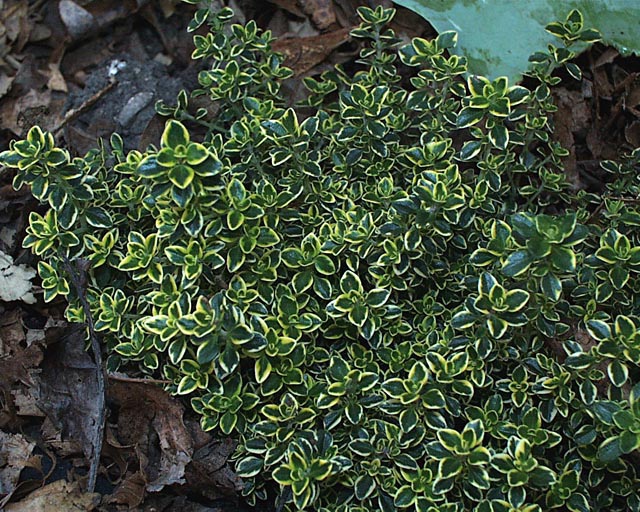
Lemon thyme

Thyme

Thyme is a perennial, woody plant with tiny, tangy leaves. Shear the soft new growth. It will send up new growth that you can shear repeatedly through summer. Mix thyme with goat cheese for an outstanding spread for sandwiches or as a dip for fresh vegetables. Rub into a pork loin or beef roast. For a variation on a theme, seek out lemon thyme for a wonderful treat.

Siam Queen basil

Basil

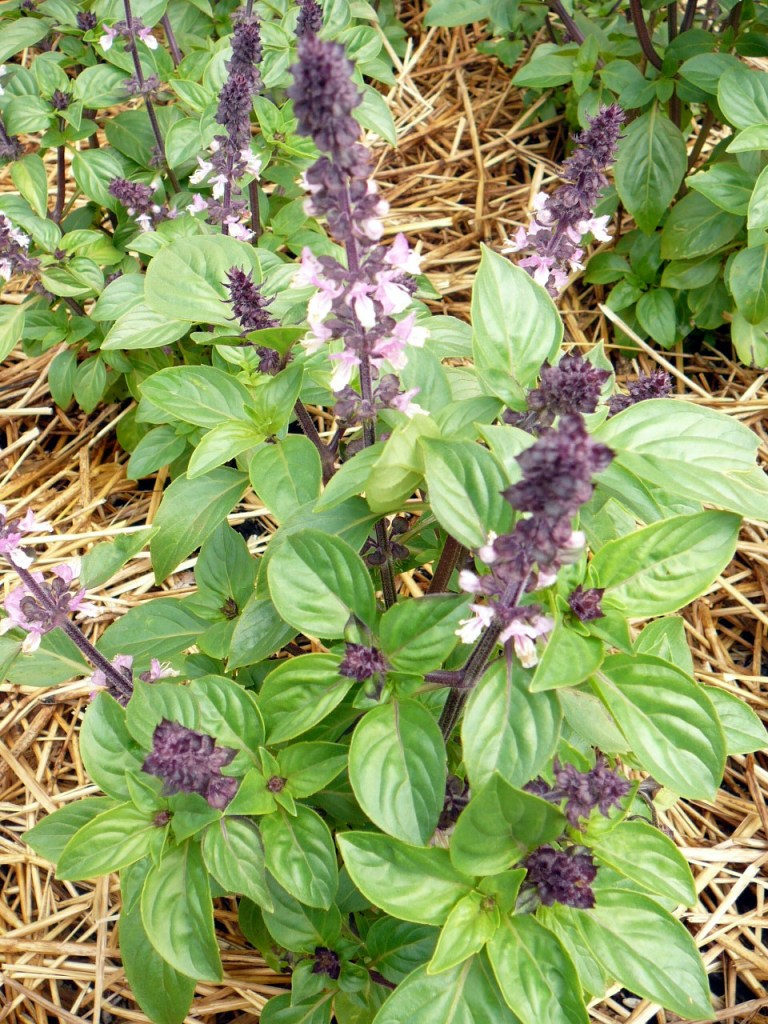
Basil is an annual herb that comes in every size and shape, from tiny spicy globe basil to huge sweet Genovese, the classic basil for pesto and bruschetta. This one does need lots of water.

Chives

Chives

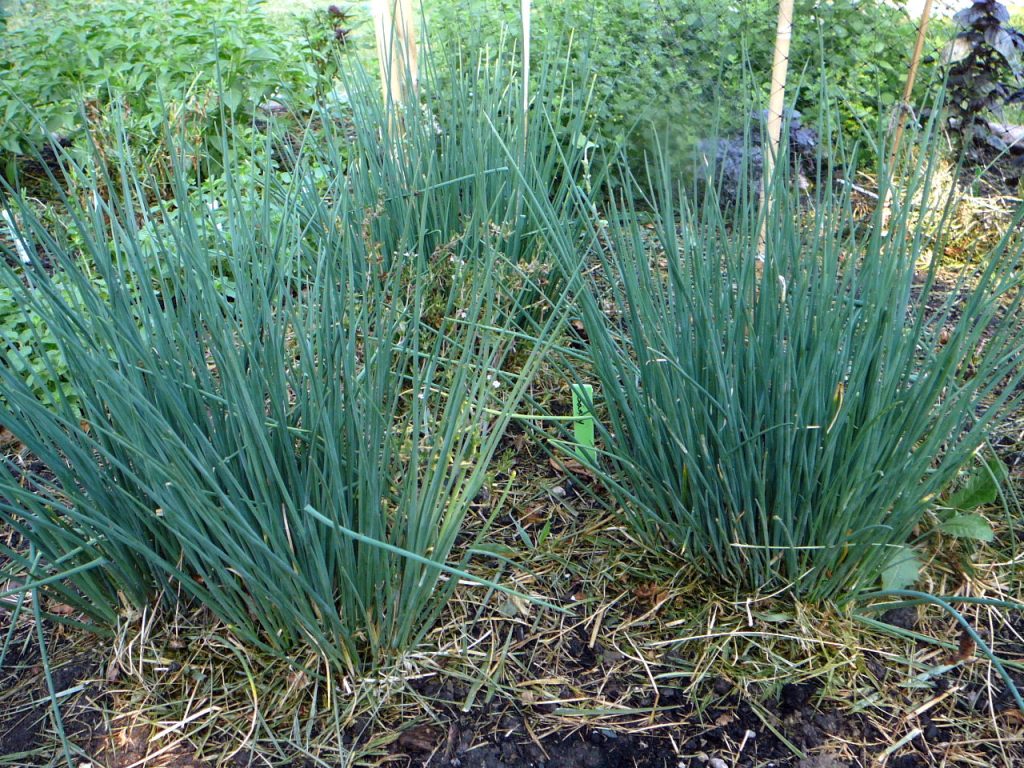
Chives – perennial oniony herb with leaves and flowers for drying. Pull apart blossoms and dry the individual florets. Add to a baked potato or top focaccia with them.

Basil and lemon verbena

Lemon verbena

Lemon verbena has become a favorite. Tea made from the dried leaves is delicious. I’ve always grown it as an annual in the midwest, but here in the south, I’m hoping it will be perennial.

Rubs and marinades

Mediterranean grilling mix

One of my favorite things to do with dried herbs is to combine them in marinade or grilling rub mixes. Mixing them up ahead of time makes delicious dinner prep pretty easy.

You can use these as a dry rub for grilling meat or vegetables by brushing with olive oil and sprinkling with grilling mix.

For a marinade, add a tablespoon to ¼ cup olive oil and ¼ cup vinegar of choice. Mix in zip lock bag with chunks of potatoes, zucchini, peppers, green onions, etc. Let marinate for 30 minutes. Grill vegetables; heat leftover marinade and pour over vegetables. If you marinate meat, brush with the marinade while grilling but discard any left over.

Basic Grilling Mix

1 T. oregano
1 T. basil
1 t. garlic powder
1 t. thyme

For specialty mixes – start with the basic grilling mix and add the ingredients listed. Feel free to add other herbs and seasonings to make it your own.

Mint Herb Mix

Use on potatoes, lamb or fish

1 T. mint
1 T. marjoram
1 T. tarragon
1 t. lemon balm

Italian Herb Mix

Use for pizza on the grill, on grilled potatoes for potato salad, on chicken breasts

1 t. rosemary
1 t. chili flakes

Herbed Ranch Mix

Use on salmon, grouper or mahi mahi, grilled potatoes, zucchini, yellow squash

1 T. dill
1 T. ground black pepper

Barbecue

For meats, vegetables and potatoes

1 t. sage
½ t. ground chili (or to taste)
1 T. paprika
1 t. rosemary
1 t. black pepper

Eggplant, sultans of summer

Turkish Orange eggplant

I’m growing Turkish orange, white and Japanese long purple eggplants this year and they are producing like crazy. They are beautiful additions to the garden, with their shiny bright fruits. But now what do I do with them?

Eggplants essentially take on any flavors you combine them with. Their creamy sweet flesh brings a lovely complement to summer meals. And they perform beautifully on the grill so you can keep the heat out of the kitchen. The smokiness from the grill enhances the flavor. 

white eggplant

Types of eggplants

Check out the farmers market for interesting varieties. The traditional Italian eggplant is a large dark purple orb, but there are many different types available, particularly at the market. Italian eggplants are generally larger and round or oblong, in shades of purple, white and striped. Asian eggplants are long and slender and come in purple, white, pale purple and pink. And of course, there is my orange eggplant. 

Italian purple eggplant

Harvest carefully

Eggplants are fairly delicate so need to be harvested carefully. They have spines on the stems, so take a pair of clippers with you. When harvesting or choosing from the farmers market, select eggplants with shiny, smooth skin. The more they lose their shine, the more bitter they become. Some cooks recommend slicing, salting and letting them sit for a half hour to remove some bitterness, but I’ve found this unnecessary. They sweeten elegantly when they cook. 

Asian eggplant

Grill ’em

For the simplest preparation of the large eggplants, simply put the whole fruit on the grill and roll it around until the skin is beautifully charred. This may take an hour – it should be soft and shrunken. Let it cool and peel off the skin. Then you can mash the pulp for baba ganoush or caponata. 

Grilled baby eggplant

Smaller eggplants also perform well on the grill. Put the whole eggplants on a medium-hot grill and close the lid. Turn a few times and remove them to a plate to cool. Once they are cool, slice carefully and drizzle with olive oil and balsamic vinegar. They pair especially well with the flavor of thyme and feta. Serve as a side to grilled meats or a large fresh salad. 

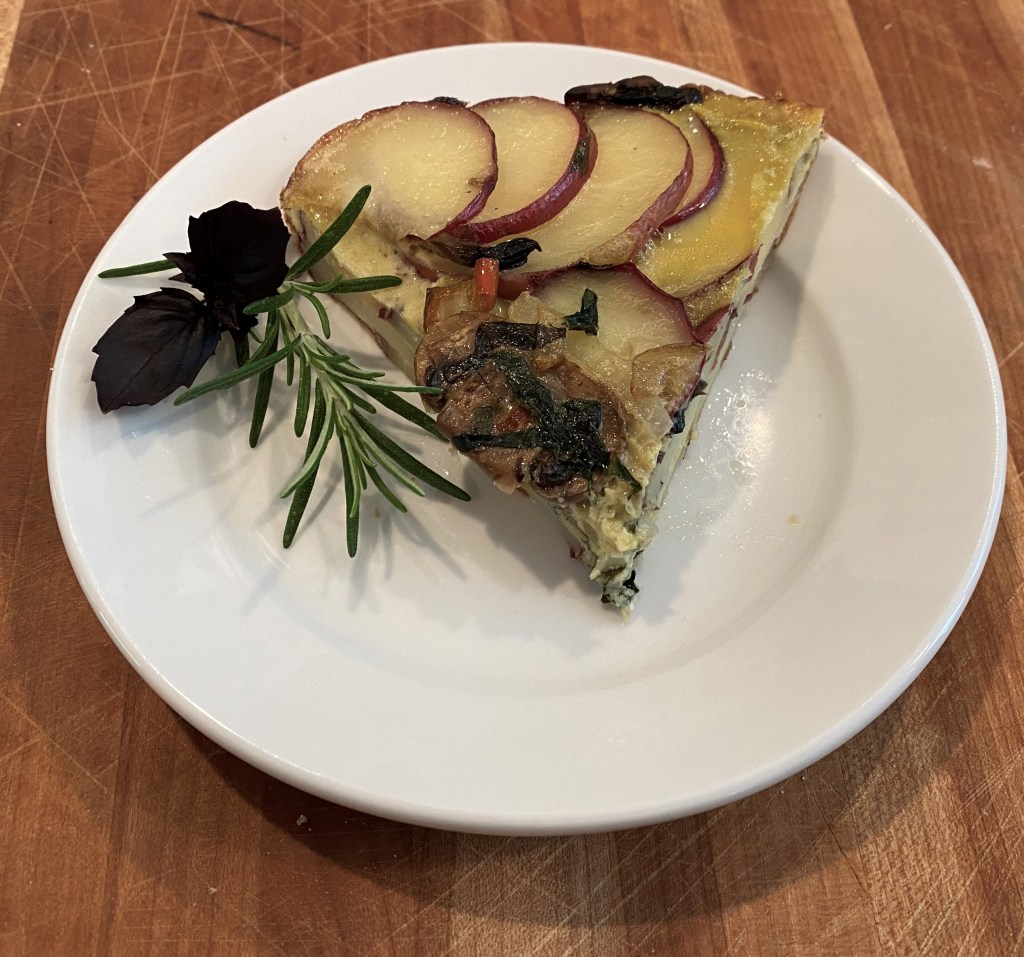
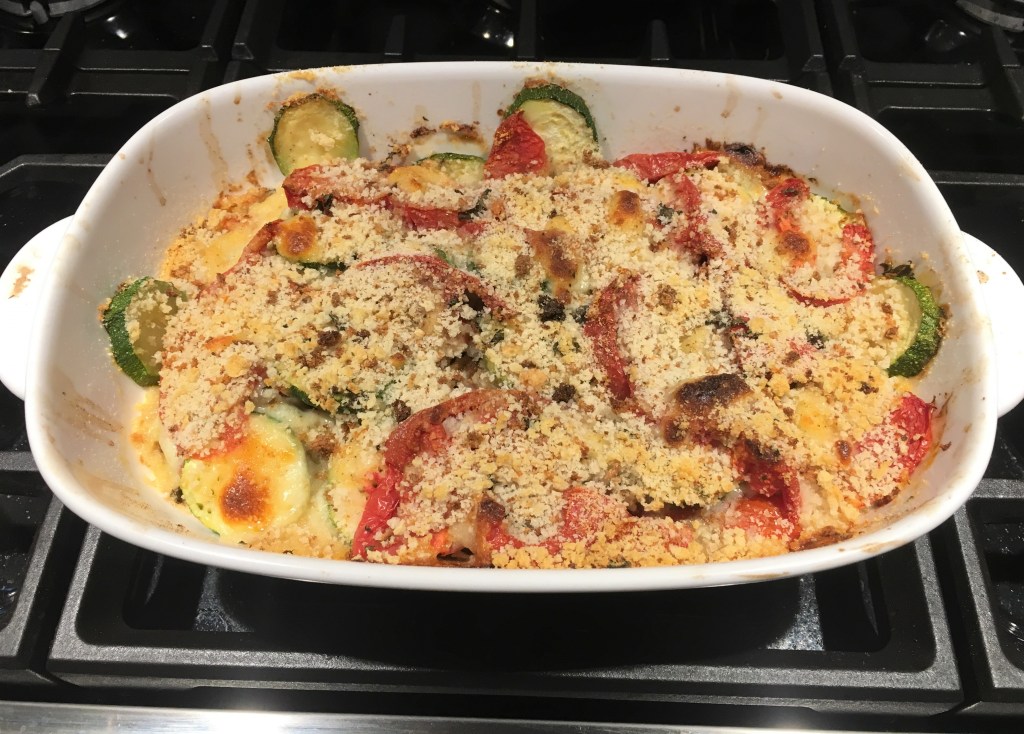
Farmers market strata

Eggplant is a natural companion to tomatoes and summer squash or zucchini, especially since everything is coming in at the same time. Throw together a layered strata with mozzarella and you have a beautiful main dish. Roast the vegetables first for an especially delicious take. Pair it with crusty Italian bread and a fresh salad for a wonderful summer meal. 
Farmers market strata

Eggplants also freeze quite well when cooked although the flesh will not be firm when defrosted. Slice them in half, roast cut side down at 375 for 15-20 minutes depending on the size. Scoop out the flesh and freeze in freezer bags. When thawed, add breadcrumbs, garlic, feta and other seasonings to your taste for a delicious quick dip for fresh vegetables or pita chips.  

Eggplant dip

Eggplant dip (Baba ganoush)

1 medium eggplant

½ medium onion, diced

1 large clove garlic, diced

1 medium red bell pepper

½ c. toasted bread crumbs

¼ c. tahini

¼ t. cumin

1 large tomato, diced

1 T. vinegar

Salt to taste

Cut eggplant in half and roast cut side down on an oiled cookie sheet at 375 about half an hour until soft. Cut the pepper in half and discard seeds and membranes. Flatten with your palm so there is more surface exposed. Roast about half an hour until the skin blackens. Scoop into a bowl and cover with a plate to let the peppers steam further. When cool, remove the peppers and peel off the skin. Scoop out the pulp and discard the skins. 

Saute onion and garlic in 2 T. olive oil until soft. Either puree the vegetables in a food processor until smooth or simply mix and leave chunky. 

Stir in rest of ingredients, salt to taste and serve at room temperature with pita chips. 

Eggplant salad

Peel and cube a large eggplant. Toss the cubes with olive oil and roast in a 375-degree oven for about half an hour, until tender. Remove from oven and toss while warm with a vinaigrette of your choice. Refrigerate two hours. When ready to serve, toss with chopped tomatoes, cucumbers and sweet peppers. Add crumbled feta, chopped fresh basil and more dressing if necessary. 

Good bugs

Garden orb spider

I was weeding this morning and found this beautiful orb spider hanging out on my iris. I’m a huge fan of spiders. Not on me, but in the garden. This one is a classic and instead of just looking spooky, means I have a partner in pest control. 
I have plenty of insects in my garden, and I’ve learned to recognize many of them as beneficial and predatory insects that help keep populations of harmful insects at low levels. The garden is full of ladybugs and lacewings, all varieties of spiders, and the other day my daughter found a praying mantis on a winter squash plant. They are voracious insectivores, and I invited him (or her) to stay as long as he liked.

It’s so important to a balanced garden to correctly identify insects. I know many gardeners who assume that any bug is a bad bug, and immediately begin spraying. Using pesticides kills many beneficial insects in the process. By recognizing and encouraging beneficial insects to reside in your garden, you will have a healthier garden that actually takes less work because it balances itself. 

It takes a little work to learn to identify the good guys, but once you do recognize them you’ll get a smile every time you see one in your garden, knowing it’s helping you take care of your plants. 

The best thing you can do if you don’t recognize a bug is to catch it in a small jar where you can observe it carefully and make your identification. Then get on the Internet, get to the library or take the bug to the county extension office for help. Here’s a good site to get you started: https://www.northcentralsare.org/Educational-Resources/SARE-Project-Products/Beneficial-Insect-Guide

Here are a few examples of some of the good guys: 

Assassin bug

Assassin bugs are quite distinct with long narrow heads and curving beaks, these may have elaborately flared crests on their back ends. Some are brightly colored, and the adults and nymphs feed on flies and large caterpillars, especially tomato hornworm.

Assassin bug nymph (photo by Brett Hondow)

Praying mantis

Praying mantis is a large bug with a distinct profile. It has a long body and short front legs that it holds in prayer-style hands.  These don’t appear often, but when they do, they make short work of all types of pests.

Praying mantis

Ground beetle

Ground beetles are the long-legged beetles in blue-black or dark brown with a shiny coat that we see darting under rocks and brush during the day. They prey on slugs, cutworms and cabbage root maggots in the soil. Some types also go after Colorado potato beetle larvae, gypsy moth and tent caterpillars.

Ground beetle (Photo by Harald Matern)

Lacewing

Lacewings are ethereal pale green or brown flying insects with large delicate wings. Although the adults don’t eat, the nymphs, resembling little alligators, are voracious feeders on aphids, thrips, mealybugs, small caterpillars and mites.

Green lacewing (photo by Melani Marfeld)

Rove beetle

Rove beetles look similar to earwigs, so don’t be so quick to squash. They have short stubby wings and a long abdomen that can resemble the pincers of the earwig. They fold their abdomens up over themselves when disturbed. They love aphids, springtails, nematodes, fly eggs and maggots.

Rove beetle (image from Emphyrios Pixabay)

Ladybug

Last but not least, ladybugs are familiar to all of us and are well known for their taste for aphids. However, their larvae may not be as familiar. These also look like short alligators, black with red stripes, and they have huge mouths for feasting.

Lady bug larvae

Water in the garden

There is nothing so comforting as the sound of water in the garden. Water is a fundamental part of nature that appeals to the calm, meditative side of us. The sound of water is cooling and soothing yet rejuvenating, whether rippling, running, falling or quietly lapping against the sides of a pool. Water brings another type of movement to the garden, different than the swaying of branches and the fluttering of leaves.

Garden water features range from formal waterfalls to streams, still pools, and simple tub gardens and fountains. Add fish, toads and salamanders and you have a wonderful ecosystem in your yard.

Where in your landscape, how much time to maintain?

As you begin to plan for this new element, it’s essential to think about its place in your overall garden design. You also need to be honest with yourself about how much time it will take to care for it.

Most water elements will be much more successfully managed if they are in full sun. Site your pond or stream as a natural focal point in view of the house and outdoor entertaining areas yet away from natural traffic patterns, children’s play areas and buried cables.

Wide open spaces

Try to avoid areas with trees because of leaf drop, and make sure the site has plenty of good air circulation. Also, make sure it’s accessible from three sides.

Ponds

Design the largest pool that you can possibly handle since larger a pond will be easier to keep environmentally balanced than a smaller pool. The minimum pond size for ease of maintenance is about forty to fifty square feet (about 400-800 gallons). If you want to keep fish in the pond, it needs to be at least 18″ deep to avoid the temperature extremes of a shallow pool that can damage or kill plants and fish. Otherwise, it’s necessary to remove all plants and fish for the winter. Avoid the temptation to site your pond in a low area which may be a collection spot for debris and pollutants in runoff. Although some ponds make use of aerators and filters to keep them absolutely clear, skillfully combining plants and fauna can achieve a natural balance that needs no assistance

Tub gardens

Even small tub gardens can be effective garden design elements as long as they are cleaned regularly. They will seldom be balanced, and it’s not a good idea to use fish because of the temperature extremes that can occur in a tub. Putting in a small pump makes it into a decorative fountain and helps keep the water clean by aerating it.

Streams

Streams add coolness and motion to the garden, and even if adding water would be difficult, a dry stream bed gives the illusion of movement. A naturally occurring stream is a treasure and can be taken advantage of by adding stones of differing sizes and shapes to offer pleasing textures and to vary the sounds the water makes as tumbling over them.

Plants

Planting pockets directly in the stream or pond can hold root-emerged plants such as pickerelweed and watercress. Pockets of soil along the edges can hold taller root-emerged plants such as water iris and water arum. Moisture-loving plants such as astilbe and summersweet beautifully adorn the upper banks. A particularly attractive feature is to position plants and stones to give the illusion that the stream is actually a spring coming out of moss-covered rocks. For the garden without a natural stream, recirculating pumps can provide water for a small area.

Cucumbers remind me of the coolness of water. Here’s a delicious summer soup to enjoy beside your fountain:

Cucumber bisque

This is a lusciously creamy summer soup. Feel free to substitute any vegetables that are available. You can also season with fresh herbs of choice. Basil or dill make delicious additions.

2 seeded cucumbers
1 ripe avocado
½ c. sour cream
1 t. Sriracha sauce
¼ c. chopped red onion

Blend until smooth. Serve cold with baguette slices brushed with garlic and olive oil and grilled until crisp.

Grilled Cabbage Steaks

Cabbages are plentiful at the markets right now. Who can resist the sharp crack as you slice into a crisp cabbage head? This is the time to get plants started for fall crops. 

Brassicas all have sulfur compounds

What is it about the scent and flavor of broccoli, cauliflower, cabbage, Brussels sprouts and kale? We all recognize it, whether coming from steaming broccoli in the kitchen or from rotting cabbage leaves left in the fields to overwinter. But that sulfurous odor is what makes them so extraordinarily good for us. All plants in this family are full of sulfur compounds called sulphoraphanes, anticarcinogenic compounds that make the vegetables so heart-healthy. 

Vitamins and antioxidants are plentiful

All Brassicas (comes from the scientific name for this family of vegetables – Brassicaceae) are high in fiber, low calorie and low fat. They are sources of vitamins A, C, and K, as well as potassium, calcium, magnesium and iron. The more color the plant has, the more antioxidants it provides. Purple cabbage, orange and purple cauliflowers, red mustard and kale, purple broccoli and brussels sprouts all have more benefits than their green counterparts. 

Grow these crops in all seasons

In the garden, brassicas bridge all seasons. You can time planting kale and Chinese cabbage in very early spring when no other vegetables are producing. Their flavors add a pungent freshness to the sweet mellowness of winter stored potatoes, carrots and winter squash. And most of them will last well into fall to provide leafy greens and sweet small cabbage heads for colcannon or “kalecannon” for the Thanksgiving table. Put them under a cold frame and you can often coax them through most of the winter. One of the best traits of almost all brassicas is the chemistry that sweetens them after a frost. 

Spring starts

Cabbage seedlings

If you plan to start brassicas for the spring garden, they should be seeded in late winter under lights, or in early spring outdoors. The greens are easily grown from seed in the garden, but the larger brassicas such as broccoli, cauliflower and Brussels sprouts should be started indoors for transplanting into the garden.

Fall starts

In the warmer summer climates such as North Carolina, they tend to go to flower quickly since summer comes on fast. So, plant broccoli rabe or broccoli Calabrese for spring and save the heading broccoli and cauliflower for fall crops. Start plants in early to mid-July for transplanting into the fall garden. 

Easy to grow

Growing all of the brassicas is fairly simple. They grow best in full sun in rich organic soil that is well-drained. They are moderate feeders so benefit from a top-dressing of compost or composted manure when planting. Mulch with organic mulch such as straw once they are growing. Once you harvest the central heads of broccoli, cauliflower and cabbage, you will often be provided with side shoots through the summer. 

Control pests

The two items that should be in your arsenal for pest control are Bt (Bacillus thuringiensis), an organic bacterial pesticide that goes after pesky cabbage moth larvae, and floating row covers which can keep the moths away and help avoid aphid infestation. Since we are not looking for any pollination of the brassicas, the floating row covers can stay on all season.

Red cabbages seem to be less prone to cabbage moth damage. Plant a green cabbage among the reds for beauty and also as a trap crop. 

Let’s cook some cabbage

Grilled cabbage steaks

Cabbage is perhaps the best brassica to stand up to most types of cooking. My family doesn’t generally look favorably upon cooked cabbage, mostly because they remember the traditional corned beef and cabbage in which the cabbage is boiled to a soggy mass. 

So, let’s try for something totally different – grilled cabbage steaks. These are tender-crunchy with the smokiness of the grill and a hint of caramelization. Delicious!

Roasted cabbage steaks with crispy bacon

Roasted or Grilled Cabbage steaks

Preheat oven to 375 or grill to medium

1 head of cabbage, green or red, sliced into 1/2″ steaks

Olive oil

salt and pepper

Tahini Lemon Sauce

1/2 c. tahini

1/2 lemon, juiced

1 clove garlic, minced

1/2 cup water (or more if necessary)

Place cabbage steaks on pan filmed with olive oil. Roast in oven about 15-20 minutes until crisp tender. You can put them under the broiler for a minute or so if they haven’t browned. Don’t overcook or it will be soggy. Dress with tahini lemon sauce. And you can also spice things up a bit with crisp crumbled bacon or feta cheese. 

Alternatively, grill, turning over once for about fifteen minutes.

Sauce:

Place tahini, lemon juice and garlic in blender. Turn blender on and add water gradually as needed to reach the consistency you desire. Blend until smooth.

The sauce is a wonderful sauce or dip for any type of vegetable. You can thin it a bit more to use as a salad dressing.

Grilling

The summer is heating up and with the holiday weekend upon us, barbecuing is on everyone’s mind. This is a prime time to heat up the grill instead of the kitchen. 

I used to think of the grill as the place where you cooked ribs, chops and chicken breasts. However, I now use it for all types of vegetables, mushrooms and bread and I’m hooked. 

Gas or charcoal

You can use a gas or charcoal grill but it just takes a little more planning to get the coals ready. I’ve managed to pick up a few grilling baskets and trays at second-hand stores although you also buy new ones from garden and hardware stores. Whatever utensils or cookware you use, make sure it’s not your best because it will show wear from the grill. I have set aside a couple of older cast iron pans for use on the grill and I love how they cook outside almost as much as inside. 

Grilled baby eggplant

Grill almost any vegetable

A visit to the farmers market or my garden brings in tomatoes, summer squash, spring onions, early carrots, fresh garlic, maybe some late asparagus, bok choi, broccoli, cauliflower, mushrooms and a myriad of other good eats.

All of which can be simply grilled. The essence of grilling is to use high-quality oil to help the vegetables caramelize. My go-to is fruity olive oil, but you can use grapeseed, walnut or even toasted sesame oil for a slightly Asian taste. 

Garnish with herbs after grilling

Fresh herbs lose their flavor quickly when grilled, so if using them, chop and add them after the vegetables come off the grill. I also wait to salt vegetables until they come off the grill, while they are still warm so the salt dissolves, but not while on the grill which tends to make it necessary to use more salt. 

Marinate or not

You can marinate the vegetables before cooking if you choose, but since vegetables don’t soak up oil and vinegar as meats do, it really isn’t necessary. You can toss them with whatever you like after they come off the grill for delicious flavors. 

Vegetables don’t take long to cook, so cook any meats or other main courses first. 

Grilled pac choi

How to grill

Heat the grill to high and then turn it back to medium. Oil your pan (cooking spray works fine), and then add the vegetables. Some that are tougher, like carrots or beets, should be steamed or blanched briefly in boiling water to start the cooking process. Don’t cook until they are soft, though or they won’t hold up on the grill. Toss the vegetables frequently while they cook so all sides get equally caramelized. 

Asparagus

Trim off tough ends, roll in olive oil and grill on a flat grill pan for around ten minutes, shaking the pan part-way through or using tongs to roll them around. Serve with a yogurt or mustard sauce.

Carrots
Grilled baby carrots

Steam or blanch about 2 minutes and then dress with olive oil. Grill in a basket about ten minutes until easily pierced with a fork. Toss with fresh mint and maple syrup if desired or simply dressed with salt. 

Cabbage and cauliflower

Cut into “steaks”, drizzle with oil and cook on a grill tray until it is just crisp-tender. Sprinkle with garlic powder and drizzle with balsamic vinegar to serve. 

Broccoli

Cut into small florets, toss with oil and toss in a grill basket about ten minutes. Toss with fresh parmesan, a fresh squeeze of lemon and lots of fresh ground pepper to serve. 

Summer squash, zucchini, pattypans
Grilled zucchini

Cut into ½” thick coins and toss with garlic powder and oil. Toss in a grill basket about 10-15 minutes until crisp-tender. A sauce made with Dijon mustard and yogurt is delicious drizzled over the top. 

Potatoes

Blanch new potatoes (red or gold) until slightly tender. Slice in half, toss with a bit of olive oil and grill for about 10 minutes. Toss with a warm vinaigrette for grilled potato salad.

Grilling mixes, rubs and marinades

Use these as a dry rub on meat, fish or vegetables: brush with olive oil and sprinkle with grilling mix. 

Or, add a tablespoon to ¼ cup olive oil and ¼ cup vinegar of choice for a marinade. Brush vegetables or meats with leftover marinade as you grill. If you marinate meat, be sure to discard any extra marinade that you don’t use in cooking. It can harbor bacteria. 

Basic Grilling Mix

1 T. oregano

1 T. basil

1 t. garlic powder

1 t. thyme

For specialty mixes – start with the basic grilling mix and add the ingredients listed:

Mint Herb Mixuse on potatoes, lamb or fish

1 T. mint

1 T. marjoram

1 T. tarragon

1 t. lemon balm

Italian Herb MixUse for pizza on the grill, on grilled potatoes for potato salad, on chicken breasts

1 t. rosemary 

1 t. chili flakes

Herbed Ranch MixUse on salmon or white fish, grilled potatoes, zucchini, yellow squash

1 T. dill 

1 T. ground black pepper

Traditional barbecuedelicious on vegetables and potatoes

1 t. sage

½ t. ground chili (or to taste)

1 T. paprika

1 t. rosemary

1 t. black pepper

Potager or Kitchen Gardens

Red and green lettuces planted with violets and swiss chard

What exactly is a kitchen or potager garden? In essence, these trendy terms basically describe a garden filled with vegetables, herbs and fruits. All food gardens are technically kitchen gardens, but this term is often used for a garden planned for beauty as well as function. 

Potager garden

peas, radicchio and calendula flowers

Kitchen gardens have been around for hundreds of years. The French call it a potager garden, coming from the word potage for soup. Faced with usually small garden spaces, they have learned to grow enough vegetables to feed their families. And flowers to cut for the table. 

Cottage garden

British cottage gardens include ornamental plants combined with all manner of vegetables, fruits and herbs. They’re filled with lettuce, chard, sweet peas supported on twig trellises, and plump cabbages that are beautiful in their own right. Add the herbs such as purple leaf basil, lemon thyme and garden sage for cooking delectable dinners.

A kitchen garden can be precise and orderly, blowsy and tangled, or even a garden made up only of containers. But the effect is the same – vegetables and fruits grown with flowers and herbs, limited only by your imagination.

Lettuces and mesclun in rows for a potager garden

This type of garden is not used so much for large-scale production, canning and putting away for the winter, but more for immediate use in the kitchen. It can range from a small hanging basket of oregano and lettuce outside the back door to a full garden with roses, shrubs and perennials coupled with vegetables and herbs. Fruits and edible flowers certainly have a place here as well.

Why plant a kitchen garden?

We are usually inspired to start a kitchen garden because we want to taste fresh food that’s not available at the market. There is nothing quite like picking and tasting your own ripe, perfumed melon or warm raspberries right off the shrub. Greens such as arugula, radiccio and mesclun are rarely available from the grocery or farmers market, but are amazingly simple to grow. Heirloom squash and beans are easily be grown in the home garden. 

Radiccio

The freshest food

We all love having beauty around us – that’s generally why we garden in the first place. Edible plants can be artistically combined with ornamental plants to create a beautiful garden that pleases eye and palate. 

Some vegetables that lend themselves to a smaller space garden: 

The vegetables

Green beans – Come in green, purple and yellow types, in bush or pole types which produce later in the season. Plant scarlet runners, purple and yellow wax beans together on a trellis for all spectacular accent. 

Haricots verts

Eggplant – These delicious fruits come in every color and shape imaginable, from white to yellow to striped lilac to red to black, and in oblong, round and cherry-tomato sized. The compact plants make beautiful accents with striking purple flowers, dusky green-purple leaves and jewel-like fruits.

Kale – This nutritious vegetable comes in a myriad of sizes, colors and leaf textures. Unlike the familiar flowering kale, the new varieties are sweet and tender, and come in all shades of blue, purple, pink and red. Best of all, they produce all summer.  

Winterbor kale, pretty as any flower

Lettuce – there is no end to the colors and textures, not to mention the countless types of greens mixes. These make beautiful bed edging and thrive in baskets.

Batavia lettuce

Pepper – Peppers come in all colors, shapes and sizes, jewel-like fruits hung on ornamental plants. Choose orange, red, white, purple or brown bell peppers, scarlet cayennes or jalapenos, tiny upright mirasols, rich golden bananas and cubanelles or even tiny but potent maroon scotch bonnets. 

Cayenne peppers

Tomatoes – Grow cherries on trellises or patio tomatoes in the ground or in containers. There are methods to prune and pinch and train them onto a single stake, taking up much less room than in a tomato cage. 

Classic Salad Niçoise

This salad is a classic French dish and can be adapted to any seasonal vegetables and your favorite vinaigrette. Add edible flowers like calendula petals, nasturtiums or violets to make it pop.

Your choice of vegetables: 

sliced steamed baby potatoes 

green beans

artichoke hearts

small cooking onions or scallions

hard boiled eggs

tomato wedges

sliced sweet peppers

grated carrots

cooked edamame

shredded beets

olives

capers

Set in rows on a bed of bibb; drizzle with vinaigrette of choice. 

You can also add seared tuna or grilled flank steak.