Make it Easy

I’ll admit that as much as I love to cook, there are plenty of times when I’m just too exhausted to spend the energy to figure out what to cook, find a recipe and gather ingredients. But I have to eat.

I hope to provide simple recipes that avoid the tyranny of long lists of ingredients and extended prep times. Nothing is more discouraging than looking at a tasty recipe and realizing that it has 23 ingredients, many of which you’ll need to go out and buy. Five ingredients make a much less daunting proposal.

You may be an expert cook who is comfortable in the kitchen and can improvise on most recipes. But most of us are novices in some way, so my recipes are basic, with only a few ingredients. Then you can add whatever you have on hand.

Here are a few suggestions for quick meals that are as simple as possible.

–Saute whatever vegetables you have in the fridge (even lettuce) and toss into scrambled eggs with cottage cheese. My faves are shredded cabbage and leftover mashed potatoes.

–Toss chopped vegetables (tomatoes, broccoli, garlic, onions, carrots, zucchini…) with olive oil and roast in a 375 oven until tender and a bit caramelized. Season to taste (garlic powder, Italian seasoning, harissa, etc.). Add to hot pasta with parmesan.

–Open a can of black or pinto beans and add to a medium saucepan (with some of the bean liquid). Season to taste with garlic powder, onion powder, cumin, and heat gently. Mash the beans and spread on tortilla chips, sprinkle with grated cheese and broil until the cheese melts. Instant nachos with extra protein. Serve with salsa, chopped tomatoes, lettuce and whatever else sounds good.

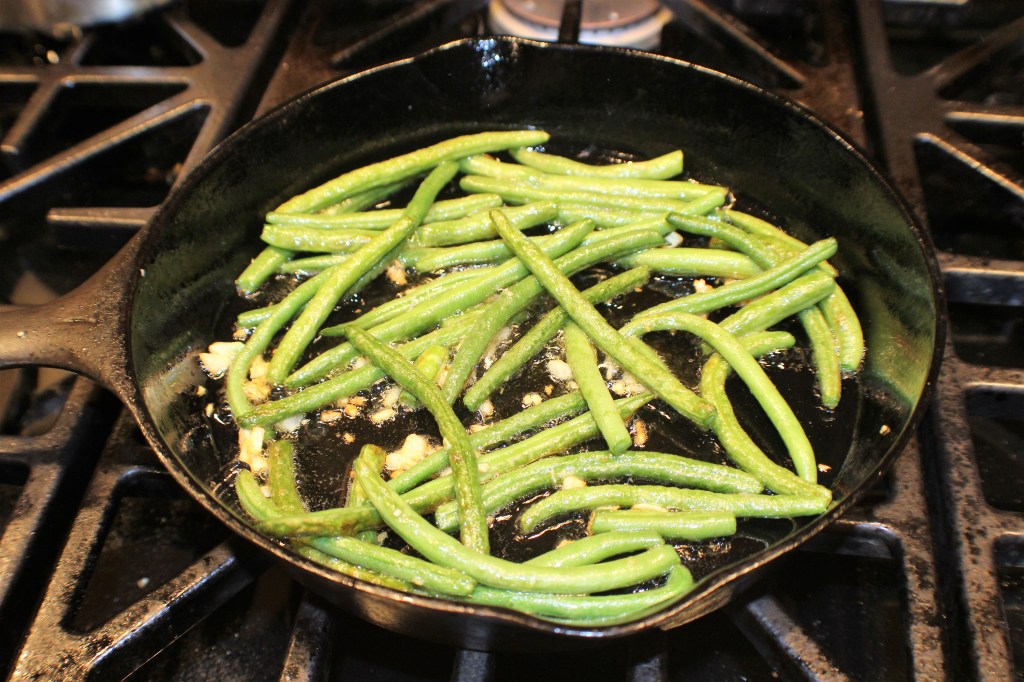
–Green beans – as soon as you get home from the market, top and tail them and cook for 5 minutes in boiling salted water. Then, when you want to eat them for dinner, blister them with minced garlic by sauteeing them in a hot pan filmed with olive oil – only 5 minutes. Serve as a side or add to cooked rice for a main dish.
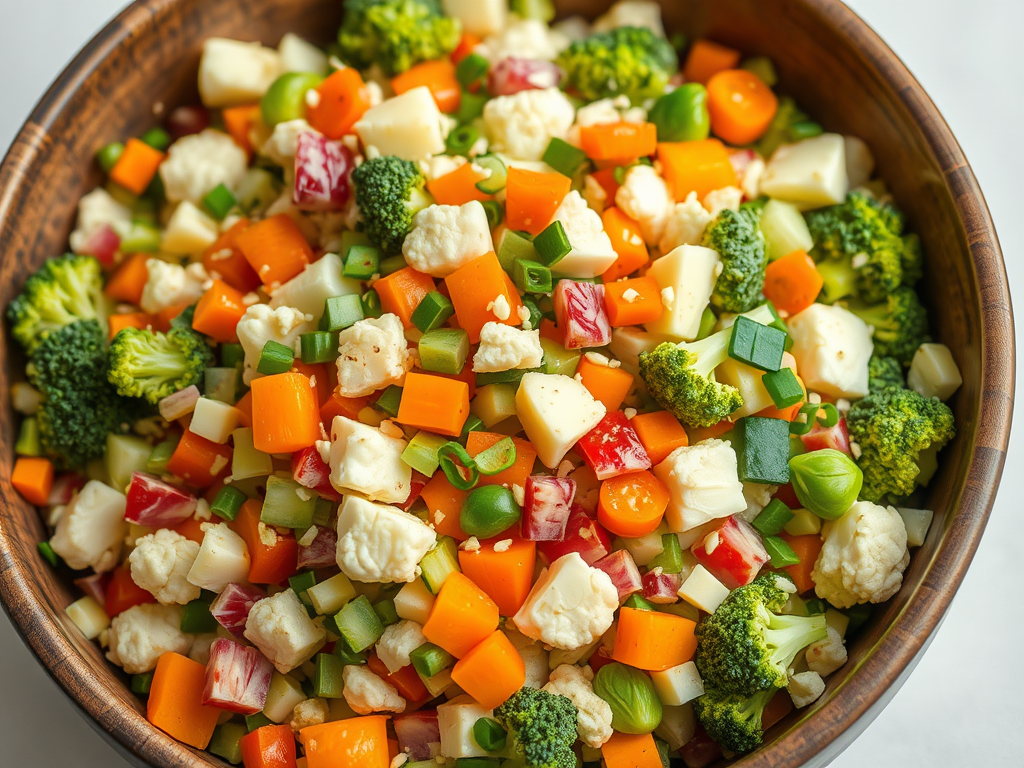
–Chopped salad – make a base of finely chopped vegetables – broccoli, cauliflower, brussels sprouts, sweet peppers, carrot – any vegetables that will hold up for a few days. Don’t dress until ready to eat. Add ephemeral vegetables like cucumbers and tomatoes at the last minute to keep them fresh.

–Cabbage – keeps a long time so keep one on hand and you have an instant salad by slicing it thinly and dressing it with a vinaigrette.

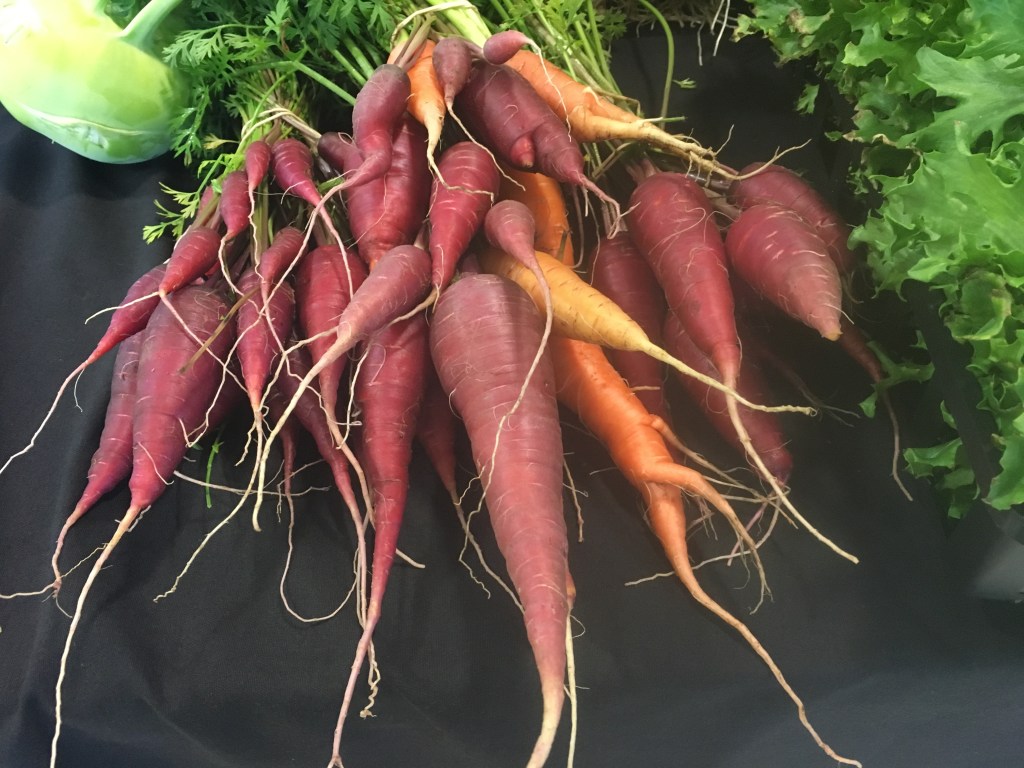
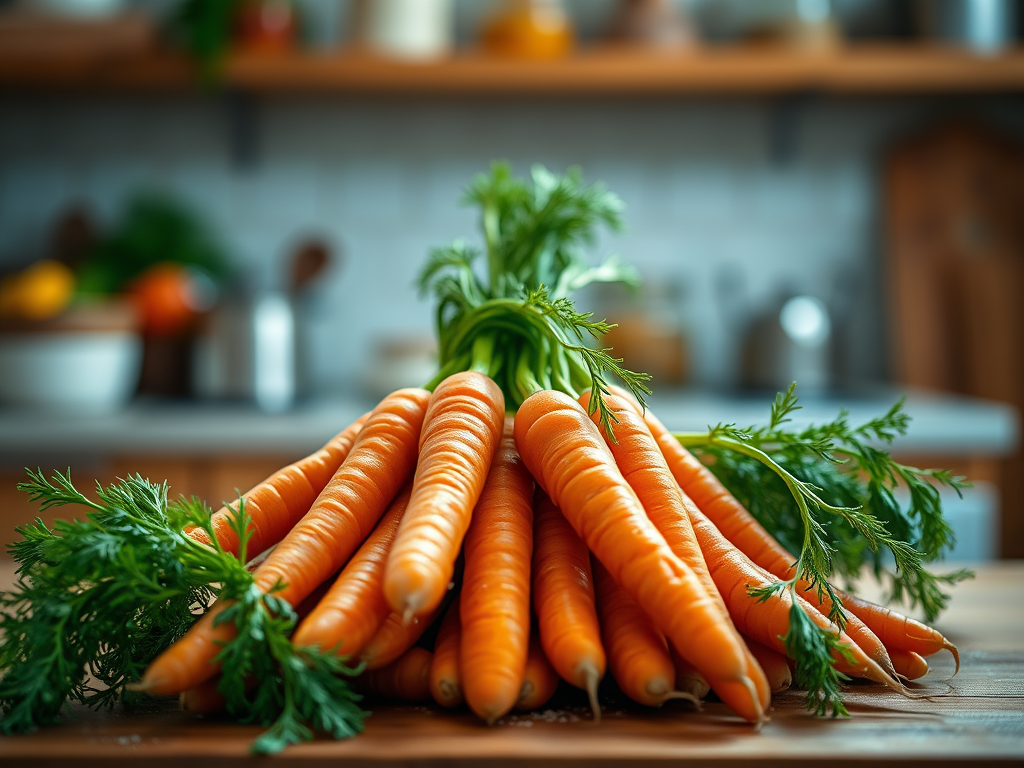
–Carrots – also keep a long time and are delicious for snacking or lightly steamed or roasted. Mix with cooked rice for a delicious side dish.

–Fast noodles – keep ramen on hand and cook according to the package (without the flavor packet). They take about 3 minutes. Add absolutely anything to them for an instant meal. Roasted vegetables, leftover protein of any kind, cheese, scrambled egg. You can dress them with miso, soy or hoisin sauce for an Asian take. Add shredded carrots, chopped celery and shredded bok choy.
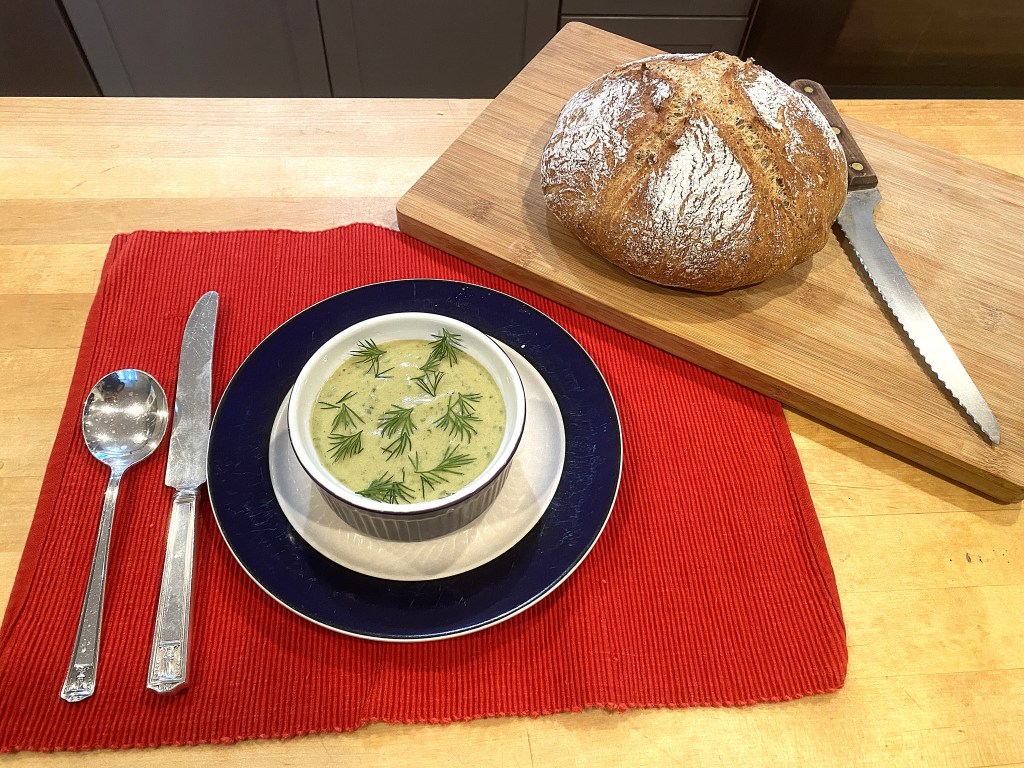
Potato Leek Soup with fresh Sorrel

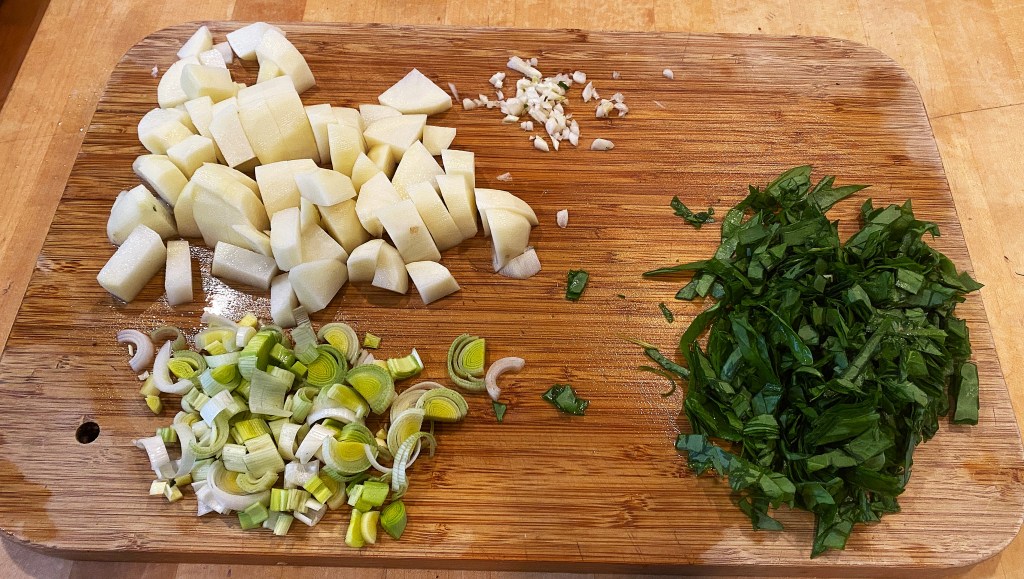
We know that fall is the traditional leek season, so I picked up a bunch at the farmers’ market this week and decided to make potato leek soup, one of my favorites. And for a riff on the traditional, I decided to give it a lemony freshness with sorrel. I realize sorrel is usually considered a spring vegetable/herb since it makes such an early appearance when we’re so hungry for fresh greens. But mine is spectacular right now. It was ravaged as usual in summer, but the new leaves are large and lush because of the fall coolness. 

The idea wasn’t an original. I took inspiration from Marian Morash in The Victory Garden Cookbook, published in 1982. Remember the PBS show The Victory Garden with James Underwood Crockett? It was a Saturday morning staple, especially because Marian Morash always cooked something directly from the garden. That show and Organic Gardening Magazine still put me in a nostalgic haze. They helped make me who I am today.  

When I couldn’t find a good recipe to use sorrel (other than my sorrel sauce for salmon), I looked to Marian’s cookbook for ideas. Here is her basic recipe, with a few tweaks of my own. I have reduced amounts to make soup for two. 

  • 2 good-sized russet potatoes
  • about ten sorrel leaves
  • 1 T. butter
  • ½ c. chopped leeks (one or two, depending on size; white parts only)
  • 2 cloves garlic, minced
  • 2 c. chicken or vegetable broth
  • Lemon juice
  • Salt and pepper
  • ½ c. evaporated milk or buttermilk 

Peel and roughly chop the potatoes. Wash the sorrel and remove the ribs and stems. Chop. Melt the butter and saute the leeks and garlic over gentle heat until soft. Cook the potatoes and half of the sorrel in chicken broth until the potatoes are fork-tender (about 20 minutes). Add the leeks and garlic, and puree. Return to the pan and season to taste. Stir in the remaining sorrel and milk or buttermilk and heat gently. Serve either hot or chilled. My dill is going crazy so it’s a perfect garnish. 

https://www.facebook.com/kitchenandgardenmagic

Vegetable Triage (Tomato Glut Sauce)

This time of year brings so many good vegetables, whether through a CSA box every week with more than you can possibly eat or a garden that is inundating your fridge. Or even friends offer extras from their own gardens. How do you avoid wasting all this goodness as well as stock yourself up for the winter months?

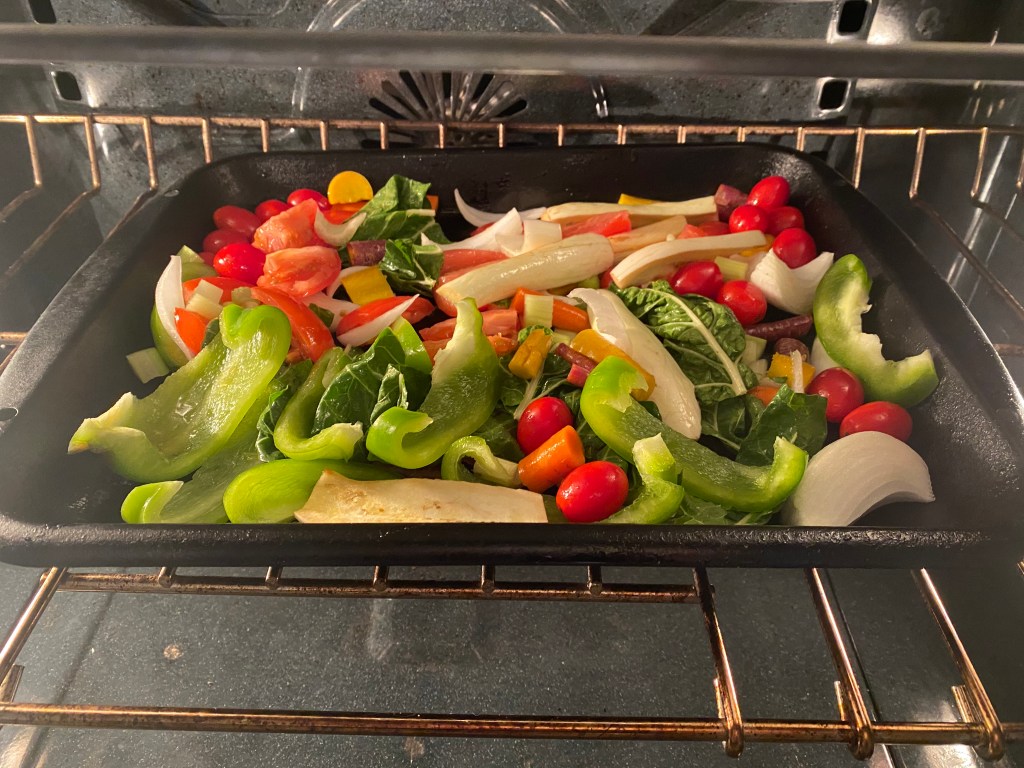
My answer is to roast! Whenever I have loads of extra chard, mushrooms, leeks, onions, zucchini and eggplant, instead of succumbing to feeling overwhelmed, I toss them all into a roasting pan.

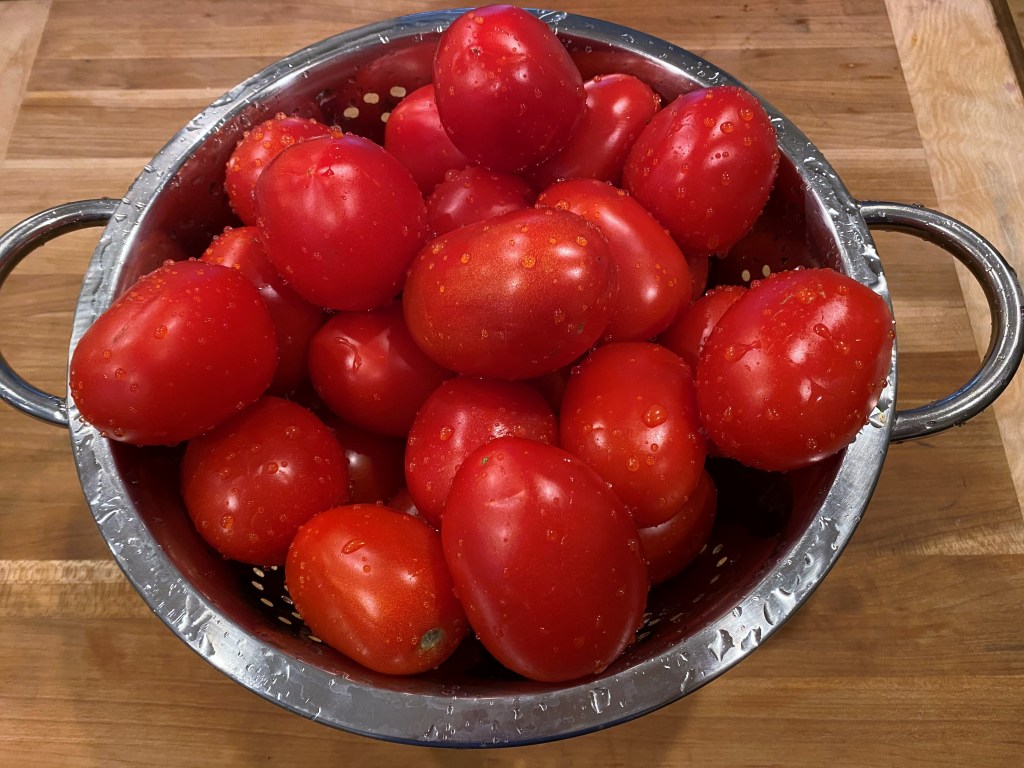
Red and yellow tomatoes, onions and garlic

Make delicious soup

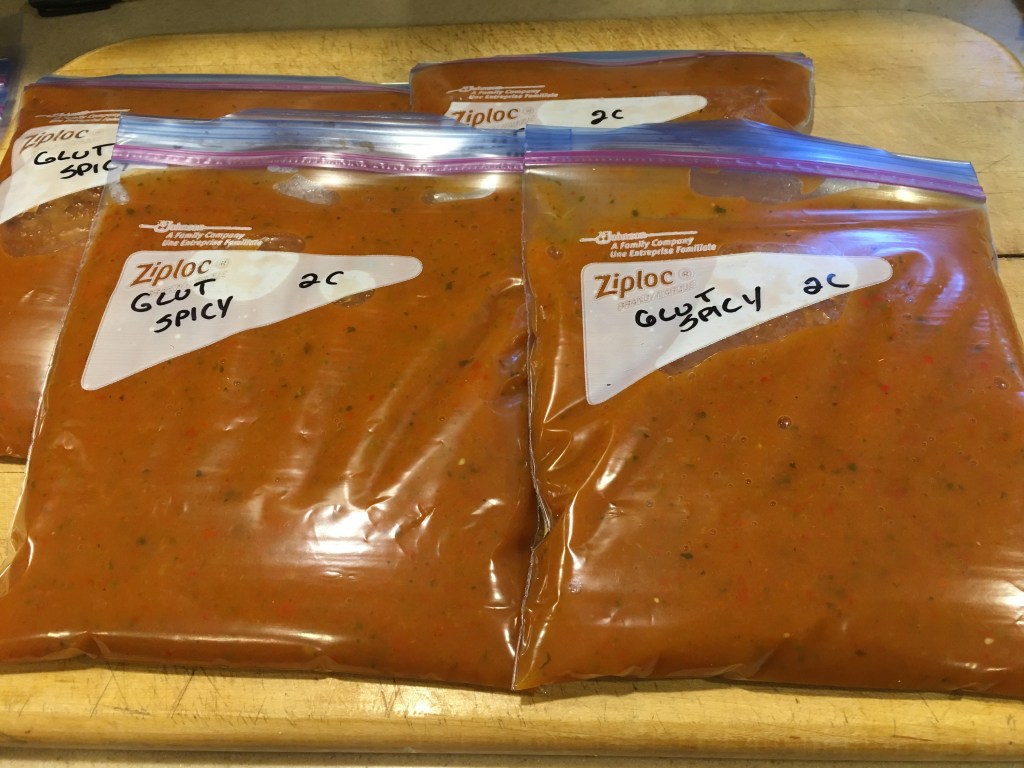
It is amazing how combining roasted vegetables of all types with plenty of onions and garlic turns them into savory creations. I roast until everything is quite soft and then purée with a little stock if necessary. Freeze the pureed vegetables to use later as a soup base or pasta sauce. Or, to make a hearty one-dish meal immediately, add some evaporated or coconut milk, chopped sauteed vegetables of choice, cooked beans and/or cooked grains or pasta. A great result of this process is that the sauce never quite tastes the same.

A sauce made of mostly tomatoes is great for traditional pasta sauce. Sauce with spicy chiles added makes a good base for chili.

It’s easy to adjust seasonings according to your tastes. Add basil and oregano for an Italian twist; add cumin and chili powder for Mexican; add marjoram, a hint of cayenne and basil for Mediterranean.

Tomato Glut Sauce

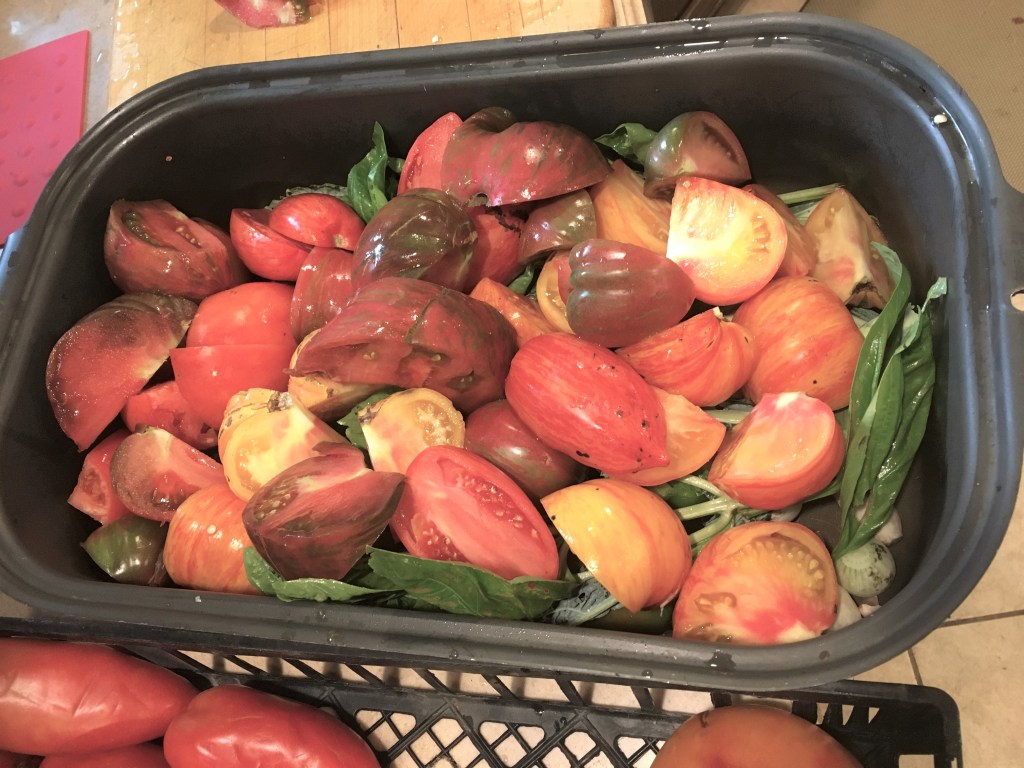
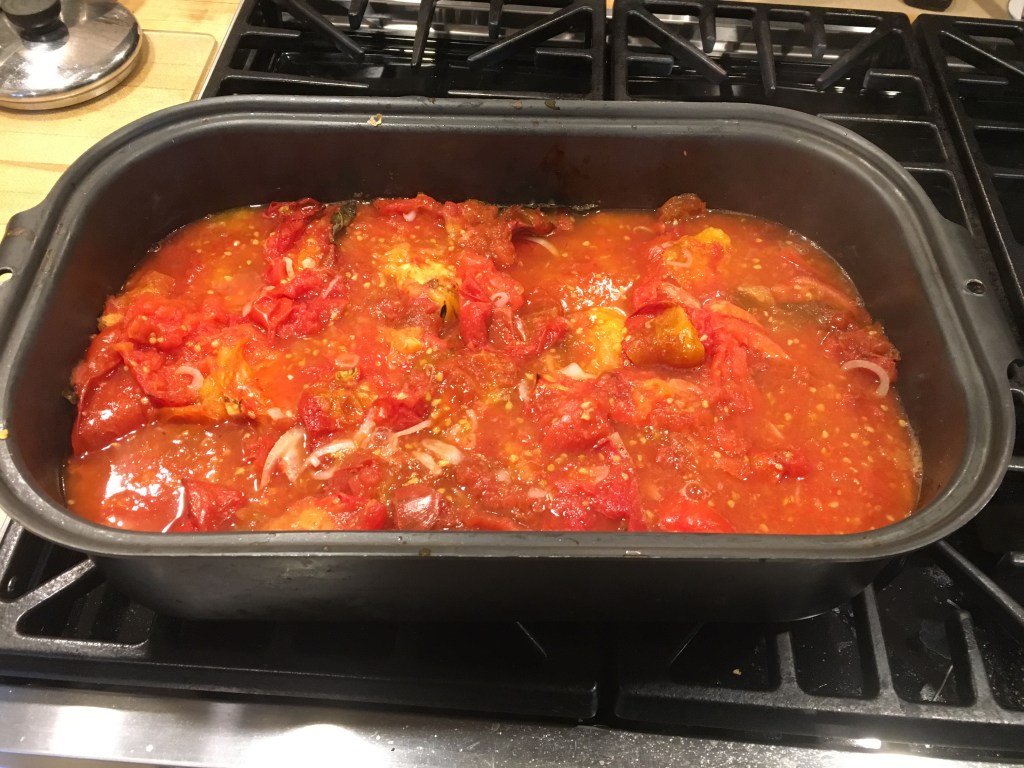
I found this recipe years ago from a magazine called This Organic Life and have adapted and used it ever since. Film a large roasting pan with olive oil and cut up about six pounds of tomatoes – this is a great time to use those that have blemishes or splits because you can simply cut that part away. Chop and add one or two cups of whatever vegetables are coming in at the time such as onions, carrots, zucchini, celery and Swiss chard.

If you plan to use a food mill, you don’t have to take out tomato cores. If you plan to use a food processor, core the tomatoes before cooking. I don’t peel or seed my tomatoes but you can also blanch and peel and/or seed the tomatoes if that’s your taste. Throw in several cloves of garlic, some sprigs of fresh thyme, oregano, basil, and parsley. Splash with balsamic vinegar and roast for about an hour. The sauce will cook down and lose a good bit of moisture, and the vegetables will start to caramelize. Run through a food mill, food processor, or simply put in a high-power blender. Salt and pepper to taste, and use immediately or freeze.

Vegetable Misfits

They may be ugly but they’ll taste wonderful

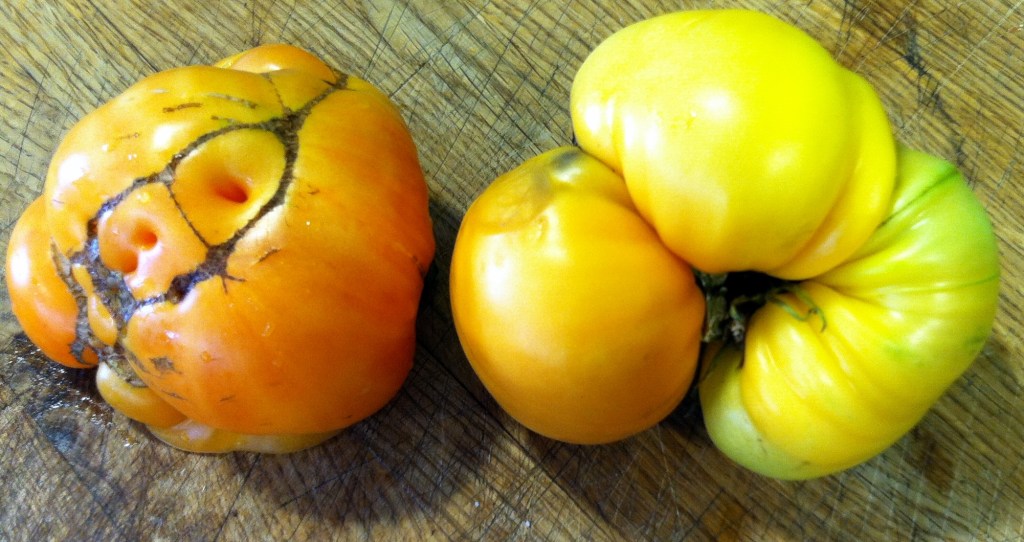
Let’s be honest – none of us is perfect. Including the vegetables we so carefully nurture in our gardens. But why should the forked carrot, the split beet or the knobby tomato be shunned in favor of their more perfect counterparts? 

The French started a national campaign several years ago called “The Inglourious Fruit.” It was a public relations campaign to get French citizens to slow food waste by purchasing and eating those fruits and vegetables that are not perfect. These were discounted in grocery stores and markets, and the campaign was a huge success. There are several companies in the US that do the same – ship not-so-perfect vegetables and fruits for a fee.

What a wonderful testament to humans – that we really do care about reducing food waste and feeding our bodies with healthy vegetables and fruits. I’ve made a promise to myself to try to use the oddballs in the garden and as much of every vegetable as I can.

While a chopped up tomato with the ugly parts removed may not make the best presentation, it still tastes just as good as a pristine heirloom. And face it, have you ever seen a perfect Brandywine tomato?

Use those misfits in sauce

Instead of discarding the chard leaves that have been somewhat chewed, I throw them in a bag in the freezer to add to a “glut” sauce or to make vegetable broth. I’ve seen recipes where cilantro stems, carrot tops, cucumber peelings can be pureed and frozen to use in soups in the winter. 

One of my favorite things to do at this lush time of year when produce is absolutely overwhelming is make “glut” sauce. I put whatever is coming in, especially those imperfect vegetables, into a large roaster with herbs and garlic and roast until everything is soft. It then gets pureed or milled pasta sauce or spaghetti sauce base. 

Here’s a great recipe to use those imperfect tomatoes and eggplants. And the recipe lends itself to whatever you have in the garden

Roasted eggplant and tomato soup

1 cup roasted eggplant (any type of eggplant, peel if the skin is tough)

1 cup roasted tomatoes

½ cup roasted onions

1-2 cloves roasted garlic

½ c. unsweetened coconut milk

½ c. vegetable or chicken stock

Salt and pepper to taste

Herbs of choice

You can put eggplant, tomatoes, onions and garlic in one roasting pan. Drizzle with olive and roast at 375 degrees until quite soft and beginning to caramelize. Mix all ingredients together and puree. Serve hot or cold. Drizzle with sriracha and a dollop of sour cream or plain yogurt if you choose.  

Simplicity in the Kitchen

I took a brief vacation from my blog but I’m back! And I’m in the thick of summer harvest, one of the most amazing times of the year. Every morning’s walk in the garden yields beans, tomatoes, cucumbers and onions. Garlic will be next and peppers are on the cusp of ripening. 

I spend much of my time in the kitchen simply grazing rather than planning and executing meals, but when I do actually plan a whole meal it tends to be as simple as possible. Blistered green beans, bruschetta with chopped tomatoes, garlic and basil, sauteed greens. 

Blistered Beans

I’ve written about keeping things as simple as possible many times before but it’s a subject near and dear to my heart. A simple recipe avoids the tyranny of a long list of ingredients and a long prep time. Nothing is more discouraging than looking at a tasty recipe and realizing it has 23 ingredients, many of which you’ll need to go out and buy. 

And this time of year, there’s certainly no lack of fresh, delicious ingredients. I do love to cook and am grateful to share that love with you. In the words of Michael Pollan, “Eat good food, not too much, mostly plants.” And don’t be afraid to play with your food. 

Although the kale is finished for now in my garden, Swiss chard and mustard greens are coming into their own. Check out my blog post from April of last year for a primer on growing greens. 

https://wordpress.com/post/katesgardenkitchen.com/854

Here’s a fresh, simple way to prepare all types of greens 

Saucy Greens

  • 1 small bunch of Swiss chard or other greens
  • 1 clove garlic, minced
  • ¼ c. onion, sliced
  • 1 T. olive oil
  • 1 T. balsamic vinegar
  • 1 t. Sugar 
  • Salt and pepper to taste
  • ½ c. chopped tomatoes
  • 2 T. sour cream or plain yogurt
  • 1 T. sriracha sauce if desired
  • 2 large eggs if desired

Rinse the greens liberally and remove tough stems. Stack the leaves and roll them into a “cigar” and slice thinly. Add garlic and onion to olive oil in a heavy pan and saute until tender. Add greens, vinegar and sugar and saute about 5 minutes until greens are tender. Turn off the heat and stir in tomatoes and sour cream or yogurt. Salt and pepper to taste. Put in individual bowls and drizzle with sriracha sauce. Top with a fried egg if desired. 

Sauteed greens with tomato

Garlic Scapes

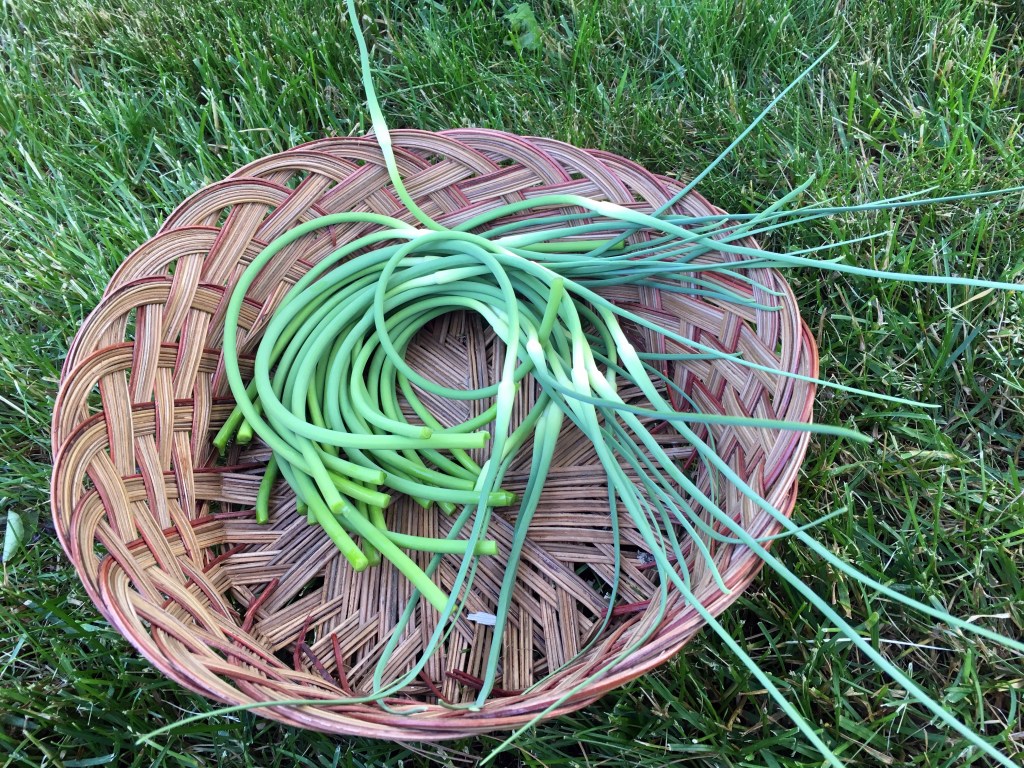
Ever wonder about those interesting curled shoots coming off the garlic plants? These are the lovely flower heads of the garlic bulbs. They are delicious and are actually a vegetable on their own as well as a mild garlic seasoning. Unlike the fiery flavor of garlic bulbs, they have a sweet flavor that is a mix of garlic, leek and onion, and a texture not unlike asparagus. 

Freshly harvested garlic scapes

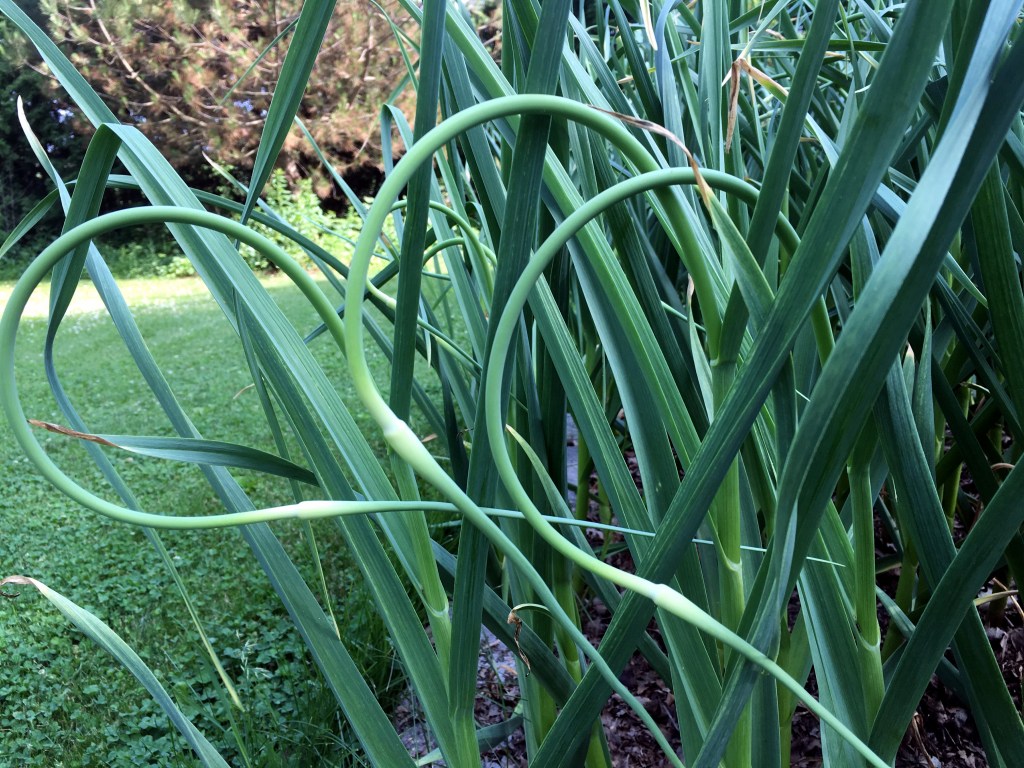
Scapes grow out of the center of hardneck garlic, usually starting in early June. It’s best to harvest them when they are young, usually right before they make a huge curl, as they tend to get tough the longer they stay on the plant. 

You will be doing the garlic a favor by pinching out the scapes since leaving them on the plant reduces the size of the garlic bulb below and makes the bulbs less storable.

Garlic scapes ready to pick

Check out farmers’ markets

Scapes are available at farmers’ markets now and will probably be around a couple more weeks. They store quite well in the refrigerator so when you find them, pick up a few and give them a try. They are delicious grilled or chopped fresh for a salad, frittata or stir fry. Or, blend them into hummus or pesto, or puree them and mix into softened sweet butter for a delectable dressing for sweet corn. They are also scrumptious when pickled. 

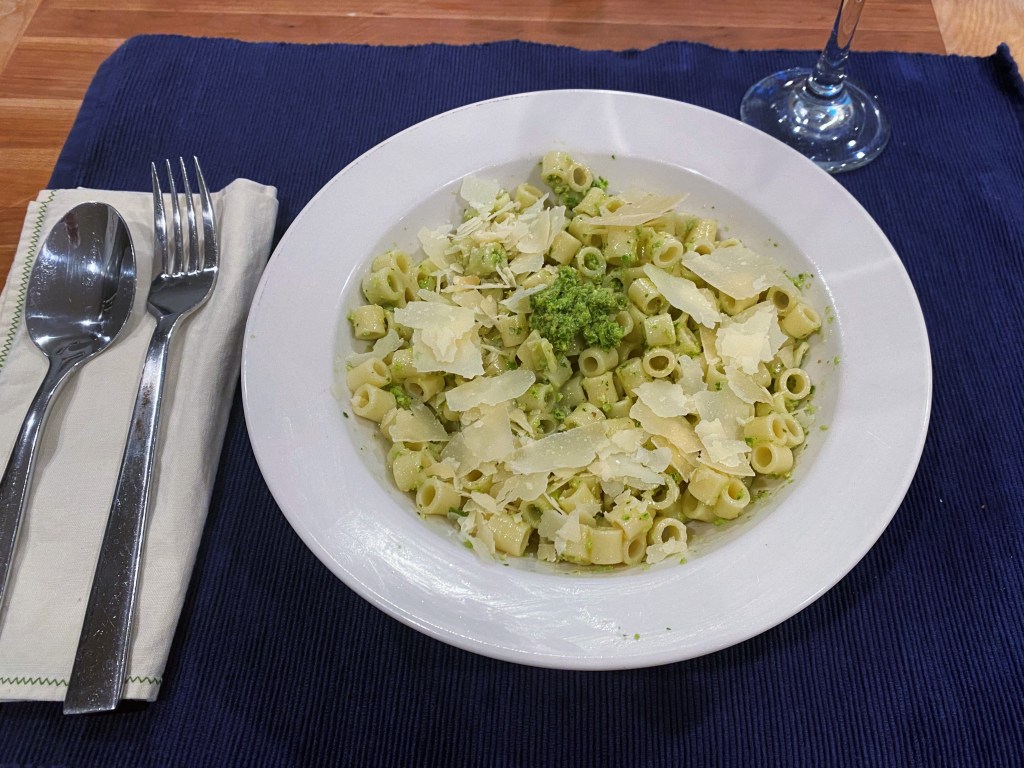
Garlic scape, lemon verbena pesto

Garlic Scape Pesto

½ c. garlic scapes

2 c. fresh basil leaves, oregano, parsley, lemon balm or any combination you desire

¼ c. nuts (pine, walnut, pecans)

1 ½ t. salt

¼ t. pepper

½ cup olive oil

3 oz. Parmesan

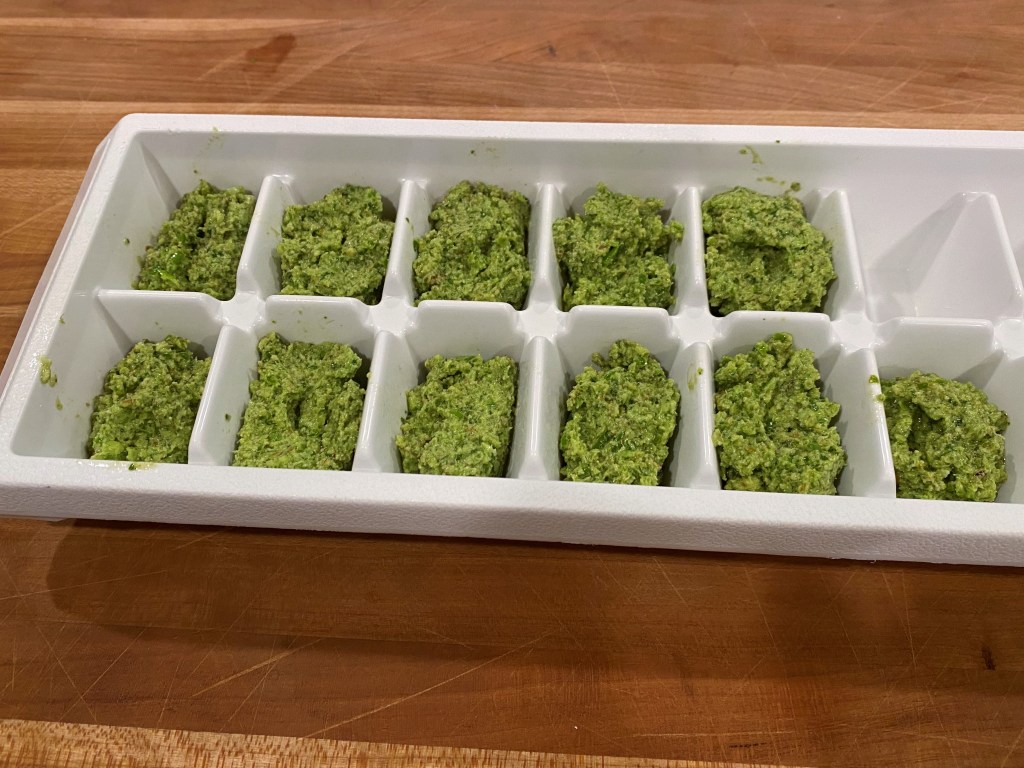
Combine all ingredients except oil and cheese in blender or processor. Add half the oil. Process while adding the rest of the oil. Stir in cheese and toss with hot cooked pasta or rice. If you have plenty of scapes, consider making the pesto and freezing it in ice cube trays or flat in a freezer bag. Leave out the cheese until ready to use. You can simply break off a piece for a quick lunch. 

Garlic scape pesto ready for the freezer

Bean soup

Bean soup made with adzuki beans

I always keep canned beans in my pantry. And, now that I have an instant pot, I’m gaining confidence in cooking them from scratch as well. Before the instant pot, my favorite thing to do was put on a pot of beans and promptly burn them since they have to cook so long. Lost a lot of good pots that way.

Another dirty little secret is that I have dribs and drabs of leftover vegetables, meats and grains in bags in the freezer. I cannot stand to waste food, so if there’s a little bit left, I’ll freeze it for use in soup later. Labeled of course.

Anything goes

The great thing about soup is that you can add simply anything to it and have unique flavors. Leftover bits of chicken or turkey with white beans and noodles make a great soup. Add some swiss chard or spinach, a can of chopped tomatoes and it turns into something different. As vegetables start coming in from the markets and our gardens, change up your soup accordingly. If hot soup isn’t appealing in the summer, remember that adding chiles will make you sweat, cooling you off. And, try bean soups cold!

Start with broth

The basic recipe for a soup is to start with good vegetable, chicken or beef broth. You can make an even richer soup with bone broth. Use store- bought if you don’t have time to make your own – you’ll still get a wonderful pot of soup (no guilt!). Saute some onion and garlic in a bit of broth or olive oil to get your flavor started. 

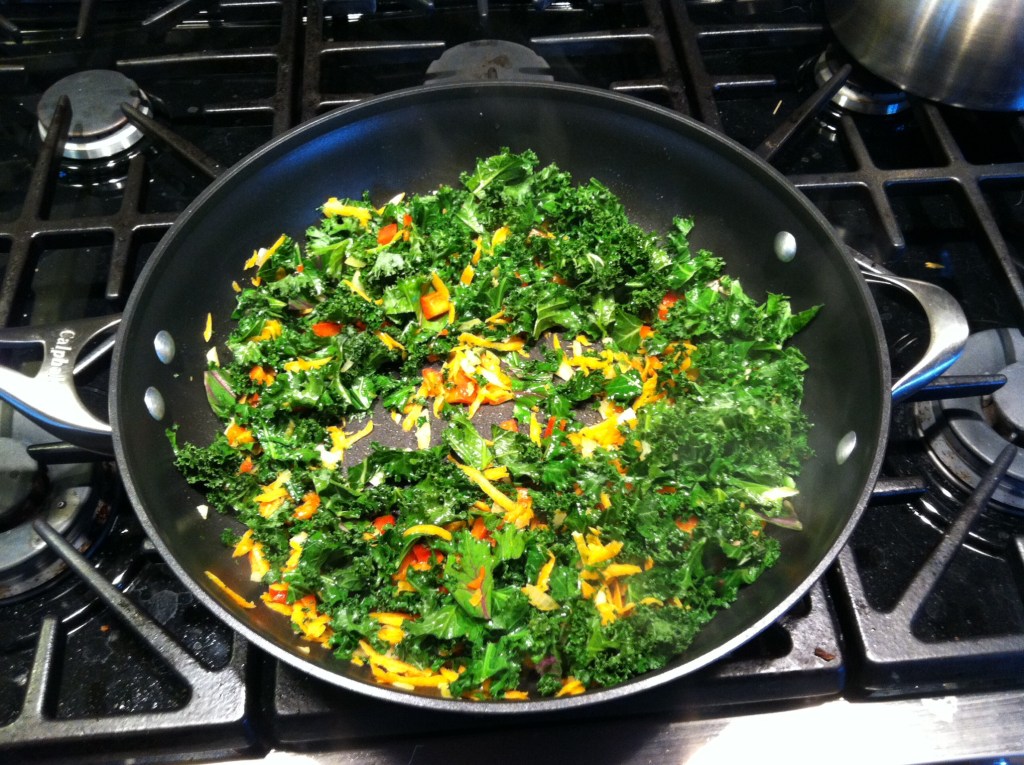
Sauteeing kale with carrots and peppers

Add protein and grain

Then add a protein like black beans, garbanzos, canellini or kidney beans. Use leftovers from a roasted chicken (again, store bought roasted chicken is good), leftover Thanksgiving turkey (you know you have some, somewhere in the freezer), tempeh or tofu. If you want to use cheese, add it at the very end. 

Next, add a cooked grain like brown or white rice, farro, quinoa, or a pasta such as egg noodles, farfalle, linguini or orzo. Whole wheat pastas which may not be as palatable for spaghetti are hearty and delicious in soup.

The best part – vegetables

Then comes the best part – the vegetables. Add whatever you have in the fridge or freezer – cabbage, corn, peppers, spinach, broccoli, carrots, kale, Swiss chard, cauliflower or zucchini. The vegetable combinations can vary depending on the flavor you want. 

Season according to the flavor you desire. For Mediterranean, use thyme, oregano, a pinch of sage and basil. For Mexican, cumin and chili powder give it a kick. For Italian, use oregano, basil and smoked paprika. 

Although you really don’t need a recipe to make a great bean soup, here’s a start on a Mexican bean soup: 

Recipe for Bean soup

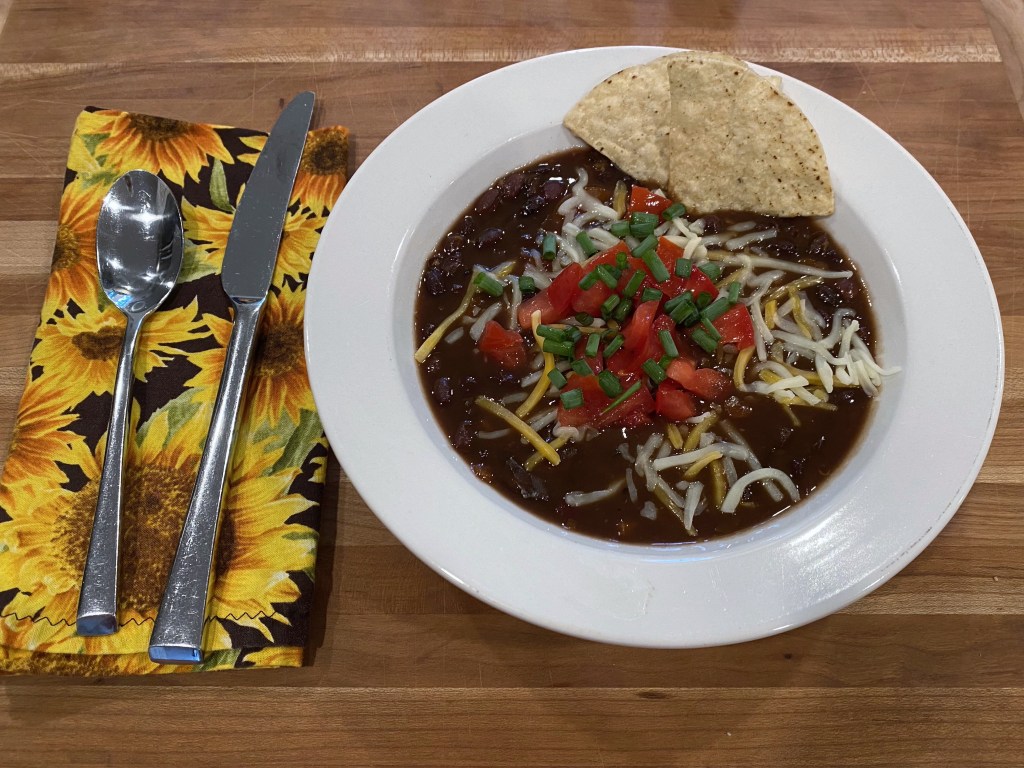
Black bean soup

2 cups broth

1 large clove garlic, minced

½ spanish onion, chopped 

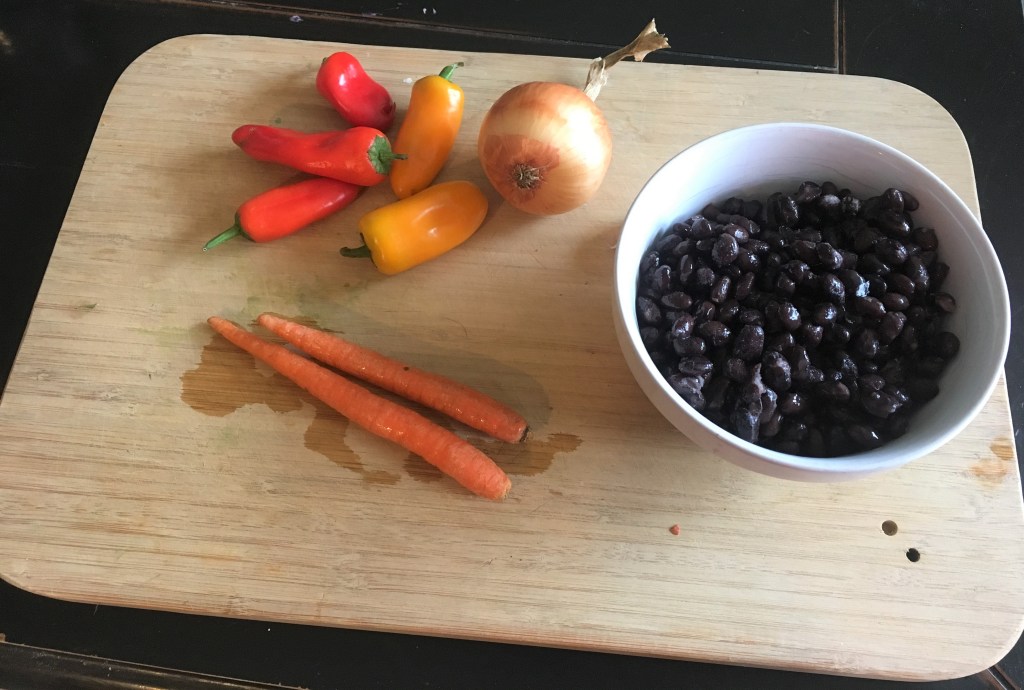
1-2 cups black beans, rinsed and drained if using canned

½ bag frozen corn

½ cup chopped sweet peppers

¼ chopped chili peppers

½ c. diced carrots

½ t. smoked or regular cumin

½ t. chili powder

Saute garlic and onion in two tablespoons of broth for about a minute. Add peppers, carrots and corn and saute for another minute. Add beans and seasonings and simmer for about 45 minutes. Salt and pepper to taste, and serve hot with a dollop of sour cream or plain yogurt and a splash of sriracha if you like more heat. 

Aromatherapy

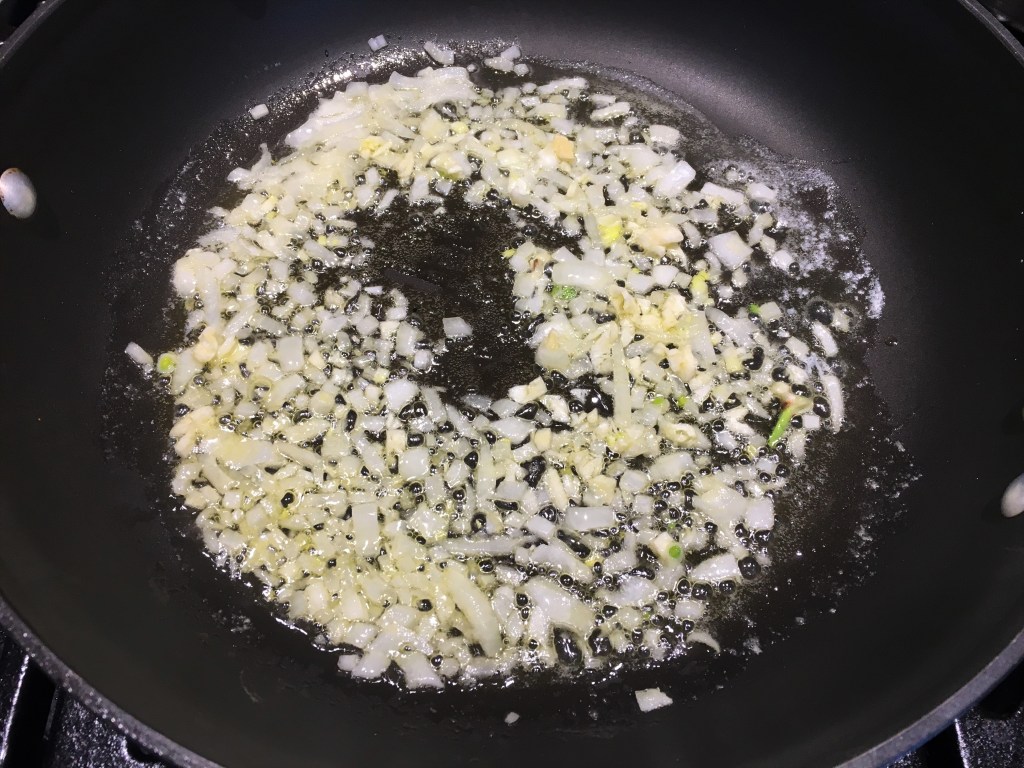
Sauteeing onions in butter

You can certainly have your lavender (I love it too) and your patchouli. But when I need scent to make me feel better, I turn to the kitchen. There is nothing as uplifting as the aroma of sauteeing onions in butter. It smells delicious and reminds me of happy times in my grandmother’s and mother’s kitchens. It is the great beginning for just about anything savory and tongue pleasing.

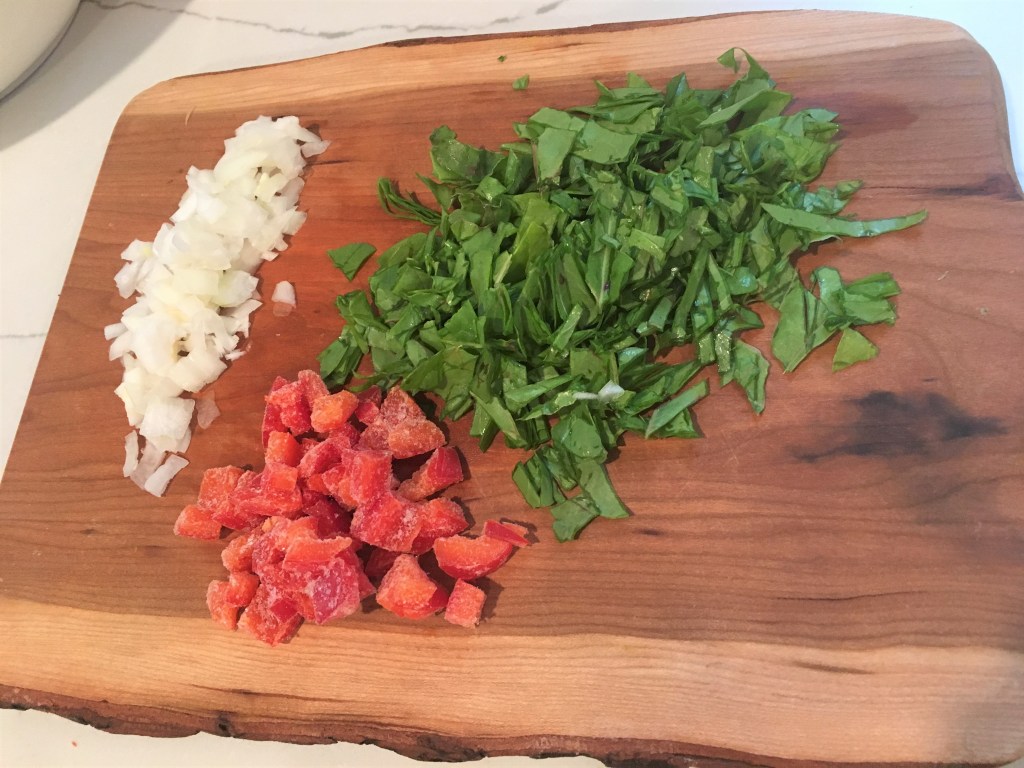
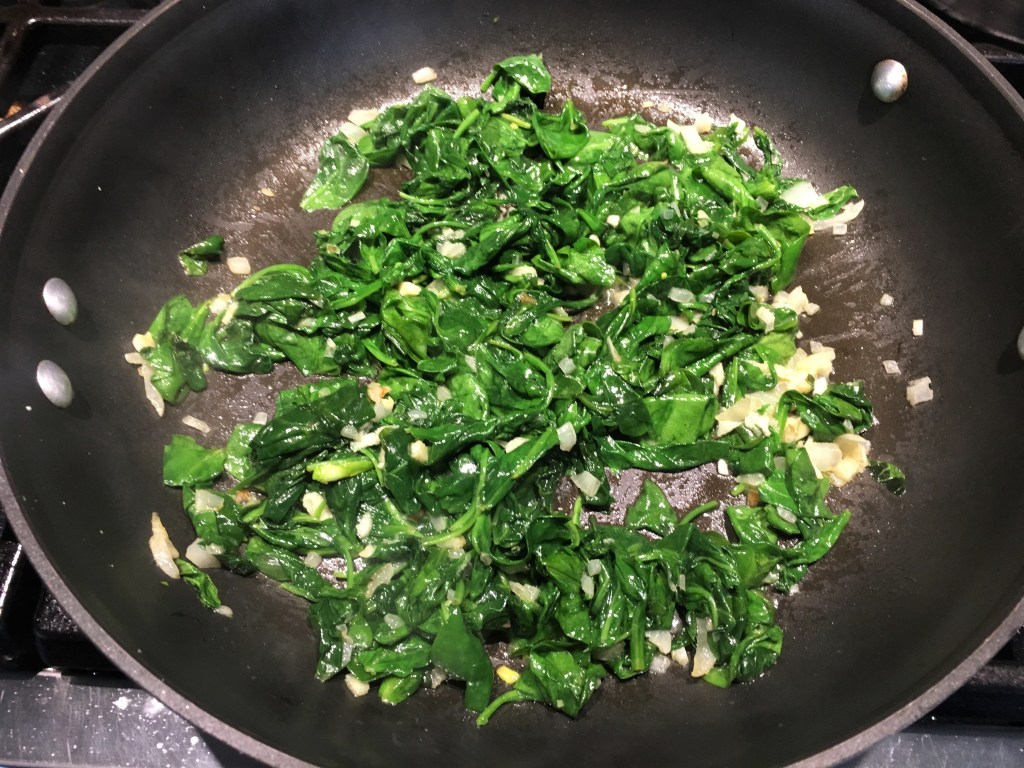
Spinach with onions

Minced onion and garlic sauteed in a little olive oil and a touch of butter brings a simple green like spinach to something sublime. This is a wonderful dish all by itself, but can also be added to soups, stews, risotto, eggs………only limited by imagination.

One of my favorite breakfasts:

Spinach and Avocado Toast

(called tartine if you want to be fancy – a tartine is a slice of bread with a sweet or savory topping.

1 medium bunch spinach, coarsely chopped

¼ onion, chopped finely

1 T. olive oil

Salt and pepper to taste

2 slices whole grain bread

Grainy brown mustard

2 oz. your choice of cheese

½ avocado (optional)

spinach toast with avocado and sriracha sauce

Sriracha (optional)

Saute onion and spinach in olive oil until the spinach wilts. Salt and pepper to taste.  Toast bread, spread with mustard and pile on spinach and avocado if using. Top with cheese. Broil until cheese melts.

Bean Dip (and traditional Hummus)

Have you ever been to a potluck or party where bean dip or hummus was not standard fare? Kick these healthful dips up a notch by adding all manner of vegetables and seasonings – a great chance to use your imagination. 

Serve traditional hummus in non-traditional ways

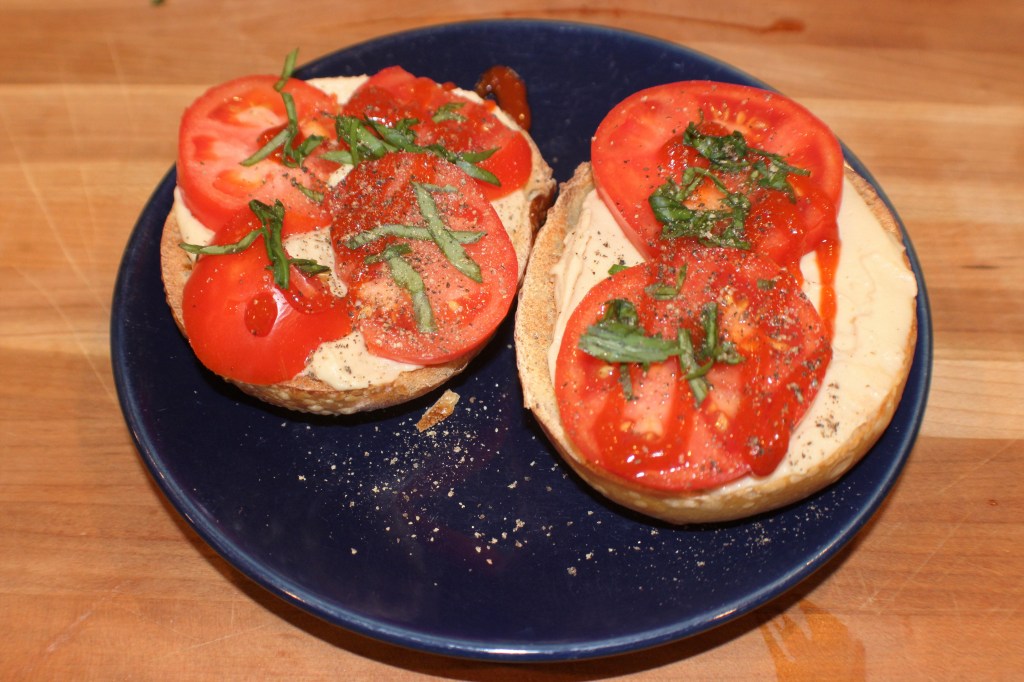
Traditional hummus is made with chickpeas and tahini, but you can make a delectable spread or dip with absolutely any type of bean and just about anything added to it. Vary your recipe with seasonings as well as what you serve it on. Try it spread on toasted baguette slices, topped with chopped tomatoes, garlic and basil as a riff on bruschetta. Or simply try it on a sandwich in place of mayonnaise. Delectable!

If you’re willing to experiment: 

If you’re willing to experiment!

Puree 2 cups cooked garbanzos, cannelini beans, even black-eyed peas. You can use tahini or any other type of butter such as almond, walnut or pecan butter. Peanut butter makes it a bit strong, but still good. Add roasted peppers, cooked pumpkin, spinach, chard and season with garlic, cilantro, parsley or thyme. Season with sriracha, chipotle tabasco or other pepper for a kick. Leave it somewhat chunky or puree until smooth, according to your taste.

The basic recipe for hummus (substitute at will!):

1 can chickpeas, rinsed and drained or 2 cups freshly cooked

1/2 c. tahini

1 T. lime juice

1 t. cumin

1 clove garlic

1/4 t. cayenne

Olive oil

Salt to taste

Blend all but the olive oil. Gradually add enough olive oil to make it creamy but not runny. Season with salt to taste. Refrigerate for the flavors to blend. Serve at room temperature with toasted pita chips, pretzels or sliced cucumbers, peppers aand carrot sticks. 

Other combinations:

Black beans with sour cream, cumin, garlic and chopped chipotle chiles in adobo. Serve with tortilla chips or toasted corn tortilla wedges

White beans with almond butter, roasted peppers, roasted garlic. Serve with pita chips or toasted baguette slices.

Black-eyed peas with crumbled crisp bacon, sweet onion and sweet peppers. Serve with cornbread squares

To traditional hummus, add chopped roasted red peppers, a couple of tablespoons of cooked pumpkin or butternut squash or sun dried tomatoes.

Homemade Vegetable Stock

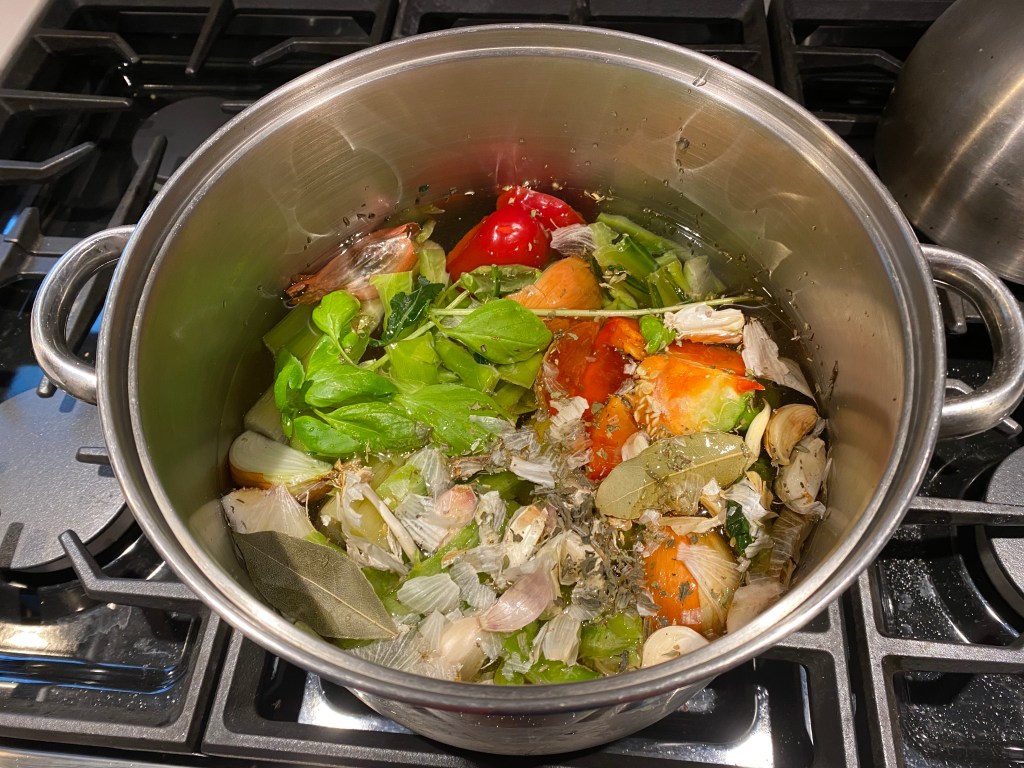
Vegetable trimmings for stock

Almost every recipe you see needs broth or stock of one sort or another. And, before you decide to just add water, think first – stock adds a nuance of flavor that you might not even know you’ll miss. 

Vegetable stock makes a big difference in flavor

Of course, when making hearty soups, stews and chili with vegetables, beans and other ingredients that give their own rich flavor, it may not be necessary to use stock for extra flavor. But when cooking rice or grains, the addition of flavored liquid can make the difference between bland and dynamite.

Use carrot tops and tips

There are all sorts of broth and stock available commercially these days, from standard chicken to organic vegetable to the richest bone broths (many are even flavored with garlic, peppers, onions and paprika).

Make your own stock

Although they certainly do in a pinch and I always try to have some in my pantry, homemade stocks are far and away better. Not only because you know what’s in them, but because the flavor is superior and you can control the salt. 

Onions are essential to a good broth

Keep a bag of vegetable trimmings in the freezer

It may seem a bit miserly but I’ve gotten in the habit of saving all my vegetable trimmings. I keep a bag in the freezer and toss in, after washing well, the leftovers from onions, shallots, celery, carrots, broccoli, mushrooms, etc. It’s important that you wash the peelings before freezing them so you can simply put them in the pot when the time comes. 

Add cheese rind and mushrooms for more flavor

When I have a full bag and a day when I’ll be home for at least half a day, I toss them in a large stock pot and add garlic, bay leaf and other herbs I happen to have. The pièce d ‘resistance is to toss in a Parmesan rind to boost the umami flavor. Mushrooms also provide this flavor. You can adjust the flavors however you like with herbs and the vegetables you choose. 

Fill the pot, covering the vegetables and turn on low. There’s no need to salt the stock – you can get a better feel for salt levels when you actually use it in a dish. Let the pot simmer and fill your kitchen with a delightful aroma for the day. After four or five hours, strain the stock and refrigerate or freeze. I find it easiest to freeze it in one cup measures since I don’t always need more than that. 

Dilled rice with homemade vegetable stock

Dilled Rice

1 c. brown rice

2 c. vegetable stock

1 large clove garlic

1 t. dill seeds or 1 T. dried dill or 3 T. finely chopped fresh dill

1 t. salt

Crush the garlic clove along with the dill and salt until you have a paste. A mortar and pestle is great for this but you can also just use the flat side of a knife. Add the paste to the stock and bring to a boil. Stir in the rice, reduce the heat to very low and cover. Cook about 45-55 minutes. When the liquid is all absorbed, fluff the rice and serve by itself as a side dish or under stir-fried vegetables.