Creamy tomato bisque to warm your autumn nights

Having spent two weeks in Maine this past summer, I’m sort of overwhelmed with lobster. I like it, but not in the traditional sense. My favorite lobster dish is lobster bisque. In fact, I like just about any type of bisque. As the days cool and we roll into autumn, it’s the perfect time for soups.

Lobster bisque

Soups with clear broths are certainly tasty, but I lean toward the creaminess of bisques to satisfy my hunger and my need for warmth. A bisque is simply a creamy soup, most often pureed. However, some bisques have bits of lobster, crab, or tomatoes. As a cream soup gets chunky, you are moving toward the chowder end of the soup scale. Chowders usually start with a butter and milk roux, which makes them heavier.
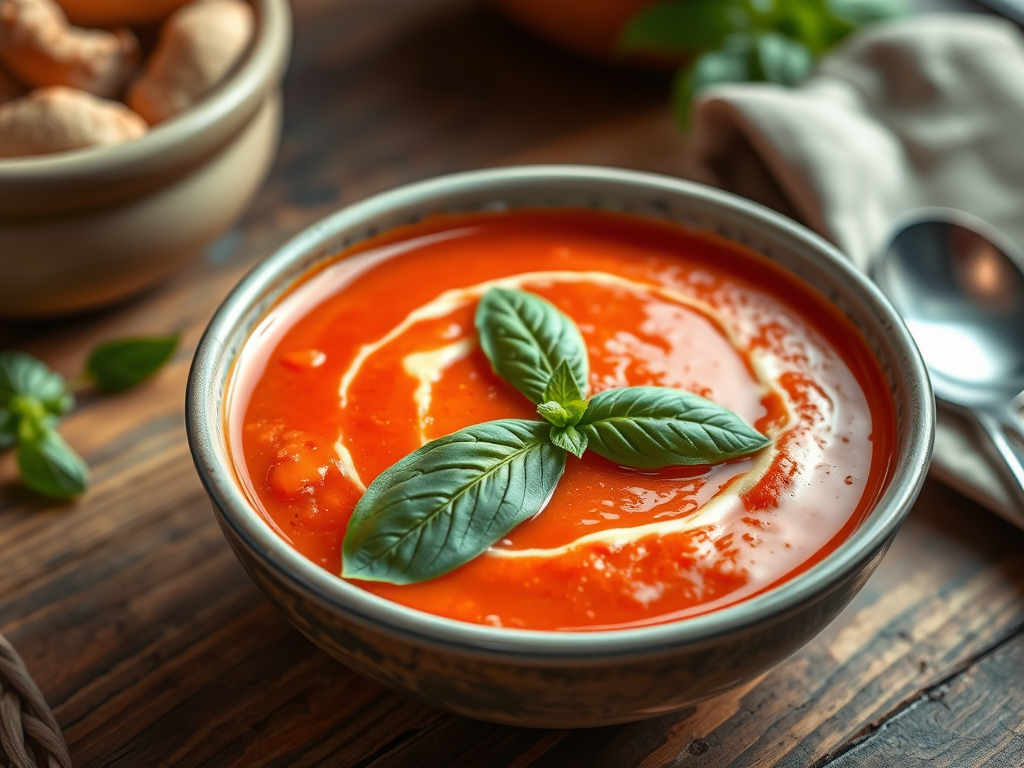
Tomato Bisque

I think my favorite bisque is tomato basil bisque. A lot of restaurants carry it and many grocery store delis now have it. But it’s so easy to make, especially if you use your own home-canned tomatoes. So, warm up the soup pot and make a delicious tomato bisque for dinner.

Pumpkin bisque

You can also make a lovely pumpkin bisque by substituting the vegetables with about two cups of cooked pumpkin. Add cinnamon if you like the taste. Crispy fried sage leaves on top give it a wonderful depth.

Tomato Bisque

Serves 4

10 roma tomatoes, quartered, or 2 pint jars of home-canned tomatoes or 2 cans chopped tomatoes
2 cloves garlic
1 sweet pepper, roasted and peeled
2 carrots cut into 2” pieces
1 cup stock
4-5 leaves fresh basil, minced
½ cup half and half, heavy cream or evaporated non-fat milk if you want to reduce calores.

Roast tomatoes, garlic, carrots and peppers about half an hour at 375 until carrots are tender when pierced with a fork. (Any mix of vegetables will work, but make the base of tomatoes)

When cool, puree with a hand blender. Add stock (vegetable or chicken), herbs to season, and heat until simmering. Turn off the heat and add cream to make it creamy. Heat very gently, or it will curdle. Top with garlic croutons and serve with warm crusty bread and a fresh salad.

Make it Easy

I’ll admit that as much as I love to cook, there are plenty of times when I’m just too exhausted to spend the energy to figure out what to cook, find a recipe and gather ingredients. But I have to eat.

I hope to provide simple recipes that avoid the tyranny of long lists of ingredients and extended prep times. Nothing is more discouraging than looking at a tasty recipe and realizing that it has 23 ingredients, many of which you’ll need to go out and buy. Five ingredients make a much less daunting proposal.

You may be an expert cook who is comfortable in the kitchen and can improvise on most recipes. But most of us are novices in some way, so my recipes are basic, with only a few ingredients. Then you can add whatever you have on hand.

Here are a few suggestions for quick meals that are as simple as possible.

–Saute whatever vegetables you have in the fridge (even lettuce) and toss into scrambled eggs with cottage cheese. My faves are shredded cabbage and leftover mashed potatoes.

–Toss chopped vegetables (tomatoes, broccoli, garlic, onions, carrots, zucchini…) with olive oil and roast in a 375 oven until tender and a bit caramelized. Season to taste (garlic powder, Italian seasoning, harissa, etc.). Add to hot pasta with parmesan.

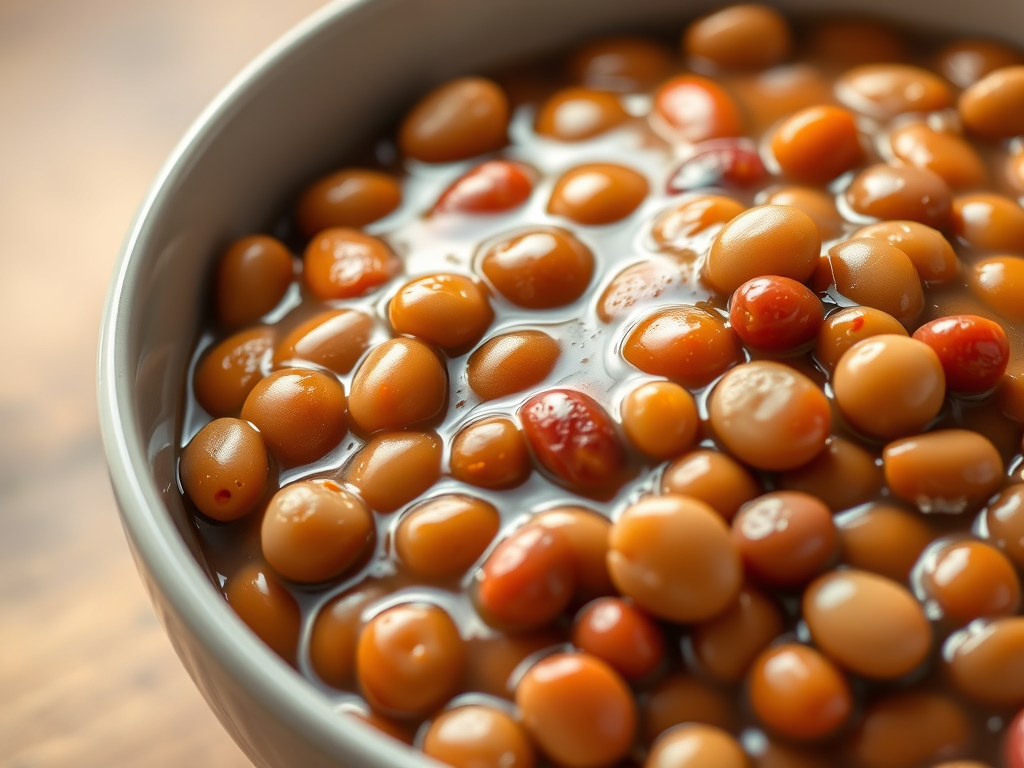
–Open a can of black or pinto beans and add to a medium saucepan (with some of the bean liquid). Season to taste with garlic powder, onion powder, cumin, and heat gently. Mash the beans and spread on tortilla chips, sprinkle with grated cheese and broil until the cheese melts. Instant nachos with extra protein. Serve with salsa, chopped tomatoes, lettuce and whatever else sounds good.

–Green beans – as soon as you get home from the market, top and tail them and cook for 5 minutes in boiling salted water. Then, when you want to eat them for dinner, blister them with minced garlic by sauteeing them in a hot pan filmed with olive oil – only 5 minutes. Serve as a side or add to cooked rice for a main dish.

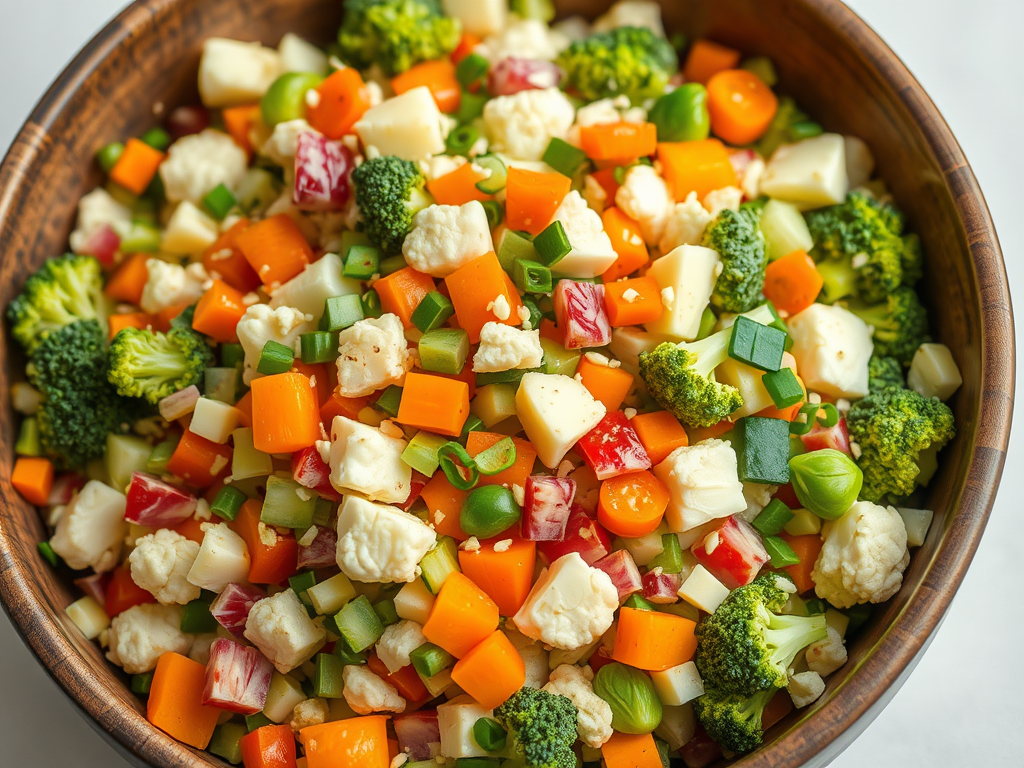
–Chopped salad – make a base of finely chopped vegetables – broccoli, cauliflower, brussels sprouts, sweet peppers, carrot – any vegetables that will hold up for a few days. Don’t dress until ready to eat. Add ephemeral vegetables like cucumbers and tomatoes at the last minute to keep them fresh.

–Cabbage – keeps a long time so keep one on hand and you have an instant salad by slicing it thinly and dressing it with a vinaigrette.

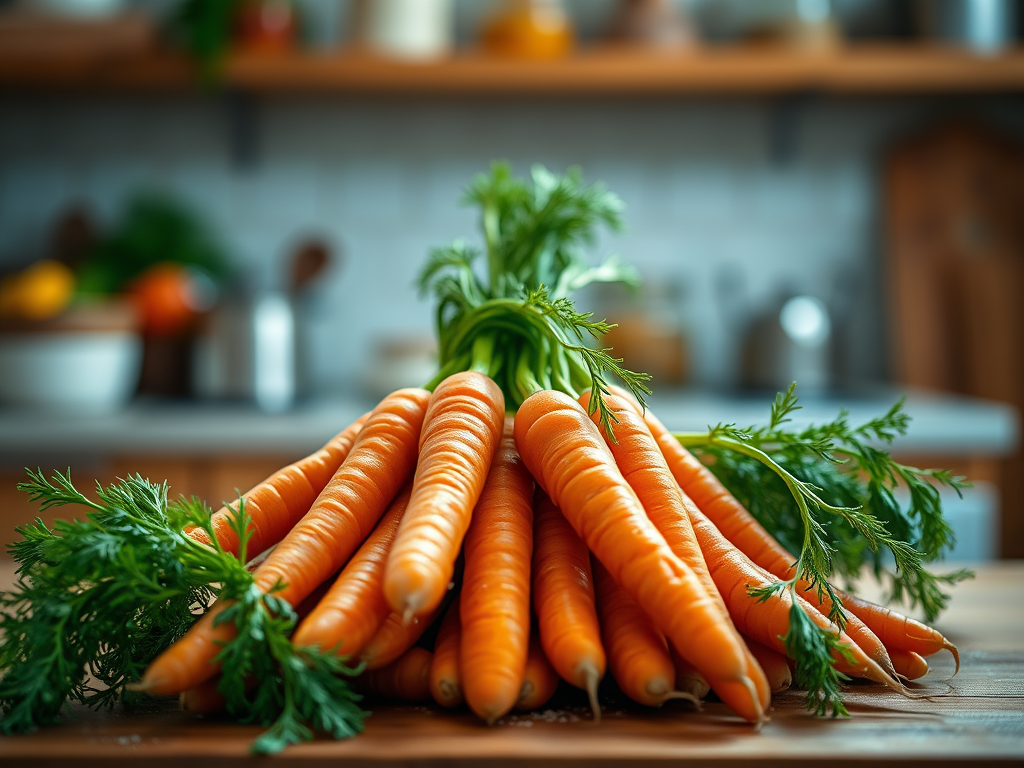
–Carrots – also keep a long time and are delicious for snacking or lightly steamed or roasted. Mix with cooked rice for a delicious side dish.

–Fast noodles – keep ramen on hand and cook according to the package (without the flavor packet). They take about 3 minutes. Add absolutely anything to them for an instant meal. Roasted vegetables, leftover protein of any kind, cheese, scrambled egg. You can dress them with miso, soy or hoisin sauce for an Asian take. Add shredded carrots, chopped celery and shredded bok choy.

Potato Leek Soup with fresh Sorrel

We know that fall is the traditional leek season, so I picked up a bunch at the farmers’ market this week and decided to make potato leek soup, one of my favorites. And for a riff on the traditional, I decided to give it a lemony freshness with sorrel. I realize sorrel is usually considered a spring vegetable/herb since it makes such an early appearance when we’re so hungry for fresh greens. But mine is spectacular right now. It was ravaged as usual in summer, but the new leaves are large and lush because of the fall coolness. 

The idea wasn’t an original. I took inspiration from Marian Morash in The Victory Garden Cookbook, published in 1982. Remember the PBS show The Victory Garden with James Underwood Crockett? It was a Saturday morning staple, especially because Marian Morash always cooked something directly from the garden. That show and Organic Gardening Magazine still put me in a nostalgic haze. They helped make me who I am today.  

When I couldn’t find a good recipe to use sorrel (other than my sorrel sauce for salmon), I looked to Marian’s cookbook for ideas. Here is her basic recipe, with a few tweaks of my own. I have reduced amounts to make soup for two. 

  • 2 good-sized russet potatoes
  • about ten sorrel leaves
  • 1 T. butter
  • ½ c. chopped leeks (one or two, depending on size; white parts only)
  • 2 cloves garlic, minced
  • 2 c. chicken or vegetable broth
  • Lemon juice
  • Salt and pepper
  • ½ c. evaporated milk or buttermilk 

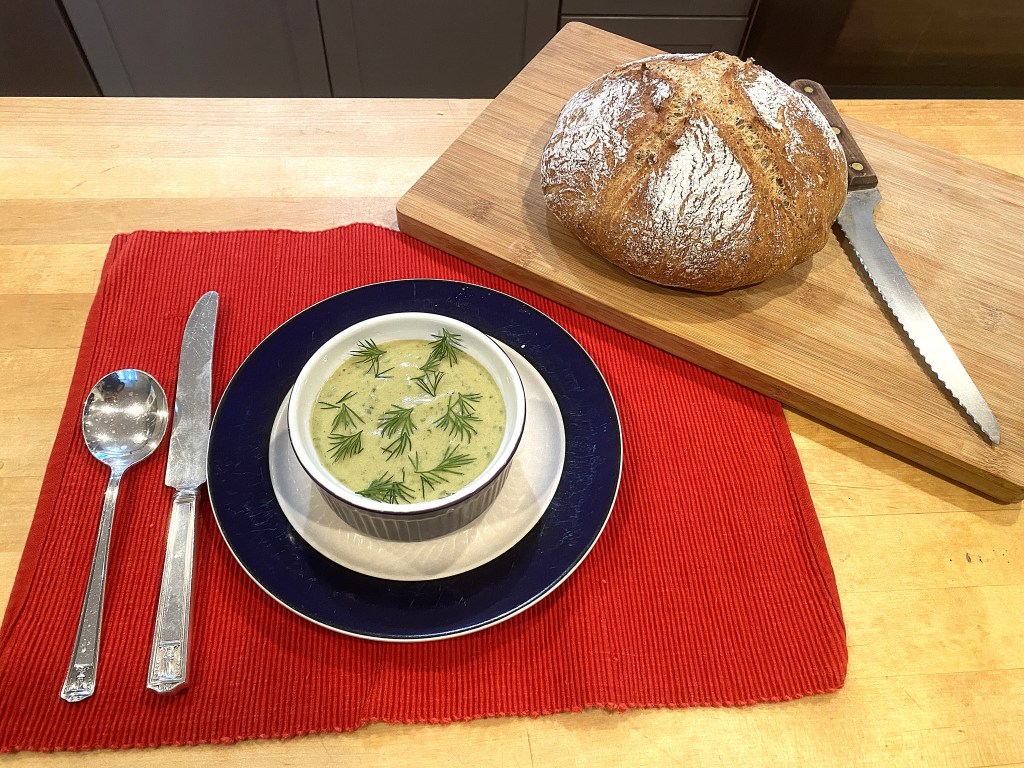
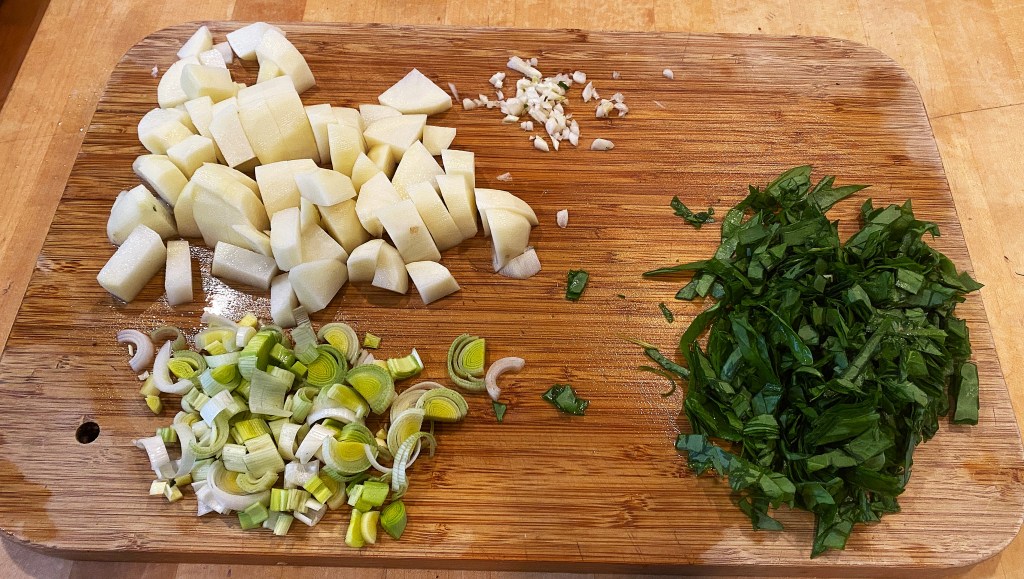
Peel and roughly chop the potatoes. Wash the sorrel and remove the ribs and stems. Chop. Melt the butter and saute the leeks and garlic over gentle heat until soft. Cook the potatoes and half of the sorrel in chicken broth until the potatoes are fork-tender (about 20 minutes). Add the leeks and garlic, and puree. Return to the pan and season to taste. Stir in the remaining sorrel and milk or buttermilk and heat gently. Serve either hot or chilled. My dill is going crazy so it’s a perfect garnish. 

https://www.facebook.com/kitchenandgardenmagic

Helene and Vegetable Bean Chili

I live in Asheville. We survived and are coping. Hurricane Helene caused untold damage and suffering, with many, many houses damaged in our neighborhood by falling trees and inundating rain. But we are Asheville strong and will recover and rebuild.

Being in a situation without power, water or communication certainly makes one take stock of what is important. We scrambled for candles and lanterns, potable and flushing water, and gas to run generators. We frantically tried to cook everything in our freezer as it thawed (I am lucky to have a gas stove we could light with matches). As we handed food out to neighbors and hosted neighborhood dinners, I decided never to let my freezer get that full again. I love to put food by, but the food I lost was such a huge waste.

The community spirit certainly lives on, and our neighborhood, which came together to help each other through the last month, is having an outdoor chili supper tonight. We will all bring food, be grateful for the electricity to plug in the slow cookers, and happily drink our bottled water (no potable water available yet, and probably not for another month).

It’s to be a cool evening, perfect for chili, and there will be a myriad of chili flavors for all to sample as well as plentiful sides and delicious desserts. Most of all, it’s a chance to check in again with neighbors and friends to see just how everyone is doing.

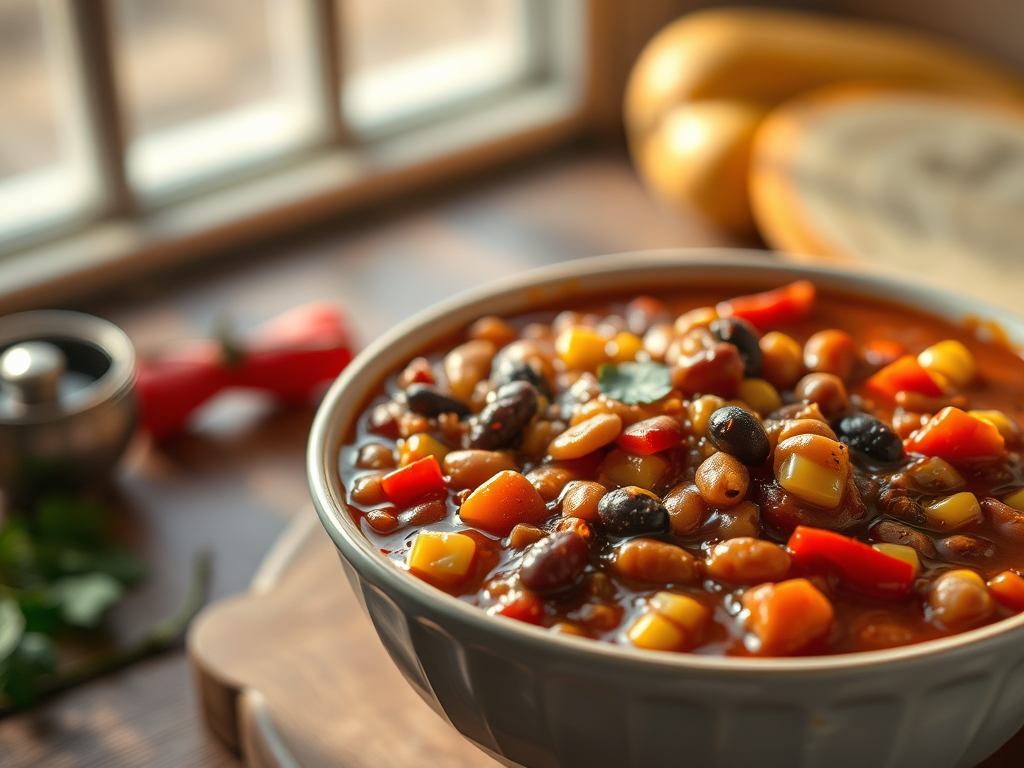
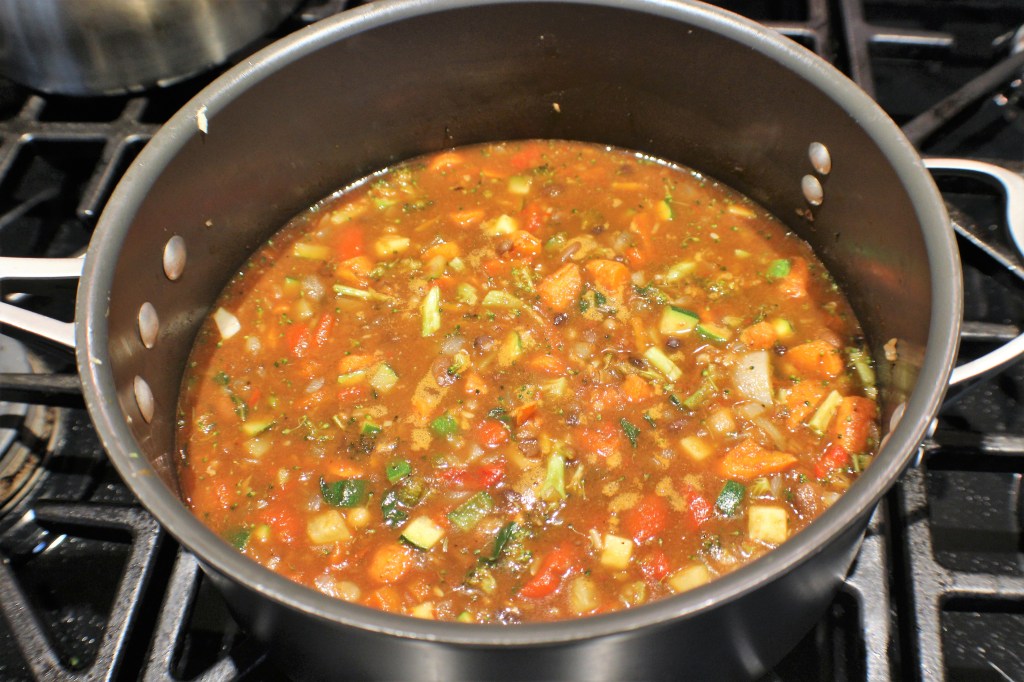
I’m taking vegetable chili, full of vegetables, beans and most of all, tummy-warming flavor. You can put anything you like in this chili and it will keep a week in the fridge and in the freezer for three months. This recipe serves 4-6 and is easily doubled for your own neighborhood chili supper. It’s a great slow-cooker meal.

olive oil for sauteing
1 medium onion, chopped
1 can chopped green chilis
2 medium carrots, chopped
2 ribs celery, chopped
1 large sweet potato, peeled if you like, chopped
4-6 cloves garlic, minced
2 T. chili powder of choice (I like a combo of regular chili powder and chipotle chili powder
2 t. ground cumin
1 ½ t. smoked paprika
2 15 oz. cans diced tomatoes, with juice
2 15 oz. cans black beans (I don’t drain and rinse – the juice adds flavor)
1 15 oz. cans pinto beans (see above)
2 c. vegetable broth or water
1 to 2 t. cider vinegar (brightens the flavor)

Garnishes: chopped cilantro, sliced avocado, tortilla chips, sour cream, grated cheddar or jack cheese

Warm the olive oil until shimmering in a large heavy-bottomed pot over medium heat. Add the onion, chiles, carrot, celery and a few shakes of salt. Saute until the vegetables are tender and the onion is translucent, 7 to 10 minutes. Add the garlic and spices and cook until fragrant stirring constantly, about 1 minute.

Add the tomatoes and their juice, beans and broth or water. Bring to a simmer and cook for about 30 minutes or put into the slow cooker on medium for about three hours. At this point check for salt. If you used unsalted beans, it will definitely need salt. Before serving you can remove a third and blend it to make a thicker chili if you like. Garnish to taste.

Vegetable Triage (Tomato Glut Sauce)

This time of year brings so many good vegetables, whether through a CSA box every week with more than you can possibly eat or a garden that is inundating your fridge. Or even friends offer extras from their own gardens. How do you avoid wasting all this goodness as well as stock yourself up for the winter months?

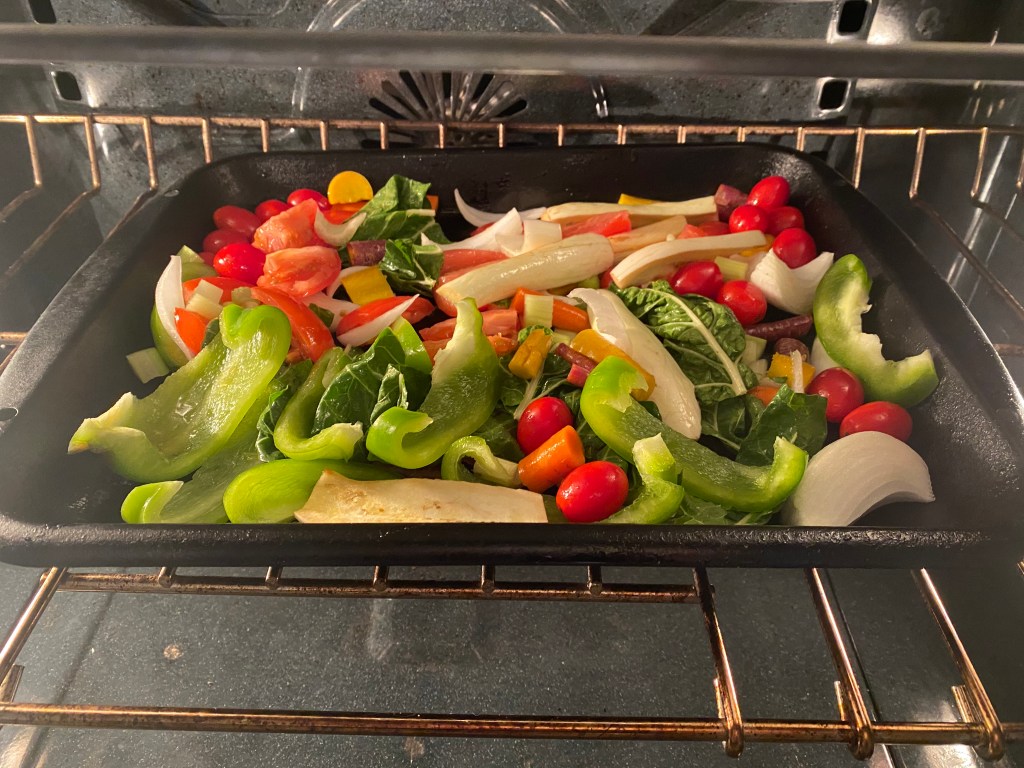
My answer is to roast! Whenever I have loads of extra chard, mushrooms, leeks, onions, zucchini and eggplant, instead of succumbing to feeling overwhelmed, I toss them all into a roasting pan.

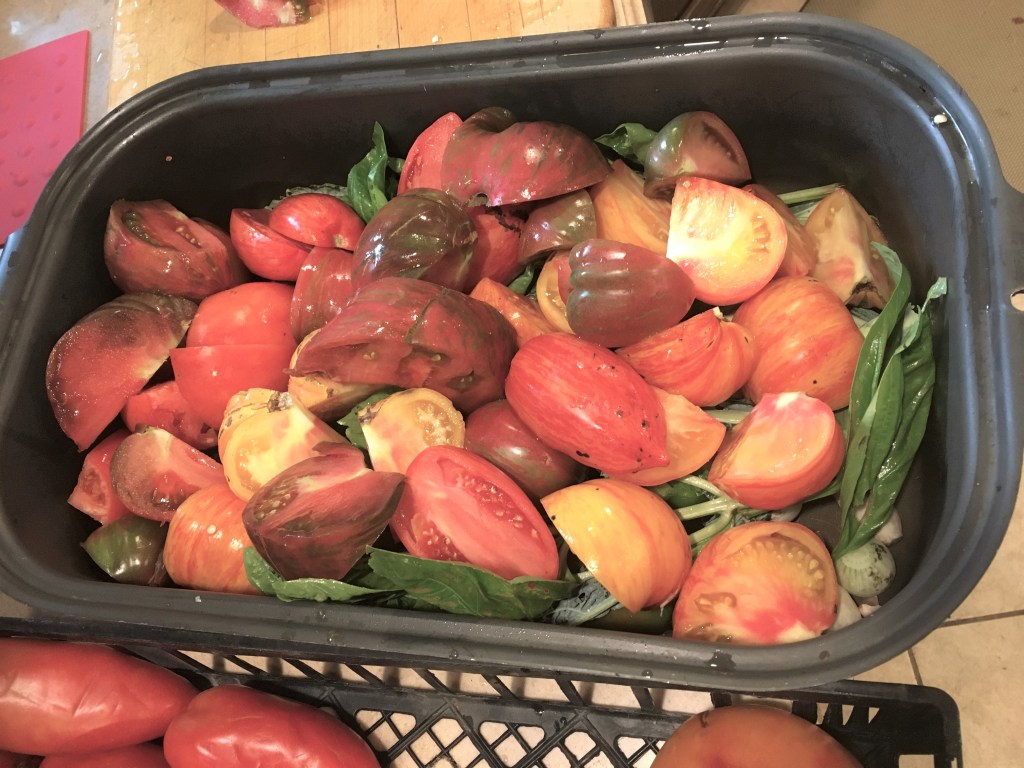
Red and yellow tomatoes, onions and garlic

Make delicious soup

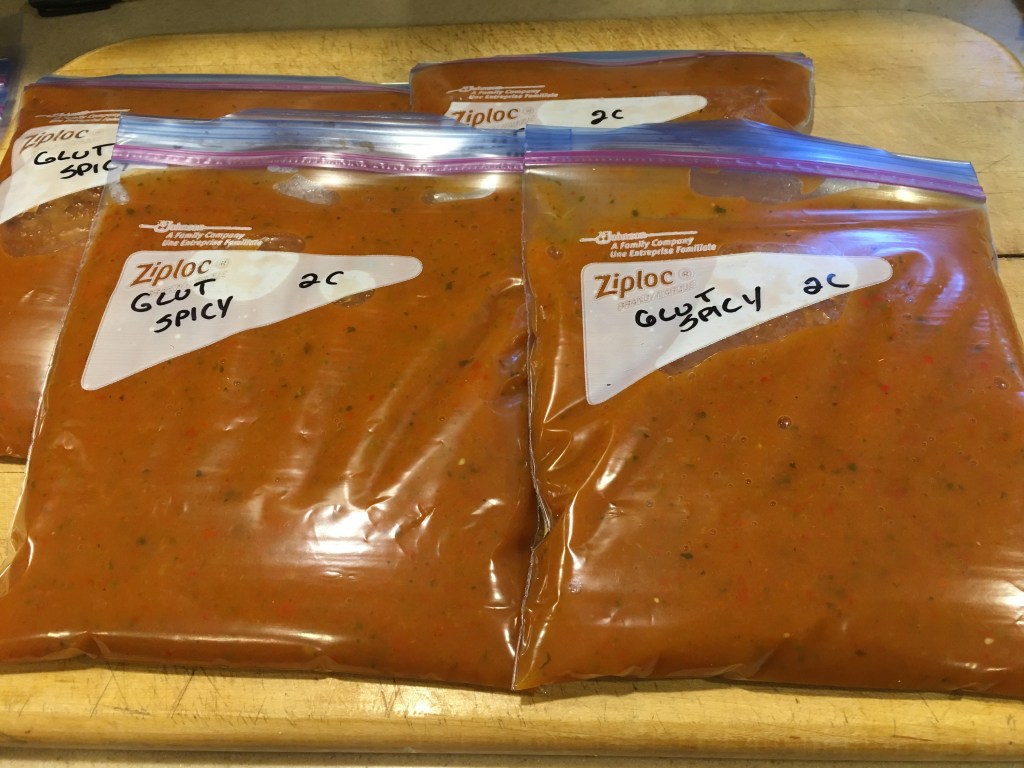
It is amazing how combining roasted vegetables of all types with plenty of onions and garlic turns them into savory creations. I roast until everything is quite soft and then purée with a little stock if necessary. Freeze the pureed vegetables to use later as a soup base or pasta sauce. Or, to make a hearty one-dish meal immediately, add some evaporated or coconut milk, chopped sauteed vegetables of choice, cooked beans and/or cooked grains or pasta. A great result of this process is that the sauce never quite tastes the same.

A sauce made of mostly tomatoes is great for traditional pasta sauce. Sauce with spicy chiles added makes a good base for chili.

It’s easy to adjust seasonings according to your tastes. Add basil and oregano for an Italian twist; add cumin and chili powder for Mexican; add marjoram, a hint of cayenne and basil for Mediterranean.

Tomato Glut Sauce

I found this recipe years ago from a magazine called This Organic Life and have adapted and used it ever since. Film a large roasting pan with olive oil and cut up about six pounds of tomatoes – this is a great time to use those that have blemishes or splits because you can simply cut that part away. Chop and add one or two cups of whatever vegetables are coming in at the time such as onions, carrots, zucchini, celery and Swiss chard.

If you plan to use a food mill, you don’t have to take out tomato cores. If you plan to use a food processor, core the tomatoes before cooking. I don’t peel or seed my tomatoes but you can also blanch and peel and/or seed the tomatoes if that’s your taste. Throw in several cloves of garlic, some sprigs of fresh thyme, oregano, basil, and parsley. Splash with balsamic vinegar and roast for about an hour. The sauce will cook down and lose a good bit of moisture, and the vegetables will start to caramelize. Run through a food mill, food processor, or simply put in a high-power blender. Salt and pepper to taste, and use immediately or freeze.

Homemade Vegetable Stock

It’s cold outside, making me want to stay indoors even if the sun teases me to come outside. So, I’ll stay cozy and warm inside and make a big pot of vegetable stock. There’s nothing like a pot of stock bubbling away on the back burner to fill the house with good smells and portend a great soup.

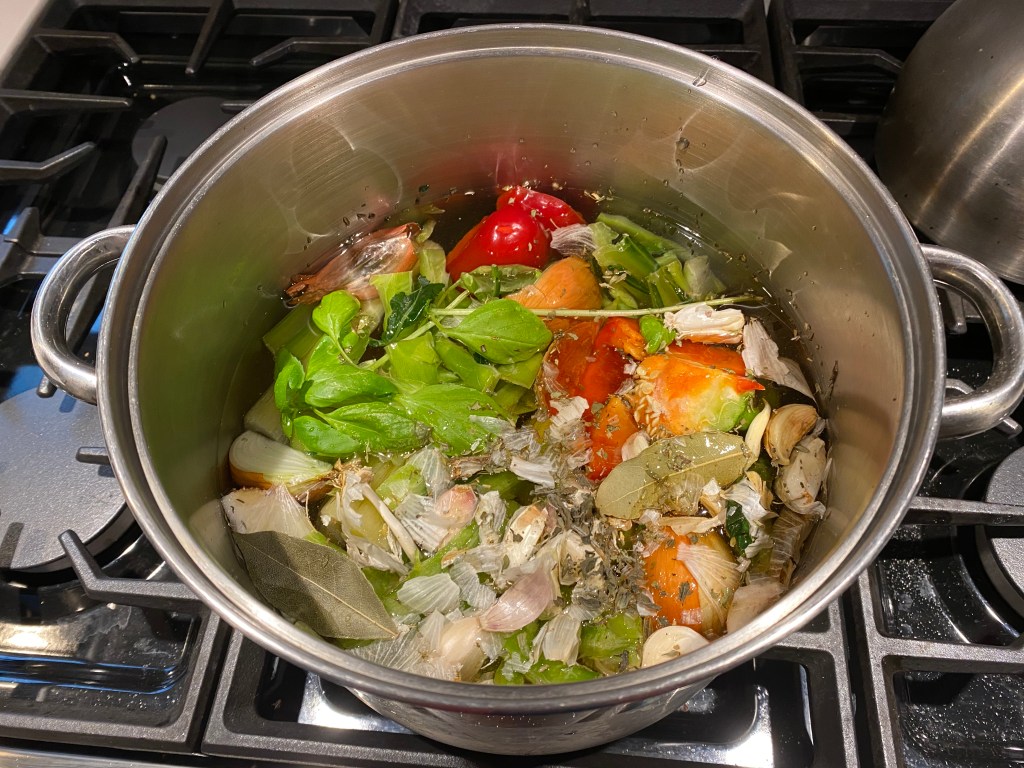
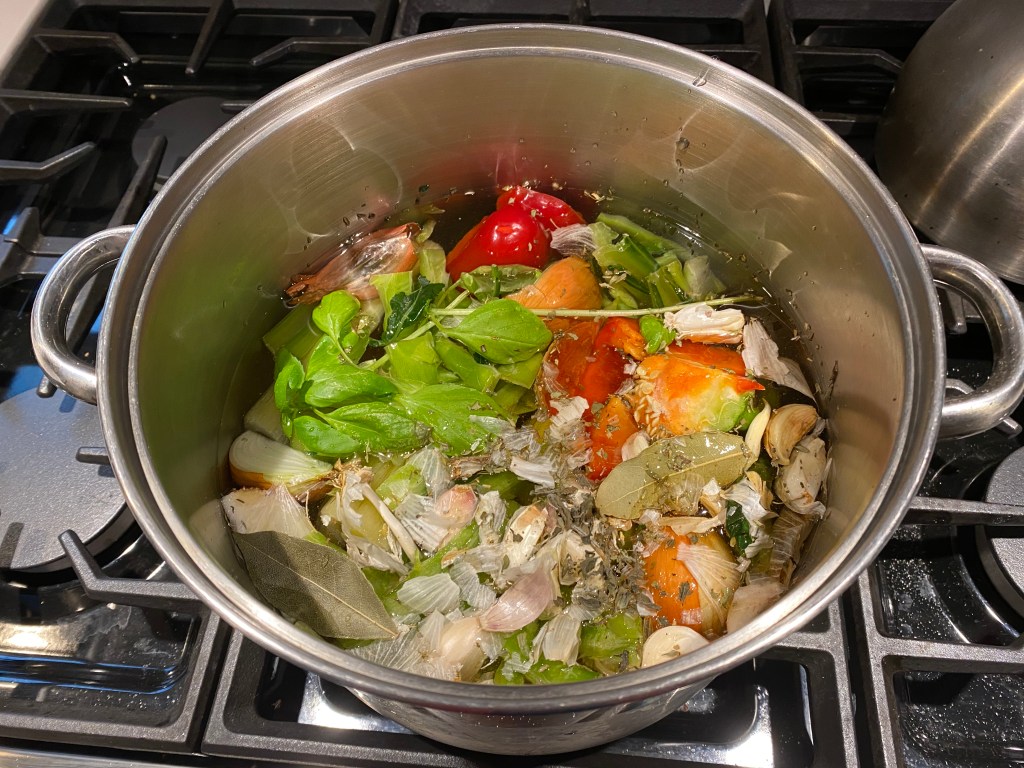
I’ve made it habit of putting all of my vegetable trimmings into a bag in the freezer instead of the compost. Onion and garlic skins, kale and chard ribs, celery and carrot root ends. The only thing I’ve found that doesn’t work well is potato peelings. But sweet potato peelings are a delicious addition. When the bag is full, I put everything into a large pot, toss in a few herbs, and fill it with water to cover the vegetables. One of my secret additions is parmesan rind. My local grocery packages the ends after they cut away the sellable part, and then they are tucked away for sale in the cheese bin. These rinds add a delectable richness to the stock.

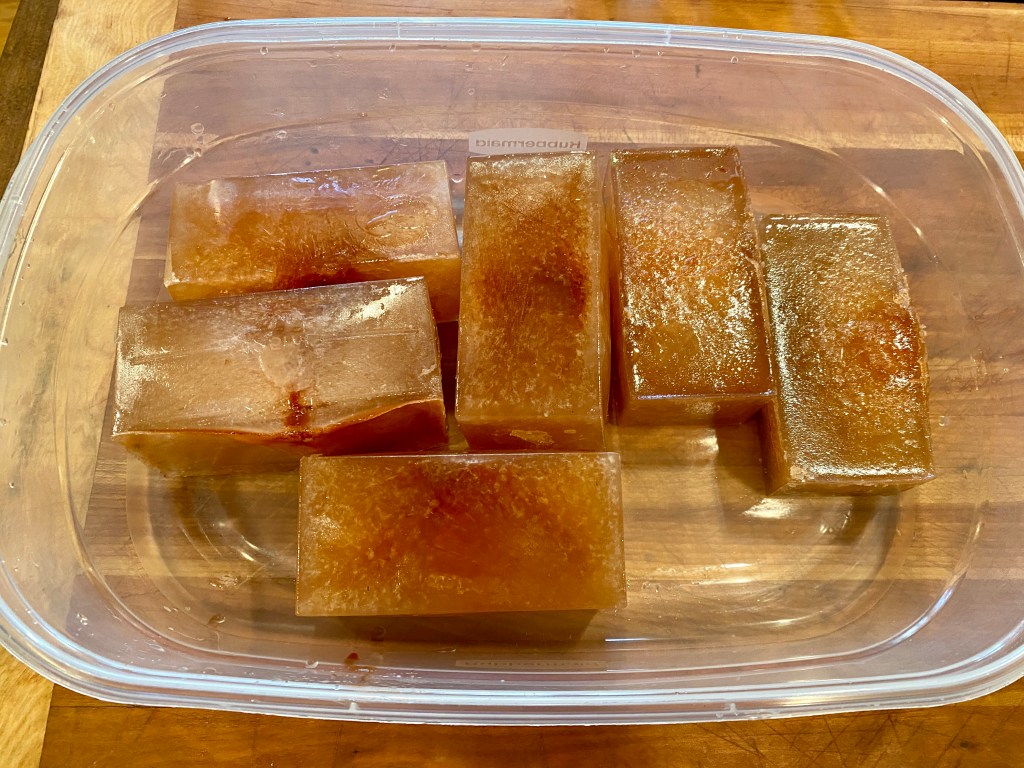
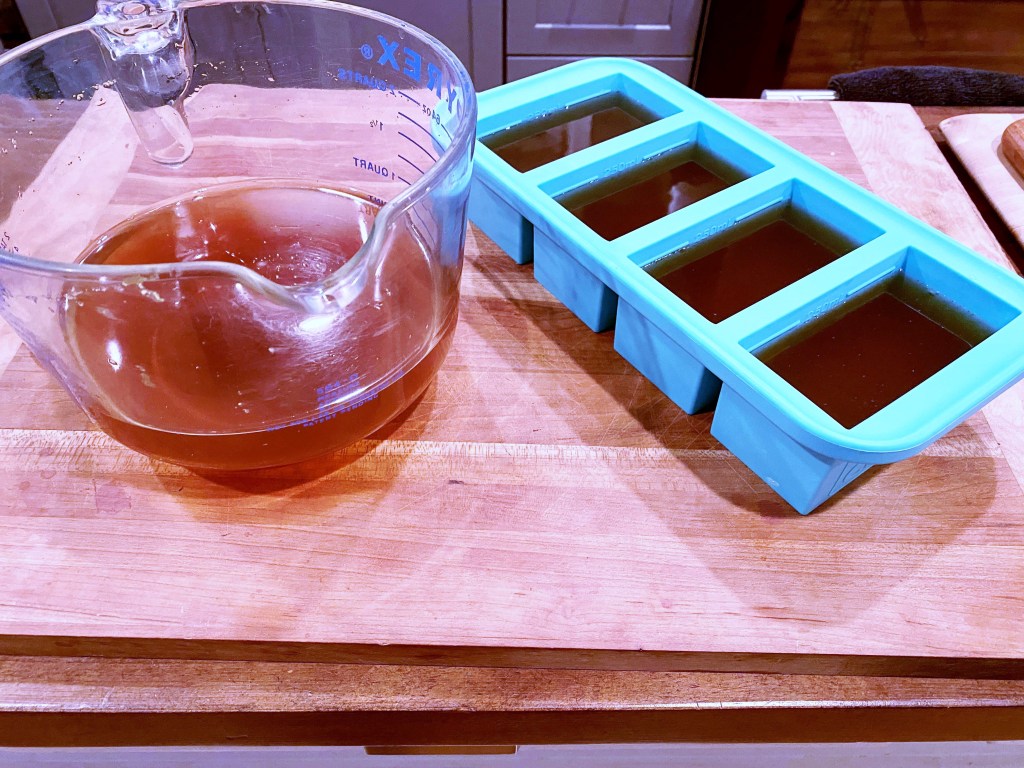
I put the pot on a low simmer for several hours. Once cooked and cooled, I strain it into freezer containers and have a delicious base for just about any type of soup.

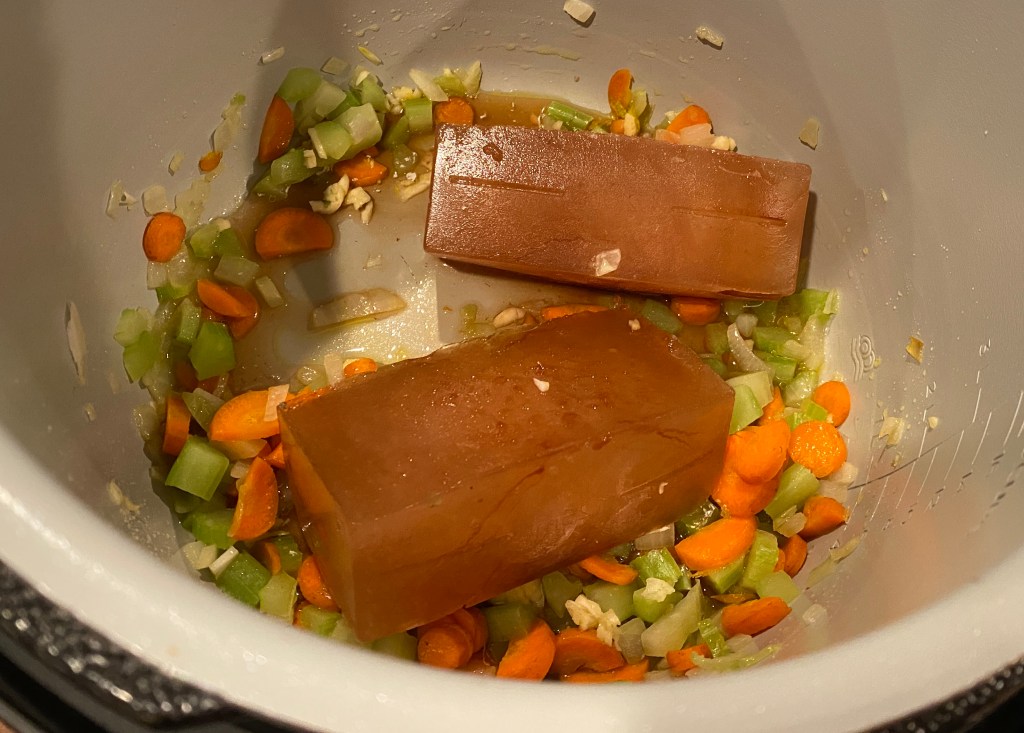
Frozen blocks of stock for the freezer

Because this stock is well-flavored, it easily replaces the chicken stock that so many recipes call for. My stock is never exactly the same because the mix of vegetables changes. Beet and red chard tops make it a rich purple color. But it is always good, and easily adaptable to almost any soup or stew.

Give it a try – it will make your winter days a bit more enjoyable and the sky’s the limit as to the dishes to use it in.

Stock, mirepoix (carrots, celery, onion, garlic) in the slow cooker

Lentil soup for two

½ medium yellow onion, diced
1 medium carrot, diced
1 medium celery stalk, diced
2 cloves garlic, minced
½ c. dried green or brown lentils
1 c. diced tomatoes (fresh or canned)
2 ½ c. stock (homemade if you have it, canned if not)
¼ teaspoon dried oregano

Salt and pepper to taste

Film a heavy-bottomed pan with olive oil and add the onion, celery, carrot and garlic. Saute until soft, about ten minutes. Add the oregano and stir for about 30 seconds. Add the lentils, tomatoes and stock and bring to a simmer. Simmer for about 45 minutes until the lentils and vegetables are tender.

Put about half the soup in a blender and pulse until creamy. Return to the soup and add salt and pepper to taste. Serve drizzled with olive oil, sriracha, harissa or your favorite flavoring. You can also top it with grated cheddar and/or sour cream.

To slow cook, put all ingredients in the slow cooker. Cover and cook on low for 7-8 hours or on high for 5-6 hours, until the lentils are tender.

Riffs:
Add 1 T. chiles in adobo and ¼ t. cumin
Add ½ c. homemade or commercial pesto
Add ½ c. finely chopped kimchi
Add any cooked sausage of choice

Resolutions and Vegetable Soup

I’m not one for making resolutions, mostly because I don’t want to be disappointed when I can’t keep them. But I am in the mood for some food cleansing to start the year off right. One of the best and easiest things I can do for my family is to make homemade vegetable broth. It has a clean, crisp flavor that is perfect for a soup base. It gives just about any type of soup a rich, savory flavor that you simply cannot get from canned stock or broth. It’s rich enough to drink on its own, flavored with a little salt and pepper.

Homemade vegetable broth

As simple as possible

Although I’ve seen fairly elaborate recipes for broth, I want to keep this as simple as possible. To help me keep the resolution to do it. So, I keep a plastic bag in my freezer, and every time I trim a vegetable I rinse the trimmings and toss them into the bag.

I use the trimmings from garlic, onions, greens, mushrooms, carrots, celery, etc. Onion skins in particular give a wonderful flavor to the broth. When the bag is full, I dump it all into a large stockpot, add a couple of bay leaves and a handful of whatever other herbs I have in the garden or dried on the shelf.

Simmer slow and long

I cover the vegetables with water and simmer very gently for four or five hours. Once they’re all reduced to mush, I pour the stock through a strainer and divide it up to freeze. I freeze it in one cup batches so it’s simple enough to pull out a chunk, thaw and use it. Toss in some pasta, some sauteed onions, a handful of chopped greens, a can of cannellini beans, and Voila! You have a hearty soup with tons of subtle flavors on the table in 15 minutes. And there’s also a bit of nostalgia about always having a pot of soup bubbling on the back burner.

Mirepoix

You can make almost any kind of brothy soup by starting with a mirepoix (French – named for Duke of Mirepoix and the community he ruled) or soffritto (Called the Holy Trinity in Italian – translates as fried softly).

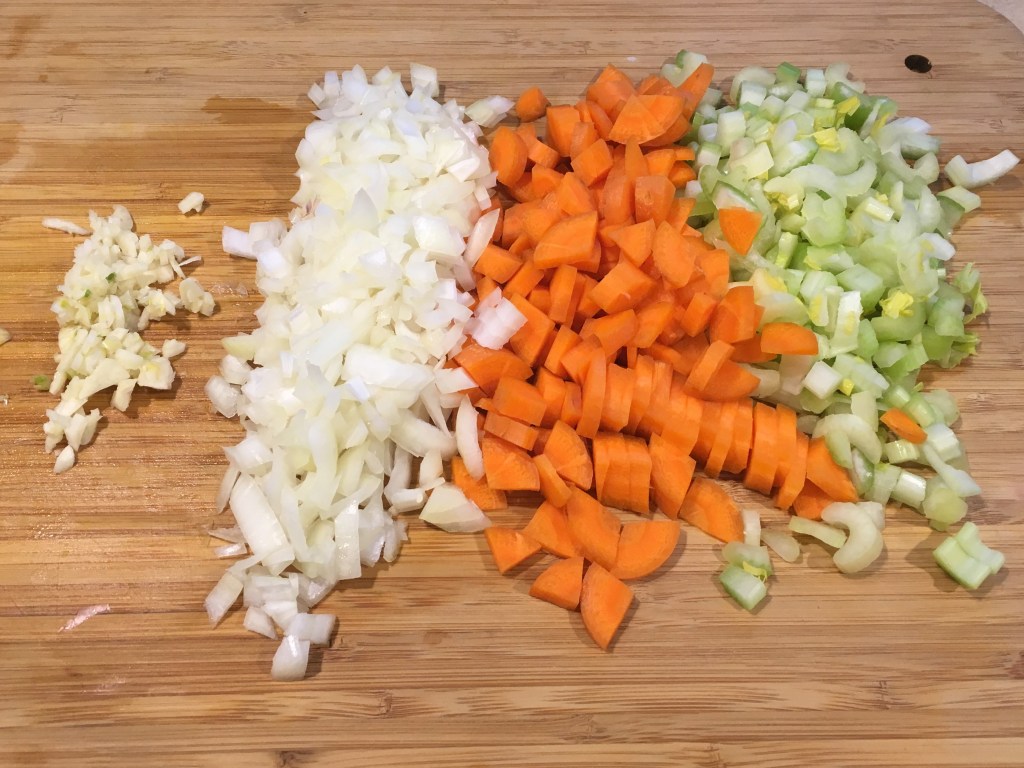
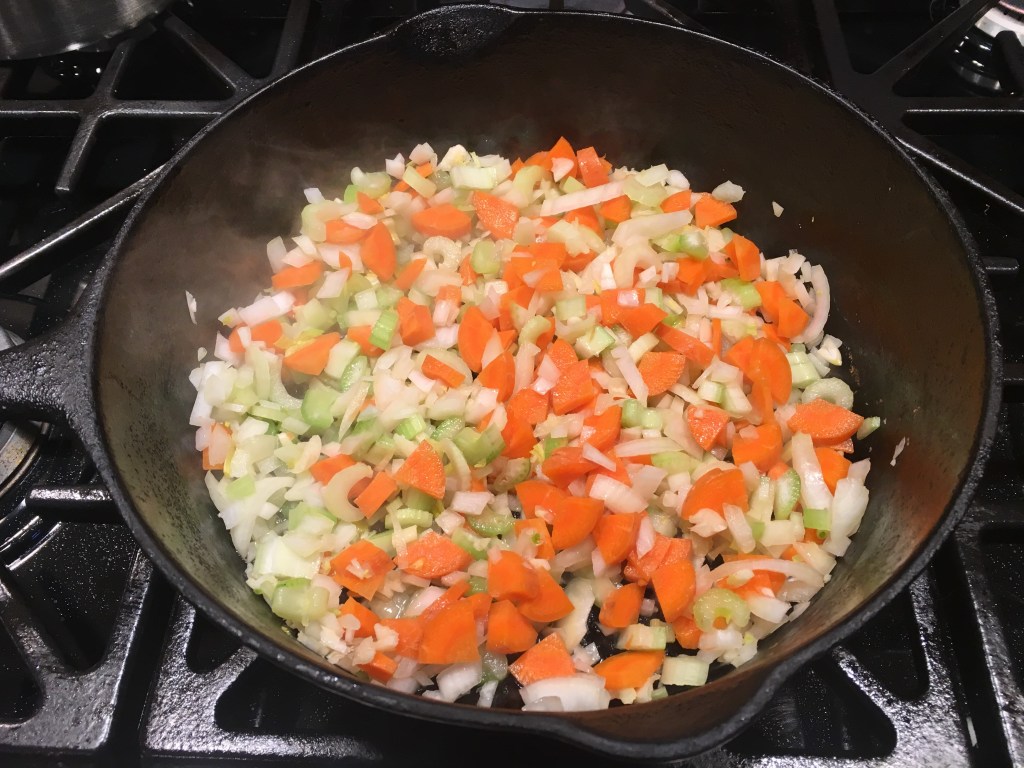
Chop a small onion, small carrot and a couple of stalks of celery. Saute gently in two tablespoons of olive oil until soft but not browned. This releases the flavors to infuse your soup. Add other vegetables and greens as desired, cooked beans, cooked grains or pasta. Add 2-3 cups of your homemade vegetable broth and heat through, seasoning as desired.

Cabbage White Bean Soup

Olive oil
1 small onion, diced
1 small carrot, diced
2 stalks celery, diced
1 clove garlic, minced (optional)
2 medium thin-skinned potatoes, sliced
1 c. sliced swiss chard or kale
½ small head cabbage, sliced
1 c. cooked white beans
3-4 cups vegetable broth
Salt and pepper to taste

Heat olive oil in a large heavy-bottomed saucepan. Saute onion, carrot, celery and garlic if using on low-medium heat, stirring often, until the vegetables are soft. Add the rest of the ingredients and bring to simmer. Simmer until potatoes are soft when pierced. Season to taste and serve hot.

Kale and Kasha Soup

2 T. olive oil
1 ½ c. chopped onion
1 large clove garlic, minced
4 c. vegetable broth
¼ t. dried oregano
1 ½ c. cooked kasha or other grain
1 can crushed tomatoes
1 can kidney beans, drained and rinsed and divided
½ lb. kale, trimmed and chopped

Heat 1 T. oil in large pot over medium-high heat. Add onion, and cook 3 minutes, or until softened, stirring occasionally. Add garlic, and cook 5 minutes more, or until onion is lightly browned. Stir in broth, kasha, tomatoes, 1 cup beans, oregano. Bring to a boil. Press half of the kale into the liquid with a wooden spoon until it wilts. Press remaining kale into liquid. Reduce heat to medium, and simmer 15 to 20 minutes, or until kale is tender.

Purée remaining beans in food processor and add to the soup. Season with salt and pepper, and serve with a drizzle of balsamic vinegar or sriracha.

Bean soup

Bean soup made with adzuki beans

I always keep canned beans in my pantry. And, now that I have an instant pot, I’m gaining confidence in cooking them from scratch as well. Before the instant pot, my favorite thing to do was put on a pot of beans and promptly burn them since they have to cook so long. Lost a lot of good pots that way.

Another dirty little secret is that I have dribs and drabs of leftover vegetables, meats and grains in bags in the freezer. I cannot stand to waste food, so if there’s a little bit left, I’ll freeze it for use in soup later. Labeled of course.

Anything goes

The great thing about soup is that you can add simply anything to it and have unique flavors. Leftover bits of chicken or turkey with white beans and noodles make a great soup. Add some swiss chard or spinach, a can of chopped tomatoes and it turns into something different. As vegetables start coming in from the markets and our gardens, change up your soup accordingly. If hot soup isn’t appealing in the summer, remember that adding chiles will make you sweat, cooling you off. And, try bean soups cold!

Start with broth

The basic recipe for a soup is to start with good vegetable, chicken or beef broth. You can make an even richer soup with bone broth. Use store- bought if you don’t have time to make your own – you’ll still get a wonderful pot of soup (no guilt!). Saute some onion and garlic in a bit of broth or olive oil to get your flavor started. 

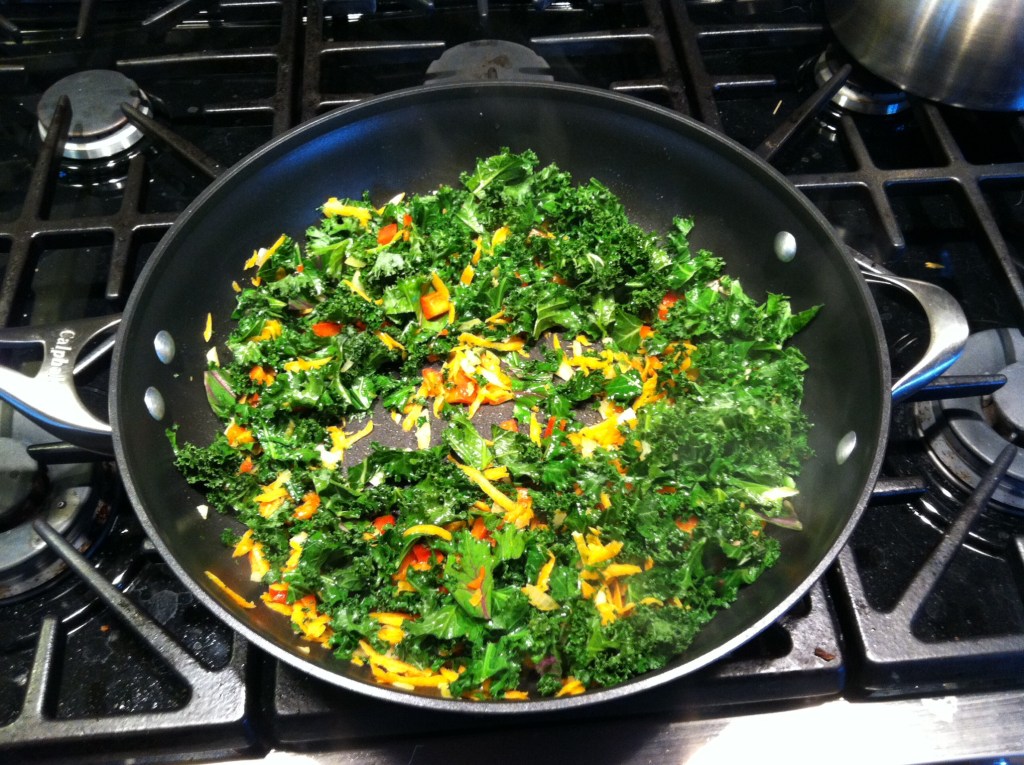
Sauteeing kale with carrots and peppers

Add protein and grain

Then add a protein like black beans, garbanzos, canellini or kidney beans. Use leftovers from a roasted chicken (again, store bought roasted chicken is good), leftover Thanksgiving turkey (you know you have some, somewhere in the freezer), tempeh or tofu. If you want to use cheese, add it at the very end. 

Next, add a cooked grain like brown or white rice, farro, quinoa, or a pasta such as egg noodles, farfalle, linguini or orzo. Whole wheat pastas which may not be as palatable for spaghetti are hearty and delicious in soup.

The best part – vegetables

Then comes the best part – the vegetables. Add whatever you have in the fridge or freezer – cabbage, corn, peppers, spinach, broccoli, carrots, kale, Swiss chard, cauliflower or zucchini. The vegetable combinations can vary depending on the flavor you want. 

Season according to the flavor you desire. For Mediterranean, use thyme, oregano, a pinch of sage and basil. For Mexican, cumin and chili powder give it a kick. For Italian, use oregano, basil and smoked paprika. 

Although you really don’t need a recipe to make a great bean soup, here’s a start on a Mexican bean soup: 

Recipe for Bean soup

Black bean soup

2 cups broth

1 large clove garlic, minced

½ spanish onion, chopped 

1-2 cups black beans, rinsed and drained if using canned

½ bag frozen corn

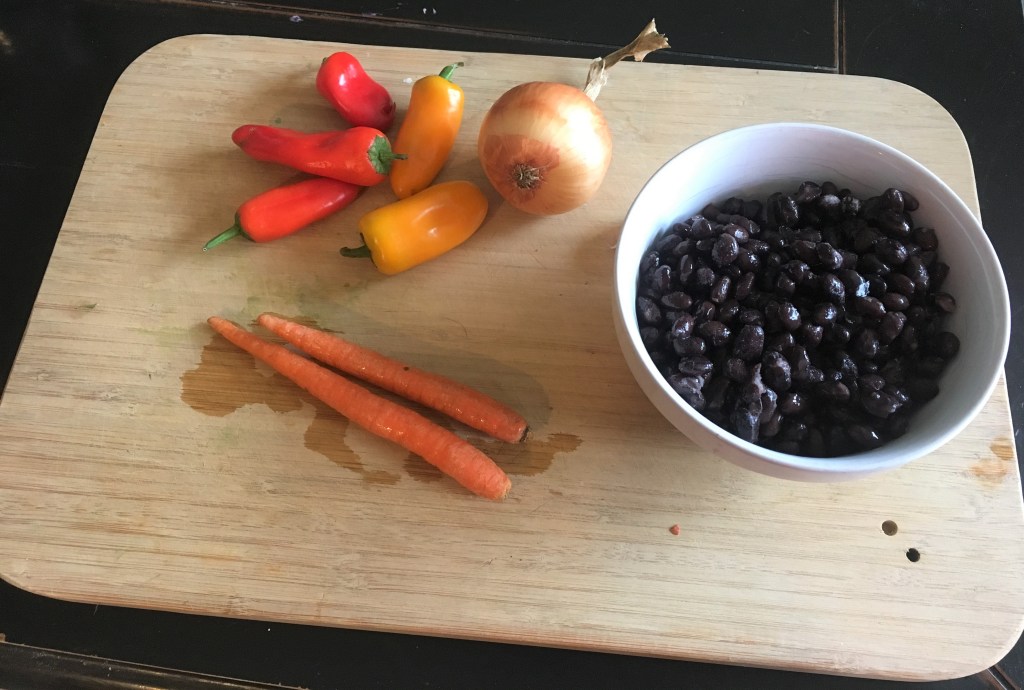
½ cup chopped sweet peppers

¼ chopped chili peppers

½ c. diced carrots

½ t. smoked or regular cumin

½ t. chili powder

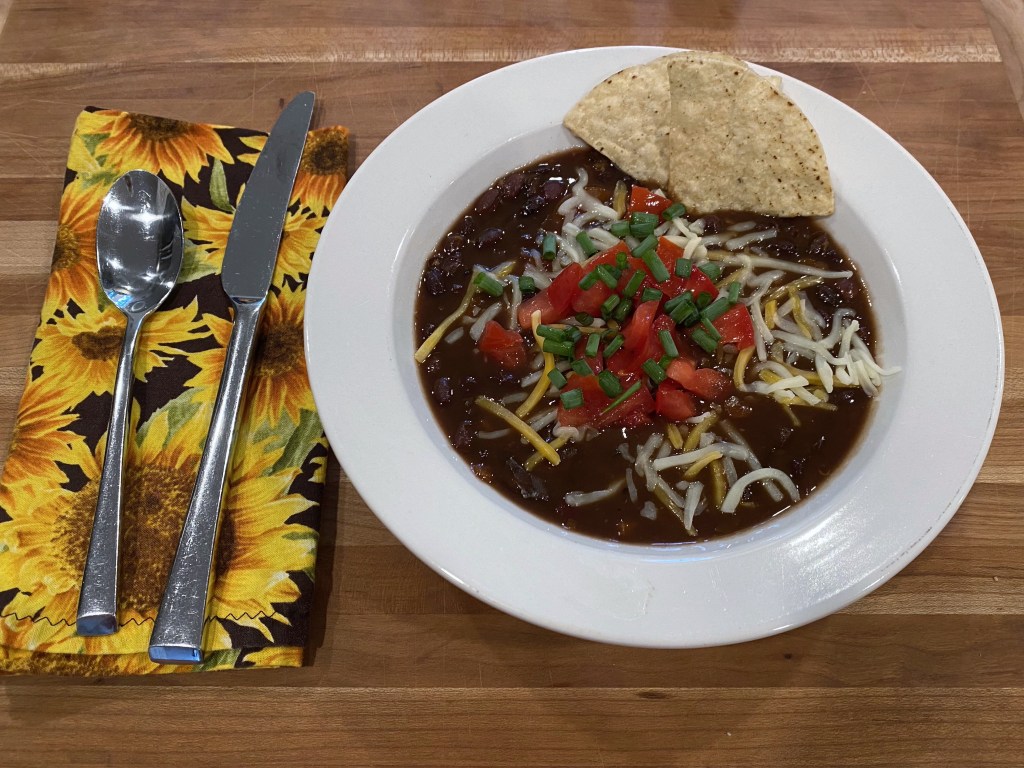
Saute garlic and onion in two tablespoons of broth for about a minute. Add peppers, carrots and corn and saute for another minute. Add beans and seasonings and simmer for about 45 minutes. Salt and pepper to taste, and serve hot with a dollop of sour cream or plain yogurt and a splash of sriracha if you like more heat. 

Roots!

Purple Haze carrots

It seems that when we are sequestered indoors, our bodies yearn for warmth, both internally and externally. We naturally crave those earthy flavors of root vegetables such as carrots, beets, parsnips and even rutabagas. So, plan a visit to the winter farmers’ market or raid your own root cellar for any combination of delectable root vegetables. Cook up your roots into a rich soup (with the added sweetness of a butternut squash), dish up a bowl, cut a slice of rustic bread, and pull your chair up next to the fire.

Start planting roots crops

It’s time to start planting root crops. They are perhaps the easiest of vegetables to grow. Cool season crops, they bracket the garden season or can be planted multiple times for yield all season long. You can put the seeds into the garden as early as possible. The seeds will not be harmed even by heavy frost, so as soon as the thaw starts, get them out there. If your garden is prepared, you can even cast the seeds on the snow to get the earliest start as soon as they hit the soil.

Purple Haze carrots

Don’t forget fall planting

At the other end of the season, start planning the fall crop in July. Carrots and beets go in around the middle of the month, turnips the first week.

Easy to grow

Root crops grow well in any spot in the garden that receives six to eight hours of sun. The most critical element to healthy growth is preparing the soil deeply to have good tilth, with nothing to impede the growth of the roots. We’ve all seen carrots with forked roots – this usually is due to the tender root hitting something it cannot grow through so it moves off at an angle. The soil should be of average fertility and the plants should be mulched to keep the soil moisture even.

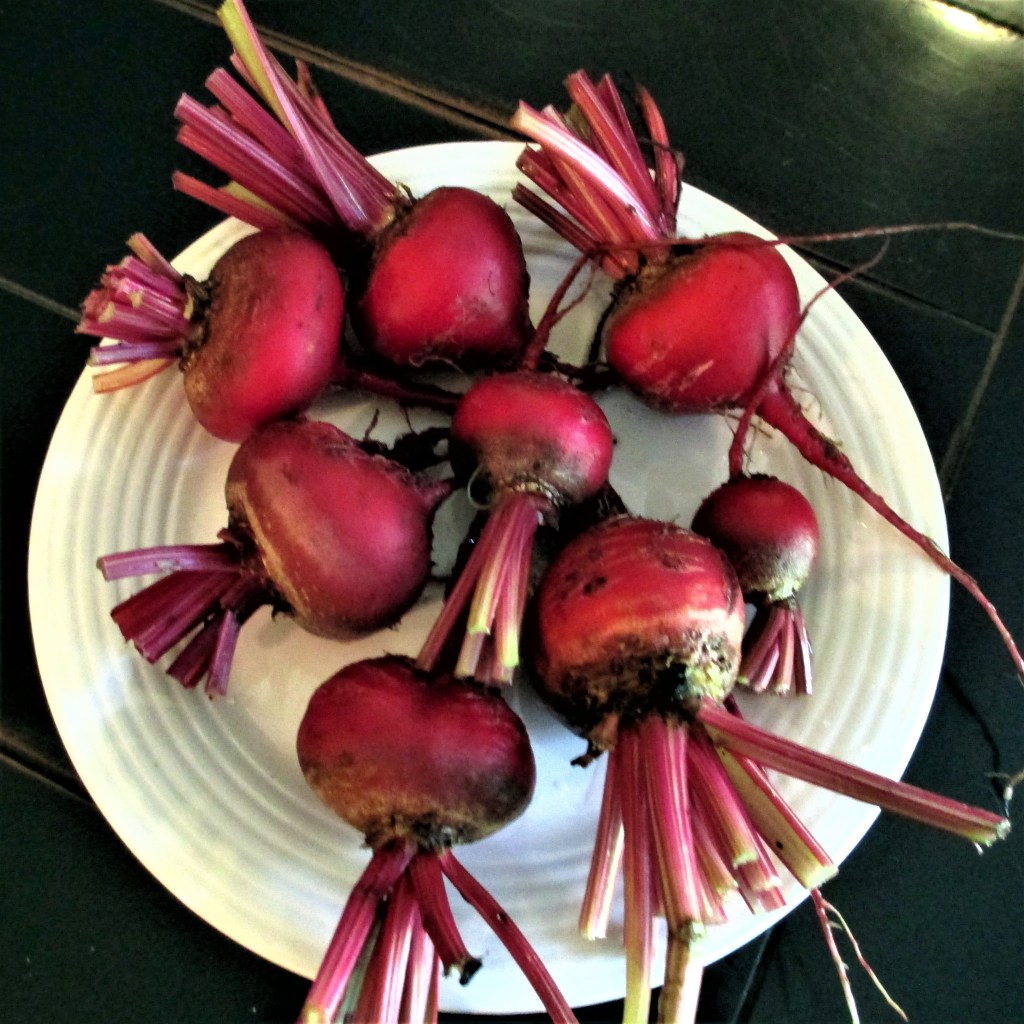
Chioggia beets

Plant frequently

Planting every two or three weeks will keep you in carrots and beets all season. My favorite beet is Chioggia, an Italian beet that is creamy white or pink with dark rings. The best feature is that these beets will stay tender all season, not becoming woody as some beets do when left in the ground.

Spiralized Chioggia beets

And now for the soup: 

Winter Root Vegetable Soup

Root vegetable soup

You really can use any combination of vegetables. Vary the flavors with different combinations and add herbs to give you further nuances of flavor. This soup is creamy, savory and slightly sweet, an amazing comfort on a cold winter evening. 

Use one cup of vegetables for each serving. This recipe serves  6-8 although you can cut it half easily. It also freezes well. 

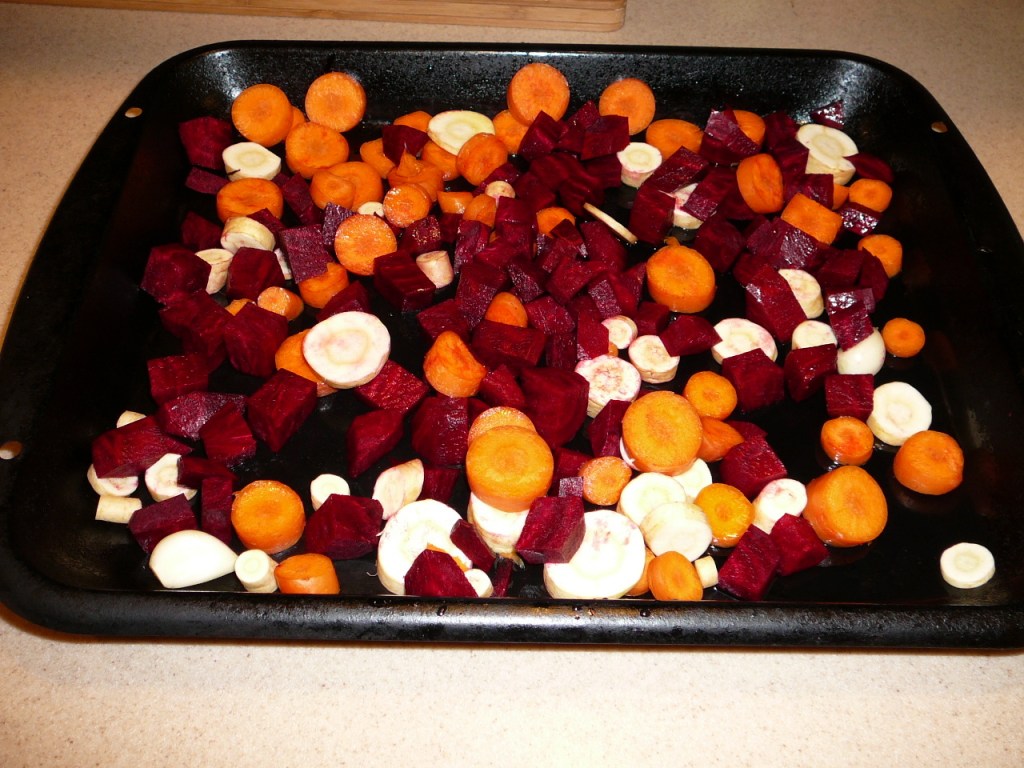
Beets, carrots and parsnips ready for roasting

6-8 cups root vegetables (any combination of carrot, beet, parsnip, rutabaga, turnip, salsify, celery root, sweet potato, butternut squash) cut into ½ inch pieces

2 cloves garlic

¼ c. olive oil

1-2 t. salt as needed

¼ – ½ t. fresh ground black pepper (to taste)

1 small sweet onion, diced

2 stalks celery, diced

1 quart chicken or vegetable broth

½ t. dried or 1 T. fresh herbs of choice – basil, oregano, thyme, rosemary

Preheat oven to 400 degrees F. In a low-sided broiler or jellyroll pan, place vegetables and drizzle with about two tablespoons of olive oil. Roast in a preheated oven for about 30 minutes, stirring occasionally until all vegetables are tender when pierced. Sprinkle with salt immediately upon removing from the oven. 

Roasted vegetables ready to puree

While vegetables are roasting, in a large pot over medium heat, saute onions and celery in the remaining olive oil, stirring until the onions are translucent. Add pepper, herbs and stock. Bring to a simmer. Stir in roasted vegetables and heat through. Puree with an immersion blender or in small batches in a food processor or blender. If soup is too thick, thin with water, more broth, or creamy it up with half and half or coconut milk. 

Ladle into bowls, grate fresh pepper on top and drizzle with fruity olive oil. Serve with crusty, rustic bread and a crisp cabbage salad.

Aromatherapy

Sauteeing onions in butter

You can certainly have your lavender (I love it too) and your patchouli. But when I need scent to make me feel better, I turn to the kitchen. There is nothing as uplifting as the aroma of sauteeing onions in butter. It smells delicious and reminds me of happy times in my grandmother’s and mother’s kitchens. It is the great beginning for just about anything savory and tongue pleasing.

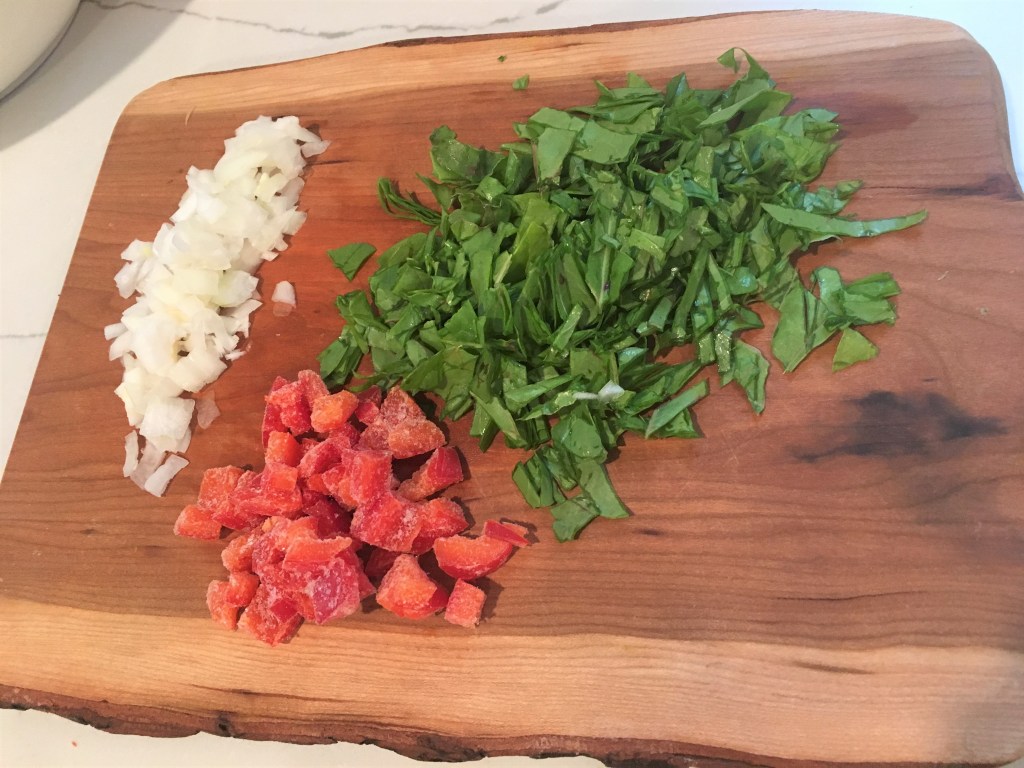
Spinach with onions

Minced onion and garlic sauteed in a little olive oil and a touch of butter brings a simple green like spinach to something sublime. This is a wonderful dish all by itself, but can also be added to soups, stews, risotto, eggs………only limited by imagination.

One of my favorite breakfasts:

Spinach and Avocado Toast

(called tartine if you want to be fancy – a tartine is a slice of bread with a sweet or savory topping.

1 medium bunch spinach, coarsely chopped

¼ onion, chopped finely

1 T. olive oil

Salt and pepper to taste

2 slices whole grain bread

Grainy brown mustard

2 oz. your choice of cheese

½ avocado (optional)

spinach toast with avocado and sriracha sauce

Sriracha (optional)

Saute onion and spinach in olive oil until the spinach wilts. Salt and pepper to taste.  Toast bread, spread with mustard and pile on spinach and avocado if using. Top with cheese. Broil until cheese melts.